Should My Teen Choose Summer Camp, or Should We Do a Family Vacation?

When making summer plans with your child, we understand if adventure camp is just one option among a swirl of other ideas. For example, you may be considering a family vacation as a closely related alternative; after all, your child would get to travel, engage in a selection of activities, and spend time with loved ones while gaining new experiences, right?

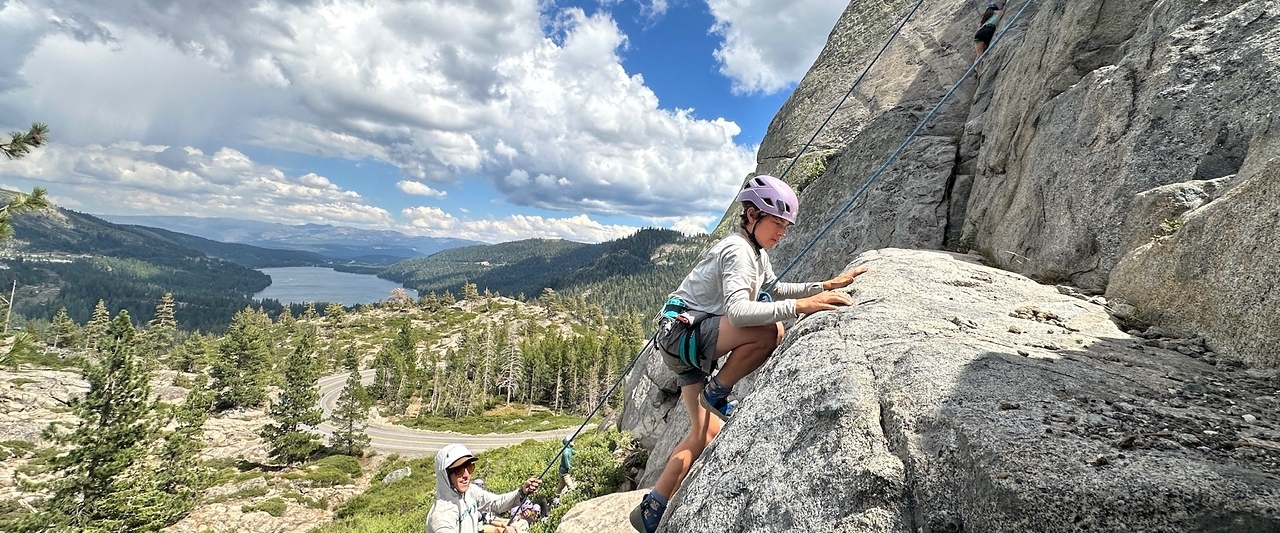
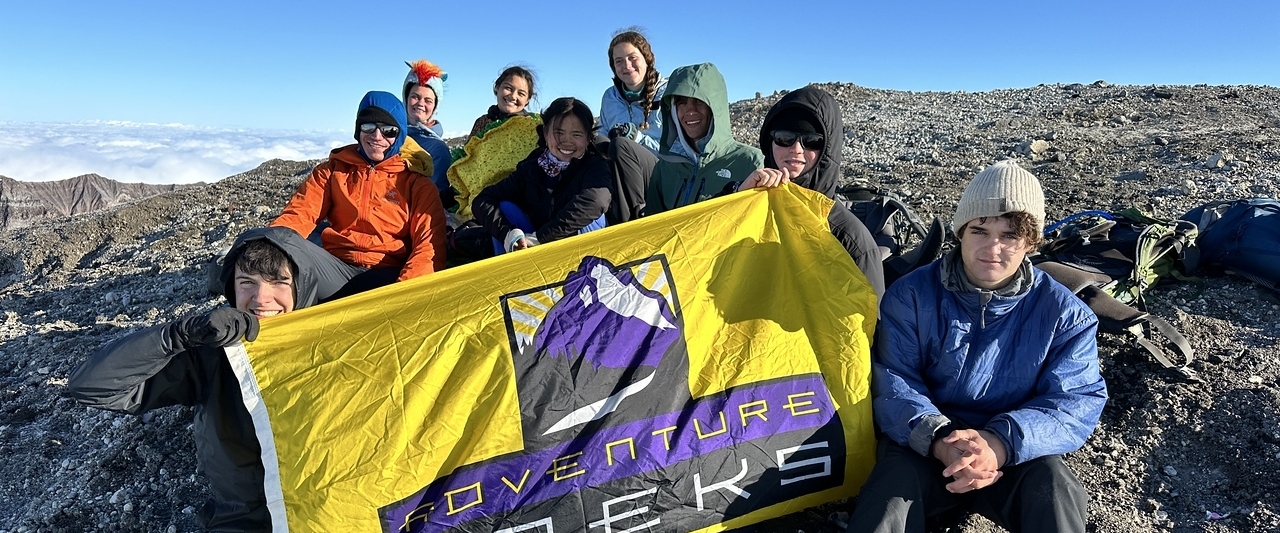
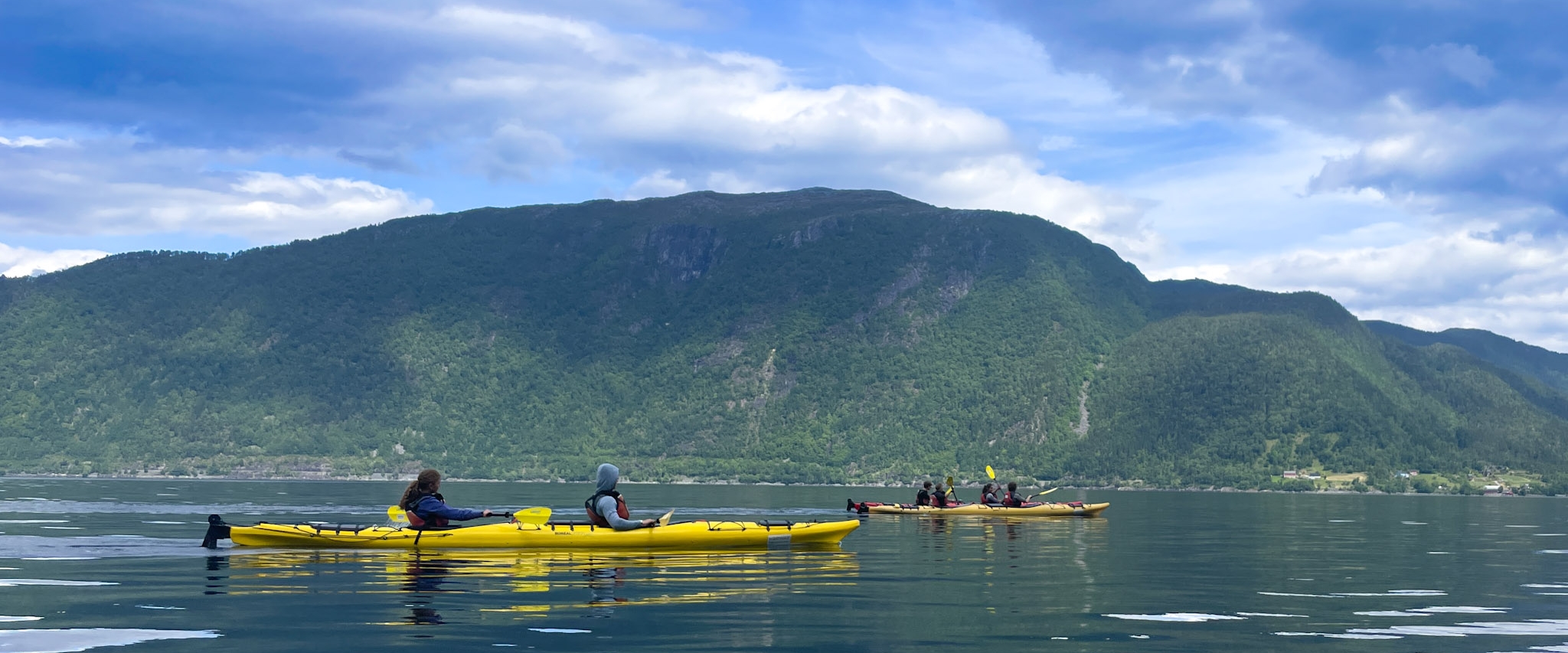
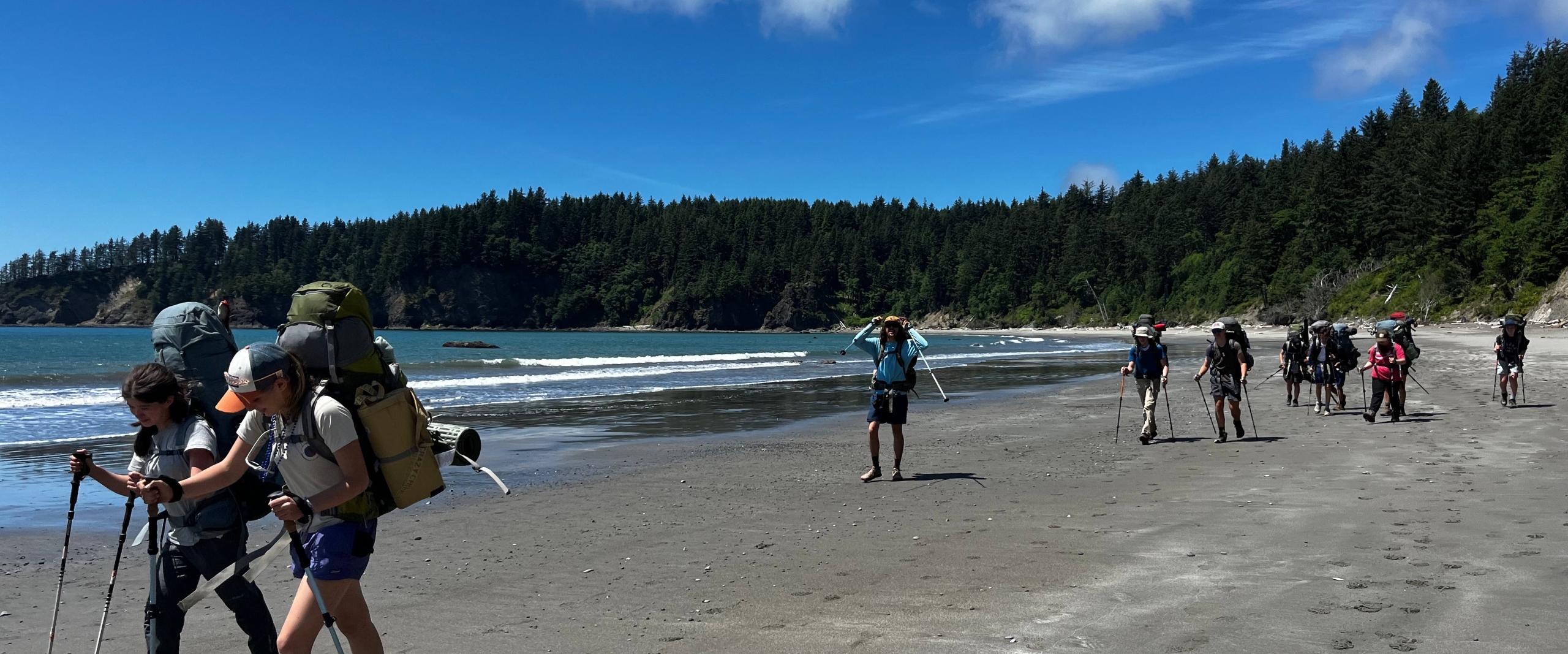
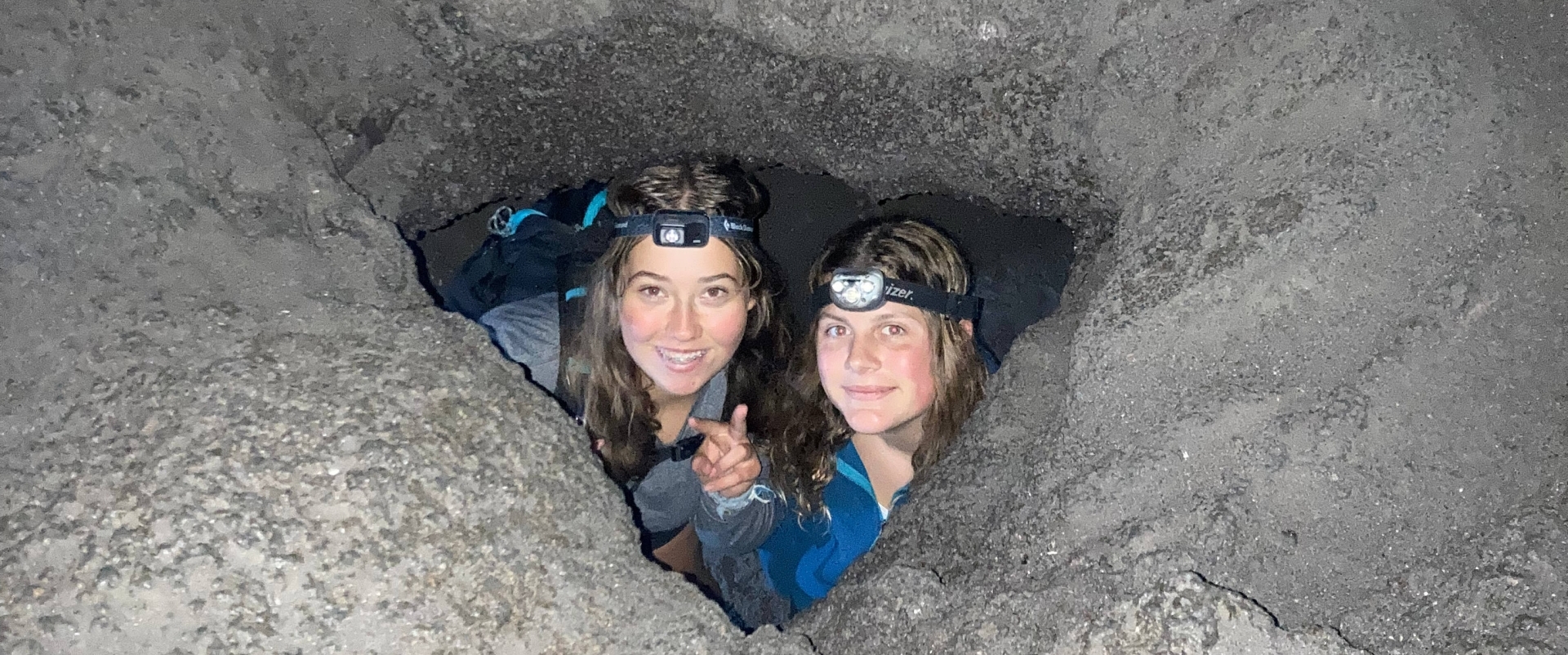
While family vacations can have big, grand adventures, we’ll make the argument for why summer camp (especially travel-oriented expeditions for teens) are a unique opportunity for growth and fulfillment.

In short, adventure camp meets a young person’s desire for novelty, social interaction, and sheer fun, all while keeping them deeply involved from start to finish and allowing them to feel more personal accomplishment later on.

In fact, developmental researchers have long noted that adolescence is a period where kids and teens benefit from time away from their immediate family system, because independent experiences like camp help shape their identity, confidence, and internal motivation.
Giving kids the chance to make decisions

Think about how you typically decide on the details of a family vacation. Where do your ideas come from? What are your top goals and priorities? To what extent is your child involved in the brainstorming process? Studies have shown that while many parents plan family vacations specifically with their child’s desires in mind (e.g. going to Disneyland), it is less common for kids or teens themselves to have a real voice in the conversation and decision-making process.

While teens may enjoy family travel, most decisions around lodging, transportation, daily scheduling, and meals are naturally parent-led, and don’t contribute to a teen’s skill-building experience.

Student involvement and ownership

By contrast, our admissions process emphasizes student involvement at each step. First, parents are encouraged to discuss different trip options with their teenager. Our office team can provide recommendations based on their stated interests, and speak directly with potential students to answer their questions.

Next, teens take part in their own application and student profile, responding to prompts about their goals, what they’re excited about, if they’re nervous, and more.

Throughout the admissions process, too, students have the opportunity to switch onto a different trip if they’ve reconsidered their original pick.

When you put all of this together, an AT student isn’t just “along for the ride” of a vacation planned for them, nor are they passively being signed up for something. Instead, they have an active role in planning and applying for their trip, which sets them up to be even more invested once they arrive.

When teens help plan and take ownership of a meaningful experience, research shows higher engagement, stronger responsibility, and greater confidence.

What young travelers really value

With that in mind, here are common themes reported by kids as being the most important aspects of a successful travel experience for them:

  • The novelty of the trip location
  • Their social interactions within the trip
  • And the amount of fun they experienced overall

By no small coincidence, these are each things that play a huge role in how our adventure trips are planned and managed!

The benefits of novelty

Starting with novelty, our trip offerings span across the U.S. and beyond with a growing number of international destinations—we want first-year students to have plenty of options, and returning students to be excited about the places they can go next.

On the other hand, you might choose somewhere new for a family vacation, or simply revisit a place that made for an enjoyable trip in the past; the latter is especially tempting if your goal is to relax rather than take on the challenges of unfamiliar terrain.

Novel environments have been shown to increase emotional recall, memory formation, and positive subjective time perception in immersive educational settings.

Peer relationships and community

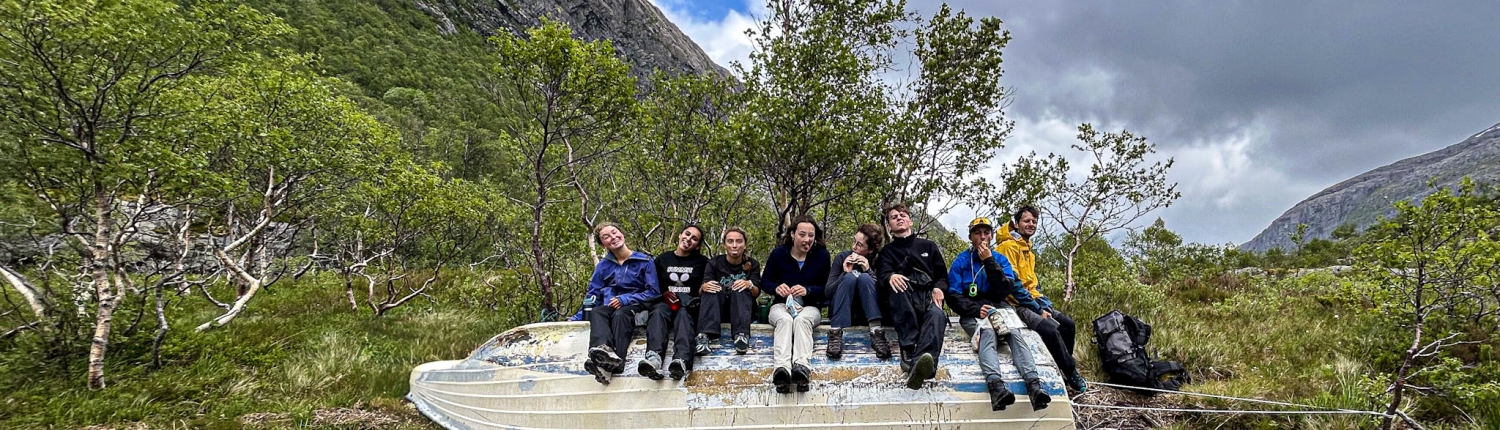
Community-building is a core component of the Adventure Treks experience; it’s what everything builds from. Surrounded by peers, your teenager can branch out, make choices about how they engage with others, and form long-lasting connections out of their shared challenges and wins.

Peer-based social learning during adolescence is particularly influential; psychologists have found that teens learn emotional skills, collaboration, and self-regulation more effectively when interacting with peers, rather than in parent-led environments.

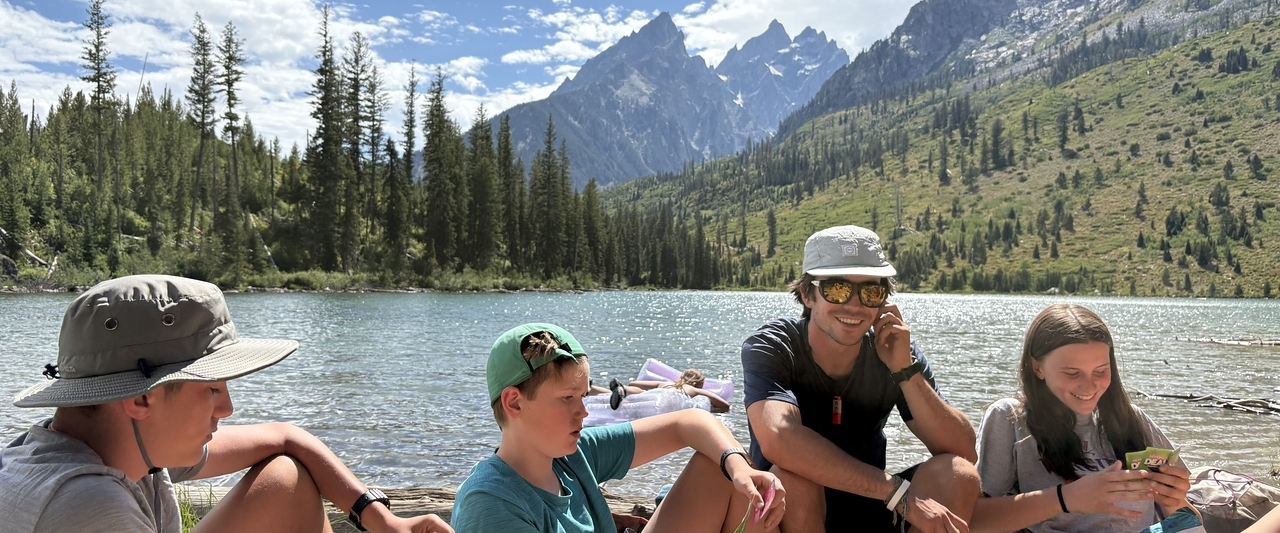
Family trips are great for bonding, but they usually don’t offer the same opportunities for your child to grow and express their individuality.

Fun, learning, and well-being outdoors

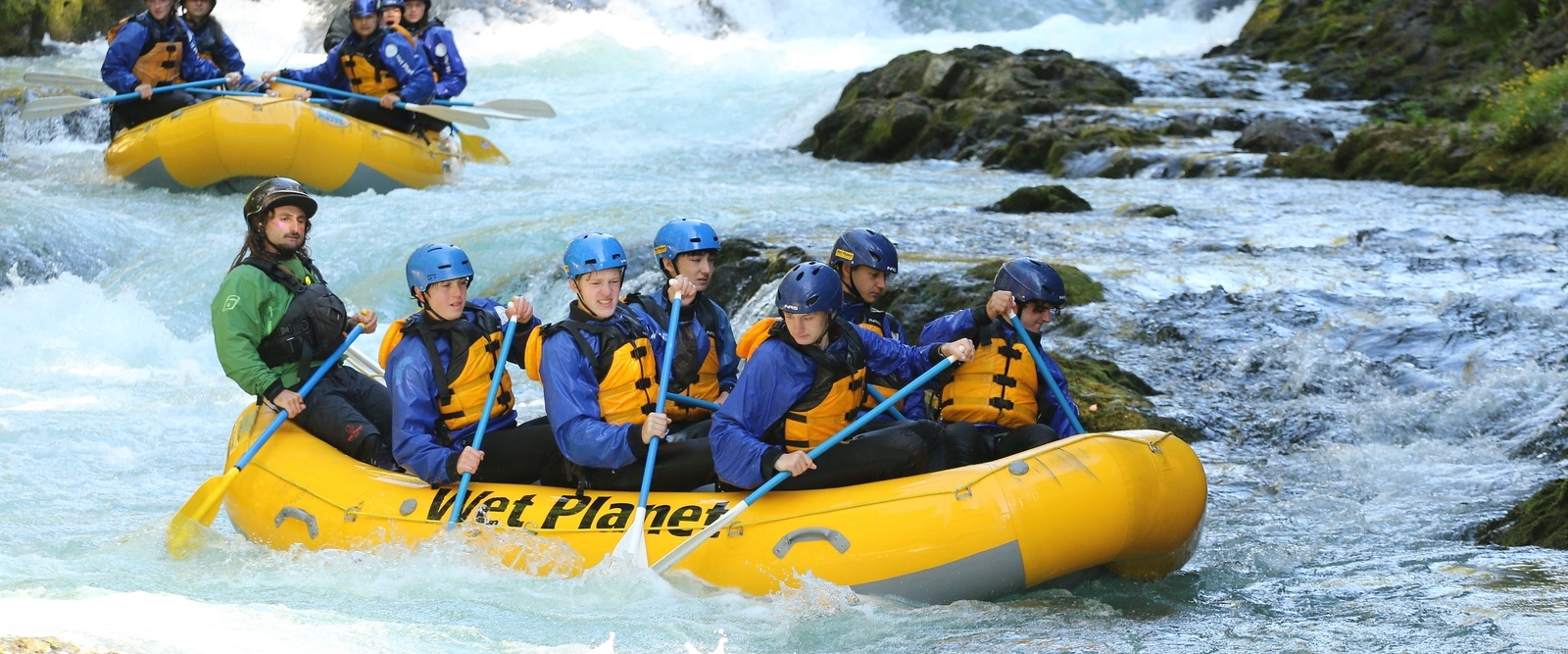
Finally, we have full confidence that summer camps like Adventure Treks can fulfill the aspect of fun that your child wants out of their summer. Our itineraries are built on decades of practical research, as we are continuously introducing new activities and locations and building on successes from year to year. While family vacations may be obligated to balance the interests of everyone involved, an AT trip caters right to your teenager to bring them fun, lasting memories outdoors.

And it’s no secret that structured, extended outdoor experiences are associated with improvements in emotional regulation, stress reduction, mental well-being, social competence, and reduced screen exposure.

Peer-based social learning during adolescence is particularly influential; psychologists have found that teens learn emotional skills, collaboration, and self-regulation more effectively when interacting with peers, rather than in parent-led environments.

Outcomes after camp

The growth and outcomes from camp really distinguish this experience from your everyday family vacation. Instead of simply “returning to normal life,” you’ll be thrilled to see that your child has developed new norms and standards for themself based on what they learned at Adventure Treks. Our Great 8 Outcomes outline our goals for our students; while our trips are super fun and exciting, they’re also substantive and give kids real skills for succeeding in life.

More research consistently shows that when adolescents face manageable challenges, learn new skills, and work toward shared goals, they develop self-efficacy—the belief that “I can do hard things.” This is a known predictor of resilience and persistence. And it’s our motto!

We love hearing from parents about students who came back proud of what they had accomplished and excited to share stories with their loved ones at home. They arrive home walking taller, with an extra spark that jumpstarts the school year.

And don’t sleep on the instructor mentorship; learning from non-parent adults is linked to greater confidence, emotional maturity, and pro-social decision-making. This is why we hire qualified outdoor education professionals; they not only have the experience, but they also have the maturity to be real and impactful role models to our students.

Pairing family travel and adventure camp

By supporting your child’s interest in an independent adventure, you’re giving them a great opportunity to stand on their own two feet and seek out a formative travel experience meaningful to them.

And there are big benefits to parents, too—when kids are off at camp, parents can take their own vacations for a reset. The breaks are good for everyone!

But adventure camp and family travel can still complement each other beautifully—one strengthens independence and peer learning, the other nurtures family connection and shared storytelling.

If you are interested in pairing summer camp with a big adventure for everyone, check out our partner company, Adventure Treks Travel Company, for guided adventures all over the world for adults and families!

Looking for small-group, high-end adult & family adventure travel?
This is default text for notification bar