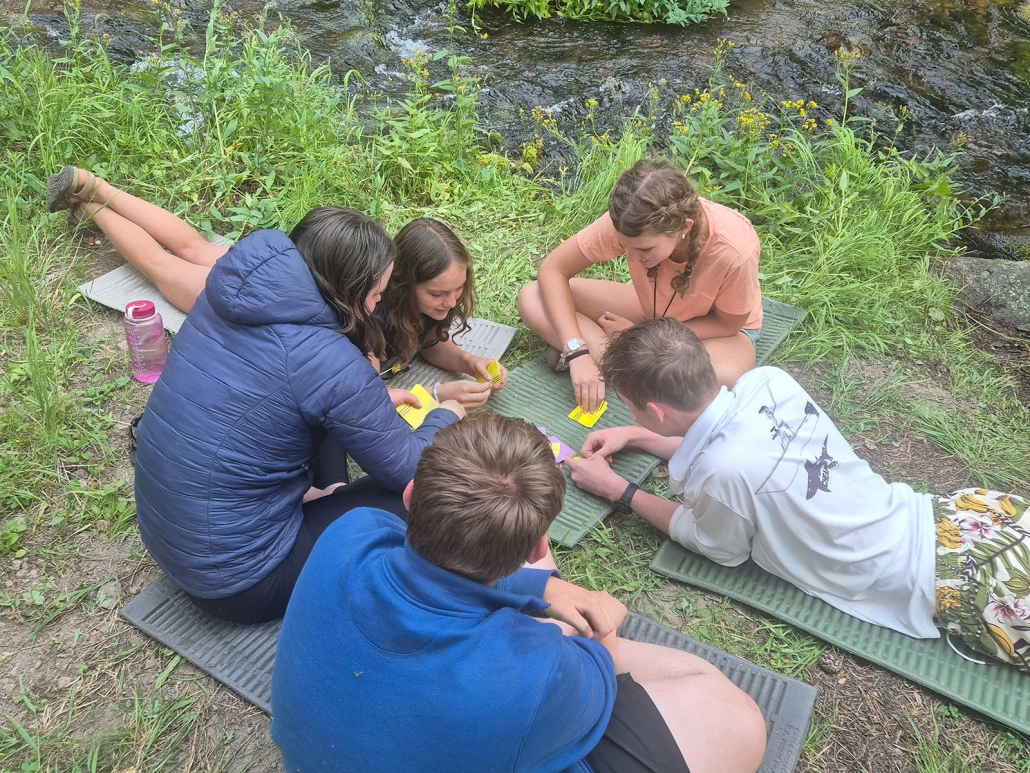

Why We’re Encouraging Teens (and Adults!) to Spend Less Time on Social Media

Written by Amanda Fox, director/owner

I’ve spent the last 13 years encouraging teenagers to put down their phones, get outside, build friendships in real-life communities, and dig a little deeper to discover what they’re capable of. And yet, like so many people, I’ve found myself mindlessly scrolling through Instagram, often without even realizing how much time has passed.

A few years ago, I deleted TikTok. In March 2026, I installed an app that restricts my access to Instagram. I wanted to be more intentional about how I spent my time and break the habit of reaching for my phone whenever I had a spare moment. And obviously I needed the help, hence the app. (ScreenZen, for anyone who’s interested.)

What surprised me was how long it took to actually break the habit. Spoiler alert: It took until now. The rule of thumb is that it takes about 3 weeks to build a new habit, and then about 3 months to make it a permanent lifestyle change. My pull to scroll Instagram took eight months to break.

It’s not because there was something specific I was looking for, but because scrolling had become my default activity whenever I was bored or had a few minutes to fill. And isn’t it most people’s default habit at this point?

These days, I’m back to reading more, doing crossword puzzles, and making a conscious effort to pay attention to what’s happening right in front of me. It might sound like a small shift, but it feels meaningful to me. More important, it’s made me think even more about the relationship we all have with our phones, especially young people. Whenever I visit my elementary- and middle-school-aged nieces—who do not have phones or social media yet—I try to be cognizant of putting my phone down and setting a good example.

If I, as an elder millennial who fully understands the downsides of social media, found it that difficult to change my habits, what does that mean for teenagers who have been inundated with these platforms since birth?

What the research tells us

For years, parents, educators, and mental health professionals have sounded the alarms about the effects of social media on young people. Research increasingly gives us reasons to take those concerns seriously.

In 2023, the U.S. Surgeon General issued an advisory warning that we cannot conclude social media is sufficiently safe for children and adolescents. It highlighted research finding that young people who spend more than three hours a day on social media face approximately twice the risk of mental health problems, including symptoms of depression and anxiety.

A 2024 systematic review examining 182 studies involving more than one million participants found associations between social media use and depression and anxiety. The relationship was particularly concerning when social media use became problematic or difficult to control.

Research has also raised concerns about social media’s effects on sleep, body image, attention, and the decreasing time young people spend engaged in other activities.

I know that not every teenager is influenced by social media the same way, and researchers are still working to understand which types of use are most harmful, who is most vulnerable, and whether social media causes certain problems or simply makes existing ones worse. A 2024 report from the National Academies of Sciences, Engineering, and Medicine emphasized the need to consider both the benefits and harms of social media rather than treating all use as equally harmful.

Social media can also do genuinely good things. It helps young people maintain friendships, find communities, express themselves, and feel connected.

But all of the growing evidence makes me reconsider how we (both the personal me and the Adventure Treks me) are using these platforms.

The concerns go beyond the research

It’s not just parents, educators, and researchers pushing back on social media. The legal system has been scrutinizing how these platforms operate, particularly when it comes to people’s safety, privacy, and features deceptively designed to create scrolling addiction.

In 2026 alone, Meta has faced several significant legal judgments and settlements.

In August, a New Mexico court ordered Meta to pay $942 million and make changes to better protect children on its platforms. That same month, Meta agreed to a settlement worth up to $17.1 billion with multiple states over concerns that its platforms were designed to create addiction and could put kids’ well-being at risk. As part of the proposed agreement, Meta would add stronger protections for teens, including daily time limits and reminders to take breaks.

And just this week! A New Mexico judge ordered Meta to pay $25 billion after a jury found that the company had misled consumers about privacy and other practices. The case was connected to the Cambridge Analytica scandal from 2018—remember that?—in which personal information from millions of Facebook users was obtained without their consent. Meta has said it plans to appeal. Hmm.

What I find especially rich is how so many tech CEOs and founders don’t even allow their own children to use the very devices or social media they helped create. (Like this former Facebook exec: He said, “I think we have created tools that are ripping apart the social fabric of how society works.” Hmm again.)

These cases involve different legal issues, and the outcomes are not all final. But together, they should make us question the responsibilities of companies whose products have become such an ingrained part (and time suck) of our daily lives.

Obviously, I don’t pretend to have all the answers about technology or social media. But I do think as adults, and as someone who works with teenagers, we can set a better example of not constantly using our phones or social media as we preach the same onto our children.

Why am I posting this via Adventure Treks?

At Adventure Treks, we’ve always known that some of life’s most meaningful experiences happen away from screens. Just ask our 90s kids and instructors who didn’t have cell phones (and had to find pay phones on trip just to check in with the office!).

Every summer, we watch teenagers form friendships without relying on group chats, build confidence by trying something new or challenging, and discover how good and fulfilling it feels to be fully immersed in an experience with real people.

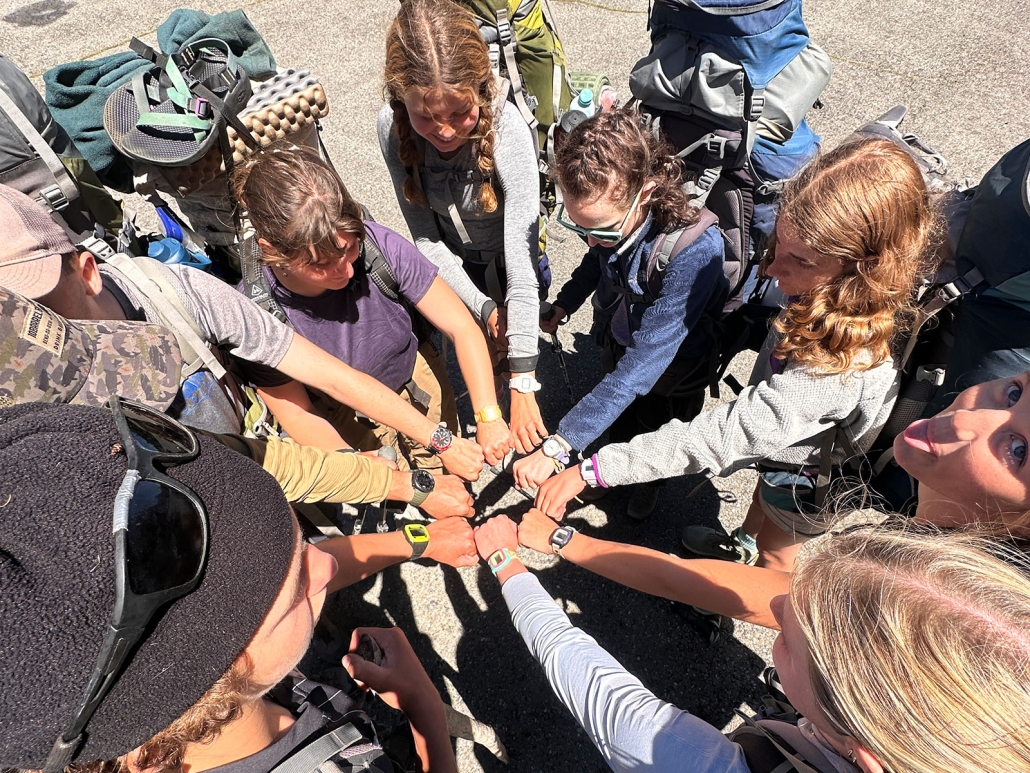
What I love about Adventure Treks is that most of it cannot be recreated online. We laugh until our stomachs hurt. We encourage each other through challenging moments. We notice things we might otherwise miss. We learn that we can be interesting, capable, funny, adventurous people without needing to document every moment.

And we have so. much. fun! 

And recently, I’ve been thinking about a contradiction in our own approach to social media. We’re an organization dedicated to helping young people unplug, with a fully tech-free policy. Yet we’ve also been regularly creating content for platforms that encourage people to spend more time looking at their phones.

Of course, we’re a business, too. Social media helps new families discover Adventure Treks, gives us a way to share what makes our programs special, and allows our alumni, students, instructors, and parents to stay connected. I won’t deny the value in that.

I recently posted a job description looking for a social media coordinator. And that bee buzzing in my bonnet got louder as I kept coming back to one question: If our mission is to help young people spend more time engaged in the real world, should we really be trying to capture more of their attention online? No, I don’t think we should. (Which is why I actually hired someone for general marketing purposes, instead of just social media.)

A more intentional approach

That’s why we’re making a change to how Adventure Treks uses social media. We’re going to post less often, and we’re going to be more thoughtful about what we share. We’ll still have an active social media presence that celebrates our students, shares our  stories, stays connected with the community, and introduces new families to AT life.

We simply want to be more intentional about contributing something positive when we do show up. We want our content to lift people up, bring people together, celebrate genuine friendships, and inspire people to get outside and try something new.

We’re less interested in posting daily just to stay visible or satisfy an algorithm or chase a trend (though I’ll admit, those can be fun, so you might still see some of those). What it all comes down to: I don’t want Adventure Treks to be the reason someone keeps scrolling.

This isn’t a judgment of other organizations, families, or individuals who use social media differently. I understand firsthand how easy it is to get pulled in, and I’m still figuring out how a healthy dose of Insta reels fits into my life. Social media is a tool, and I believe we can use it in ways that genuinely serve our community.

We just want to be more thoughtful about when, why, and how we use it.

Can we make room for more real life?

Something Instagram has reminded me is how easily I can fill every quiet moment with something entertaining. Waiting in line at the doctor? On my phone. Sitting on the couch watching Great British Bakeoff? On my phone. Taking a walk outside? My phone is in my pocket, just in case.

Since March, I’ve really begun to appreciate being off social media much more. At first, I did wonder if I’d feel left out, or what I’d miss. But it just meant I got back into reading, one of my favorite childhood hobbies. I’ve done every single New York Times Sunday through Wednesday crossword, all the way back to March 2023. (I’ll get to Saturdays eventually.) I schedule walks on the Ecusta Trail with friends at least once a week. My husband and I put our phones down in the evenings before bed to play with the dogs or just talk about life.

I mean, none of those things is particularly extraordinary. But my point is that not every moment needs to be filled or entertaining. And that’s something I want for our students, for my own life, and for the Adventure Treks community at large.

So I’m making a small decision that hopefully even more meaningfully reflects our values. And if we can remind even one teenager to put down their phone and walk outside untethered, I feel really good about that.