
What Happens When Our Kids Stop Needing Each Other?

Written by Dave McGlashan, director/owner

What happens when a teenager can find a friend who never disagrees with them, never rejects them, never gets frustrated, and is available to chat 24 hours a day? And what happens if that friend isn’t actually a person?

This week, I came across a University of North Carolina study involving more than 2,300 middle school students; it found that roughly one in five 6th, 7th, and 8th graders reported using AI for emotionally intimate companionship. Researchers also found that some students actually preferred interacting with a chatbot over another person—AND that using AI for companionship was actually associated with greater feelings of loneliness over time.

Let’s think about that for a moment. We’re talking about kids in the throes of puberty who are just now beginning to figure out friendships, relationships, and who they are in this world.

Sure, AI companions offer something that real friendships can’t: A relationship created entirely around the user’s terms. AI can be endlessly available, agreeable, and responsive. They’ll tell you what you want to hear. There’s really no risk of embarrassment, rejection, or disagreement. For a young person who is lonely or insecure or struggling socially, I’m sure we can understand or at least sympathize with the appeal.

But obviously I worry about what happens when this “easier option” begins replacing the real-life experiences kids need in order to grow into happy, healthy, well-adjusted adults.
The importance of uncomfortable moments

Adults and parents in the room: Let’s take a beat and think back to our own adolescence. Some of the most important lessons you learned about people and life in general probably came from experiences that weren’t particularly comfortable at the time.

What comes up for me: Working up the courage to ask out a girl and getting rejected. Having a falling out with one friend because another friend made a bad decision that affected our whole social circle.

Of course, these moments are awkward, frustrating, and sometimes painful. But they’re also part of learning how to be human—and more important, learning how to be resilient and bounce back after a letdown or “failure.”

We learn empathy by recognizing that other people have different feelings and perspectives from our own. We learn compromise when working alongside others and embracing or conceding to another’s idea. We build resilience when things don’t work out how we’d hoped, and then confidence when we realize that we can actually handle more than we thought. And we build meaningful relationships by actually being in them—with other humans.

If kids are turning to AI chatbots—instead of real people—for companionship, they may miss important opportunities to practice these crucial interpersonal skills. When AI becomes a substitute for human connection, we have a real reason to be very concerned.

I am still optimistic!

I’m not a Luddite, and I don’t think we should keep our kids from learning about AI and its use and impact on the world. With all the downsides to AI and data centers, there are upsides! For example, AI is helping researchers tackle complicated scientific issues and making information more accessible. And we’re beginning to see growing recognition that this technology needs more boundaries, especially where children are involved.

In October, New York passed legislation restricting dangerous features in AI companions used by minors (like those designed to encourage emotional dependency and interactions that promote self-harm).

And across the country, schools are updating their cell phone policies in schools; according to the Education Commission of the States, at least 40 states have enacted policies addressing cellphone use in schools since 2023.

This is encouraging, but laws, schools, and “safeguards” within the tech itself can only do so much. We also need to think about what we’re giving our kids more of, since we are now trying to limit and take away what they’ve already been using.

Much of our philosophy is grounded in this question:

What skills do young people need to learn in order to be successful young adults in an ever-changing future landscape? We’ve been asking ourselves this since the 90s and have worked hard to give Adventure Treks students an outdoor adventure that’s as fun as it is substantive and meaningful and lasting.

With how quickly the world is evolving, we don’t know exactly what jobs will exist 20 years from now, what technology will be capable of, or how our lives will be shaped by AI. But like Partnership for 21st Century Skills did in the early 2000s, today’s researchers, educators, and employers are still asking that question.

The World Economic Forum’s 2025 Future of Jobs Report surveyed more than 1,000 employers representing more than 14 million employees. The report found the following skills were most important (and we can infer most desired) skills in the workplace:

  1. Critical thinking
  2. Resilience and flexibility
  3. Leadership and social influence
  4. Creative thinking
  5. Motivation and self-awareness
  6. Technological literacy
  7. Empathy and active listening
  8. Curiosity and lifelong learning

Need more proof? The Organization for Economic Cooperation and Development Learning Compass 2030 also emphasizes adaptability, collaboration, critical thinking, and the ability to navigate unfamiliar situations.

Let’s compare that to Adventure Treks’ Great 8 Outcomes:

  1. Communication
  2. Collaboration and social achievement
  3. Creativity
  4. Critical thinking
  5. Leadership
  6. Self-management
  7. Resilience
  8. Optimism

The takeaway? The world will continue to evolve, but the ability to adapt, work with others, solve problems, and recover from setbacks are the skills young people need to succeed in their future .

Back to AI and companionship and real-world interactions

You develop the skills above through real-world experiences, especially when other people are involved. Resilience and confidence, in particular, aren’t “fixed” traits. They’re built and strengthened when we:

  1. Face and overcome manageable challenges and make mistakes (without parents stepping in and “saving” us)
  2. Have opportunities to build coping skills
  3. And realize that failure isn’t the end of the world

… All while surrounded by healthy, supportive, real-life relationships!

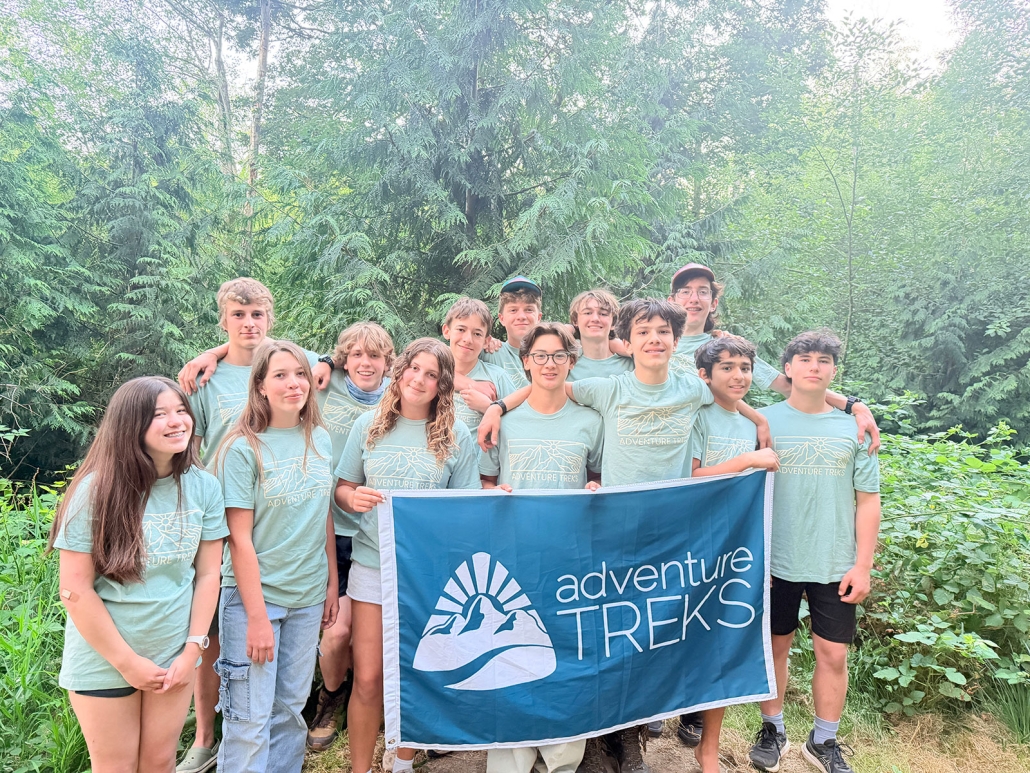
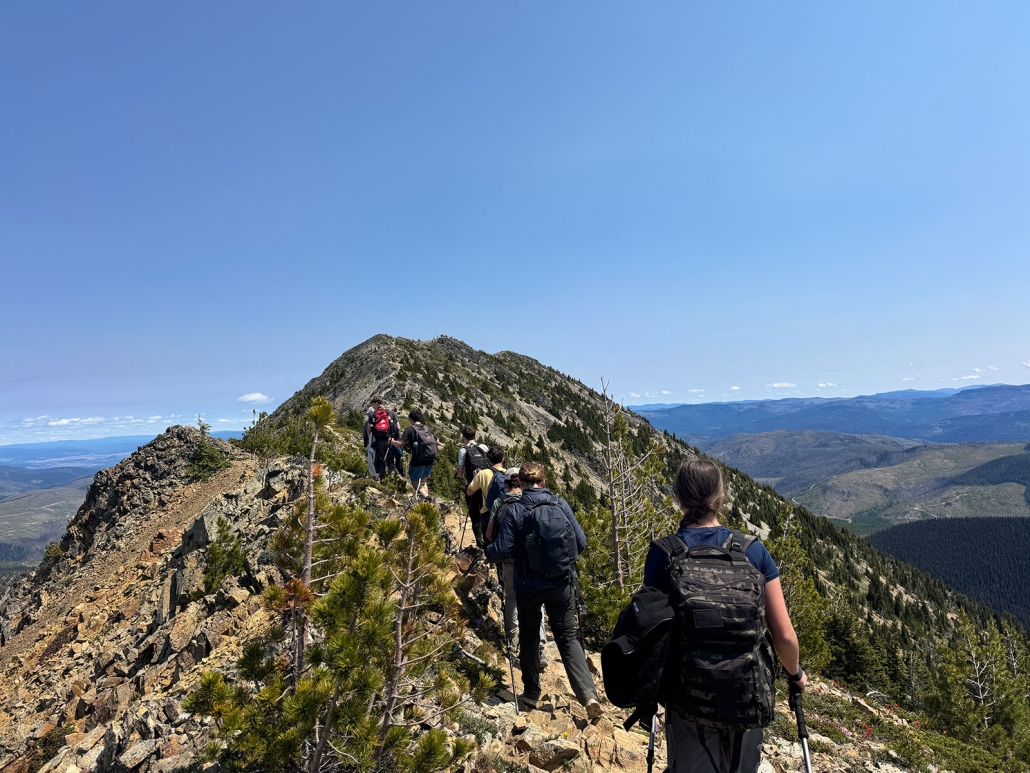
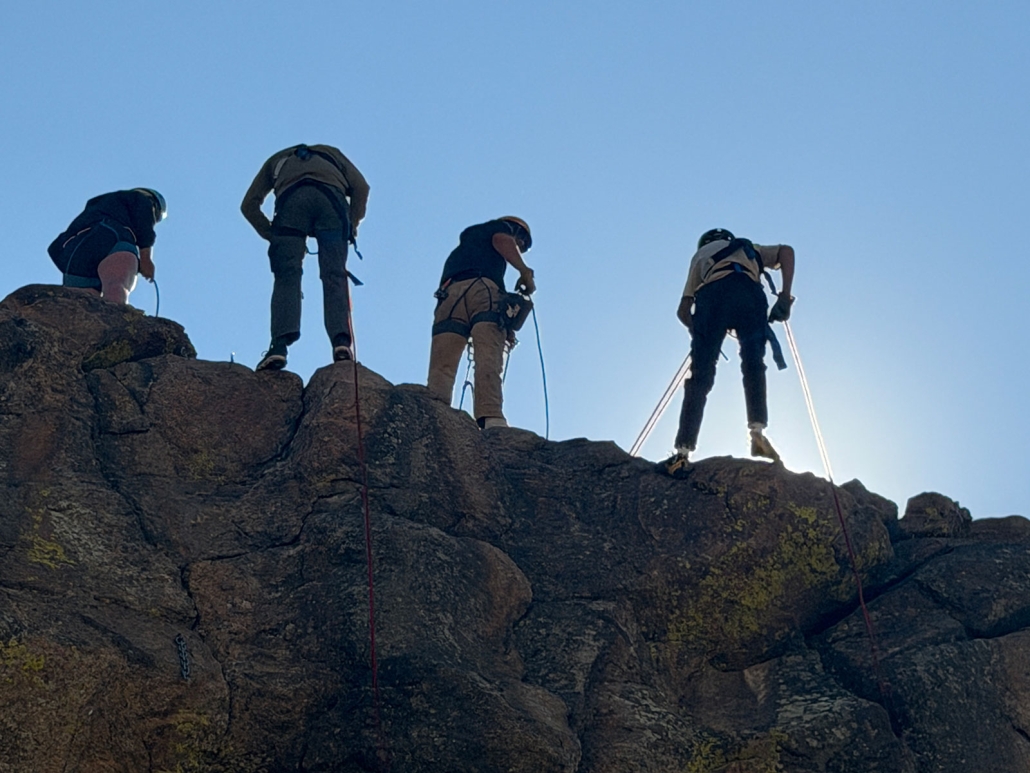
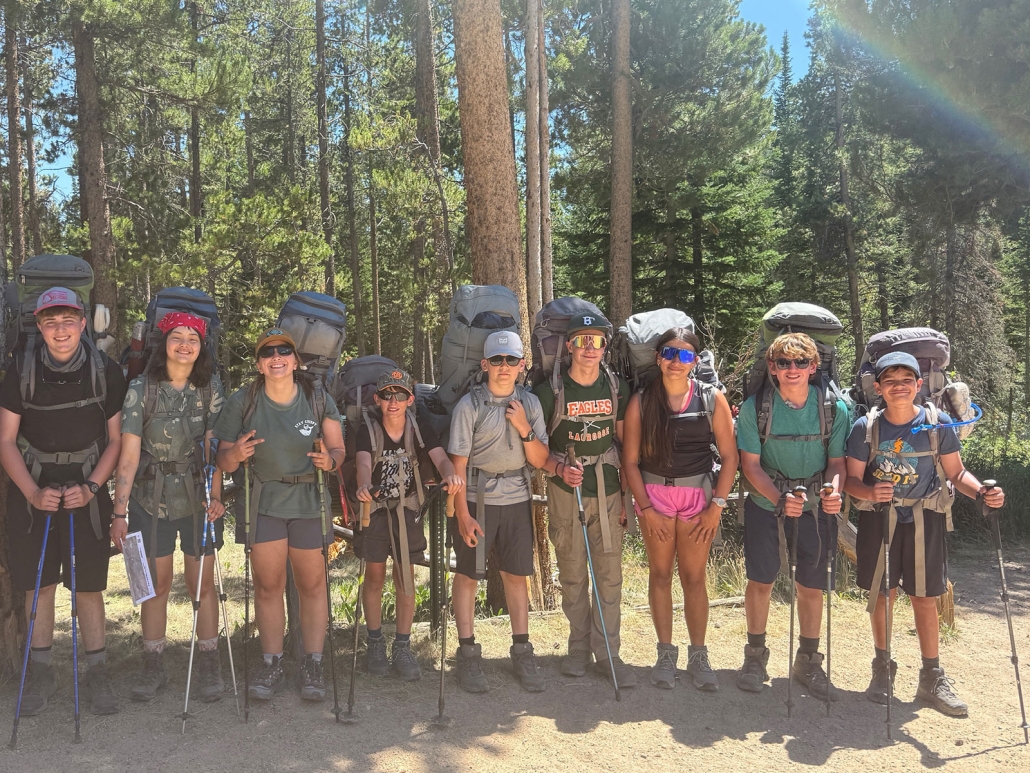
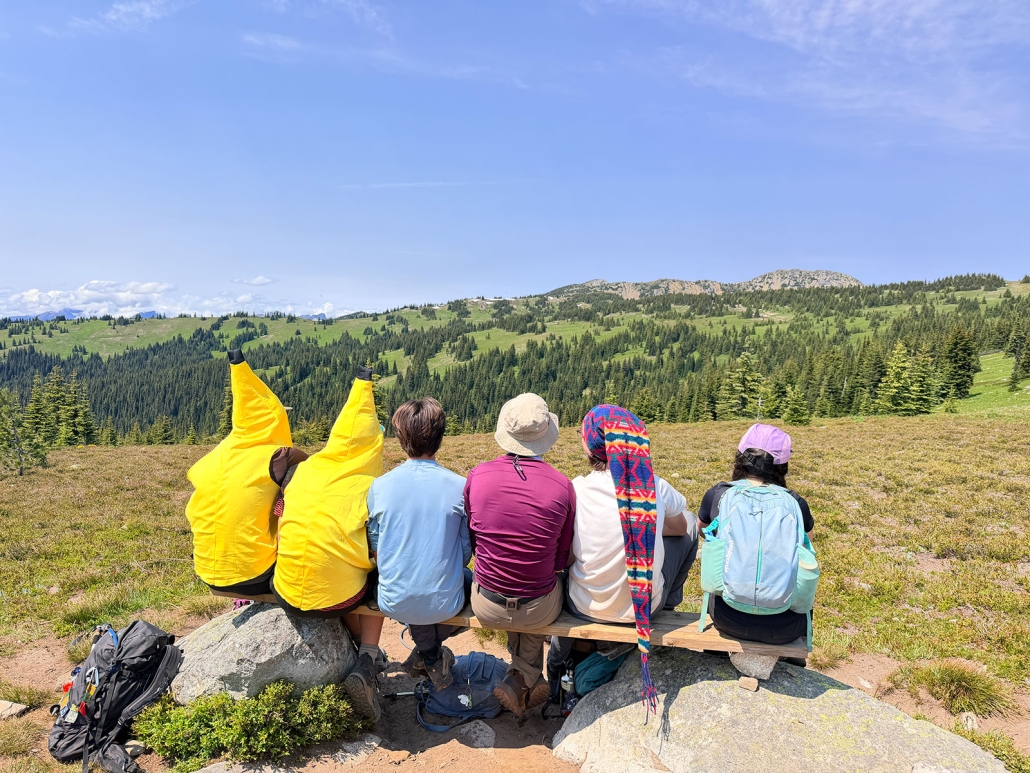
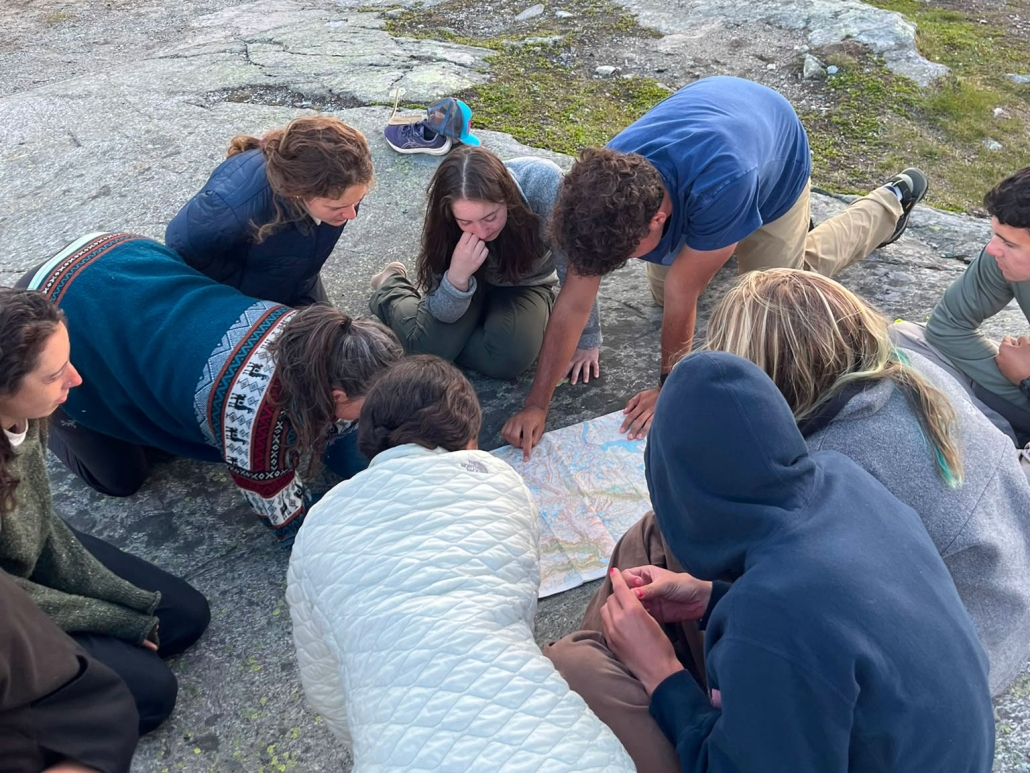
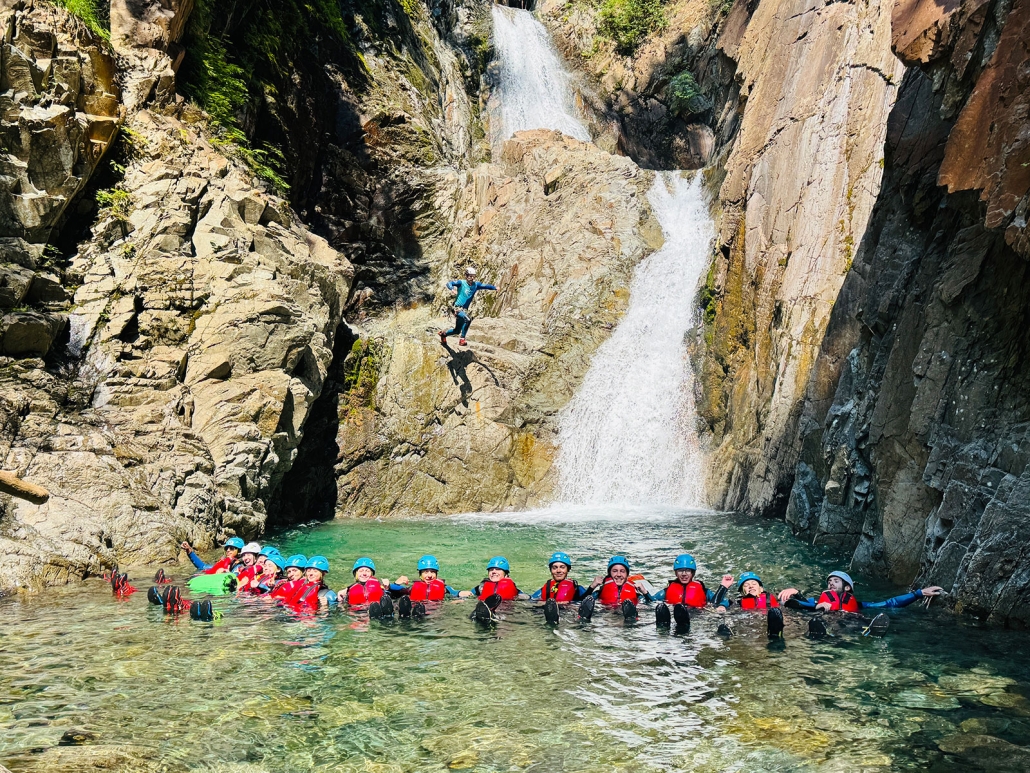
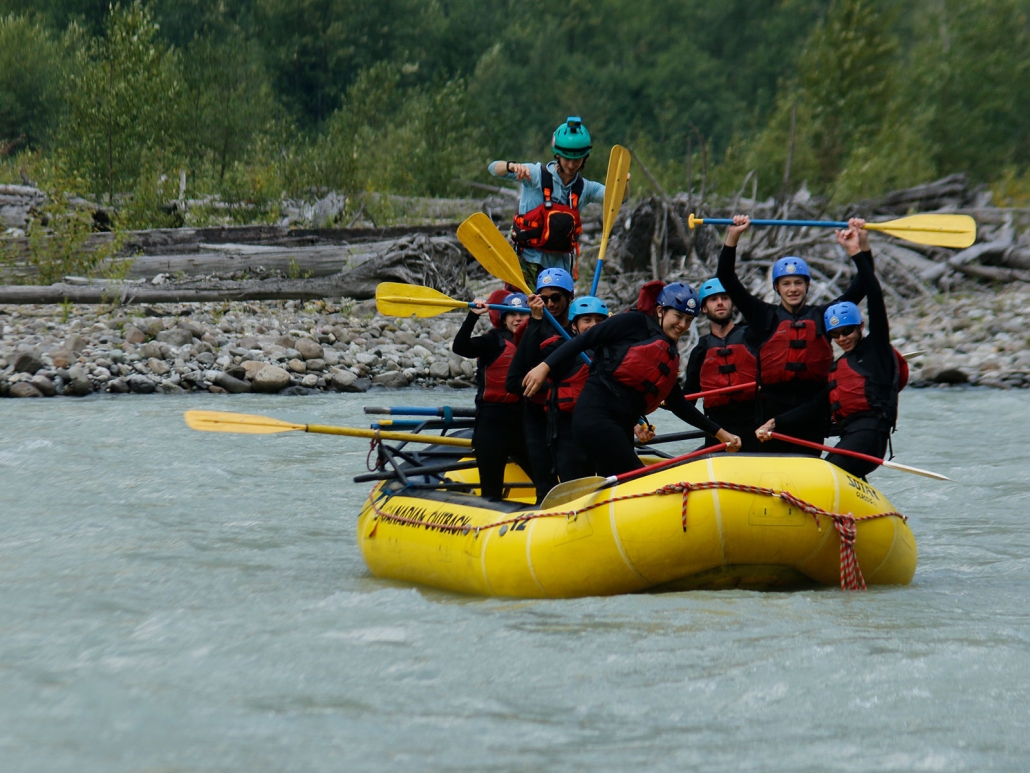
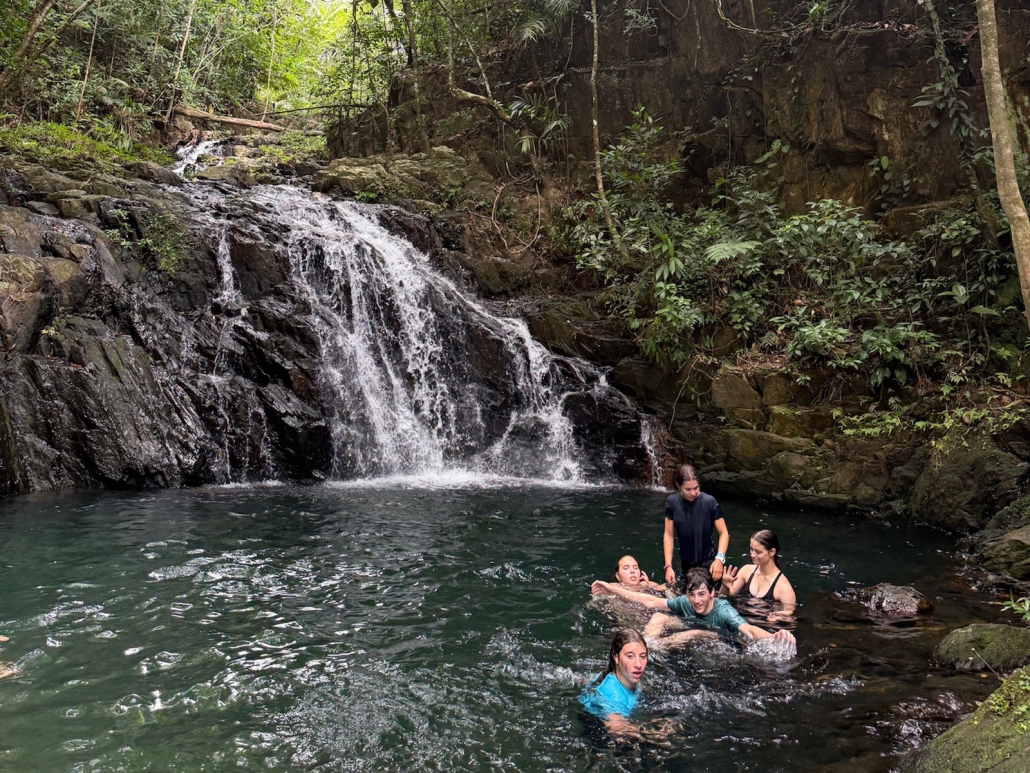
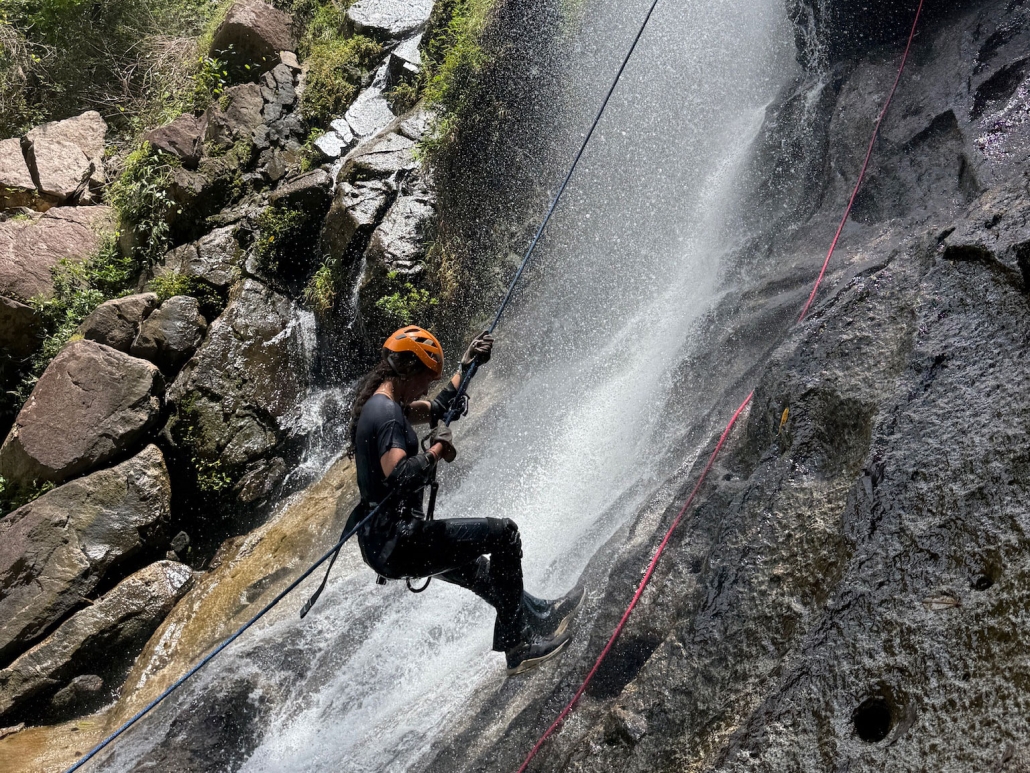
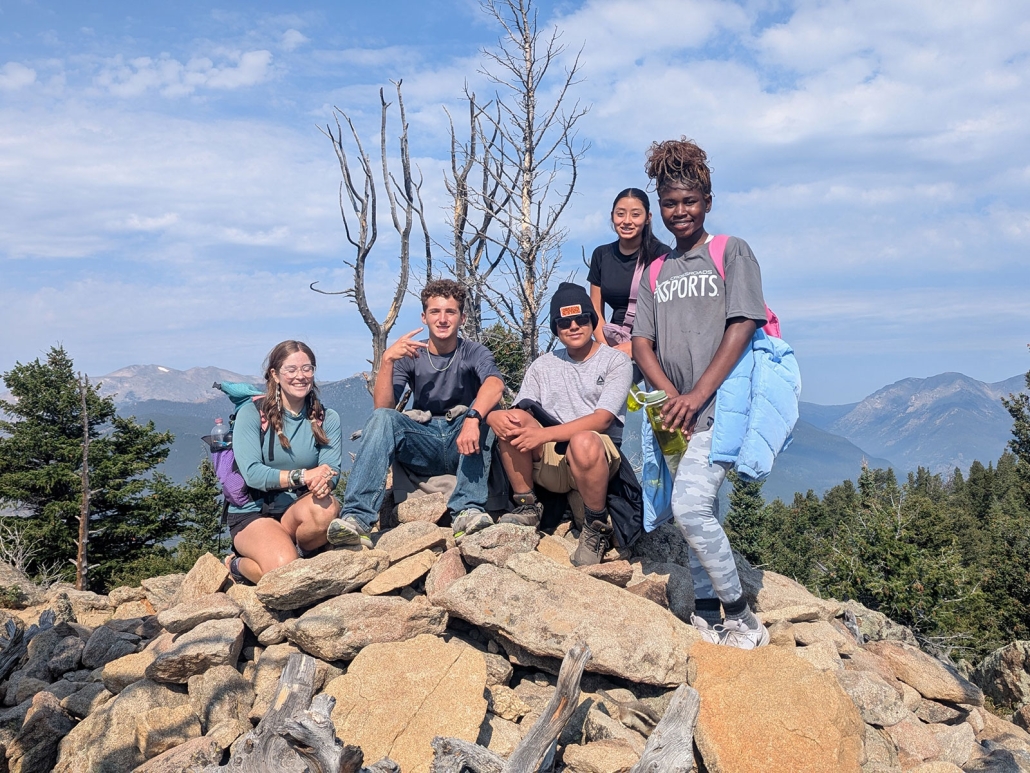
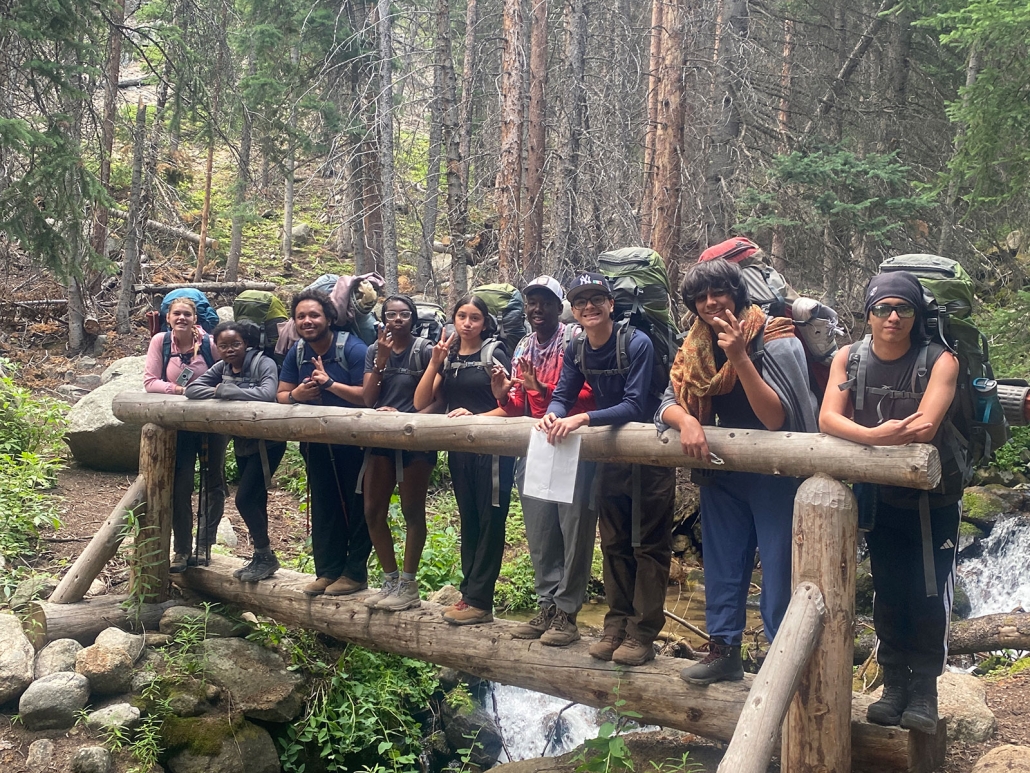
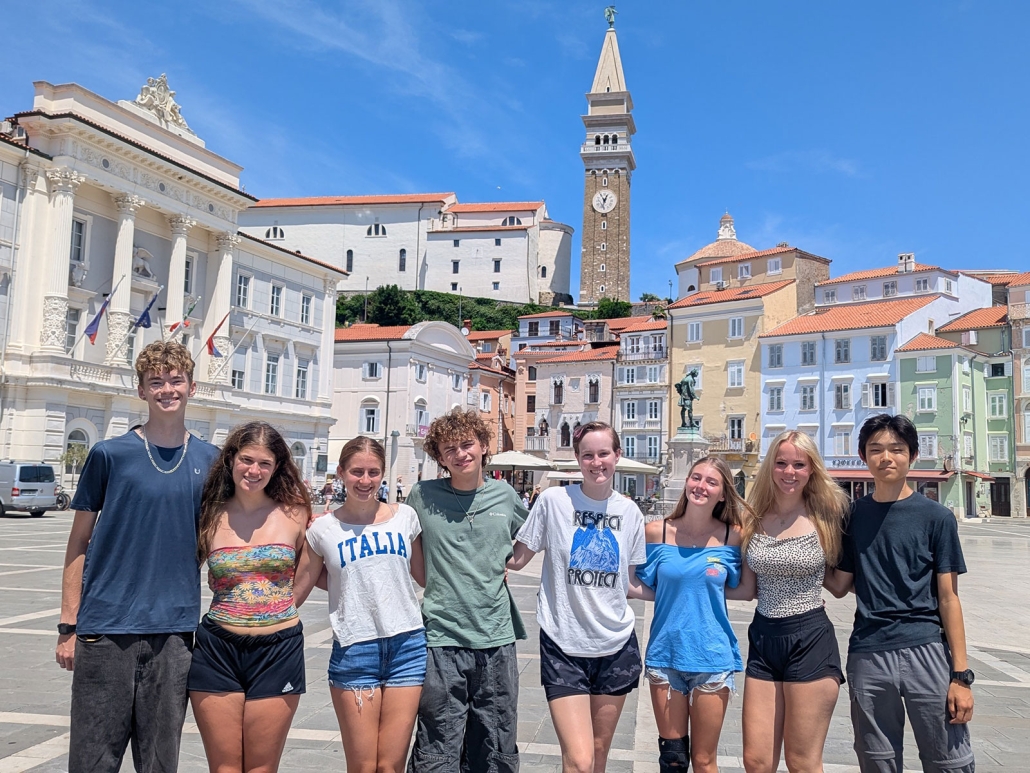
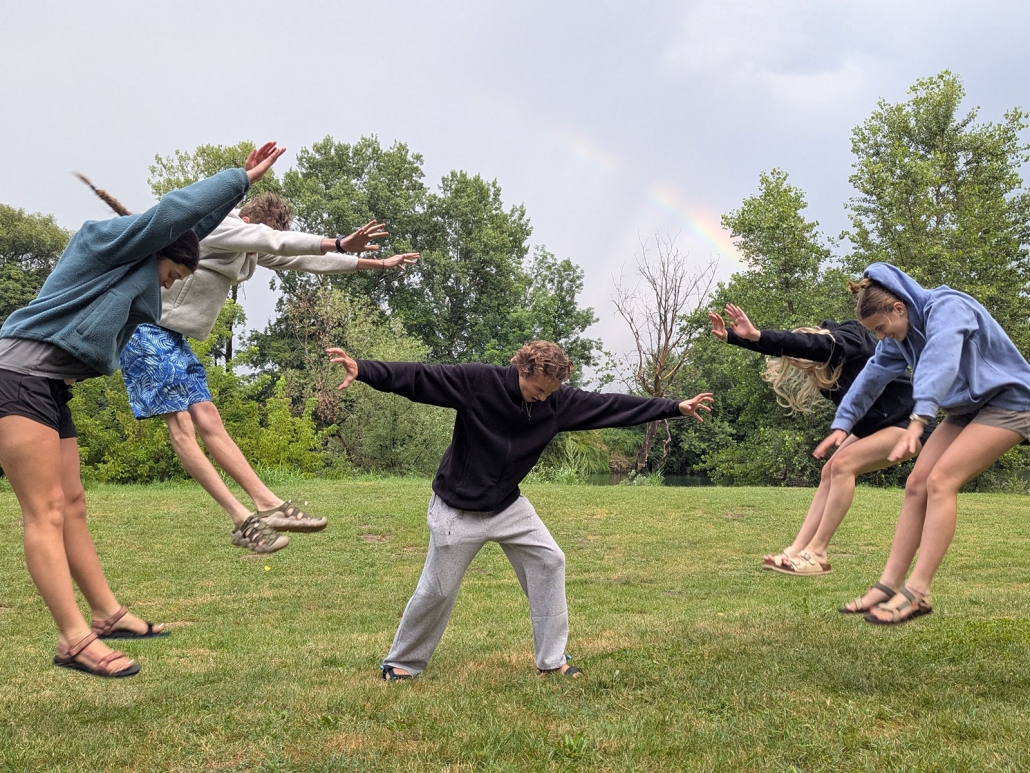
At Adventure Treks, we spend our summers watching teenagers navigate exactly these kinds of experiences. Students arrive on the first day not knowing anyone, and they’re nervous about making friends, fitting in, keeping up, and being uncomfortable. During their few weeks with us, they have to figure things out while sharing tents, cooking meals, hiking challenging terrain, and perhaps enduring some rainy weather. Sometimes they disagree with each other, get frustrated, and have to apologize to each other. Sometimes someone has to step outside their comfort zone or preconceived notions to include another person.

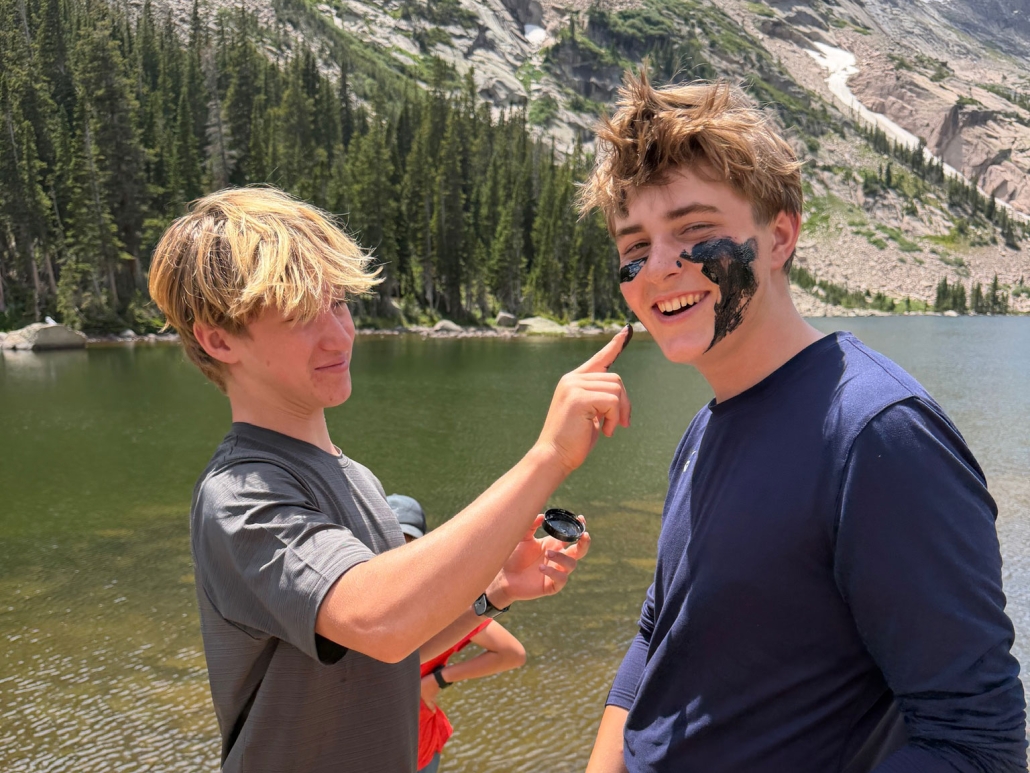
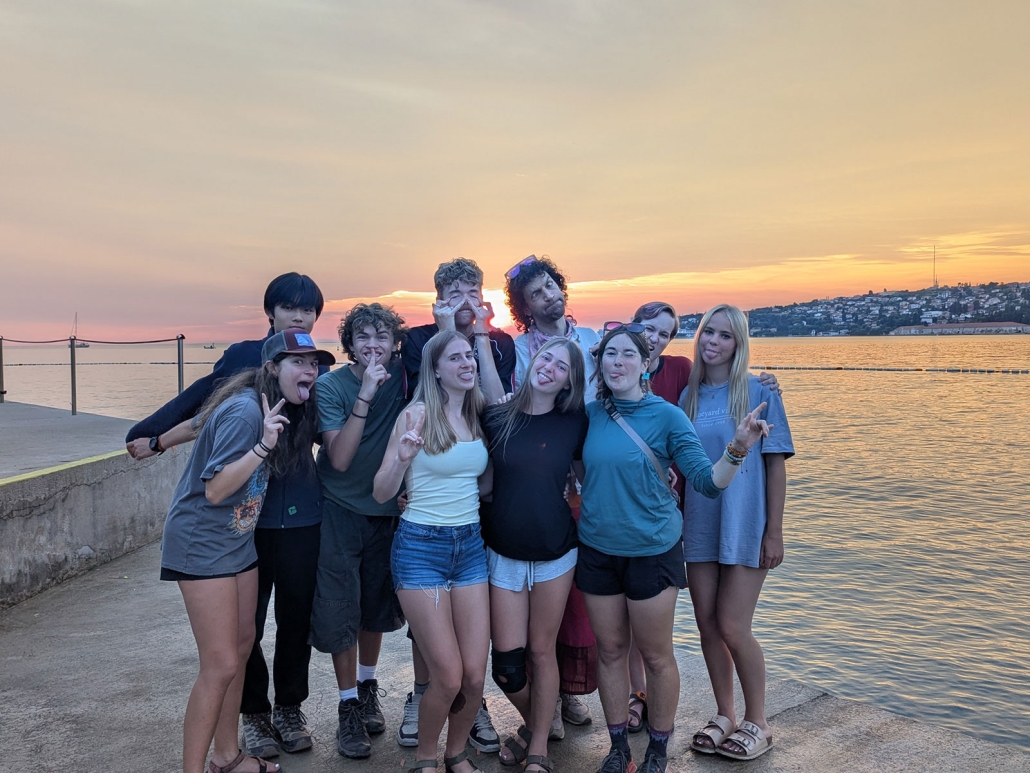
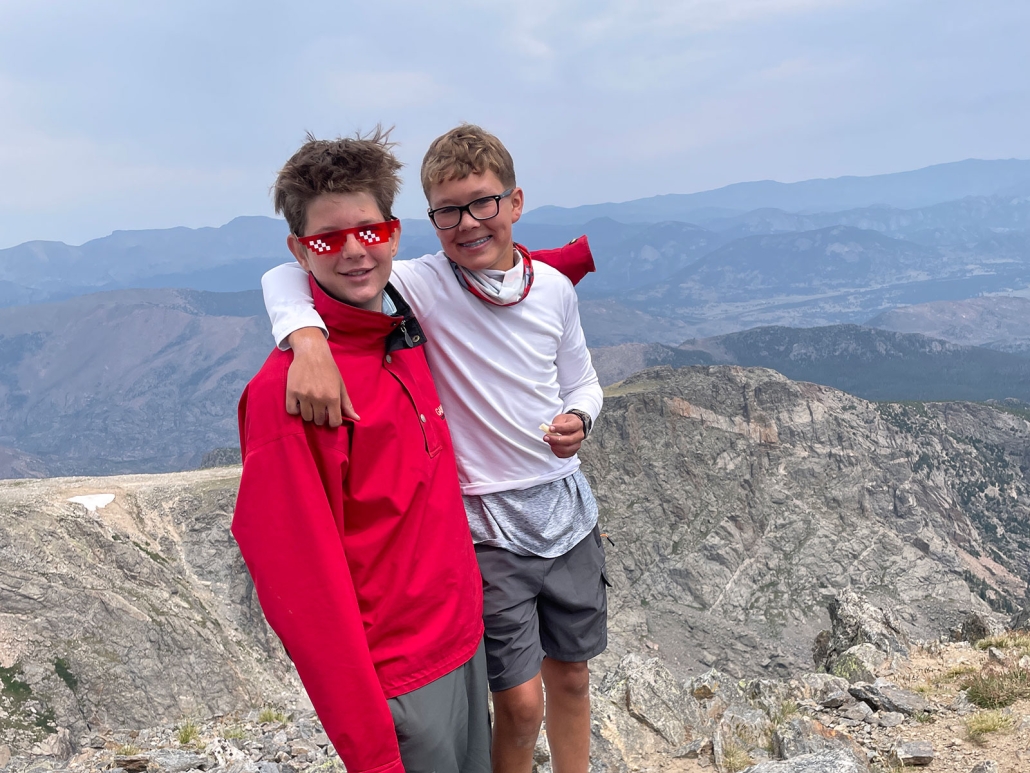
Our students also laugh a ton, encourage each other through difficult moments, and form deep friendships with people they wouldn’t have met otherwise.

And this is where we see that growth, that confidence and independence and resilience and realization that they can do hard things.

None of this happens because someone gave a lecture about empathy, or because AI explained what it means.

It happens because our students are living, working, and figuring things out together in a healthy, supportive dynamic.

We all still need each other

Simon Sinek has talked about how optimism isn’t just about believing everything is great, but rather about believing that things can get better. And that’s how I feel about the future.

I do think AI can help solve problems that were once thought impossible. I believe our kids will use it in ways we can’t yet imagine, and I think we can balance these possibilities while not losing sight of our humanity.

I hope schools continue creating opportunities for students to connect and collaborate without screens. I hope families continue to talk about what a healthy relationship with AI looks like (or doesn’t). I hope we keep giving kids the opportunity to take healthy risks and the freedom to work through uncomfortable moments—without an immediate parental or technological intervention.

I hope we can keep recognizing that sometimes the best thing we can do for our kids is let them figure things out among themselves. These friendships, disagreements, disappointments, and shared successes help shape kids into the adults they’ll become.

Yes, we probably still need to know how to use AI. But we also need to know how to be human. Adventure Treks is here to help with the latter!