
Adventure Camp vs Traditional Summer Camp: What’s Right for Teens as They Grow?

As the new year kicks off, it’s the perfect time for you and your teenager to start planning their next big summer adventure! If your teen is entering a critical transition point in early adolescence, or they’ve previously attended a traditional summer camp and are looking for something new in 2026, then you’re in luck!

Below, we answer five common questions that explore why adventure camp is a great next step for teenagers’ growth and ambition. We’ve also included some recommended reading with research on adolescence development!

Research consistently shows that early adolescence (roughly ages 13–15) is a period of rapid growth in identity formation, autonomy-seeking, and peer influence—making it an especially powerful window for experiences that offer real responsibility and meaningful challenge.

Recommended reading:

What’s the difference between adventure camp and traditional summer camp?

Most people are familiar with traditional summer camps, which operate in the same location year-to-year and where you’ll find cabins, a dining hall, swimming lake, sports fields, and other activity outposts. Many traditional summer camps are based in nature and offer opportunities for younger kids to grow in a supported way outside the home and away from parents; sometimes they also have a specialized focus like art or science.

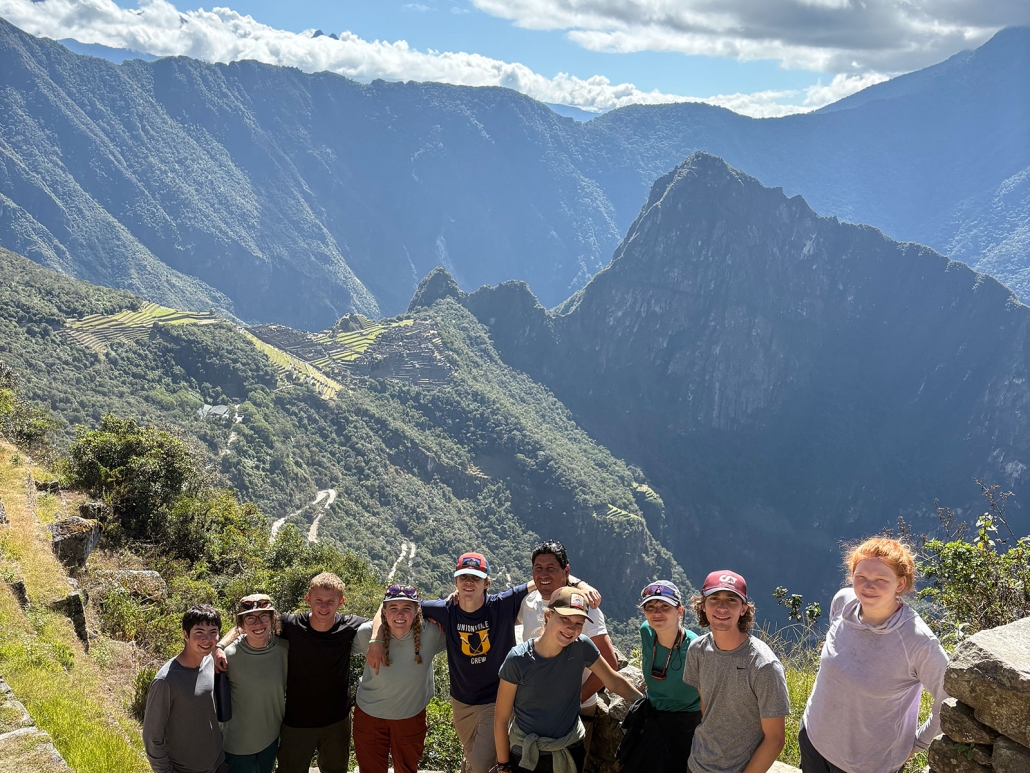
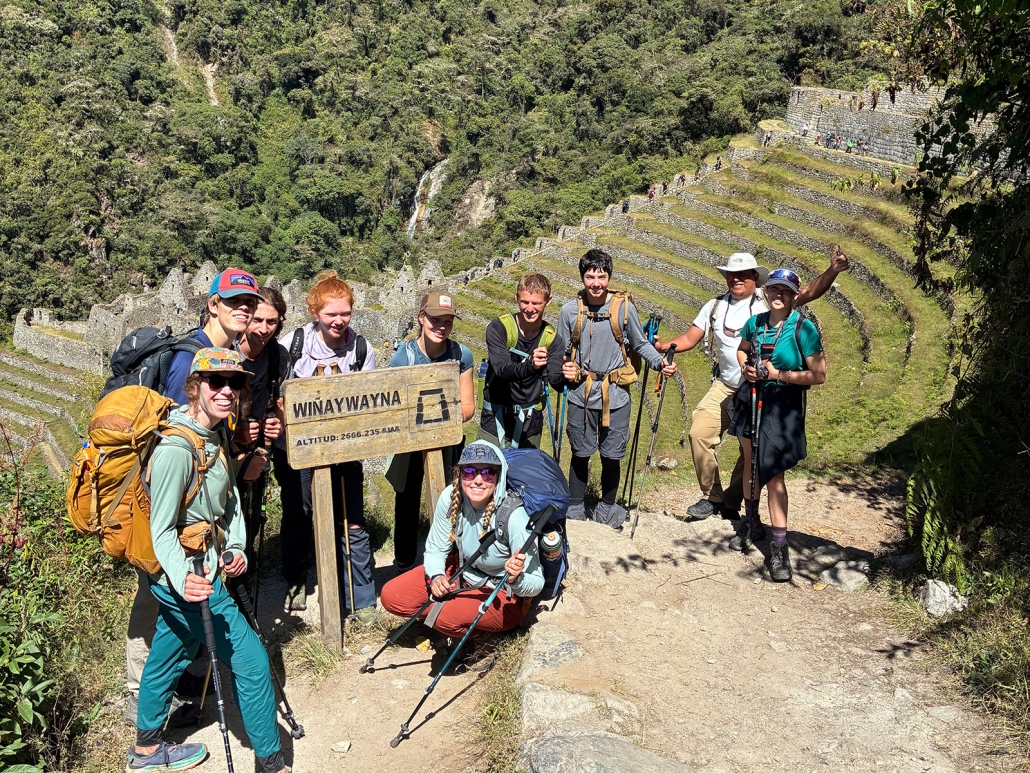
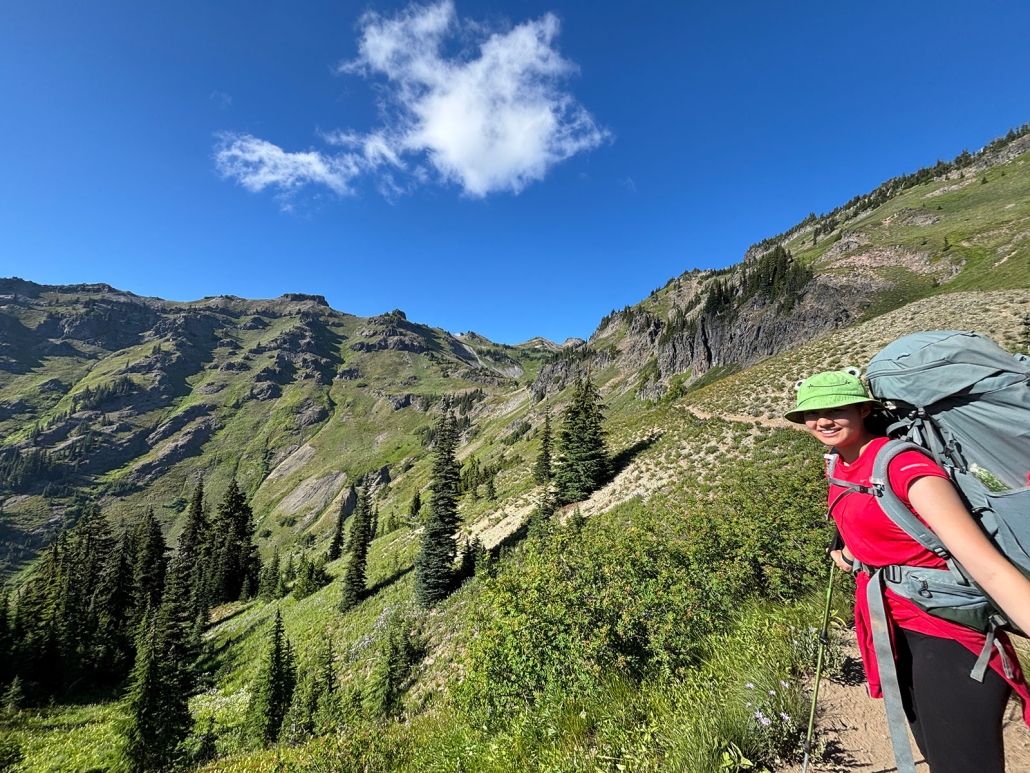
Teen-specific programs like Adventure Treks are designed to bring the core elements of a traditional summer camp to the next level. One of the most obvious differences is the travel component: Rather than remaining at the same campus for a few weeks, we travel to many locations for new experiences, opportunities, and challenges for students.

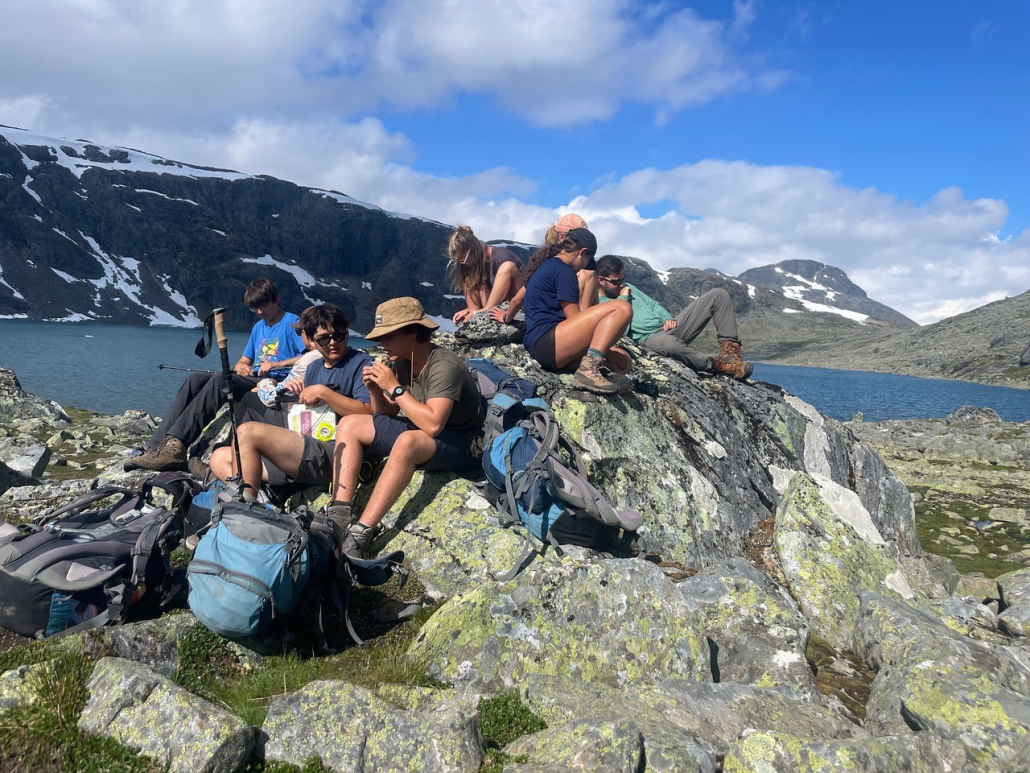
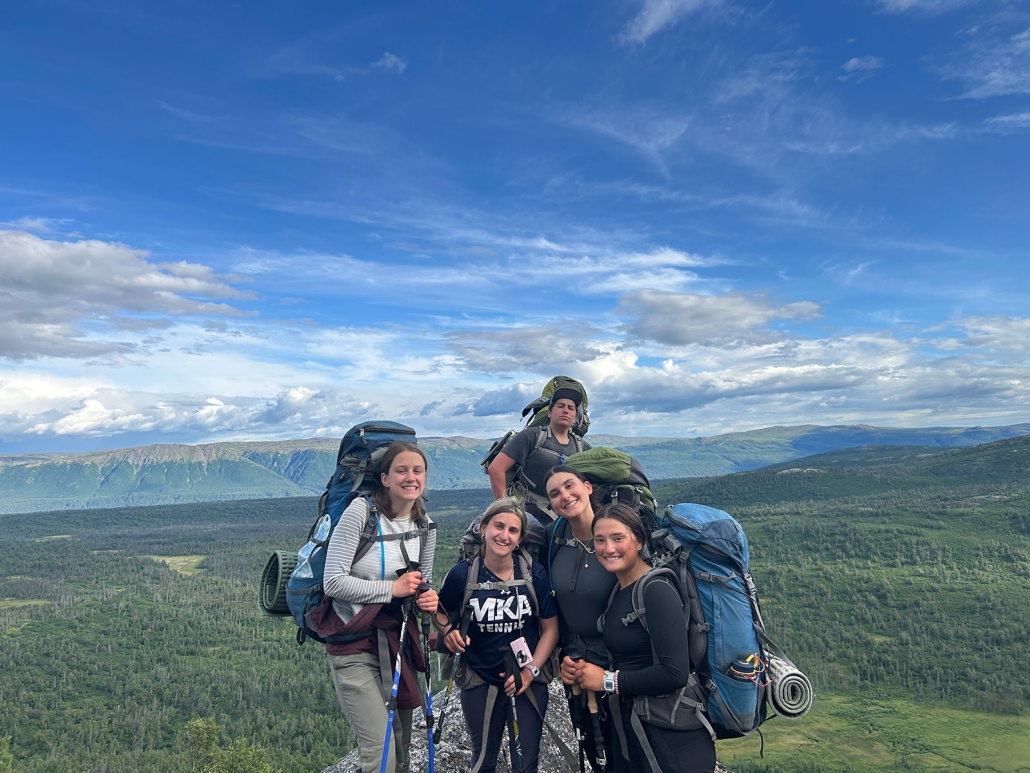
Students also become much more immersed in nature by camping in tents and enjoying nearly all activities outdoors, including meals. At Adventure Treks, each trip emphasizes safety, community, and fun along with character growth and leadership development. Our programs start at 10 days and go up to 30, allowing time for students to really flourish.

This shift—from a familiar, static environment to a dynamic, travel-based experience—mirrors what psychologists describe as adolescents’ growing need for novelty, autonomy, and real-world problem-solving, all of which keep them motivated and engaged during the teen years.

Recommended reading:

What’s the maximum age for traditional summer camp vs adventure camp?

There’s no one answer for this, but general trends do exist in regard to the “cut-off” age for different camp options. Traditional summer camps may accept students younger than first grade and extend all the way through high school. Adventure camps typically skew older: for example, at Adventure Treks our youngest Discovery trips are open for students in 6th grade, while our oldest Leadership Summit students are seniors in high school (or already have one year of college/gap year). At a traditional summer camp, it is not uncommon for the cut-off to be between 9th–11th grades, especially if there are pushes for kids to become “junior counselors” or “counselors in training” beyond that point.

Is 15 too old for traditional summer camp? We believe that age 13 is the perfect time for parents and teens to have a conversation regarding what they really want out of their traditional summer camp experience. If your teen is ready for more challenge, exploration, and adventure (instead of the “rinse and repeat” model), then it may be time to transition into a travel- and adventure-based program!

Developmental research suggests that around this age, teens benefit most from environments that offer increasing independence while still providing structure and support—conditions that help build confidence, decision-making skills, and resilience.

Recommended reading:

What will my teen experience at adventure camp?

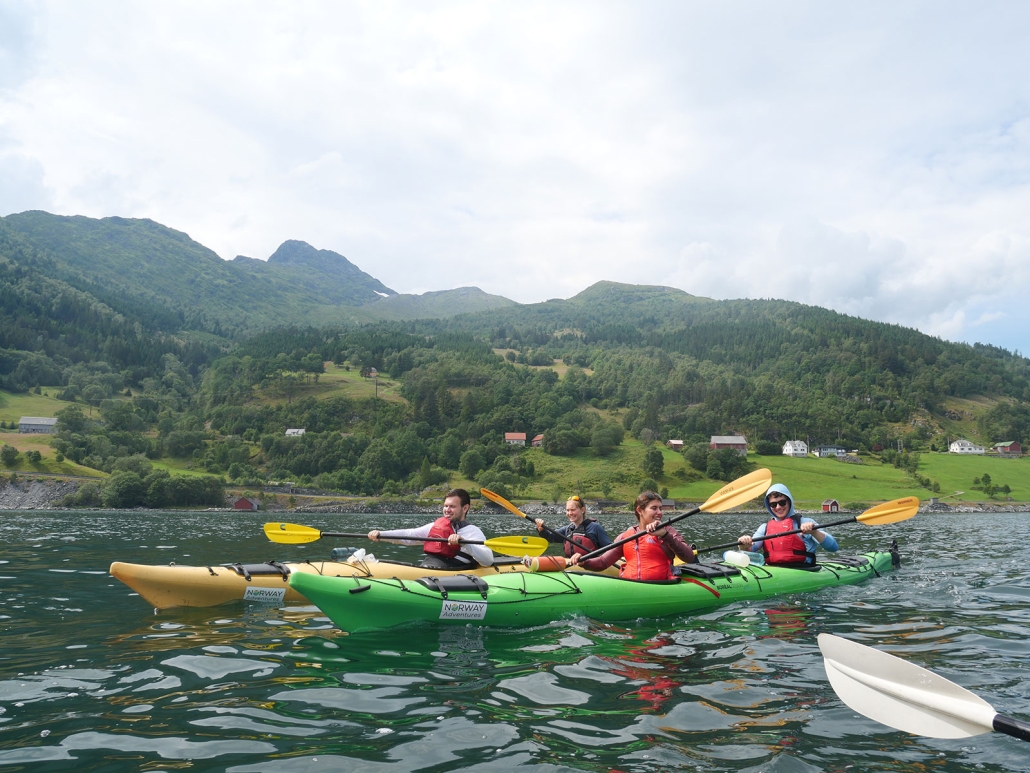
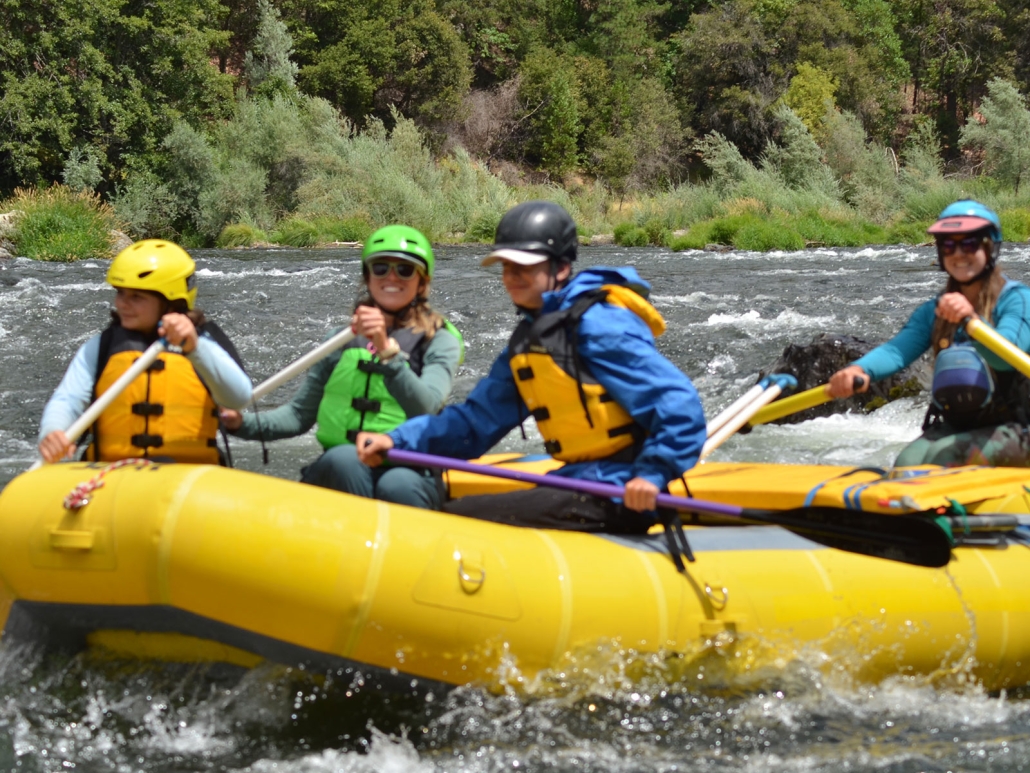
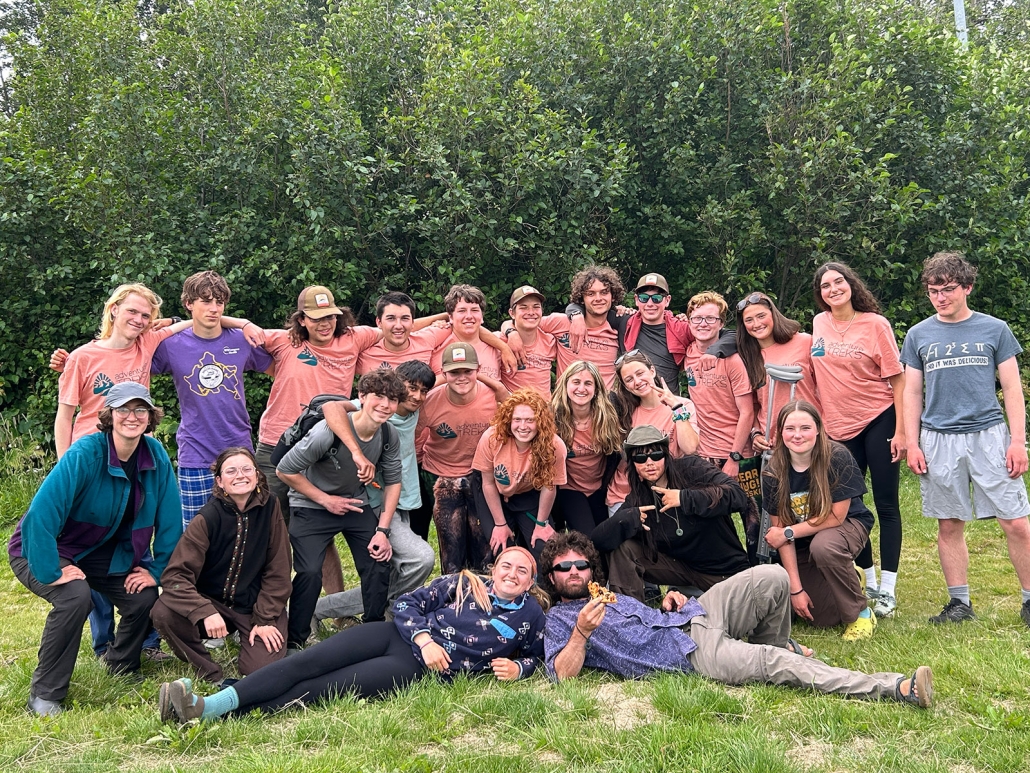
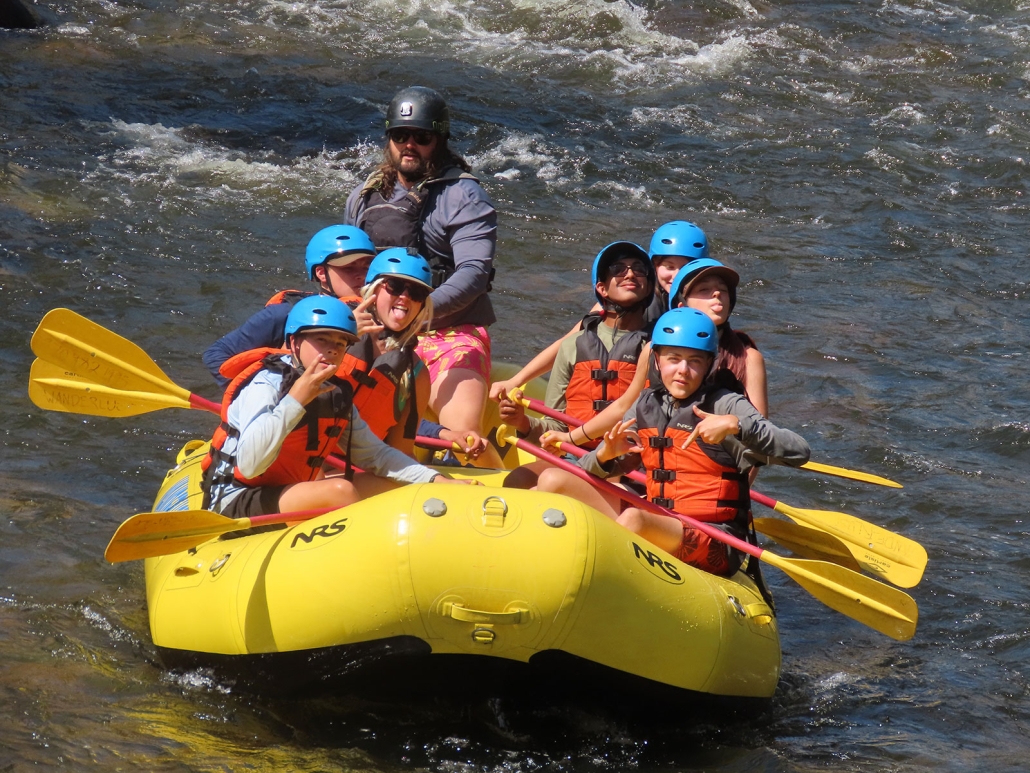
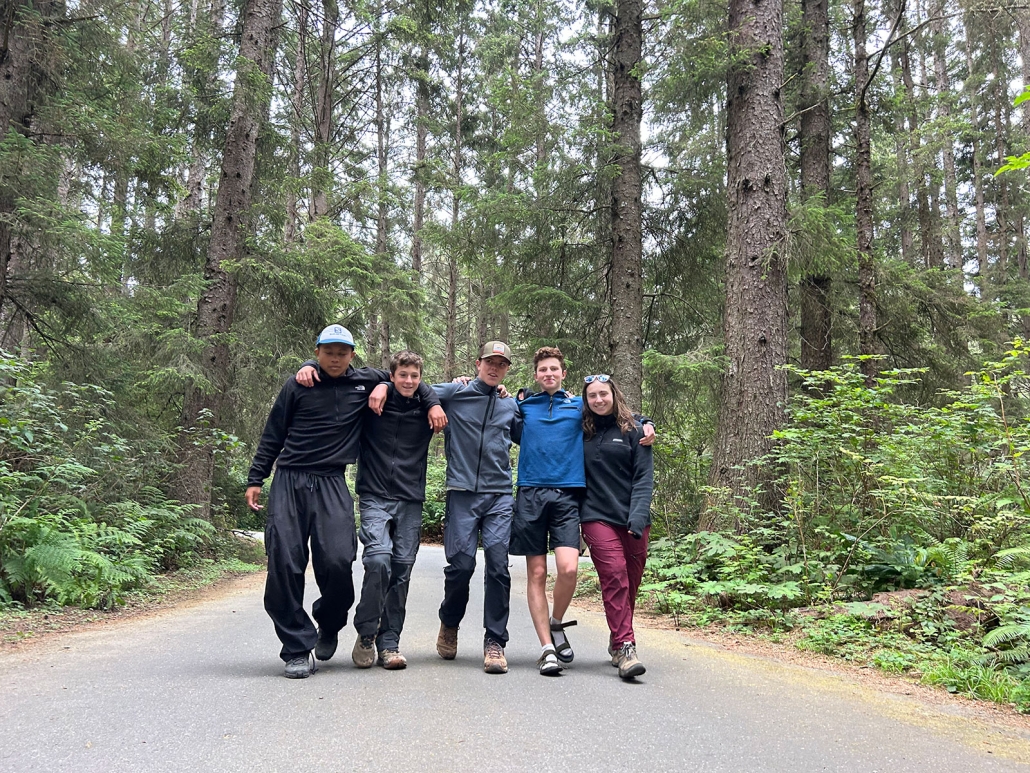
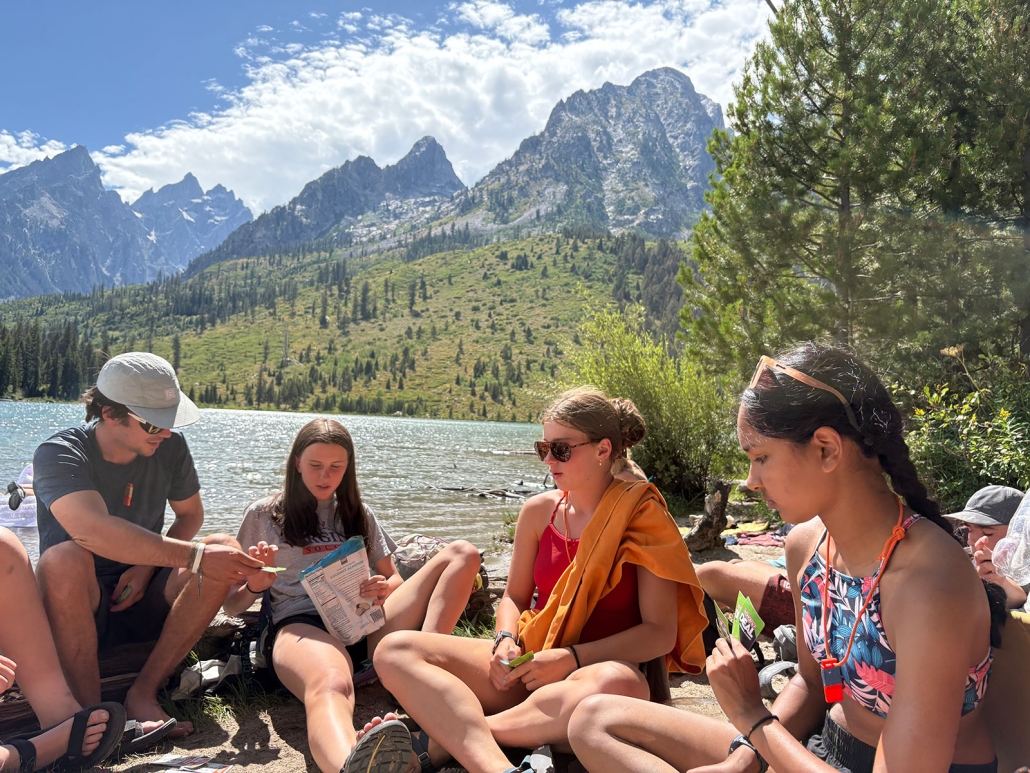
Whooshing down whitewater rapids in a raft… putting intense effort and pizazz into a backcountry cooking competition… waking up at 2 am to reach a mountain summit as the sun appears on the horizon… building a real community and lifelong friendships with their peers through a shared, unforgettable experience… The list goes on and on! That said, we encourage you to read from the following pages about what to expect on an Adventure Treks trip:

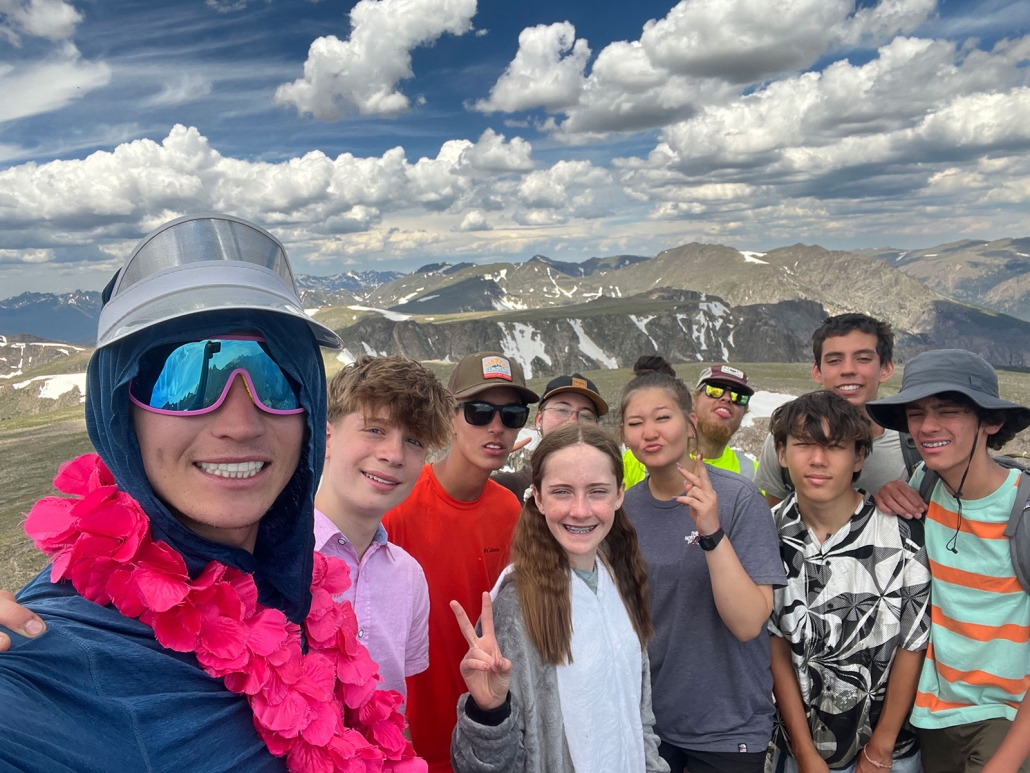
Shared challenge and novelty—especially in outdoor settings—have been shown to strengthen peer bonds and create a strong sense of belonging, which is a key driver of teenagers’ well-being during adolescence.

Recommended reading:

What skills will my teen learn at adventure camp?

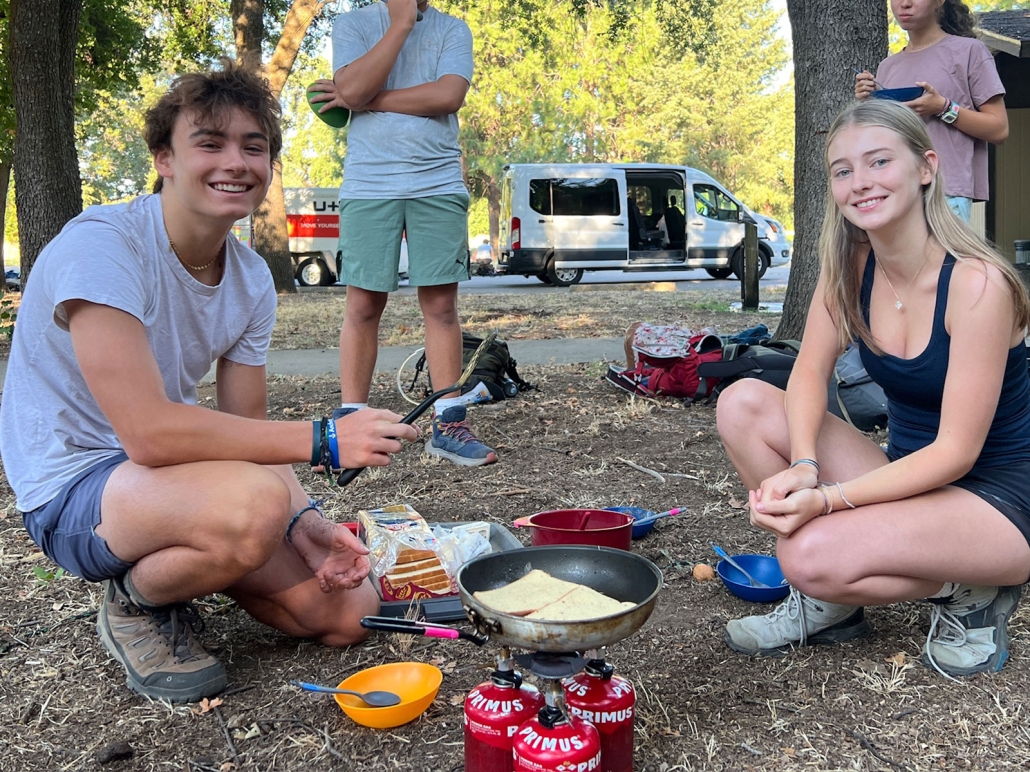
Adventure Treks gives students both the opportunity and agency to practice new skills for the benefit of themselves and the group at large. For example, our students are taught cooking skills early on so that they can begin rotating through kitchen responsibilities during each meal. Later in the trip, this evolves into student groups planning unique meals that they prepare and enjoy with the rest of the group.

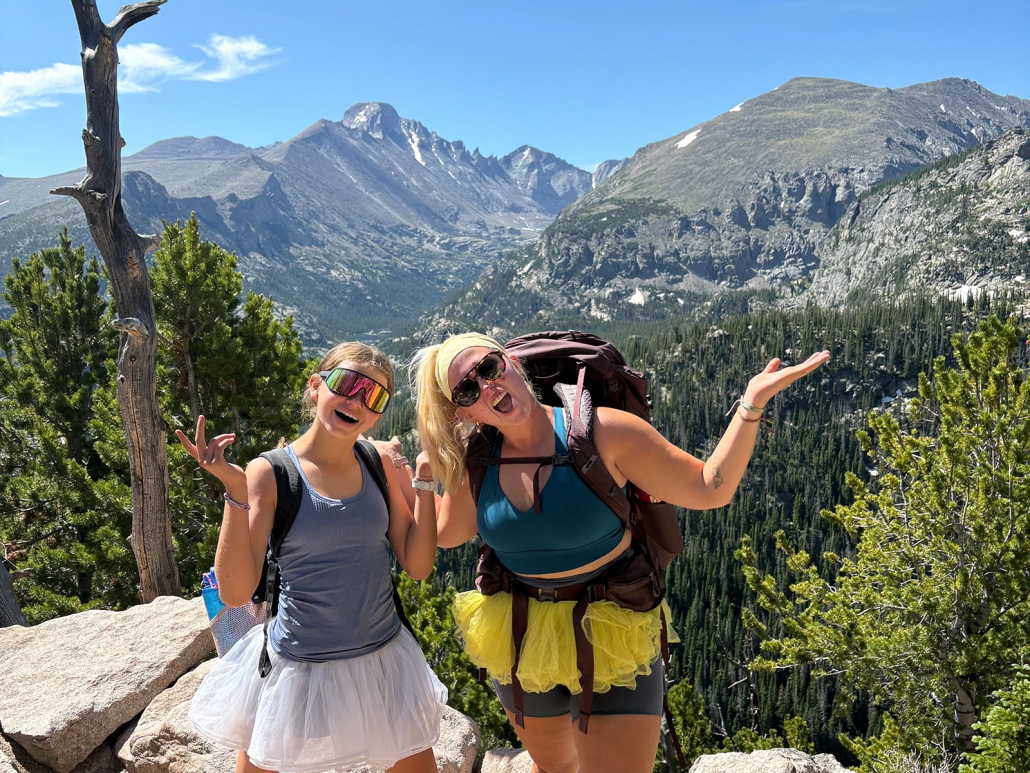
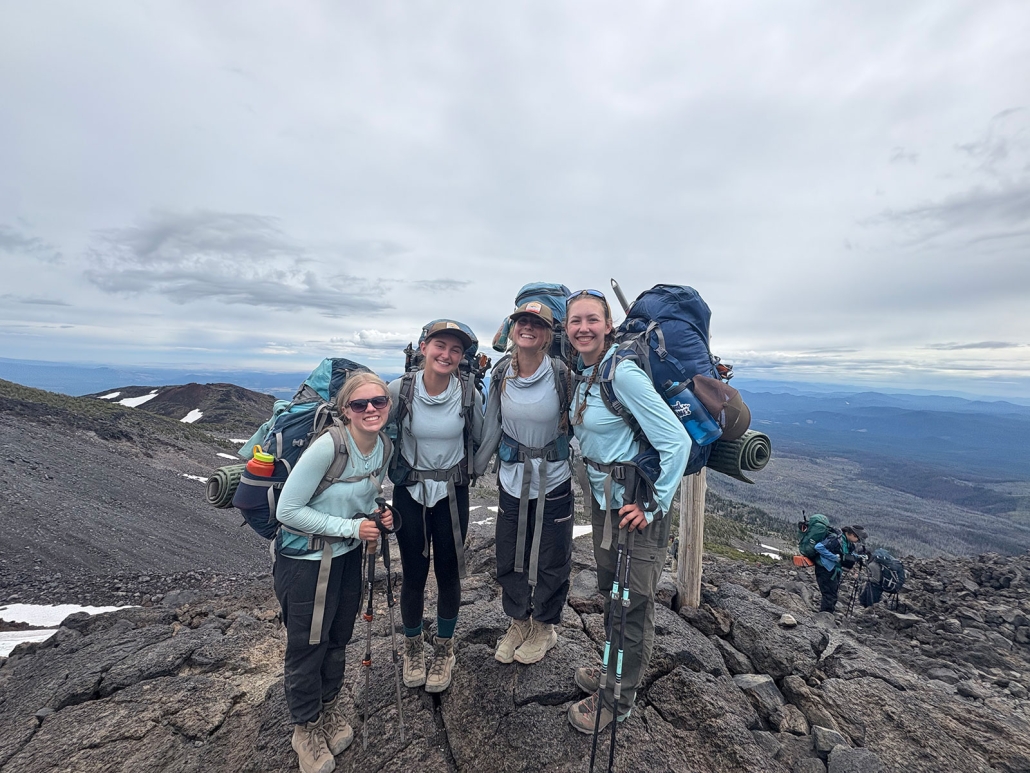
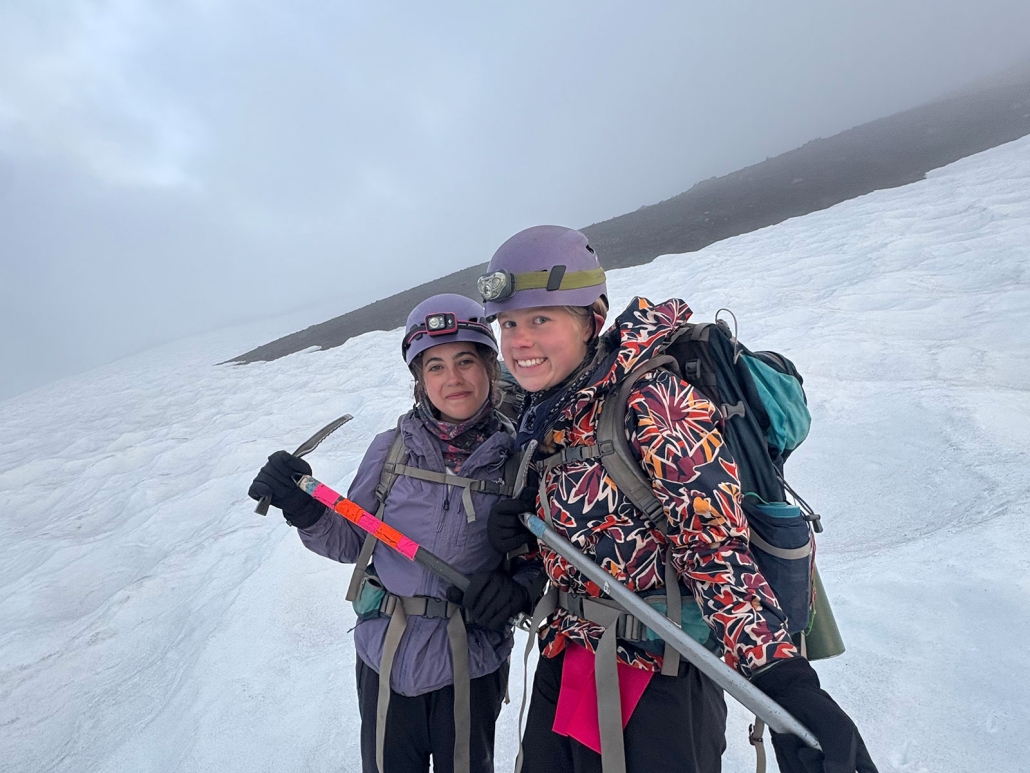
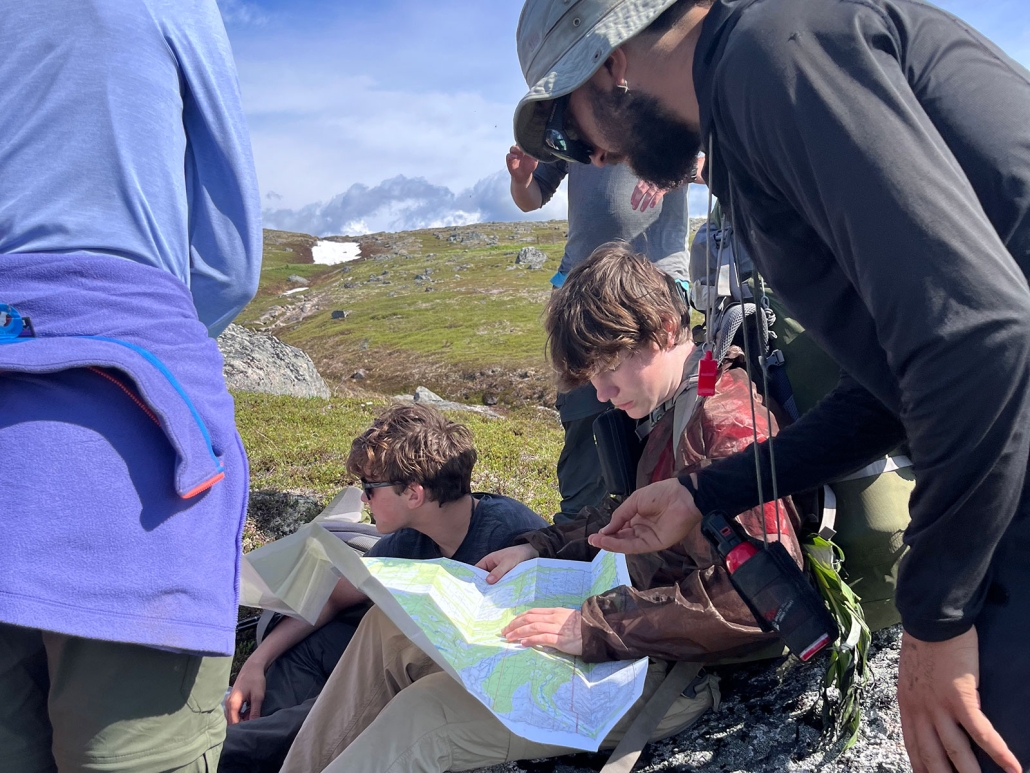
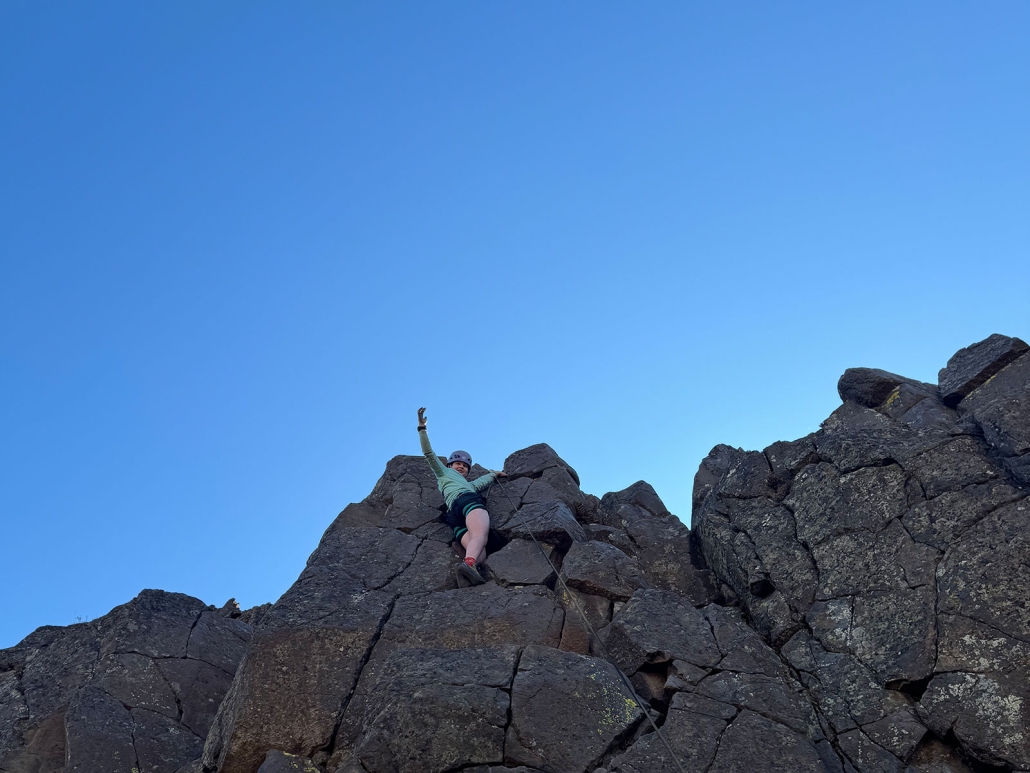
Adventure Treks also teaches technical skill development across a range of outdoor activities. Students will become adept at backpacking and self-management in the backcountry, and they’ll also get instruction in more specialized areas like rock climbing, whitewater paddling, mountain biking, and more.

In regard to character skills, Adventure Treks’ Great 8 Outcomes illustrate the areas of growth that are emphasized for teens through an adventure camp experience:

  1. Communication
  2. Collaboration
  3. Creativity
  4. Critical thinking
  5. Leadership
  6. Self-management
  7. Resilience
  8. Optimism

There are clear differences in the way that skills are acquired and utilized in a traditional summer camp setting. There, younger kids often learn in tightly controlled environments (e.g. the craft room, the nature center, the archery range, etc.) and work toward specific proficiencies—think of a classic “merit badge” system.

With Adventure Treks, by contrast, students learn in “real life” situations. It is our goal to help teens develop independent critical thinking skills to apply in new ways throughout each trip—and when they arrive back home.

Educational research consistently finds that skills learned in varied, real-world contexts are more likely to transfer beyond the original setting—supporting real adaptability, improved executive functioning, and creative problem-solving.

Recommended reading: 

What leadership opportunities will my teen have at adventure camp?

Over the course of an Adventure Treks trip, students will find increasing opportunities to rise into meaningful leadership roles and be entrusted with real responsibility. Our instructors get to know students on a deep level to understand their strengths and help them achieve fulfillment within the group.

For example, this includes being “leader of the day” and directing the flow one day on a backpacking trip. It could also involve students becoming “gear apprentices” and learning more about how to organize and maintain equipment. Some teens love working in the kitchen and become our official head chefs of the trip.

Not only do leadership opportunities expand throughout a single trip, but they grow exponentially across multiple summers: Returning students often seek more responsibility from the get-go—culminating in our 30-day, student-led Leadership Summit.

Traditional summer camps often have pathways for younger kids to “graduate” through leadership roles like being an intern, activity leader, junior counselor, etc. At Adventure Treks, too, former students often come back to work as field instructors.

Research on adolescent leadership development emphasizes that leadership grows most effectively through real responsibility, contribution to a group, and being trusted to make decisions—rather than through titles alone.

Although your teen may still be eligible to attend a traditional summer camp, we strongly encourage you to evaluate their goals and potentially take the next step toward an adventure-based program once they reach ages 13–14. We hope that the questions above can become convenient talking points in that conversation, and that you and your teen will feel confident in whatever decision you make!

For families noticing signs of burnout, overspecialization, or disengagement in teens, research suggests that varied, intrinsically motivating experiences—like those involving nature and peer collaboration—can help restore curiosity and resilience.

Looking for small-group, high-end adult & family adventure travel?
This is default text for notification bar