Why Teens Need Type 2 Fun, and Why Healthy Challenge Matters

I just saw an interview where Arthur Brooks (a Harvard professor and best-selling author) said, “You don’t find the meaning of your life by being at a party in Ibiza.” In a similar vein, if a student writes their college essay about the time they ate tacos on the beach while everything was perfect, what does that really say about them? Probably that they hadn’t ever encountered meaningful challenge—and that life has mostly come easily.

Facing and overcoming challenges is how we learn who we are and what we’re made of. Yet so often, both adults and teens shy away from trying something new or doing something hard. There’s a striking statistic that illustrates this: Coaches and physical therapists often point out that most adults will never sprint again after their early 30s—a reflection of how quickly challenge and physical intensity disappear from daily life. When we look at youth development, it raises an important question. What are we, as adults, modeling? And based on our own mentoring and role modeling, what might we be unintentionally taking away from our kids?
As adults, it’s a natural instinct to want to protect our kids. However, when we shield them from healthy challenges, we don’t just rob them of realizing their own strengths. We rob them of discovering what they’re willing to work for, and what they’re willing to struggle through in order to grow.

Type 1 fun is fun in the moment: eating ice cream on the beach, hanging out in the sun with friends, splashing around in the ocean. It’s easy, immediate, and enjoyable.

Type 2 fun is different. It’s hard while you’re in the thick of it, but it’s meaningful when you look back. It’s the kind of experience that builds grit and resilience—and core memories.

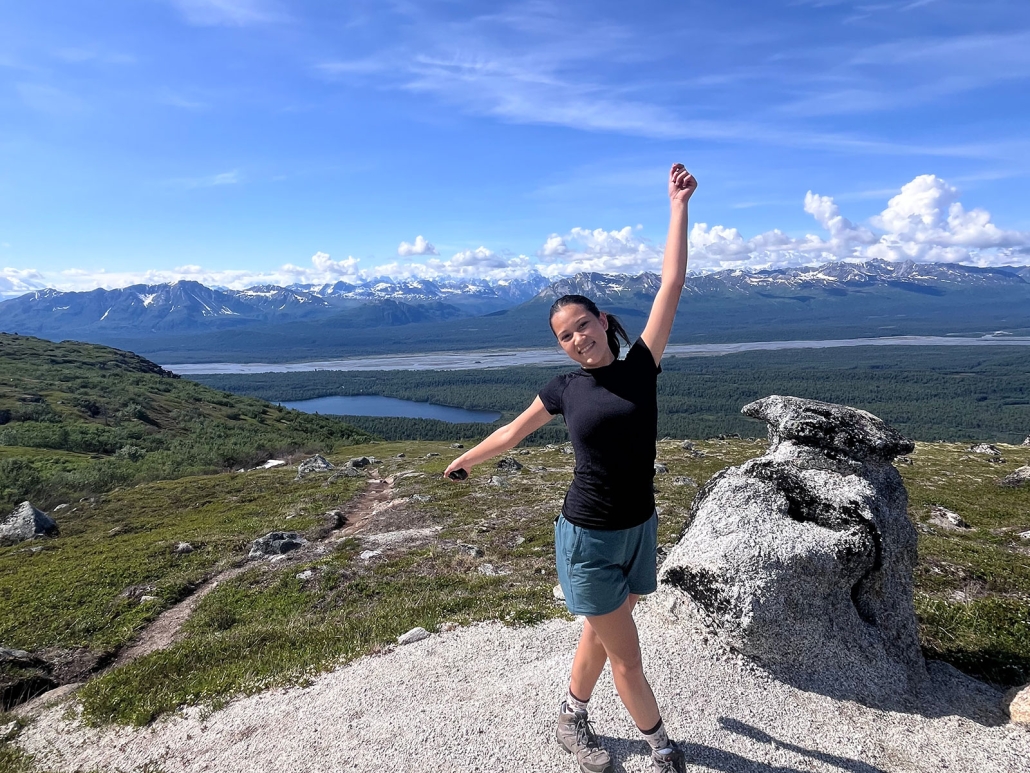
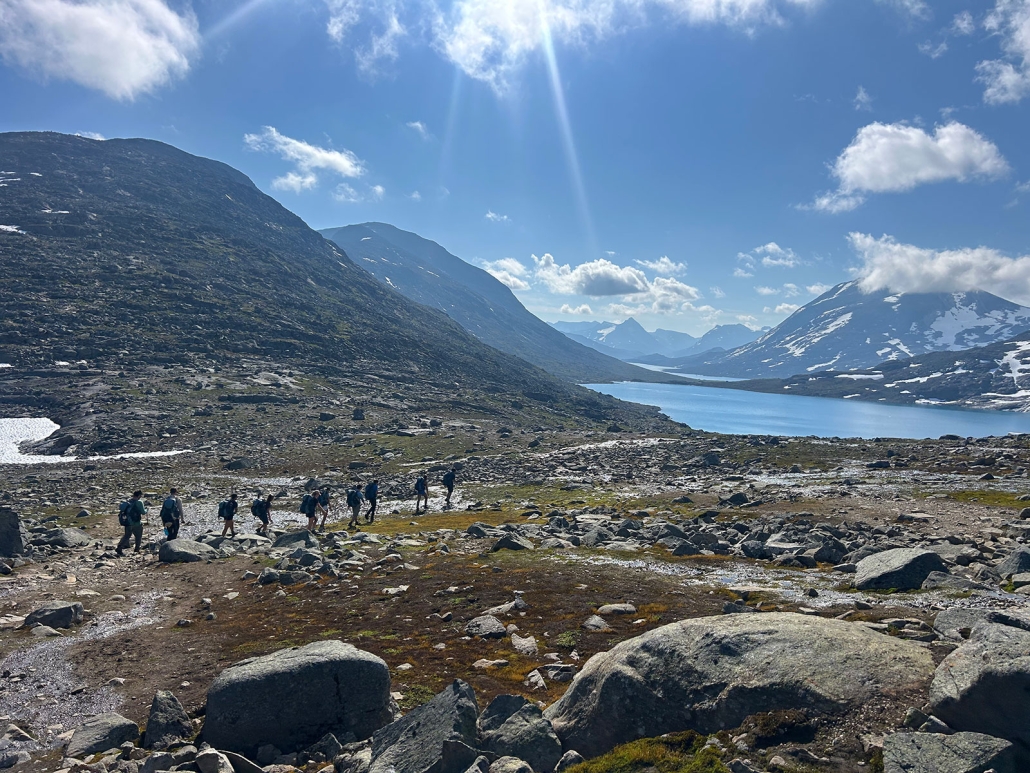
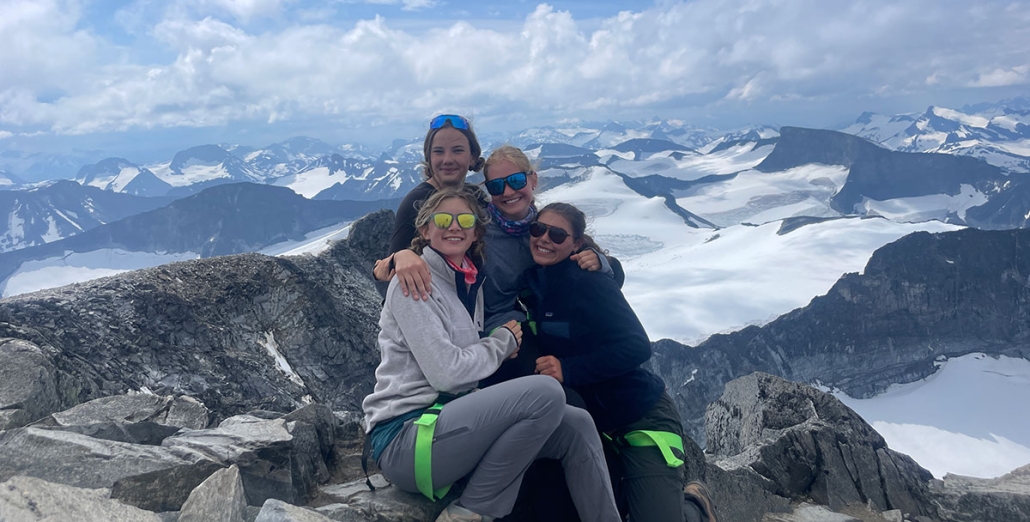
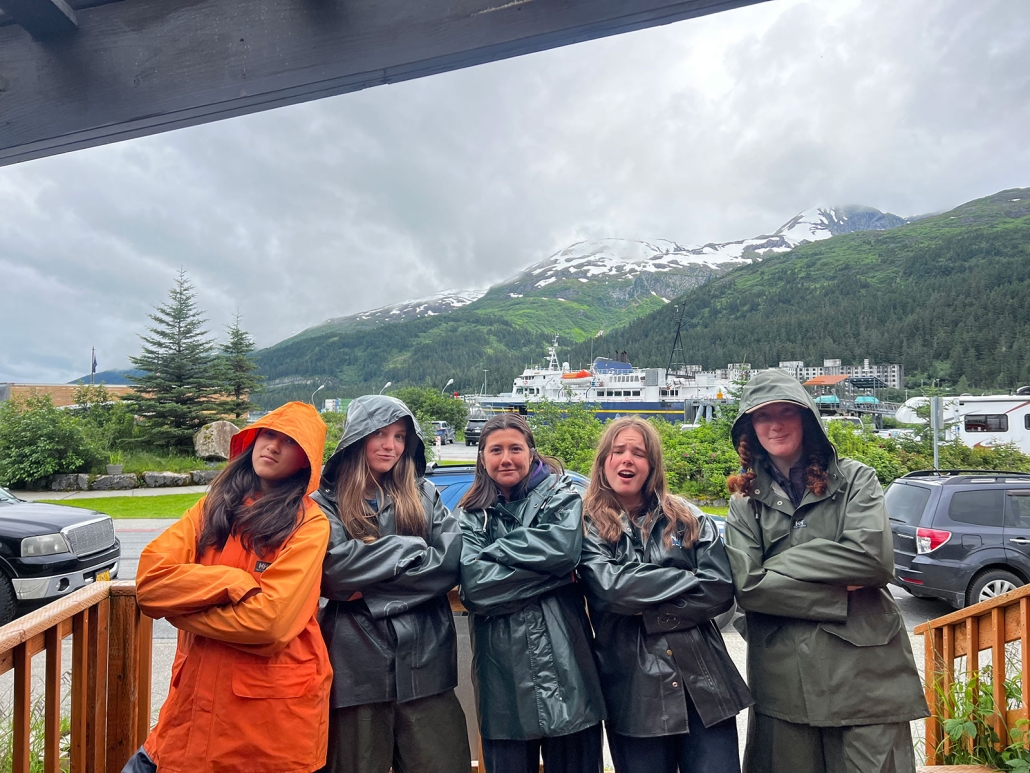
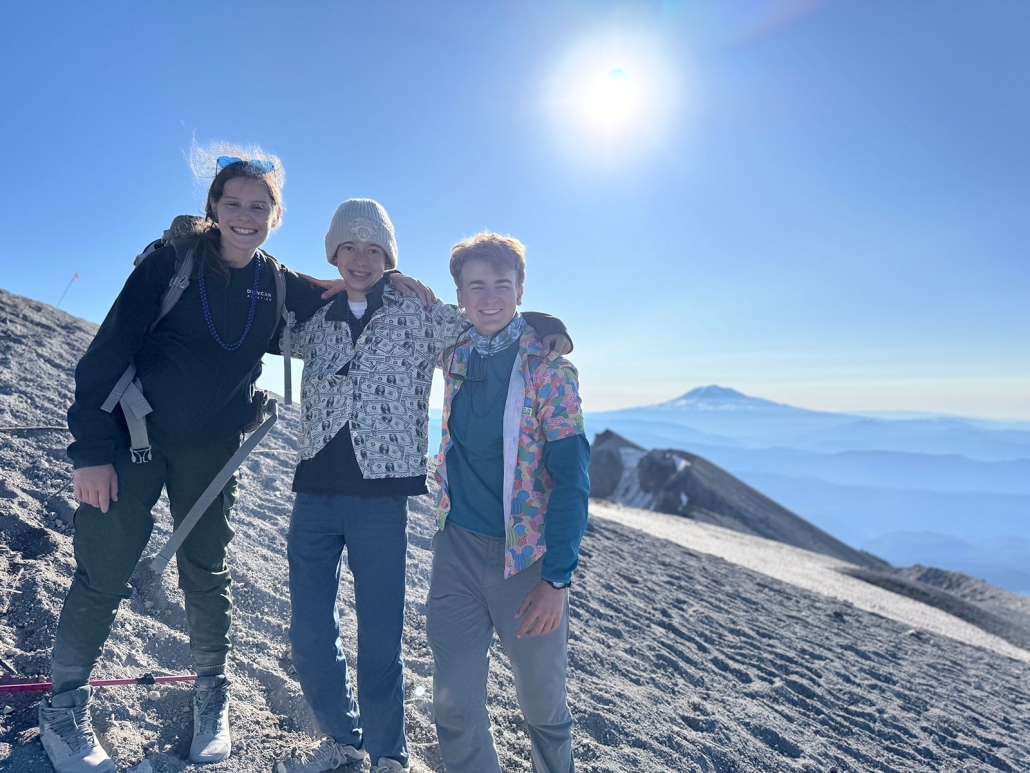
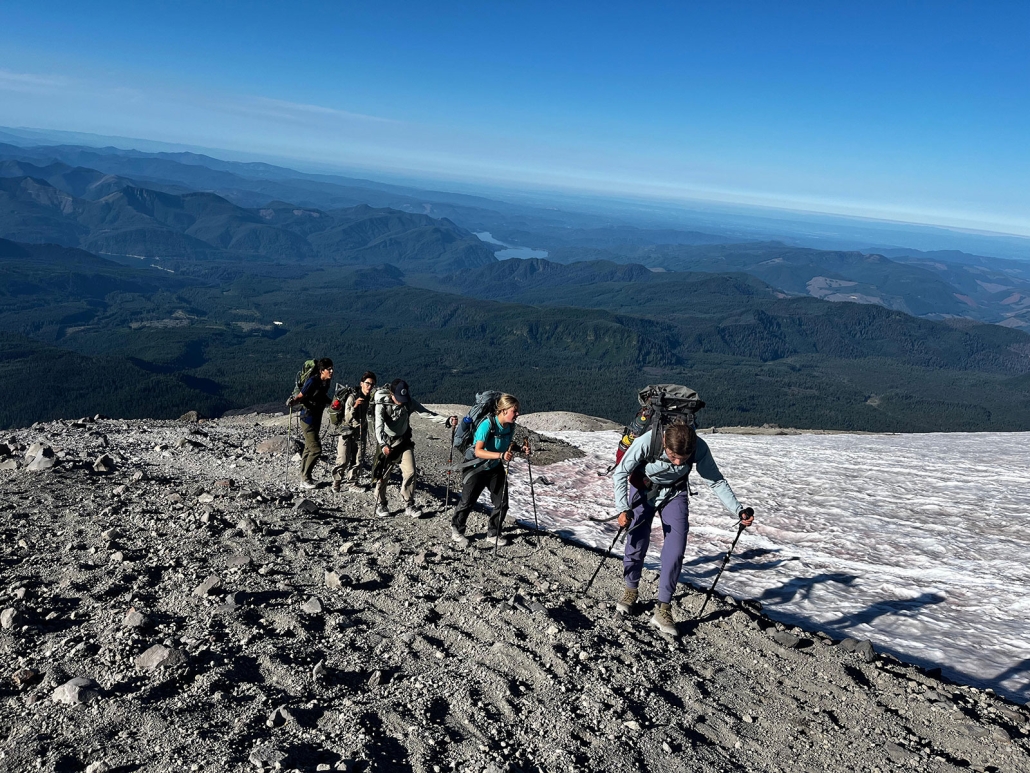
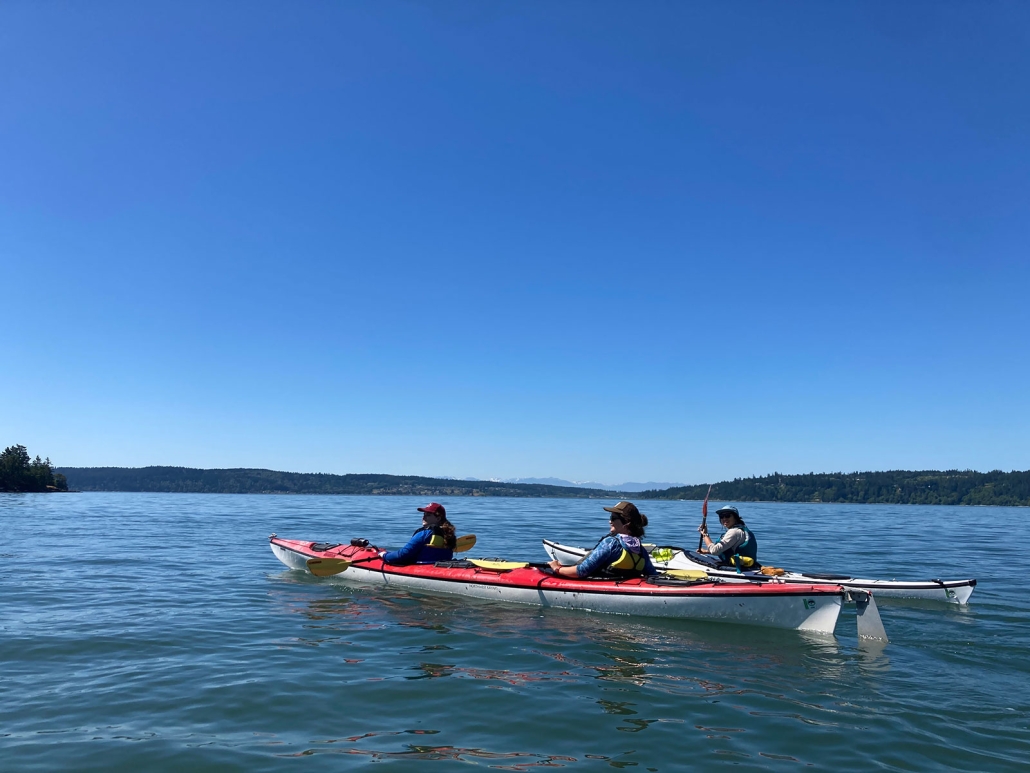
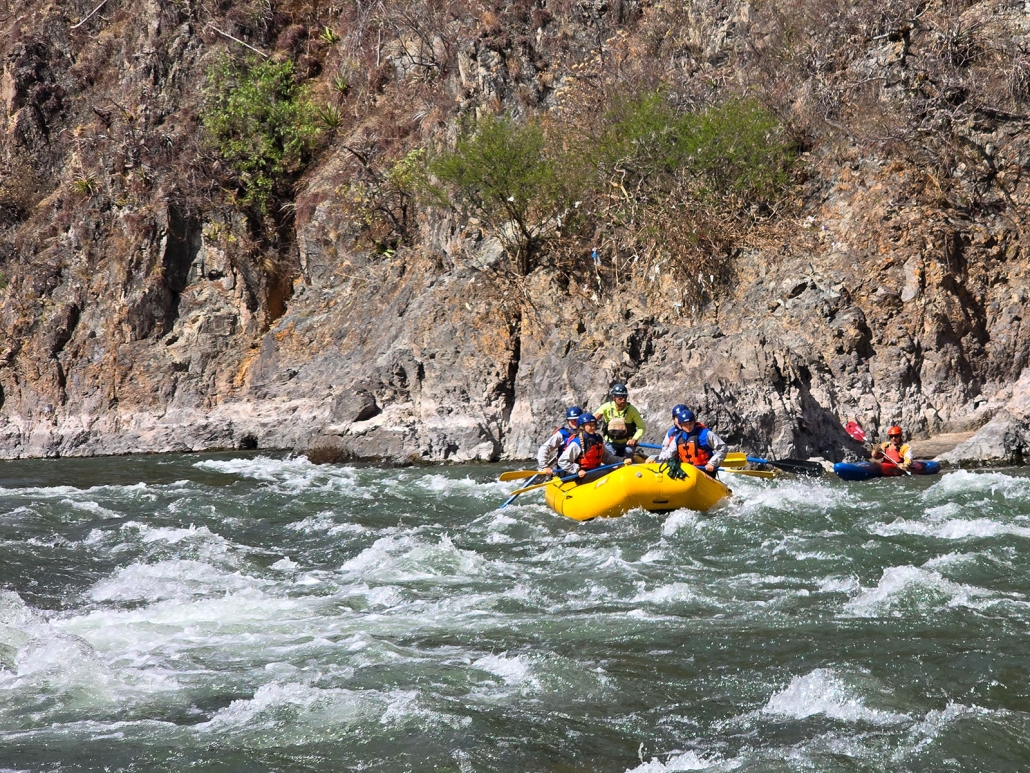
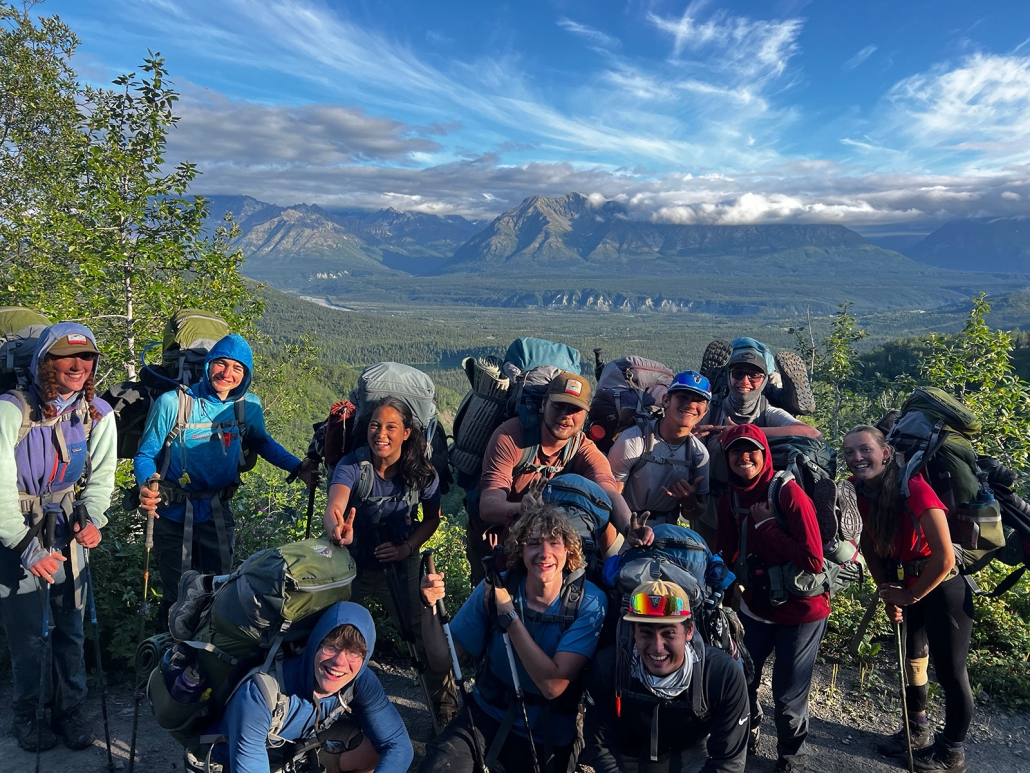
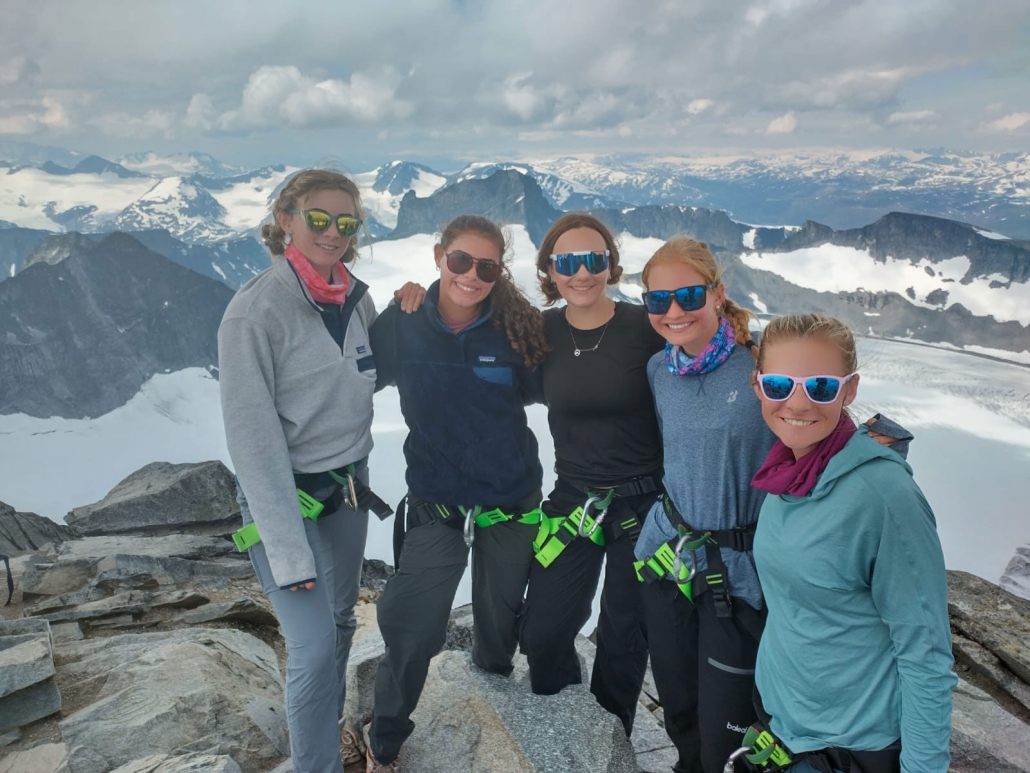
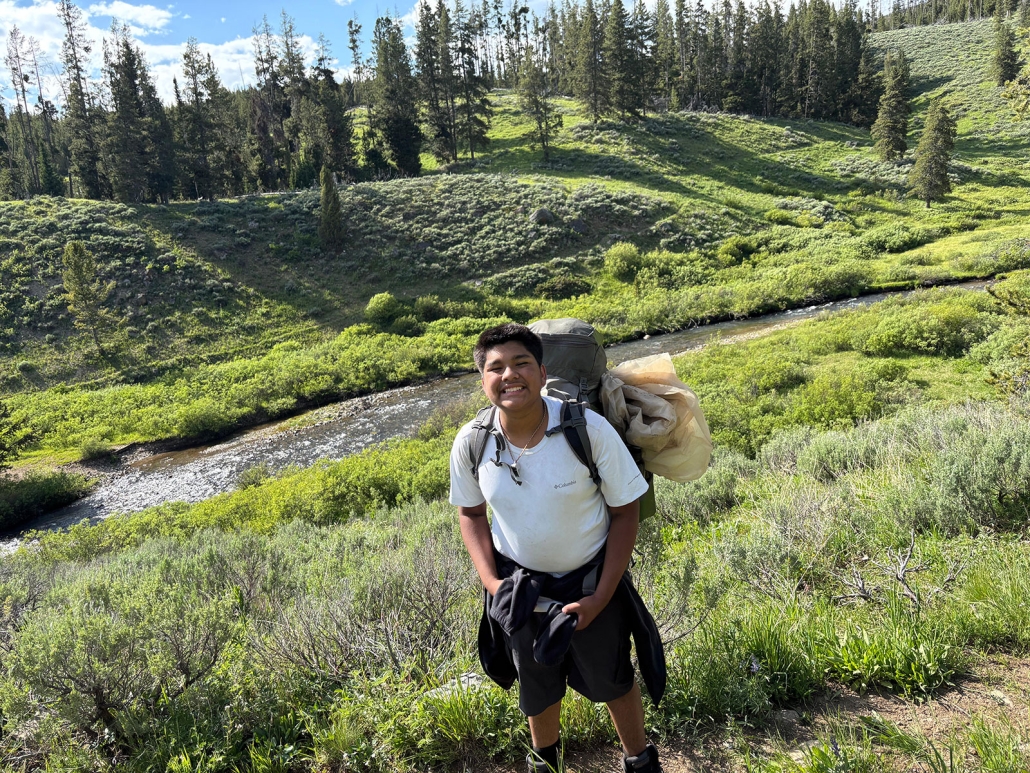
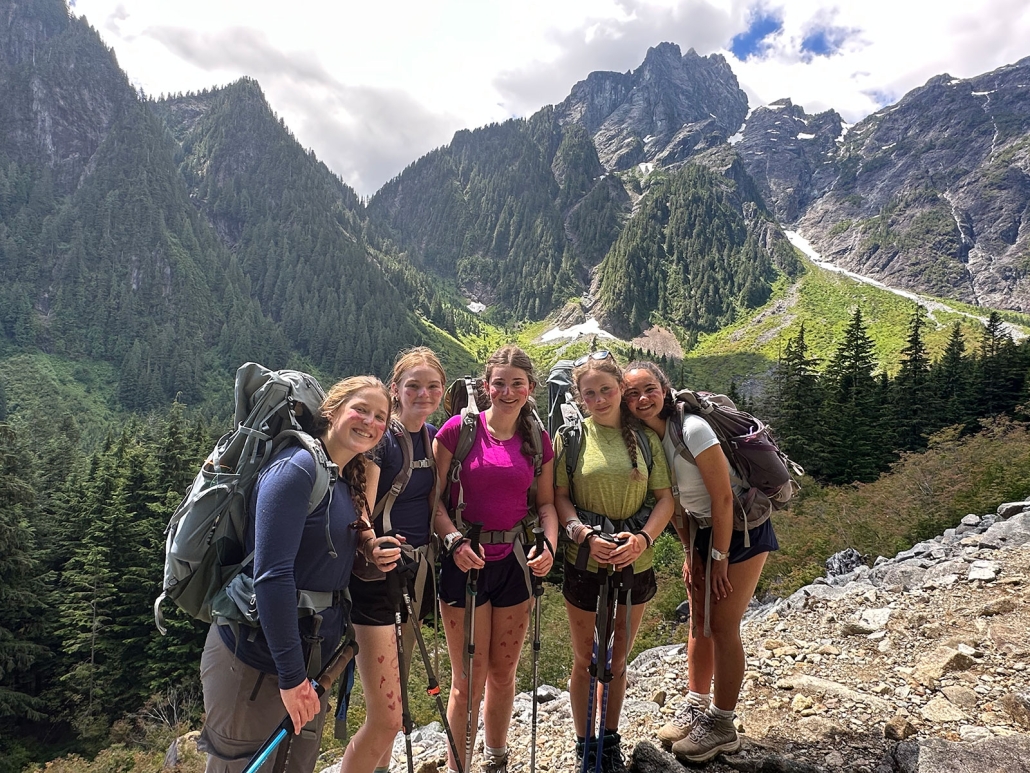
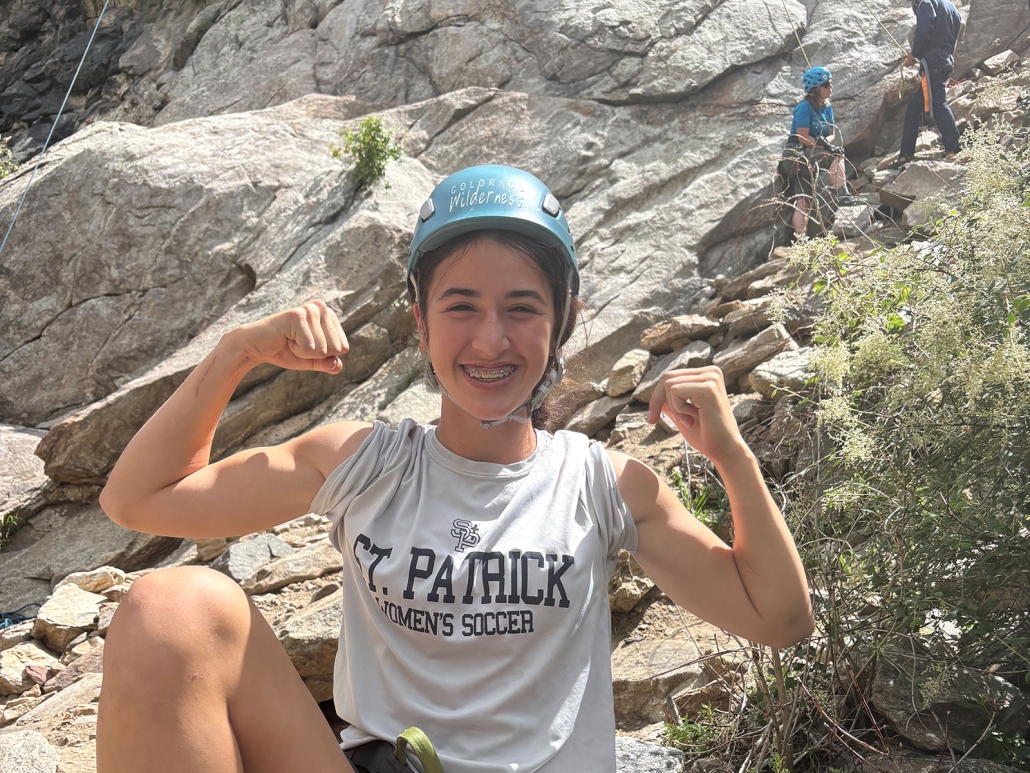
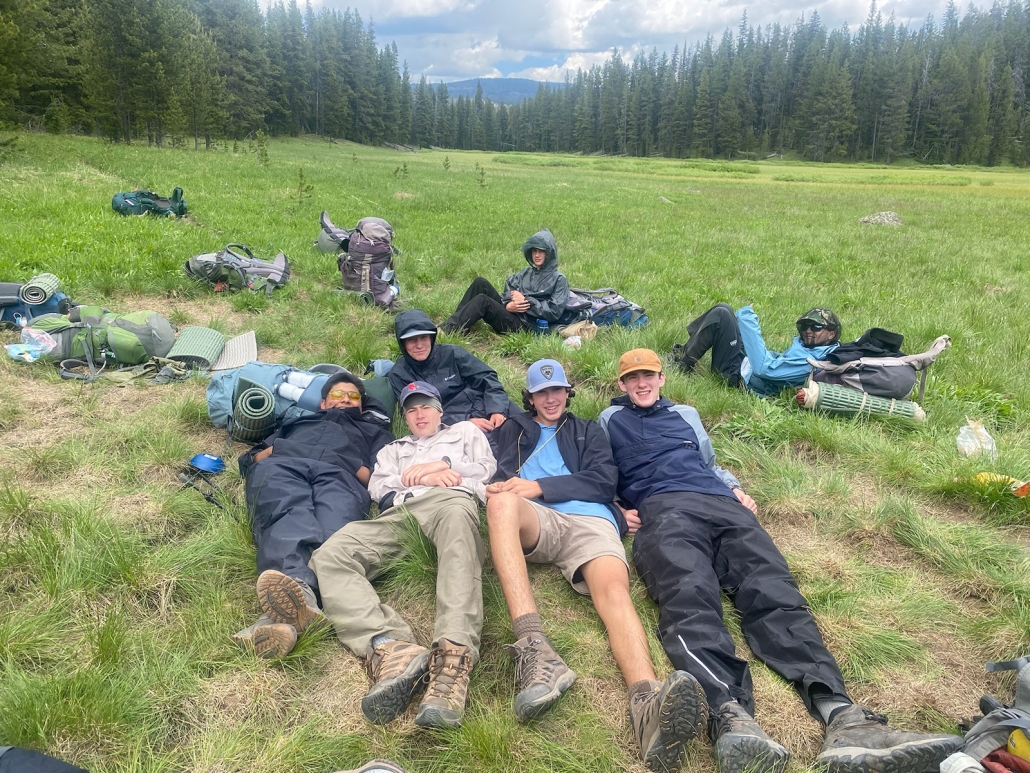
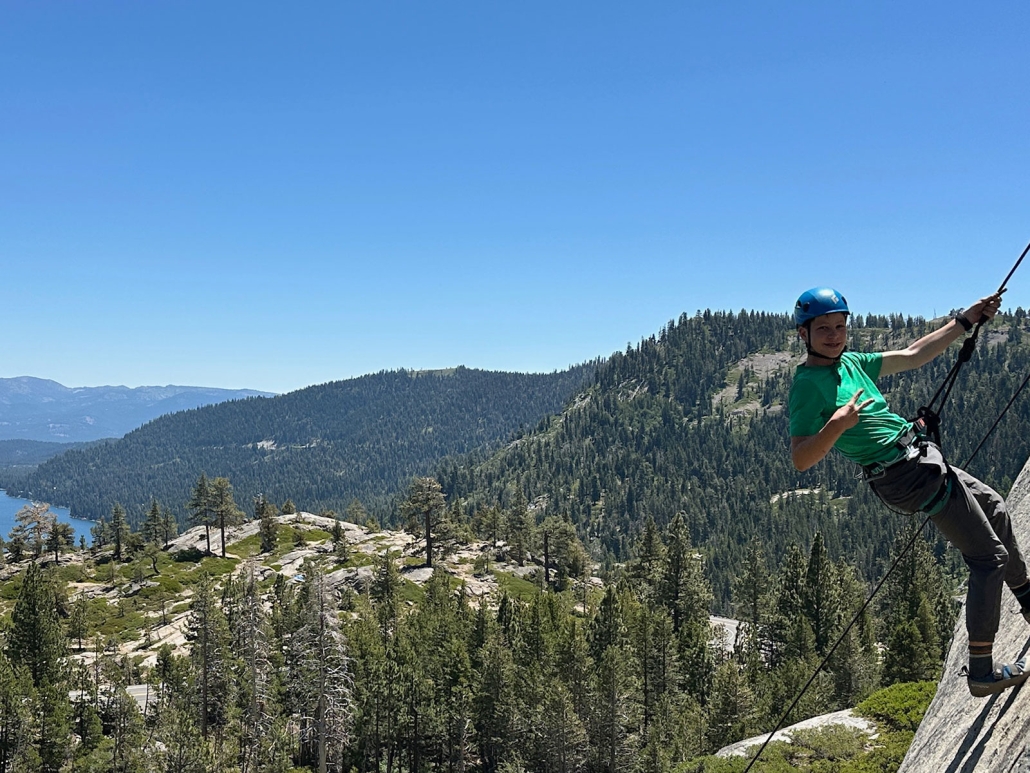
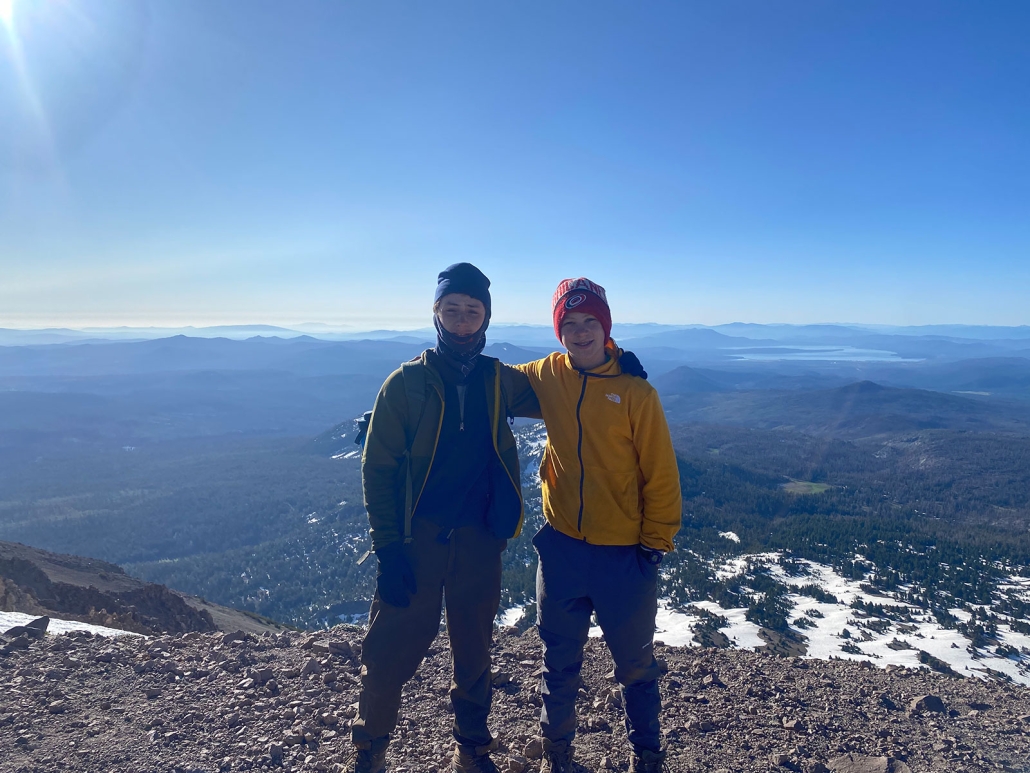
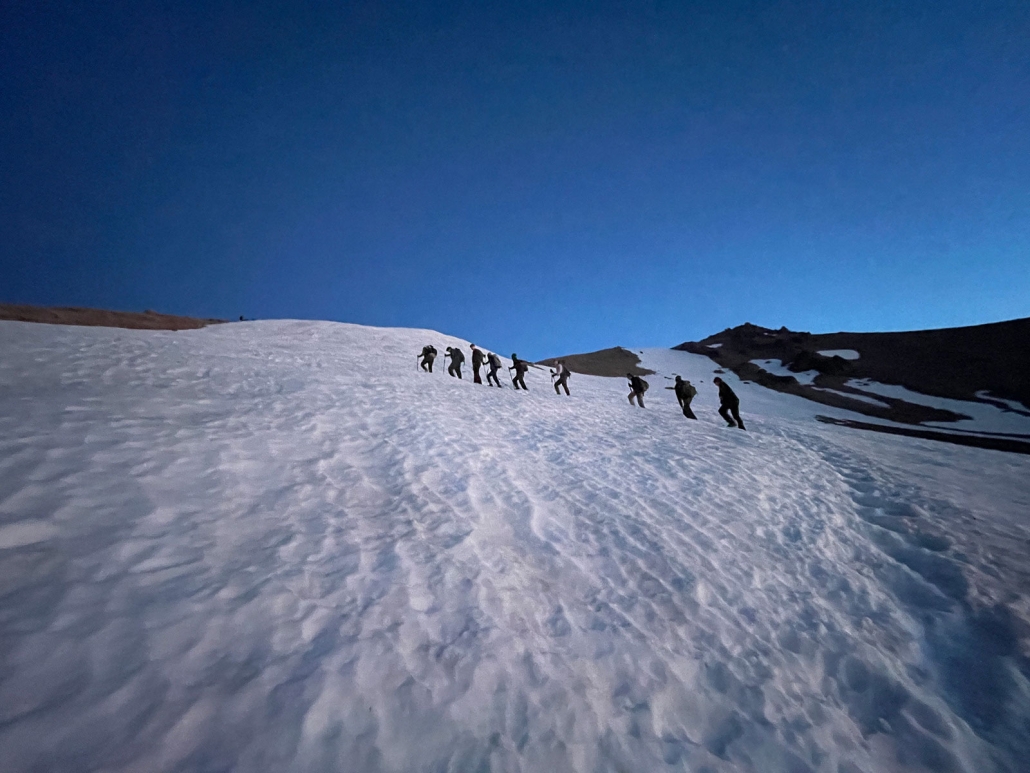
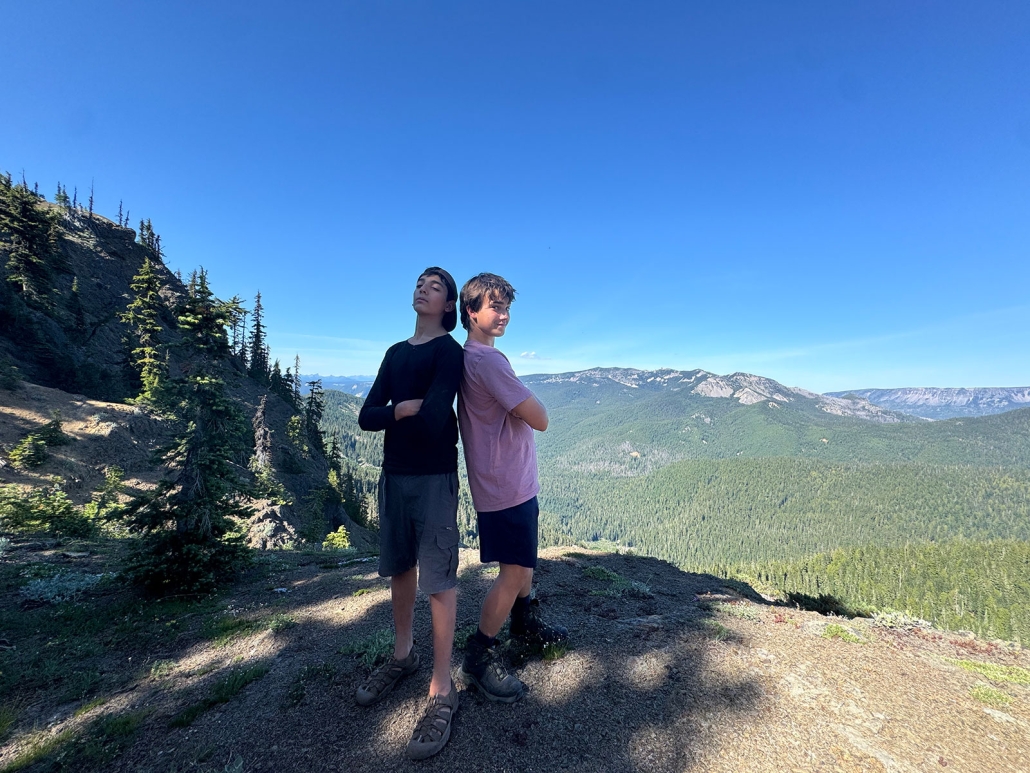
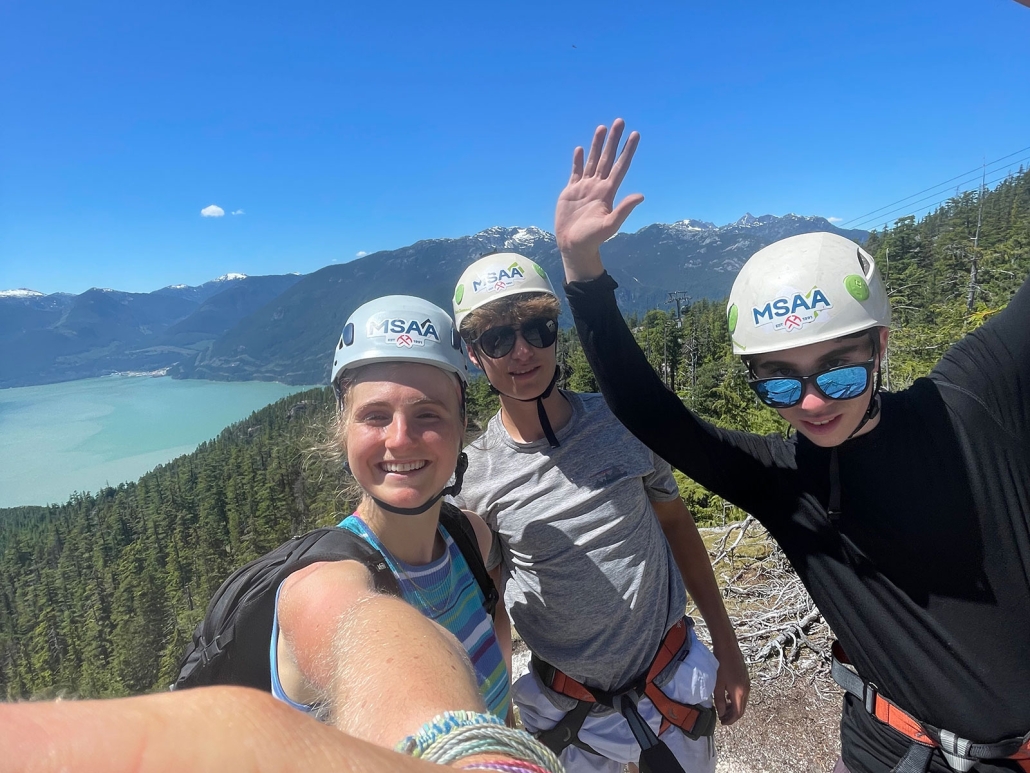
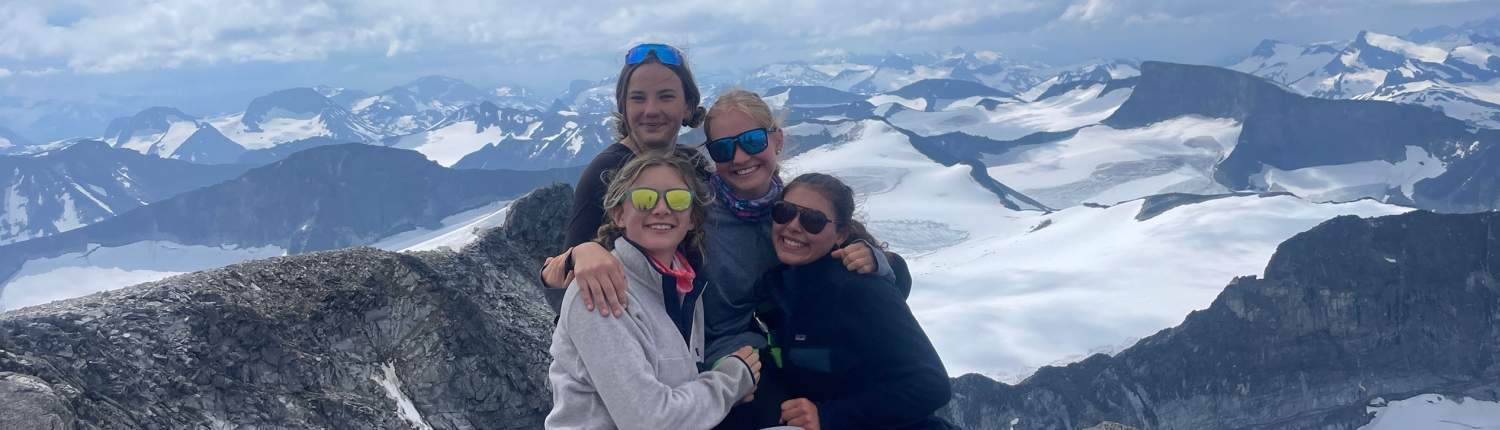
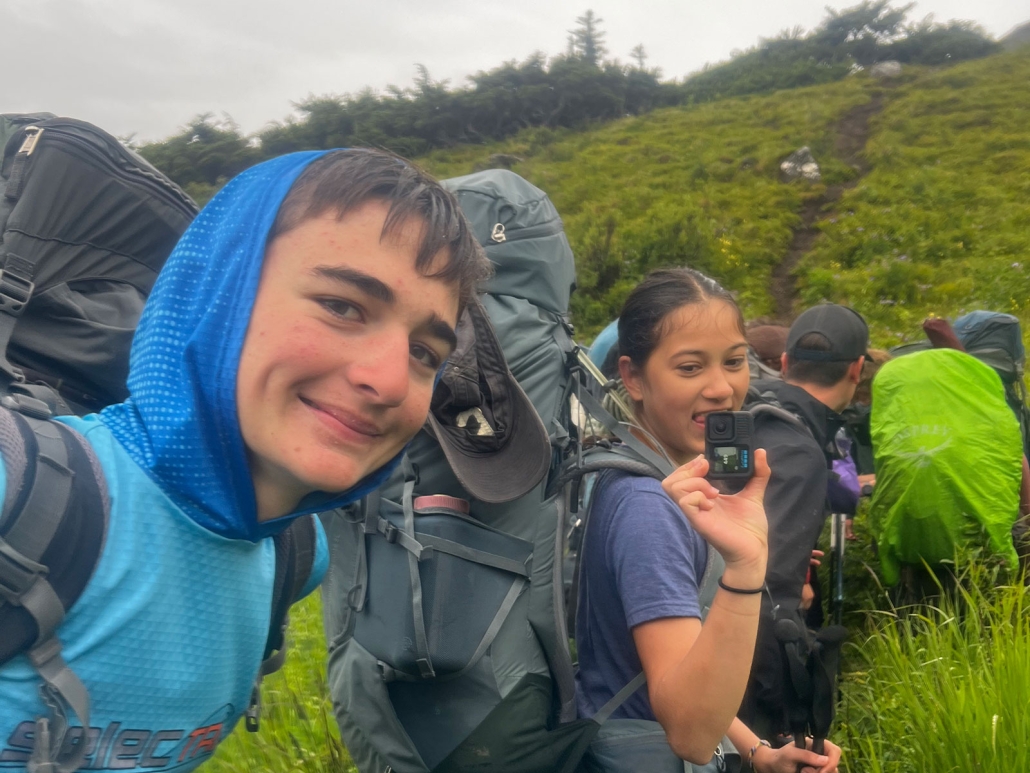
When Adventure Treks students reflect on a summit attempt of 12,335-foot Mt. Shastina in California, a rainy, six-day backpack in Alaska’s Talkeetna Mountains, or a humid sea kayak in Belize, they’re not focusing on the alpine wakeup, the cold rain and muddy terrain, or the bug bites. What they remember is standing on top of a massive volcano as the sun breaks across the horizon. Feeling triumphant as they reached the trailhead on day six, having conquered bad weather and come out the other side. The sense of wonder as they gazed at the world’s second-largest coral reef and vibrant marine life swirling below their kayak.

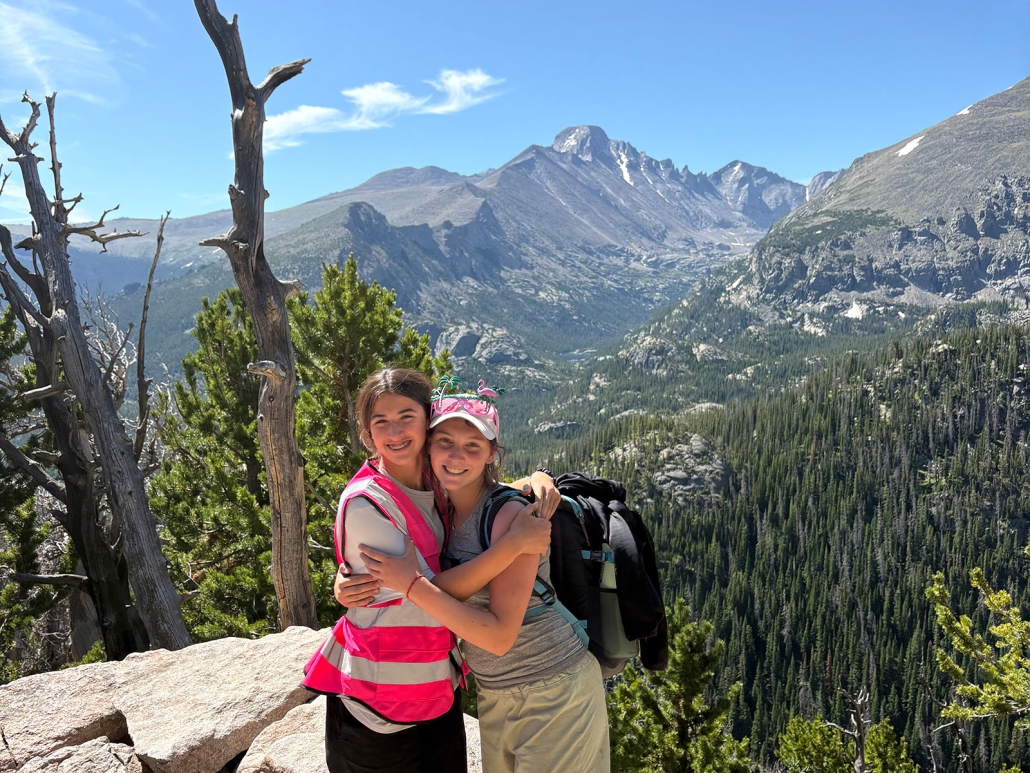
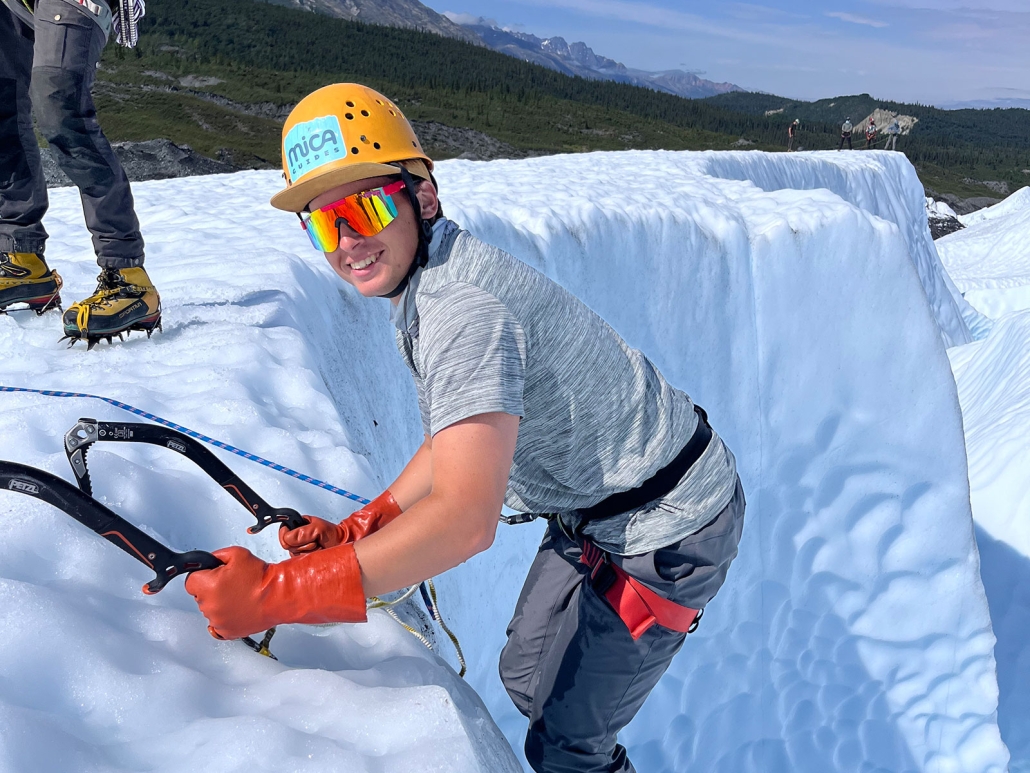
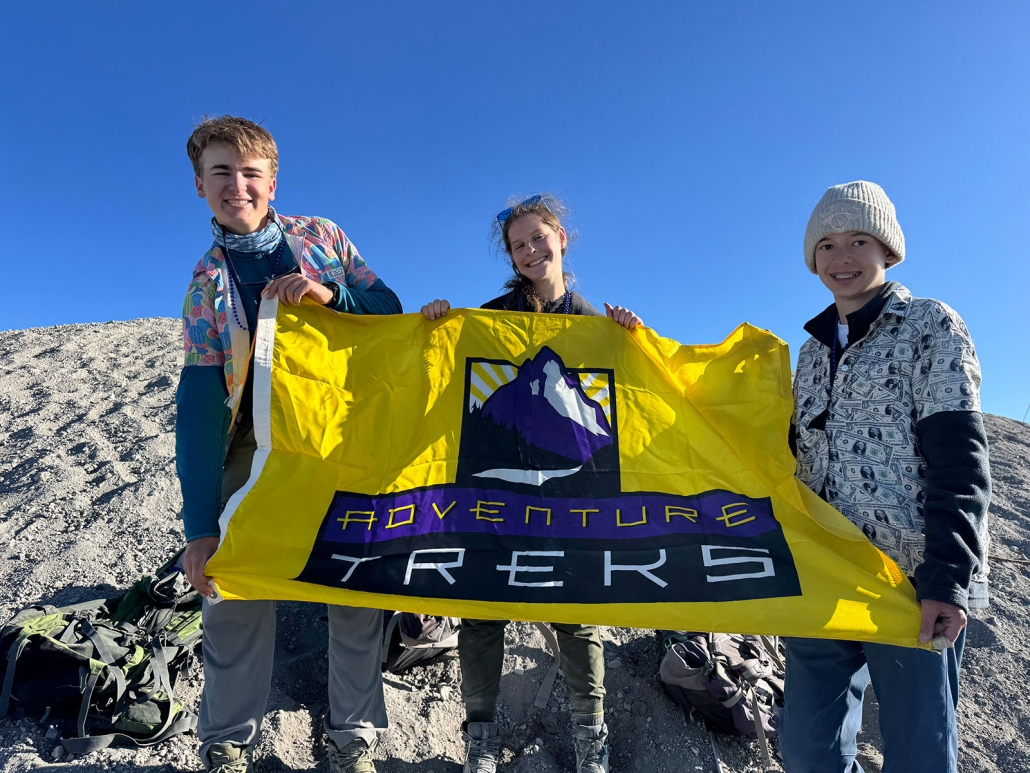
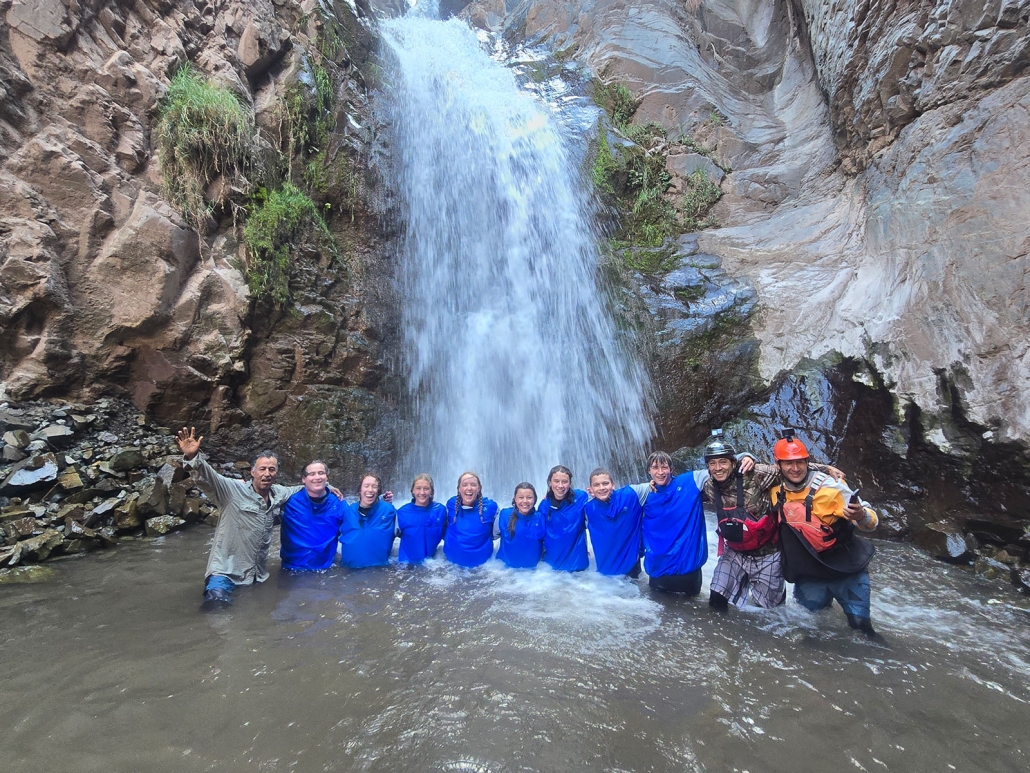
When our students think back on their AT experiences, they remember the sheer joy and pride that comes from doing something difficult—putting one foot in front of the other, leaning on your friends for support, and not giving up.

Adventure Treks taught me the power of community and how capable I am when facing challenges. I have grown so much as a person because of my AT trips.

– Ashley from MD

Type 2 fun and healthy challenge are so important in adolescence because confidence isn’t built through our reassurance alone. Research in psychology and neuroscience shows that young people develop confidence through real experiences—specifically through those that add manageable (or what we might call age-appropriate) stress and effort. When kids work through discomfort without being “rescued” from it, their brains begin to think, “Hey, I can handle this.” Avoidance teaches the opposite lesson.

Growth happens just outside the comfort zone. It’s where problem-solving improves and motivation becomes intrinsic—traits we want to see in our kids.

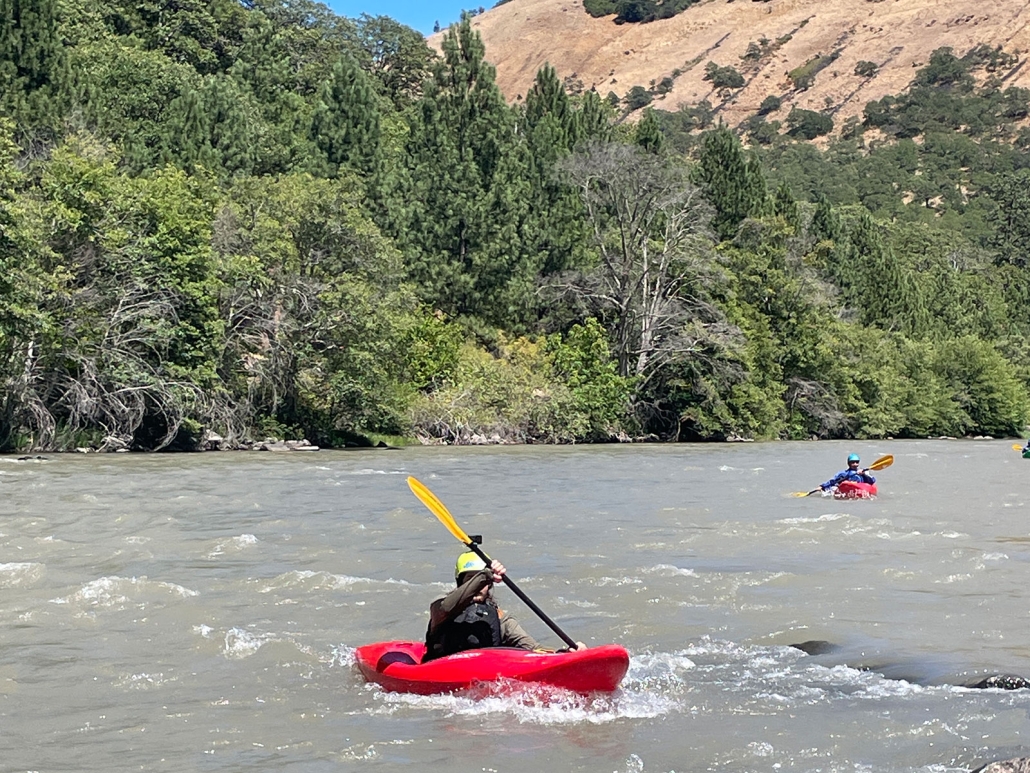
And this is why we type 2 fun is an integral part of the Adventure Treks experience! We don’t believe in hardship simply for the sake of character-building, or suffering just to learn a lesson. But we do know from 33+ years of experience that we must allow teens the opportunity to face and overcome healthy and meaningful challenge. This is what turns them into confident, competent young adults.

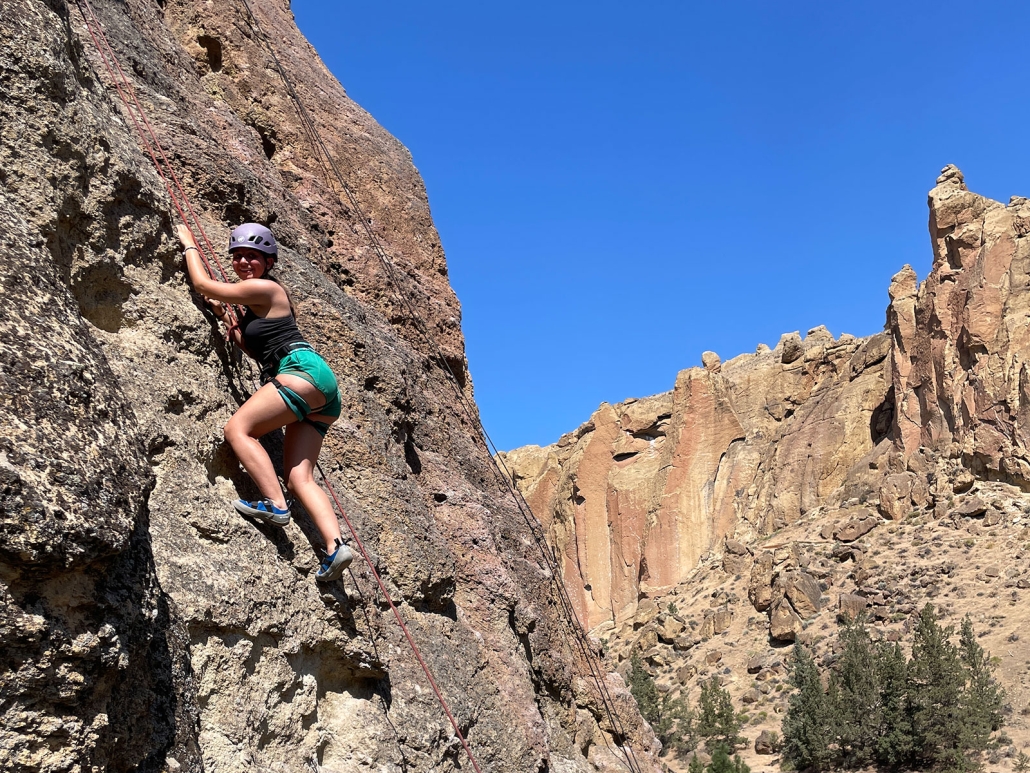
We see it every summer: When teenagers are exposed to fun outdoor activities, partnered with challenges and backed up by a supportive community, they will rise to the occasion, and they will prove to themselves they can do hard things. This is so important!

And sometimes they won’t reach the summit of Mt. Shastina, or fully complete that rainy backpack because the weather turned too harsh—and that experience and perspective matters, too. Learning how to try, fail, and keep trying is part of becoming capable and resilient.

AT is an experience I will cherish forever. Even through the rougher days, there wasn’t a second that a mile wasn’t on my face. We live in a beautiful world… Why not explore it?

– Student from 2025

I saw another clip where comedian Jimmy Carr said, “We should feel imposter syndrome every year or two, because it means we’re leveling up.”

Carr’s take on parenting also aligns with type 2 fun. Wanting the best for kids doesn’t mean plying them with candy bars and soda. It means serving them broccoli and making sure they brush their teeth.

Challenge works the same way: Temporary discomfort is actually what’s deeply protective in the long run.

That’s where adults come in: Our role as parents, educators, and mentors isn’t to remove obstacles from our kids’ paths—it’s to hold steady and be supportive while they move through them. We must encourage effort, resist the urge to “rescue” and do it for them, and help them reflect afterward on what they accomplished.

Sometimes, it just means giving your kid the push to do an Adventure Treks trip even if they’re uncertain or nervous because they’ve never done it before. Our push actually signals our belief in them, and that’s much more powerful than letting them stay at home and in their comfort zone.


As we head into 2026, this is where I feel encouraged. More parents are asking us how to help their children do hard things, how to give their kids supported opportunities to realize that it’s OK to be uncomfortable or uncertain, or to have to try hard at something. That allows them to learn that they can handle it!

When adults consistently remove challenge, kids don’t become safer—they just become less sure of themselves and more reliant on others. Choosing to hold the line on hard things is one of the most protective decisions we can make for young people. Not because struggle is the goal, but because that’s how they’ll become truly confident, competent, happy, and independent adults who thrive when they leave home for college and beyond.

AT is such an amazing way to get out of your comfort zone while having a great support system. I love the friends I made, the instructors support, the challenges faced, and all the experiences gained.

Fiona, student from MD

Looking for small-group, high-end adult & family adventure travel?
This is default text for notification bar