Fun facts about Mt. Shasta

As any Adventure Treks student who has climbed Mt. Shasta can tell you, this mountain has a lot going on. From spectacular beauty and long-range views to spectacularly strange claims of extraterrestrial activity, the history and folklore of one of our favorite mountaineering destinations is worth looking into. Here are 10 things you may not know about Mt. Shasta.

1. Mt. Shasta is TALL. At 14,179 feet, it is the second-tallest mountain in the Cascade Range and the fifth-tallest in California. The mountain looks so striking and prominent because its summit is nearly 10,000 feet above the low hills and valleys that surround it. (See number 5 about the route Adventure Treks students take to the top.)

2. California’s largest national forest houses this landmark. Two separate forests were established in 1905—the Trinity National Forest and the Shasta National Forest—and were combined in 1954. Now, the Shasta-Trinity National Forest covers 2.2 million acres of northern California, and Mt. Shasta is its highest point!
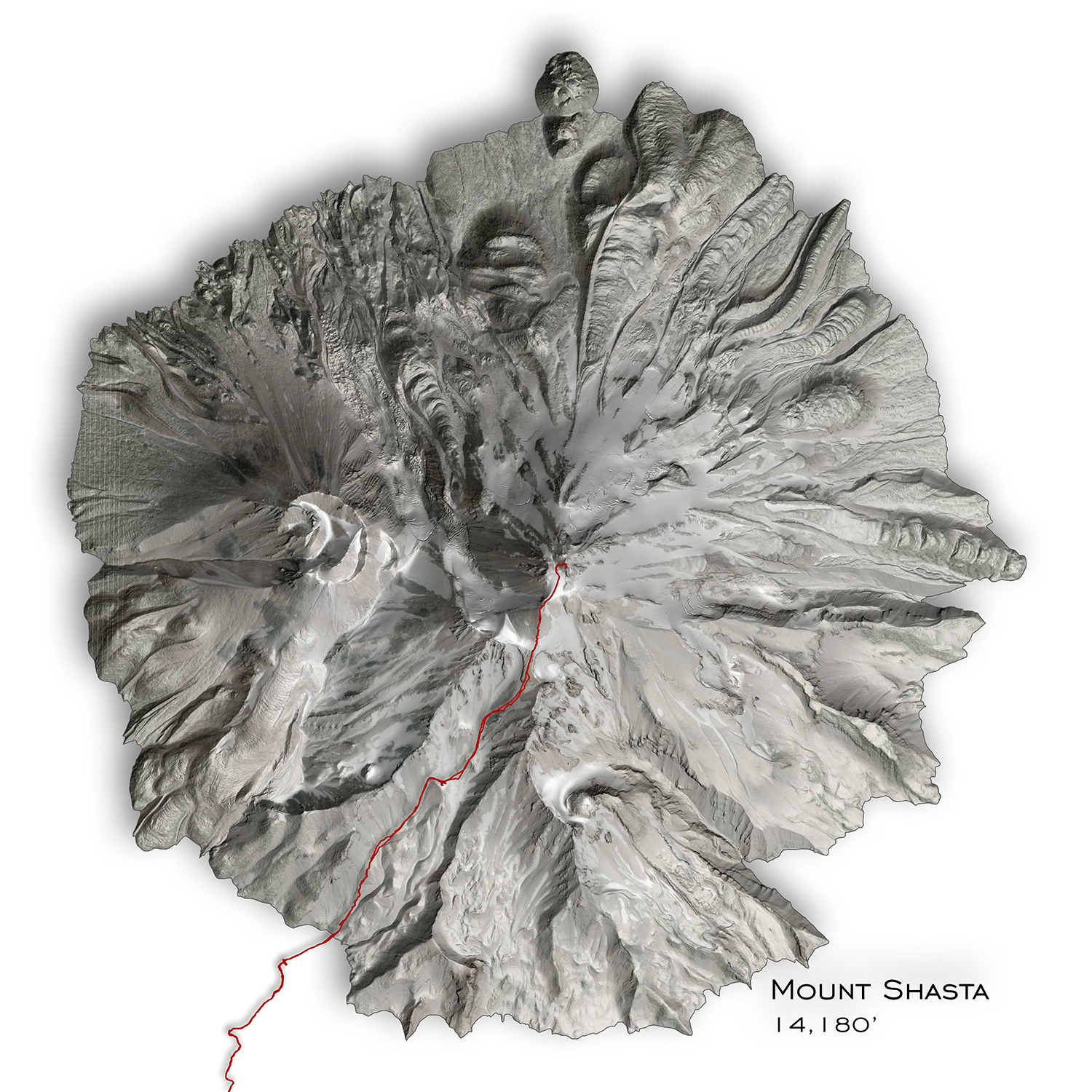
3. Avalanche Gulch, the route Adventure Treks generally takes to climb Mt. Shasta, is considered the least technical way to the summit. With more than 7,000 feet of elevation gain in six miles, it may not require advanced rock climbing or glacial travel skills, but it certainly packs a challenge.

At right, a topographical map of Mt. Shasta including our students’ route (Avalanche Gulch), made by AT instructor Ian Petersen. Check out Ian’s beautiful, artistic topo maps at mapyouradventure.com, and see his maps specific to Adventure Treks trips here!

(The intense effort, teamwork, and grit—and thus incredible reward, unforgettable memories, and strong sense of achievement—involved on this climb means it’s often a topic discussed in college essays!)

4. There are seven named glaciers on the mountain. The Whitney, Bolam, Hotlum, Wintun, Watkins, Konwakiton, and Mud Creek glaciers keep Mt. Shasta’s slopes white year-round. Unfortunately, during summer 2021’s record heat waves, some of these glaciers split into smaller pieces, and all of them experienced rapid melting. The first snow of the season fell at high elevation this October, so here’s hoping for a heavy snowpack this winter, which makes for a safer and easier climb in summer!
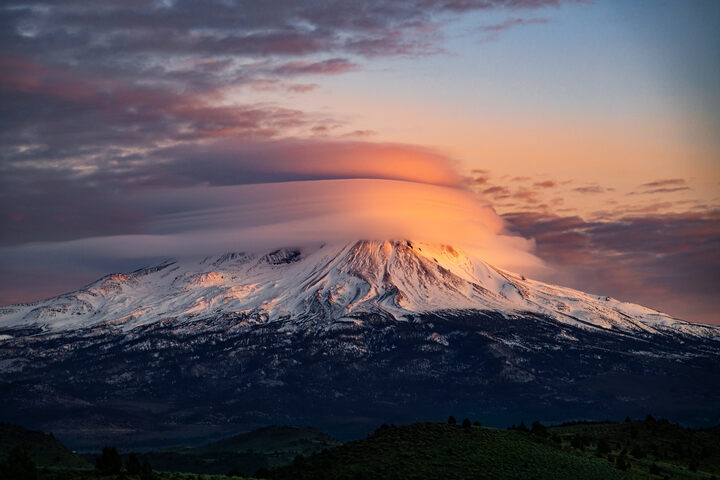
5. The view of Mt. Shasta’s summit is often obscured by lenticular clouds. When air passes calmly over high points in a landscape, moisture can condense into lens-shaped clouds. These clouds are often said to look like UFOs, which brings us to:

6. Mt. Shasta might be full of aliens. There are many theories involving extraterrestrials on, in, and around the mountain, often proposing that the unique lenticular clouds are strategically placed to hide a spacecraft landing near the summit. Another theory proposes that the Lemurians, humanoid inhabitants of a hypothetical ancient land bridge that sank beneath North America, became trapped inside the mountain and built their society within.

7. But back to the facts. Mt. Shasta is a stratovolcano and, along with the rest of the Cascade volcanoes, forms part of the Ring of Fire.
8. The Shasta-Trinity National Forest is the ancestral homeland of many native peoples. The Winnemem Wintu tribe consider a natural spring on Mt. Shasta’s slopes to be the place where their people came to be. Other tribes believe the mountain holds the creator of the universe. Thirteen different tribes work with the National Forest Service to protect their access to sacred sites on and around the mountain.

9. Mt. Shasta is known as the root chakra of the world. Chakras are an ancient concept of energy sources throughout the body—on the globe, the chosen sites are places with a particularly strong energy that pull visitors for a variety of reasons. Other sites include Uluru, Stonehenge, the Great Pyramids, and Mt. Kailas.

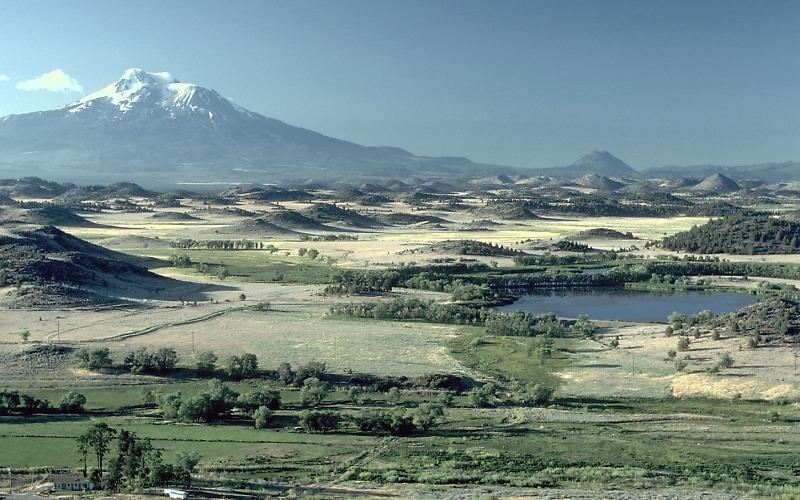
10. About 300,000 years ago, Mt. Shasta mostly collapsed, forming one of the largest landslides in history. Many of the hills surrounding the base of the mountain (they’re called hummocks) are not hills at all, but rather piles of old volcanic rock.

Sources:

Patagonia Retro Pile Fleece (heavyweight full-zip)

Interpreting the language of outdoor retail

When it comes to buying outdoor gear for Adventure Treks (or even for a personal trip), there’s nothing more daunting than trying to decipher every obscure label, material, fabric, and technology that comes with buying even the simplest outdoor item these days.

But Adventure Treks is here to help! This spring, we’re launching our Gear Series: Tips for Buying Outdoor Gear. We’ll discuss some of the materials, technologies, labels, and other features commonly found on outdoor equipment, and attempt to clarify their meaning, use, and how they’re helpful on an AT trip.

Fleece jackets and pullovers

What is fleece? Especially if you live in a warm climate, that’s a great question. Despite being a staple of any outdoor packing list, this product is often poorly defined. The title “fleece” is applied to such a wide-ranging variety of products that it can be difficult to know what to actually purchase.

What is fleece?

Fleece is simply a fabric: a soft, fuzzy material made from processed or recycled plastic or polyester or other synthetic fibers. These fibers are processed until they are soft enough to weave into fabric, which is then “brushed” to create the fluffy texture that we would recognize as fleece. The finished product resembles sheep’s wool, from which it gets its name.

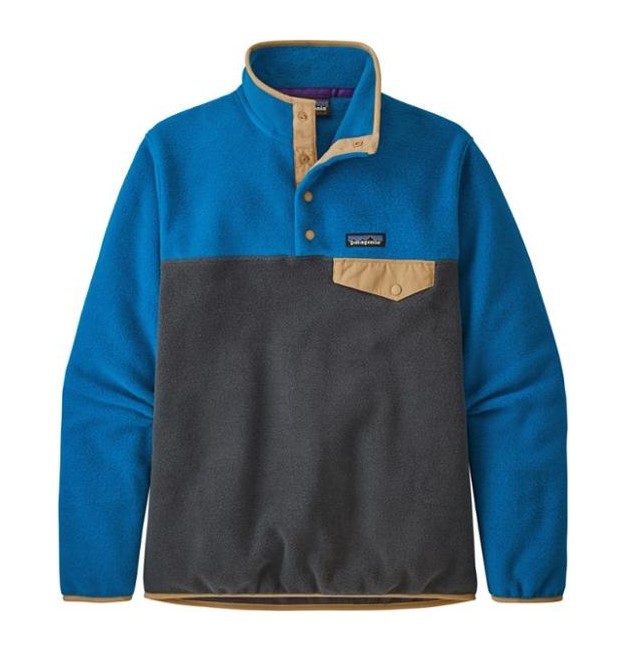
Patagonia Synchilla Snap-T Fleece Pullover (midweight)

Why wear fleece?

A fleece layer is a must-have for many different outdoor settings, including all Adventure Treks trips. Until synthetic fabrics (and merino wool, the soft, fine weave that most of today’s products use) hit the market, the staple outdoor non-cotton material was wool because of the warmth it provided and its natural oils that would help retain its warmth when wet. The downside to the wool of old (and the reason for the emergence of merino fabrics): They were bulky, heavy, and sometimes retained a lot of odors.

Nowadays, fleece is a staple in most households. Because it’s a synthetic or made-from-recycled-plastic fabric, its thick network of fine fibers provide insulation while remaining lightweight. And because plastic doesn’t absorb moisture, it retains its insulative properties when wet. Plus, fleece tends to be less expensive than wool. Jackpot!

Fleece weight and warmth

In the fleece world, “warmth” and “weight” are fairly intertwined: To talk about one is to talk about the other. Fleece descriptions often include terms like heavyweight, midweight, or lightweight. This refers to the fabric’s thickness, its actual weight, and how warm it’ll keep a person. (You may also see the term “pile”; this refers to fabric with loops, strands, or tufts of yarn standing up, resembling the fluffy bath mat material.)

If your Adventure Treks packing list says to bring two fleeces, one of them can be lightweight. If it just lists one fleece, you’ll want to pack a midweight.

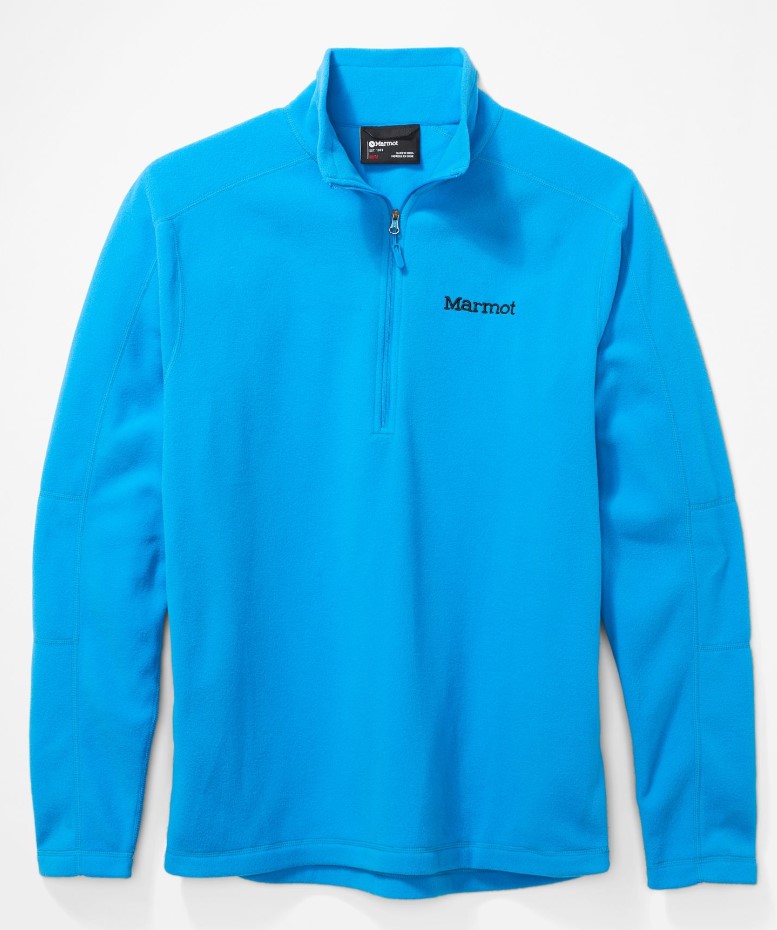
Marmot Rocklin Half-Zip Jacket (lightweight)

Fleece styles

  • Hoodie: A fleece hoodie is a great option when you won’t be wearing other layers over it (a hood can get in the way of a rain jacket). If you’re only bringing one fleece, don’t bring a hooded one.
  • Pull-over: Think of a crew-neck, V-neck, or quarter-zip fleece. It’s a versatile style and should be one of the fleeces you pack for Adventure Treks.
  • Jacket: This refers to a full-zip top. It adds a little extra bulk (and thus weight) and will often be a mid- or heavyweight option. Another great fleece to bring to Adventure Treks.

Fleece takeaways

  • A fleece is an essential and versatile piece of gear that we will use again and again at Adventure Treks.
  • You’ll never go wrong with a midweight fleece, and when in doubt, go with a pullover.
  • In the end, don’t worry too much about weight and warmth; as long as you have something that says fleece in the description and in the quantity shown in your packing list, you’ll be OK!

Interpreting the language of outdoor retail

When it comes to buying outdoor gear for Adventure Treks (or even for a personal trip), there’s nothing more daunting than trying to decipher every obscure label, material, fabric, and technology that comes with buying even the simplest outdoor item these days.

But Adventure Treks is here to help! This spring, we’re launching our Gear Series: Tips for Buying Outdoor Gear. We’ll discuss some of the materials, technologies, labels, and other features commonly found on outdoor equipment, and attempt to clarify their meaning, use, and how they’re helpful on an AT trip.

Insulated (aka “puffy”) clothing

Warm clothes don’t create heat to keep you warm when it’s cold and/or wet outside. (OK, there are some garments with built-in batteries and heating elements, but let’s not talk about those for now.) Products that are designed to keep you warm in the elements do so with the help of insulation: layers of material that trap warm air from your body and keep it close to your skin, while stopping cold air from the outside getting in.

While insulated bottoms exist, they’re not applicable for Adventure Treks, so we’ll stick to upper body layers like coats and jackets. Some Adventure Treks trips (like Alaska Expedition, Ultimate Northwest, and California Challenge) include insulated jackets on the packing list due to mountaineering activities or colder weather. However, if your child gets cold easily, you can pack an insulated jacket for their trip just in case—just please pack synthetic (see below).

Insulation glossary

Synthetic: Synthetic insulation comprises long, very fine strands of plastic, piled together to form a fluffy, gauzy-like material, typically formed into sheets and sewn in place between the outer fabric and lining of the product. Because the insulation is plastic, it’s naturally water-resistant and will not collapse and “mat” together when wet. Synthetic items allow the warm air to continue to be trapped against the skin and maintain an insulative property even while wet. Synthetic insulation is almost always less expensive than down insulation, but it will be slightly heavier and bulkier than its down counterpart.
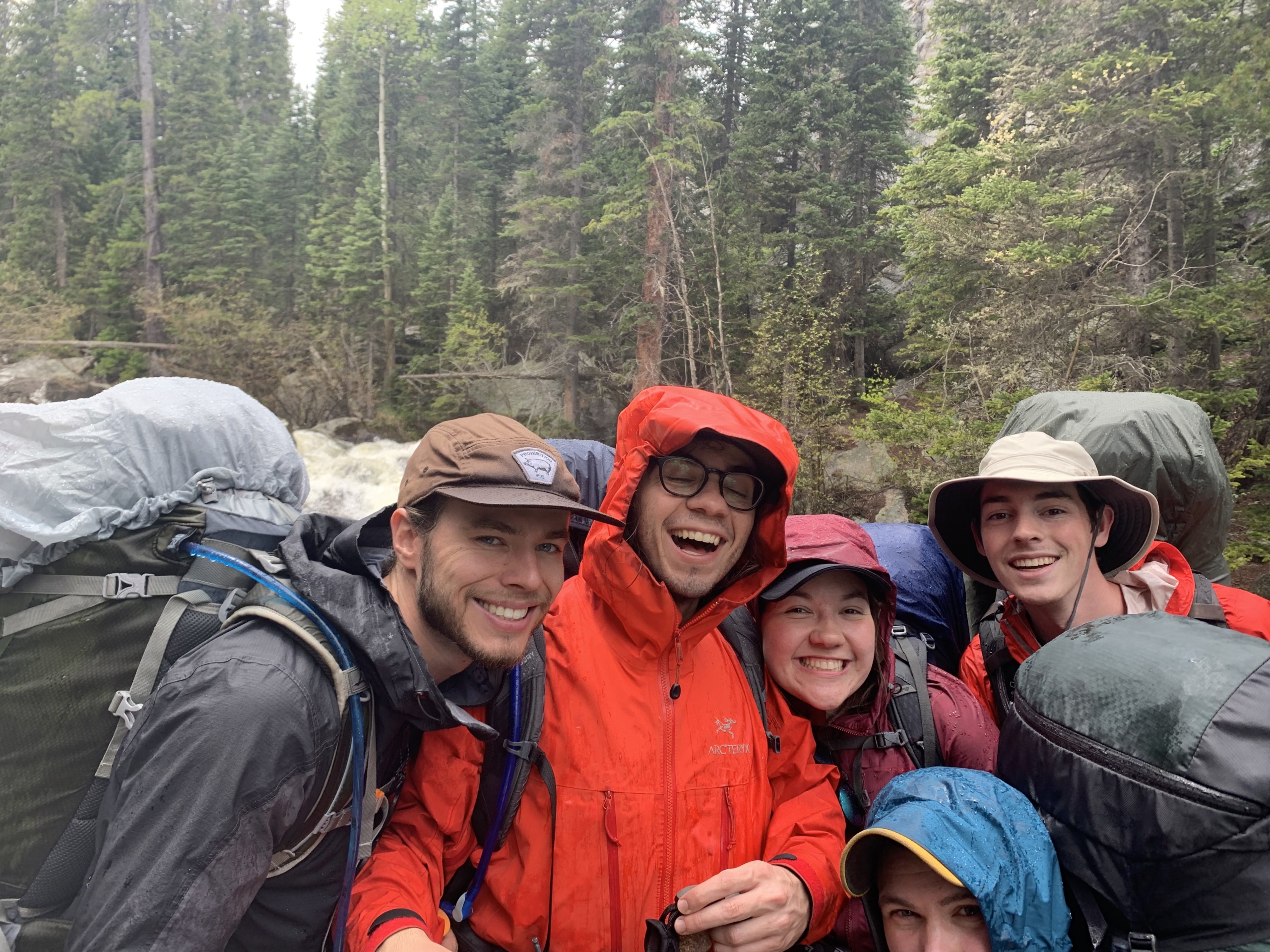
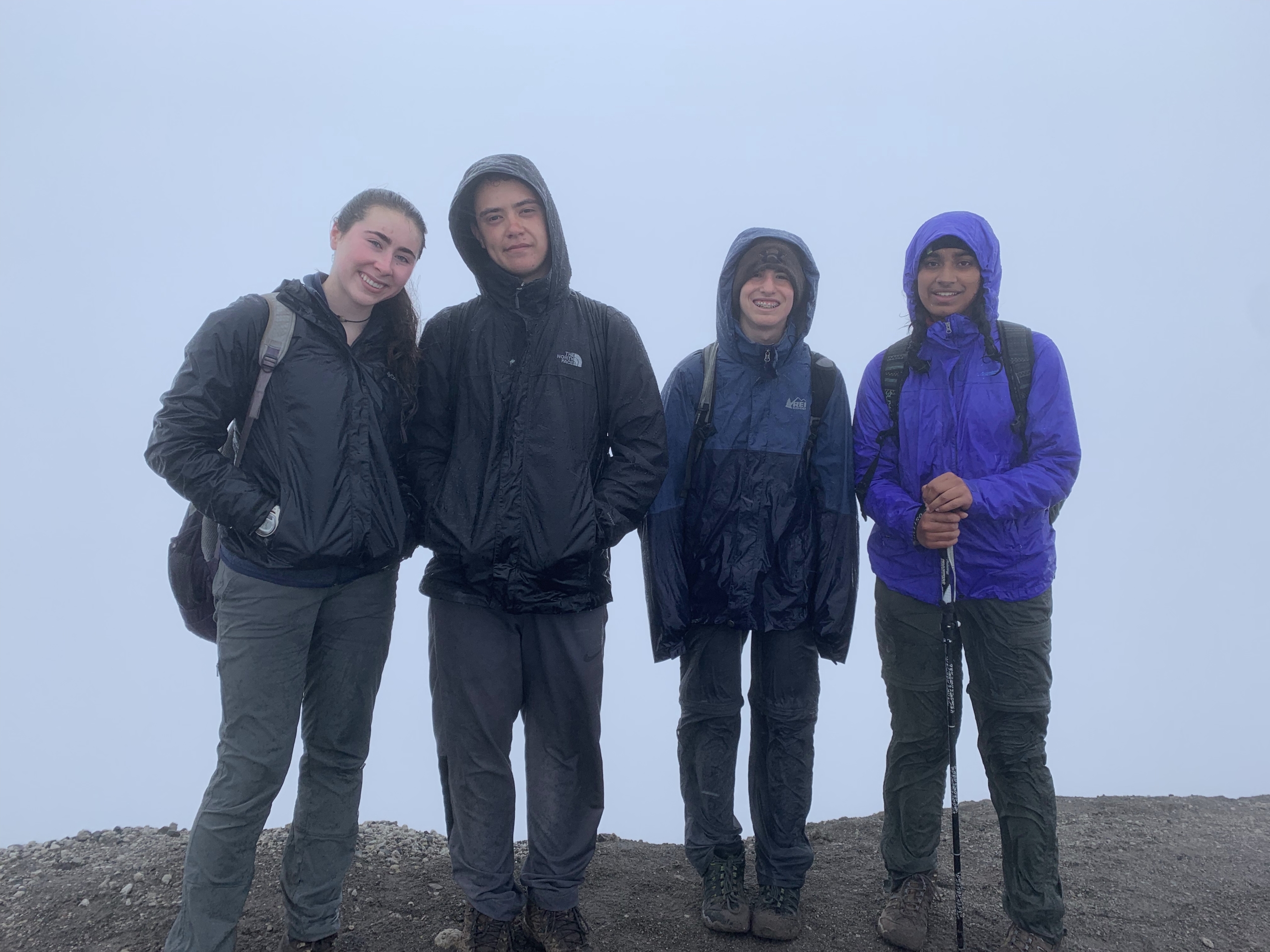
*We ask that students bring synthetic insulated jackets to Adventure Treks so that even if the material gets wet, it will keep your child warm.

Down: Down insulation uses the fluffy and soft down feathers, generally from ducks or geese, that help keep birds warm. These are very light and can trap a lot of air, so down insulation provides a fantastic warmth-to-weight ratio (essentially, it doesn’t need to be heavy to be warm). Because of its light weight and compressibility, down is a great choice when space and weight are an issue. The main drawback to down is that it doesn’t keep you warm when wet: In rainy conditions, these feathers will collapse, clump up, and mat, leaving no space for warm air to be trapped and rendering the jacket ineffective.

Fill power: This term describes the quality of down feathers used in a product, essentially measuring how the “loft” (how fluffy the feathers are, and how much air they can trap). Super fluffy feathers will trap a lot of air, so they will have a higher fill power. Feathers with more of the vein (that hard quill part of the feather) won’t trap as much air and will have a lower fill power. High loft = traps a lot of air. Low loft = not so much air. You’ll see this measurement listed as a number value, most commonly 650, 700, 800, and 900.

  • 650–700 fill: Good loft, slightly more quill so feathers sometimes poke through the face fabric of these products. Good warmth-to-weight ratio. Less expensive options
  • 800–900 fill: Very high loft and fewer quills on these feathers, so much less likely that feathers will poke through. Excellent warmth-to-weight ratio. Most expensive options

Insulation takeaways

  • If purchasing a new insulated jacket, go with down if you’ll be spending a lot of time in dry climates like California.
  • If you face the potential for lots of rain and snow (like in Alaska or the Pacific Northwest in winter), go with a synthetic jacket; these are typically a little more durable as well.
  • For an AT trip, go with a synthetic jacket or coat; parkas are not necessary for our trips.

Interpreting the language of outdoor retail

When it comes to buying outdoor gear for Adventure Treks (or even for a personal trip), there’s nothing more daunting than trying to decipher every obscure label, material, fabric, and technology that comes with buying even the simplest outdoor item these days.

But Adventure Treks is here to help! This spring, we’re launching our Gear Series: Tips for Buying Outdoor Gear. We’ll discuss some of the materials, technologies, labels, and other features commonly found on outdoor equipment, and attempt to clarify their meaning, use, and how they’re helpful on an AT trip.

Waterproof rain gear

Waterproof rain gear is an essential item on any outdoors packing list; no matter the weather, it’s an indispensable piece of your personal gear kit. With that said, it can be confusing to know if you’re purchasing the right item. “The list says rain coat; this one looks good, but it says it’s a hard shell, not a rain jacket. Will that work? Oh, it’s GoreTex; do I need GoreTex? Wait, what is GoreTex?”

To make your shopping easier, we’ve included some helpful terminology below with advice on choosing the right rain jacket and rain pants.

(Note that while we mostly talk about rain jackets, the following applies almost identically to rain pants.)

Rain gear glossary

Waterproof: An item that’s truly waterproof means it’s made from PVC vinyl or fabric that’s treated with a rubberized coating, creating an impermeable layer that water can’t get through. While these products are indeed waterproof, they’re heavy, bulky, and don’t” breathe” for hiking or other activities (the classic yellow fisherman’s coat comes to mind).

Because we’re so active in the outdoors at Adventure Treks, we need something that’s both waterproof and breathable (backpacking in a rubber coat would cause a swampy, sweaty mess).

Bottom line: Don’t buy this kind of jacket or pants for an AT trip.

Waterproof-breathable: The magic phrase! This describes technology built into a garment that prevents water from seeping through the fabric on the outside, while allowing water vapor from your body (i.e., sweat) to escape. Essentially, the “pores” in waterproof-breathable materials are small enough to keep water out, while still allowing vapor to escape. This means you can hike in this kind of jacket and not worry about sweating or getting that clammy feeling—while being protected from the elements.

Many companies have proprietary waterproof-breathable technologies such as Polartec’s Power Shield, Marmot’s PreCip, Patagonia’s H2No, or The North Face’s DryVent— but they’re all just different names for the same thing.

Bottom line: A waterproof-breathable jacket and pants are a MUST for any Adventure Treks trip—or if you live in a humid, rainy climate where you’ll spend a lot of time moving around outside.

Hard shell vs. soft shell: Hard shell simply refers to a waterproof-breathable fabric that has no insulation (like a heavier ski jacket). It doesn’t keep you warm and dry, just dry. We like to layer fleece jackets or comfortable baselayers under a rain jacket to keep warm.

A soft shell is a pliable fabric made from woven synthetic fibers that is, well, soft and feels more like a sweatshirt than a rain jacket. While not waterproof, these fabrics are often treated with DWR (see below) to provide some protection. While they provide some insulation and protection from the wind, they’re not acceptable substitutes for rain protection.

Bottom line: Your Adventure Treks rain jacket should be a hard shell jacket. 

DWR (durable water repellent): This is a treatment applied to a fabric to create a hydrophobic (“water-fearing”) surface. This is what causes water to “bead up” on the surface and roll off instead of soaking in. However, DWR does not mean it is waterproof!

Bottom line: DWR does not equal waterproof-breathable; make sure you purchase waterproof-breathable.

GoreTex: Similar to Kleenex or Velcro, GoreTex is a brand name commonly used as a “catch-all” for waterproof-breathable technology. GoreTex  is widely considered to make the most effective waterproof-breathable membrane, and therefore can be commonly found on many different brand-name clothing. GoreTex is durable and reliable; if you plan to spend many hours being active outdoors, then it makes sense to spring for GoreTex.

Denier: This is a term that describes how thick a fabric is, and it often appears in a product description as a number followed by a “D” (e.g. 30D). The lower the number, the thinner and lighter the fabric. 10D is very light (think pantyhose); 300D is very thick (think heavy canvas). Most rain jackets are somewhere in the 30–50D range.

Rain gear styles
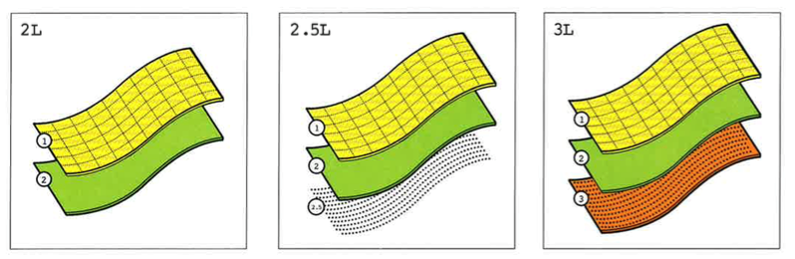
  • 2-layer shell: This refers to rain gear that comprises the “face” (outer) fabric and the waterproof-breathable membrane on the inside. These two layers are laminated together or sprayed on as a coating.
  • 2.5-layer shell: This is the similar to the 2-layer; these products are usually more affordable, but they are slightly less durable. Plus, people often report feeling a little clammy or moist on the inside.
  • 3-layer shell: The same first two layers are laminated together (“face” fabric and inner waterproof-breathable membrane), but they have an additional durable layer laminated on the inside of the jacket. This “fabric-membrane-fabric” sandwich creates a highly durable, 3-layer shell that feels like a single piece of fabric. This is often the most expensive option because of the extra material and higher quality fabric; it also has a more advanced look and design.

Suggested rain jackets
  • 2-layer hard shell: Marmot PreCip Jacket (men’s and women’s)
  • 2.5-layer hard shell: Outdoor Research Apollo Jacket (men’s and women’s)
  • 2-layer hard shell with GoreTex (my personal favorite and in my opinion the absolute best jacket for the money): Marmot Minimalist Jacket (men’s and women’s)
  • 3-layer hard shell without GoreTex: Patagonia Torrentshell (men’s and women’s)
  • Other recommended brands: REI Co-op, Columbia, Mountain Hardwear, The North Face

Our rain gear takeaways

So, we just threw a lot of technical terms out there. What does it all come down to? For an AT trip, pick a waterproof-breathable hard shell that keeps you warm and dry. Rain jackets must have a hood and should fit comfortably over fleece and baselayers. Just like the jacket, the rain pants need to be a waterproof-breathable shell that fit over your hiking, fleece, or baselayer bottoms. You might consider full side-zippers to get in and out of them more easily.