

Cold Feet Before Returning to Camp is Normal. It’s Not a Sign They Shouldn’t Go
If your child had a great summer at Adventure Treks (or any other camp) and is now saying they’re unsure about going back, you’re not alone. This can happen to anyone, even with returning students who thrived the previous summer.
It’s a little confusing for parents to navigate, and it might even throw up a red flag.
However, in most cases, it’s perfectly OK and not all that uncommon.
What you’re seeing is a normal psychological response called anticipatory anxiety, aka stress or fear that shows up before something meaningful, especially when it involves growth, independence, or social connection. Anticipatory anxiety doesn’t mean something is wrong. It just means that that particular experience matters and was important in some way.
Why cold feet show up after a great experience the previous summer
“Belonging uncertainty” peaks during adolescence
Teenage brains are highly sensitive to social structures. In fact, it drives their every move. Research on “belonging uncertainty” shows that even small doubts about fitting in can have a dramatic response, especially before reunions.
In his book 10 to 25, psychologist David Yeager explains that adolescents are sensitive to social structures because their brains are wired to prioritize status, respect, and—you guessed it—belonging.
The stakes feel higher the second time
The first summer is full of novelty. The second comes with expectations. Your child now knows how much Adventure Treks mattered—to their friendships, confidence, and identity. That awareness can make returning feel heavier, not easier.
Psychologists have found that anxiety increases when outcomes feel personally significant, even when past experiences were positive.
This isn’t a bad thing.
Avoidance brings instant “relief” but teaches the wrong lesson
If a child backs out of something scary, they usually feel immediate relief. But that reinforces avoidance, not strength or the belief that they can overcome hard things. Research on anxiety shows that short-term comfort actually increases anxiety long-term by teaching that discomfort should be escaped rather than overcome.
Quitting seems to work in the moment—but it won’t help kids build real confidence or resilience.
They’re afraid of losing something good
Many teens worry that returning to another trip with the same camp won’t live up to last summer, or that friendships will feel different. That makes sense; after all, no two trips or groups are the same, and people do grow and change during the school year.
But this anxiety is just an attachment to that great experience last summer. They’re simply protecting something good that happened and mattered to them.
What’s important to remember is that none of this means that camp isn’t right anymore. It just means your child is going through normal teenage development, and that an experience like Adventure Treks was important to them.

What parents often do (with good intentions) that can backfire
Most parents respond in one of two ways:
- They try to eliminate the anxiety by reassuring or negotiating
- They let the decision be driven by the feeling and give in to this fleeting anxiety
Both come from a good place, but both send the message that:
- This feeling is dangerous (it’s not), and
- We don’t believe they can do hard things (we do).
Research shows that children build confidence not by avoiding discomfort, but by learning they can move through it. The strongest predictor of confidence is self-efficacy, or the belief that “I can handle hard things” (hey, that’s our motto and on the inside of our hats!). This belief can only be built through real experiences. We can’t “reassure” it to them.
Our goal is for teens to learn that they can be nervous and still follow through on something that matters. That is an important life skill to realize at this age.
Camps like Adventure Treks—and other meaningful, independent experiences—are some of the safest places for teens to practice this skill. Studies on youth development consistently show that structured, supportive experiences away from home help reduce anxiety over time and strengthen independence, social competence, and emotional regulation.
What to say if your teenager is uncertain
You can validate their feelings without letting them overwhelm or take over the decision to go to camp. Here are a few things you can say:
- “That sounds like nerves. And it’s normal to be nervous before something important.”
- “It’s OK if you don’t feel 100% ready to go—you just have to take the first step by showing up and being yourself.”
- “Let’s think on this for a while, instead of making a big decision based on a temporary feeling—especially with how fun last summer was. Let’s talk about some of those memories.”
- “Remember how you handled the first few days last year? You’re even stronger now, and you can handle them again.”
By using calm, confident language, you’re helping settle their nervous system and reinforcing your belief that they can get through a hard feeling.
A few more practical ways to help build their confidence
- Limit reassurance loops, or compulsive reassurance seeking. Talking endlessly about fears keeps anxiety front and center. Keep your conversations caring but short and grounded.
- Focus on the first day only. Anxiety fades when the task is concrete and easy to understand.
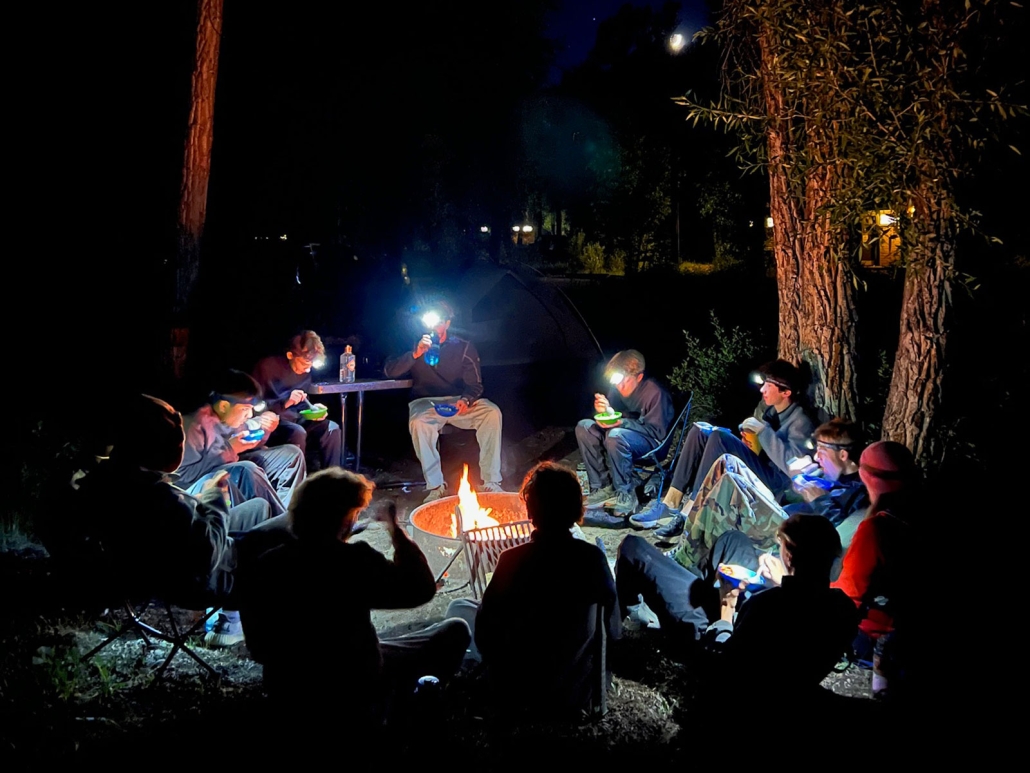
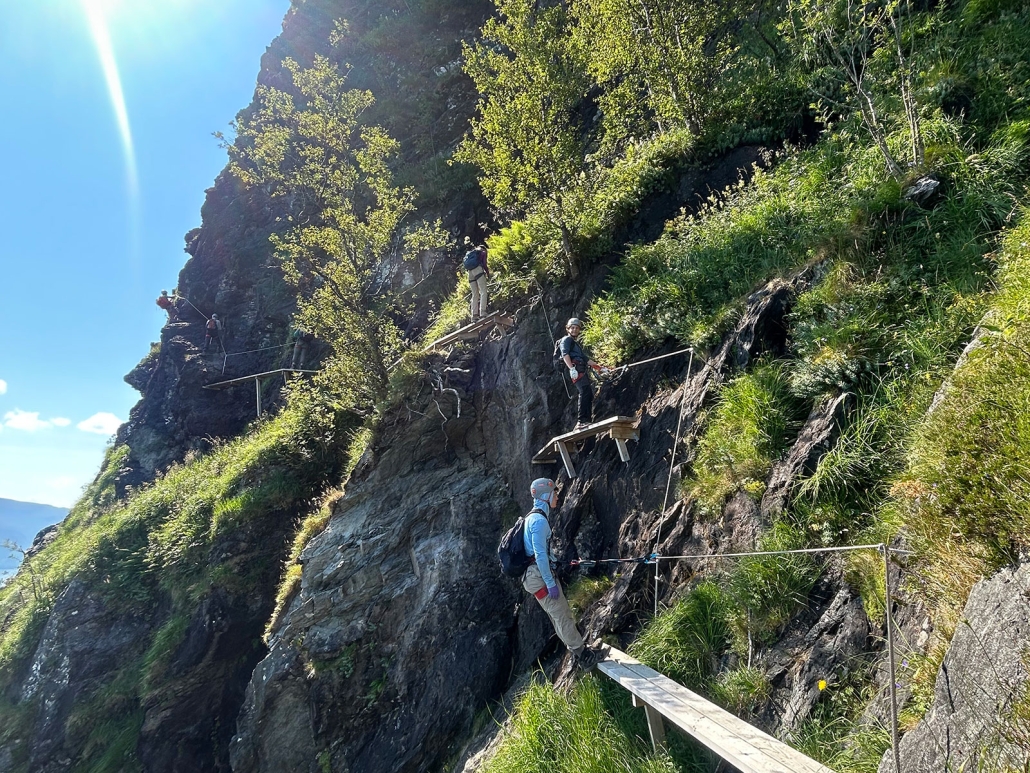
- Remind them with evidence! Looking through last year’s photos and trip blogs and retelling stories helps counter fear with facts and turns the conversation positive.
- Hold the boundary kindly. If last year was a positive experience, staying the course is often the best choice as it supports their continued growth and development.
The bottom line
Remember, cold feet before returning to camp doesn’t mean your child has changed their mind. It usually just means that this is an important experience that holds weight.
By holding steady and not letting fear make the call, you’re helping your child show courage, practice follow-through, and build confidence the right way.

AT is here to help!
If your child is expressing nervousness, cold feet, concerns about homesickness, or just has some questions about their upcoming trip, let’s chat! We can turn that nervousness into excitement.