Beyond the Adventure: The Quiet Power of Gratitude Teens Gain on the Trail

Written by Jill Johnson, admissions coordinator

When parents send their kids off for a summer adventure, we usually hope they come home with dirty boots, new friends, a newfound sense of confidence, and fun stories and inside jokes about campfires, their instructors, natural beauty, and everything they accomplished.

What’s harder to anticipate is the quiet, lasting shift in how our kids carry themselves—and the new habits they bring home to their everyday lives.

I’ll never forget a call I got from a mom one fall, years ago, after I finished a summer directing a youth wilderness camp outside Vail, CO. Her son had finished camp a few months earlier. This mom had noticed a shift since he came home, but for weeks she couldn’t put her finger on it. While waiting in the school pickup line, she watched him walk toward her, smiling, and it clicked: The tension he used to carry in his shoulders was gone, and her heart was so full she just had to call and tell me.

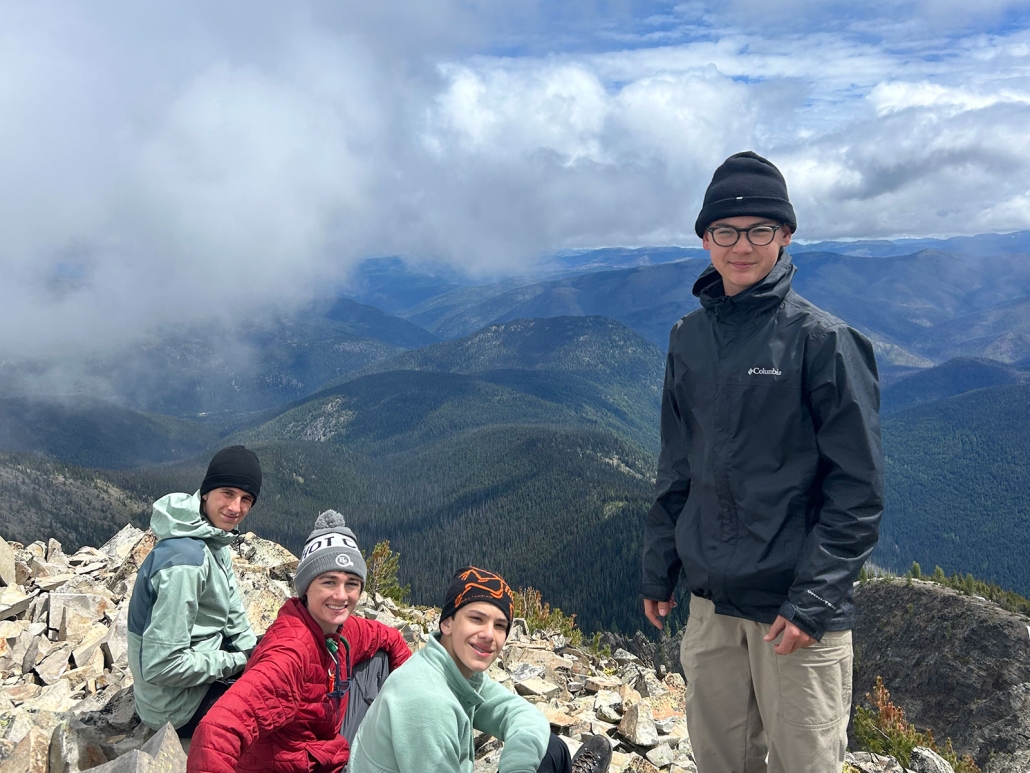
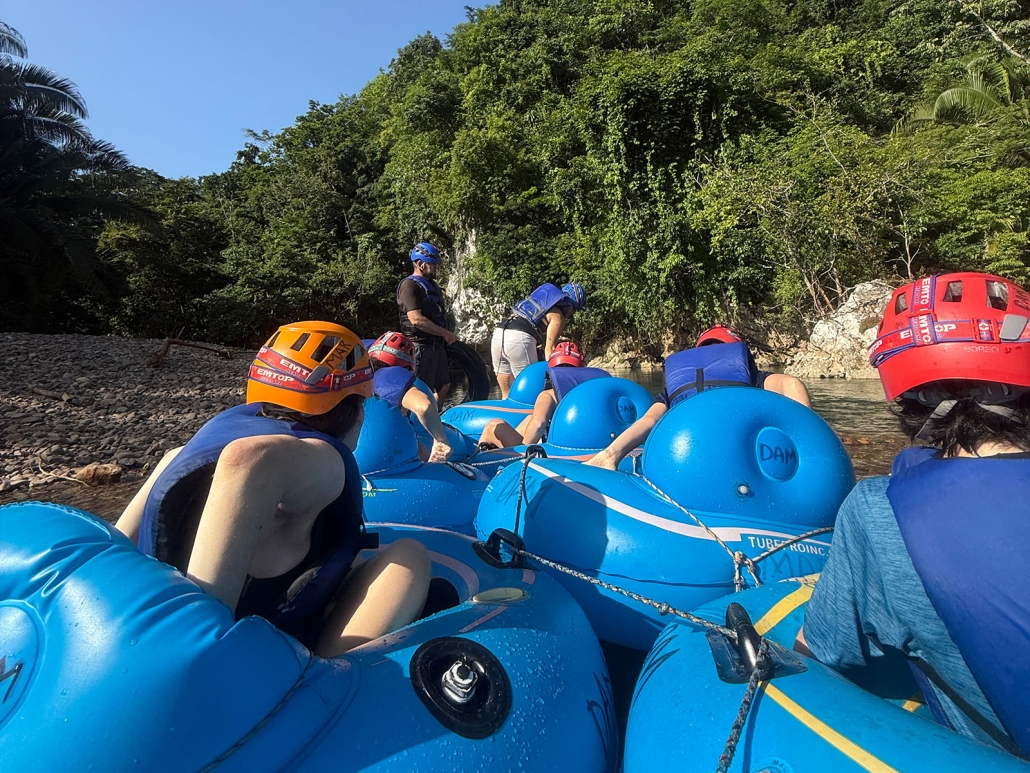
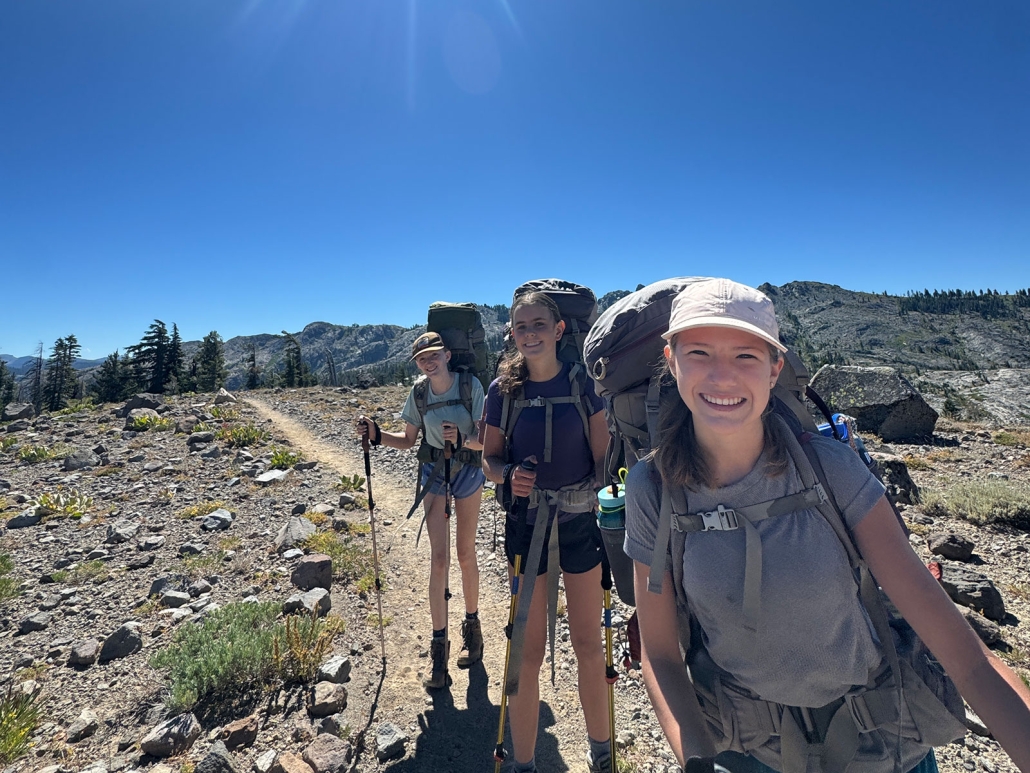
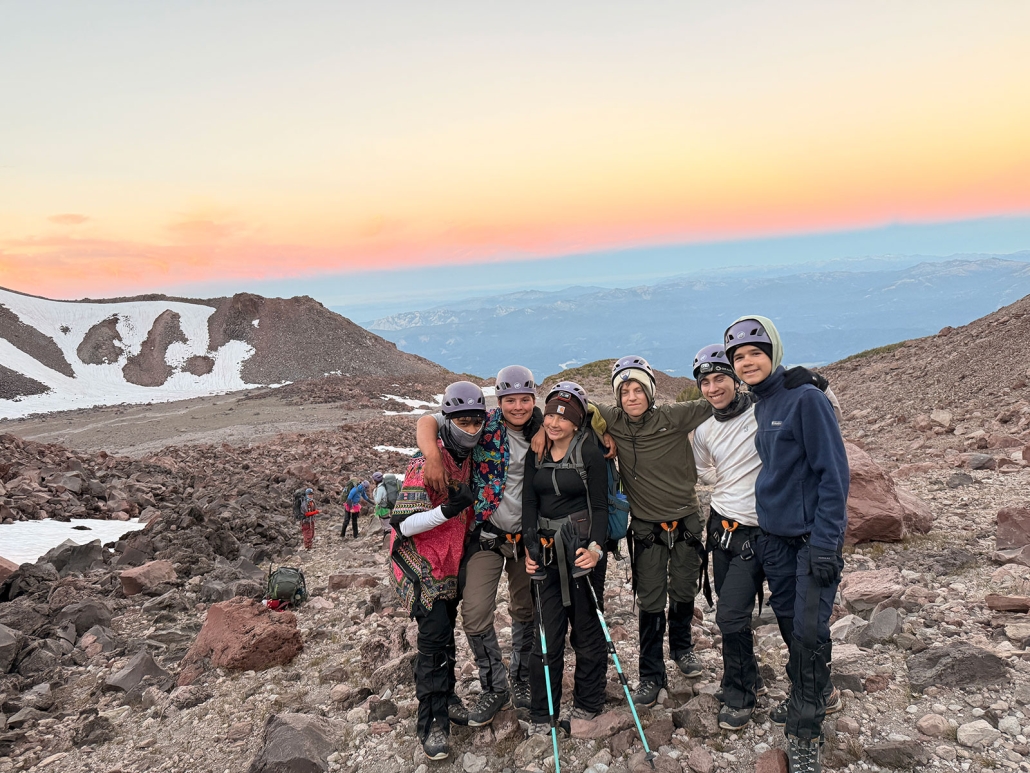
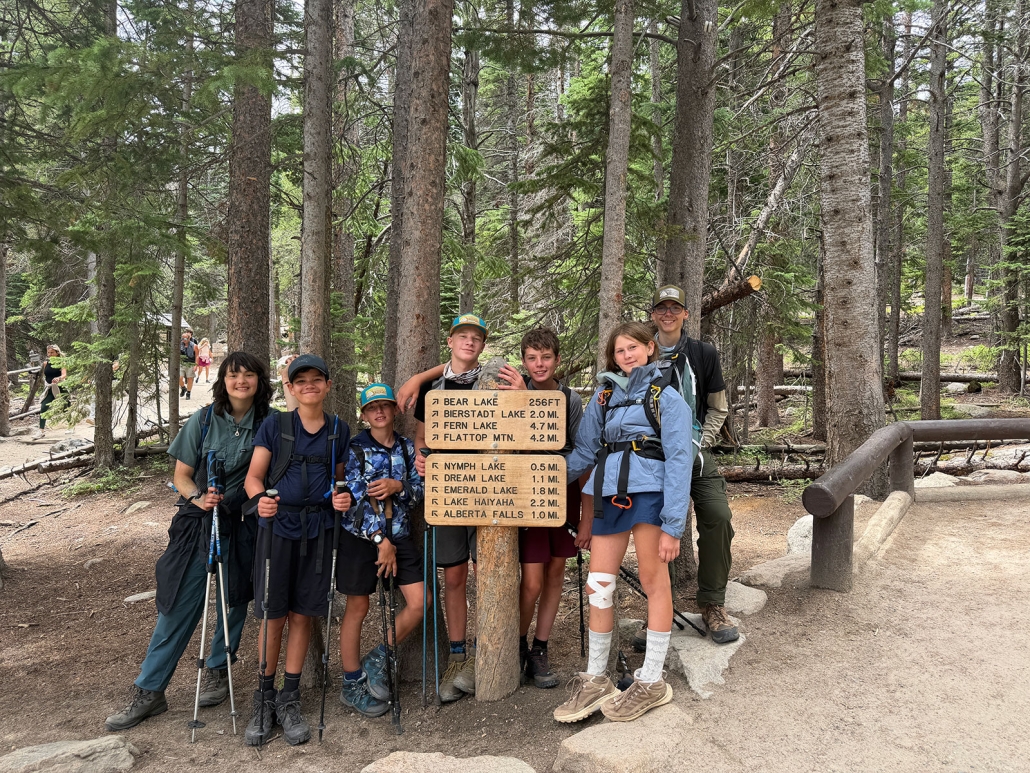
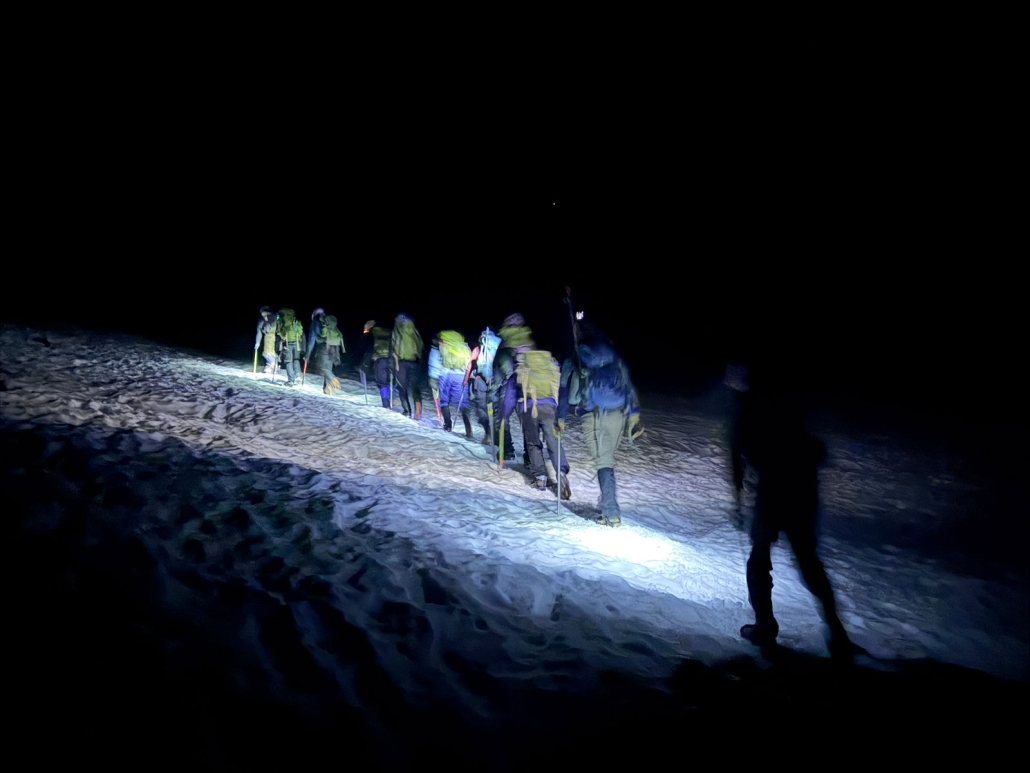
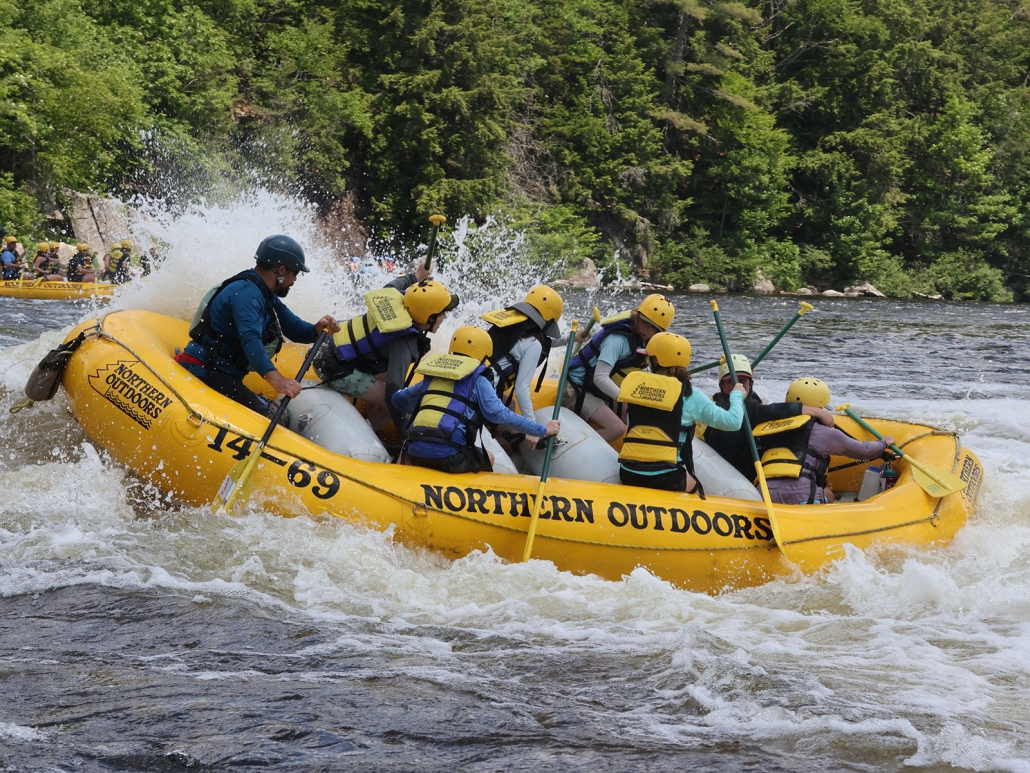
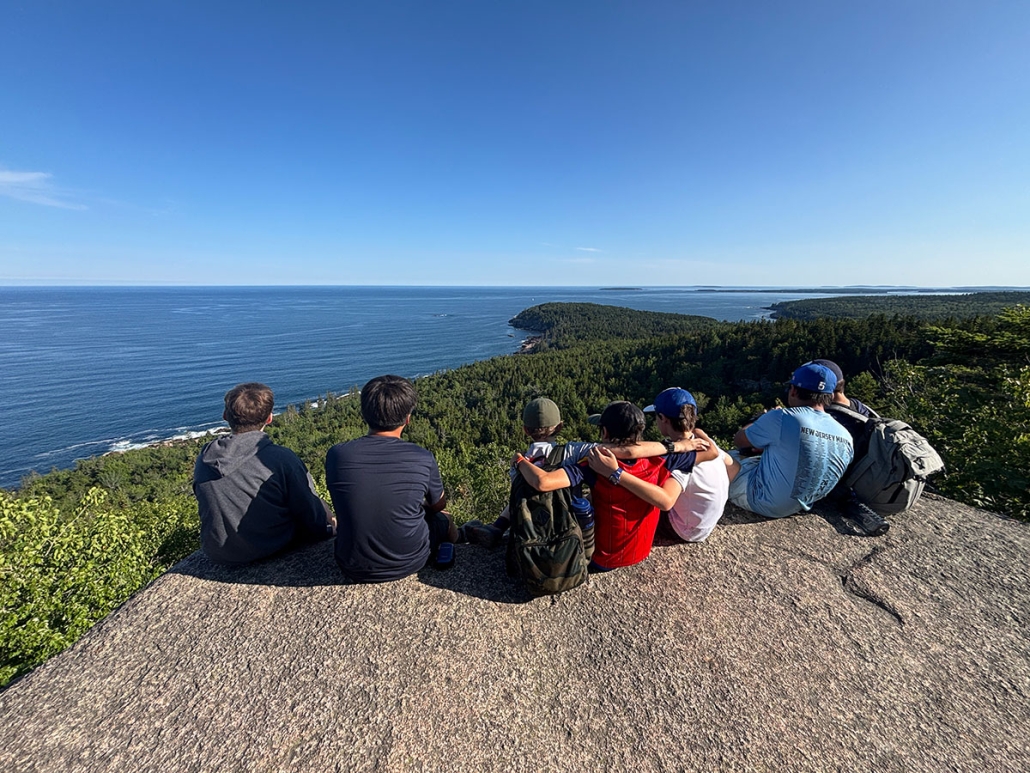
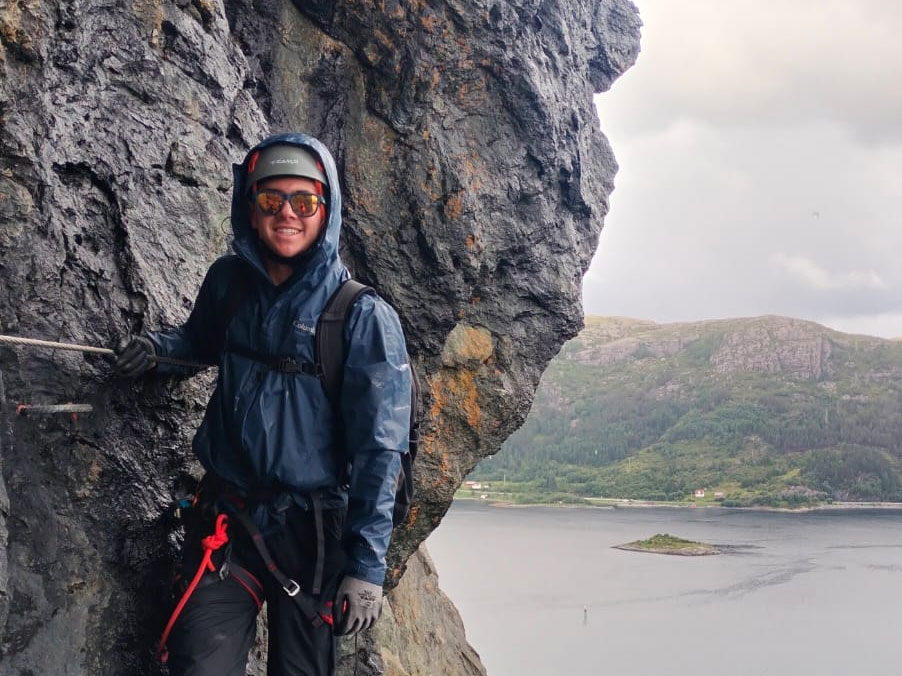
Out on an adventure—setting off on multi-day backpacking trips, summit a mountain, scaling rock domes, paddling through rapids, or just helping out around the campsite—teens are (thankfully) free of everyday distractions, which leaves room for a powerful, life-changing habit: Practicing genuine gratitude for their own minds and bodies, and for the community adventuring alongside them.
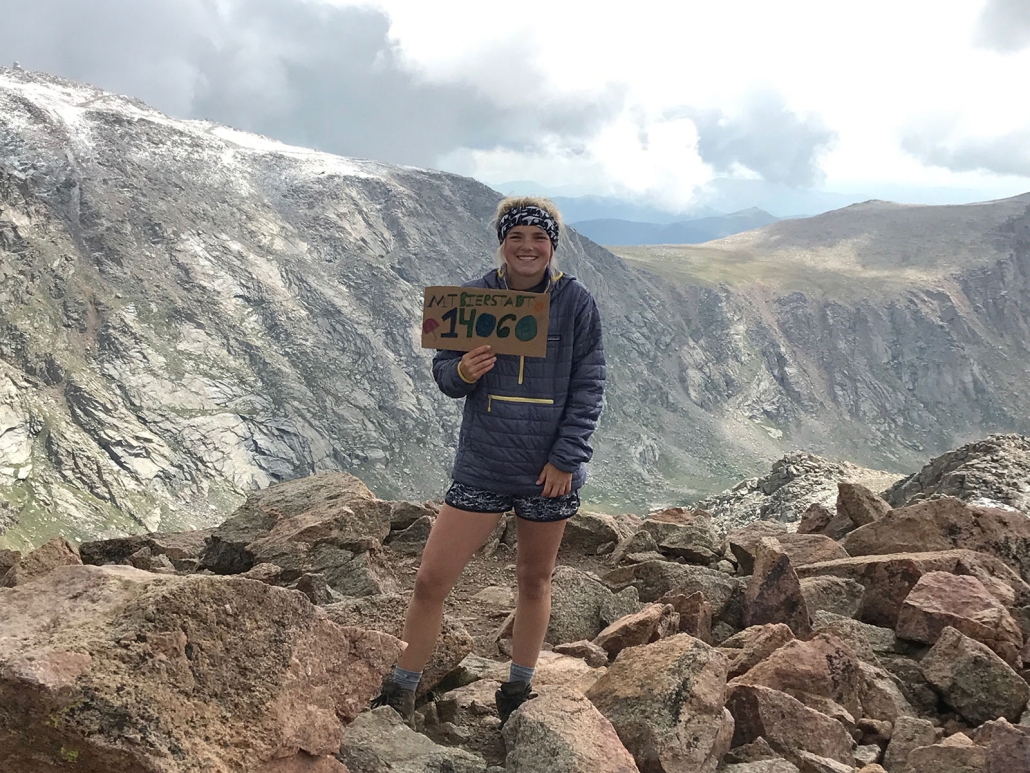
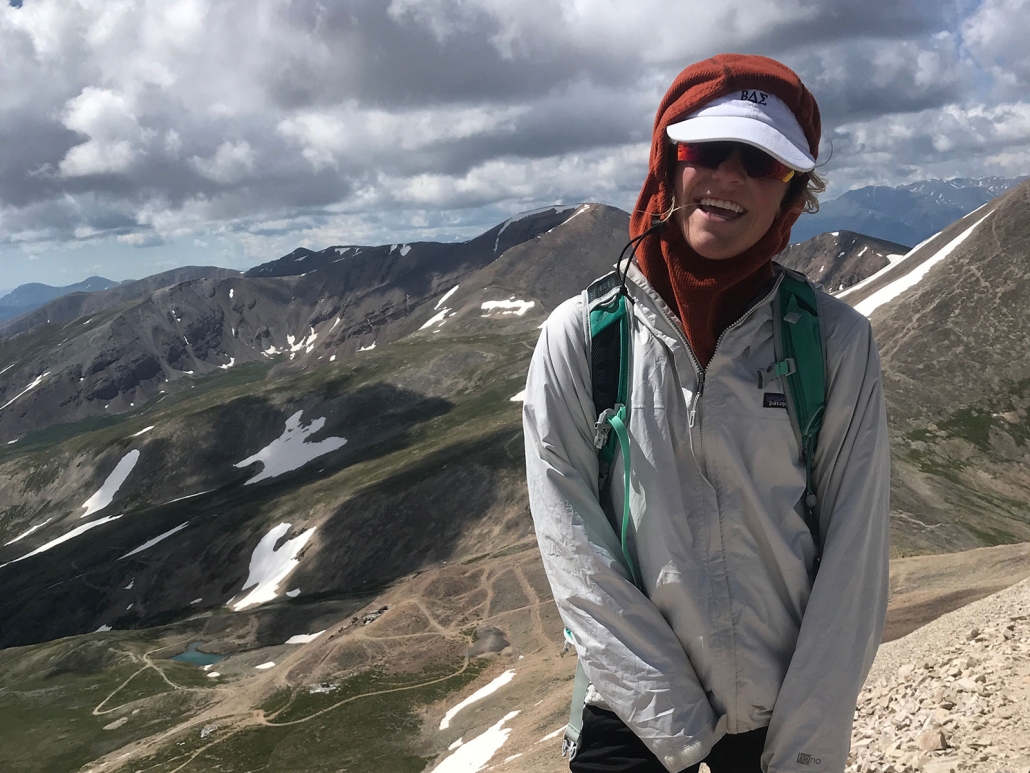
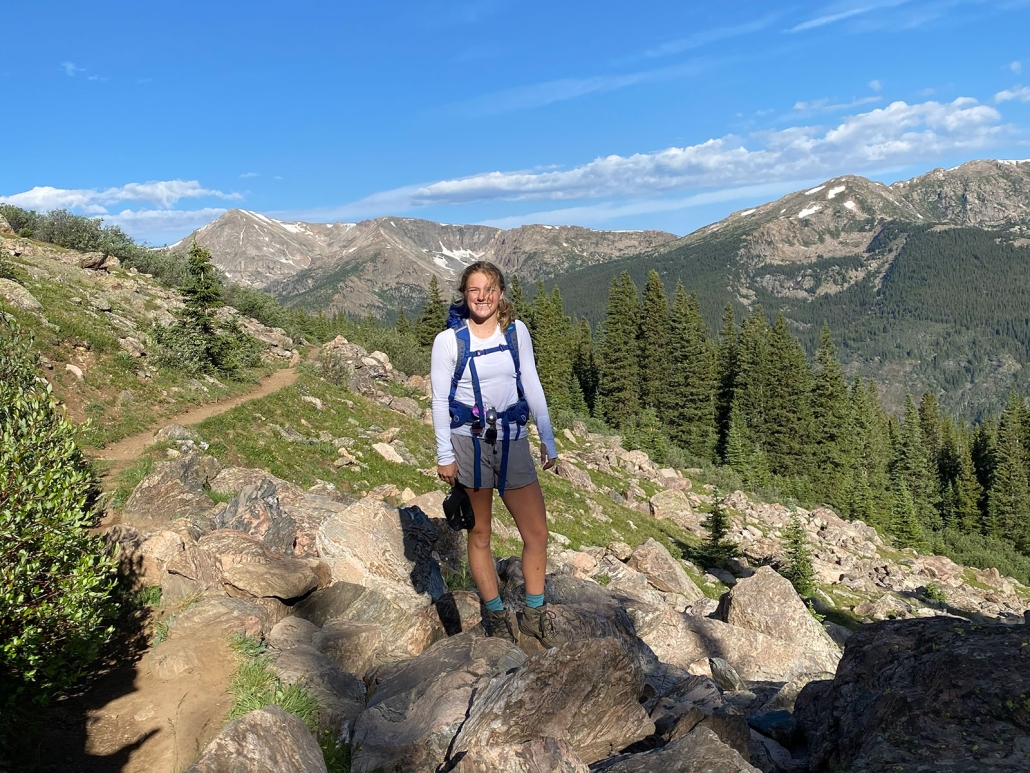
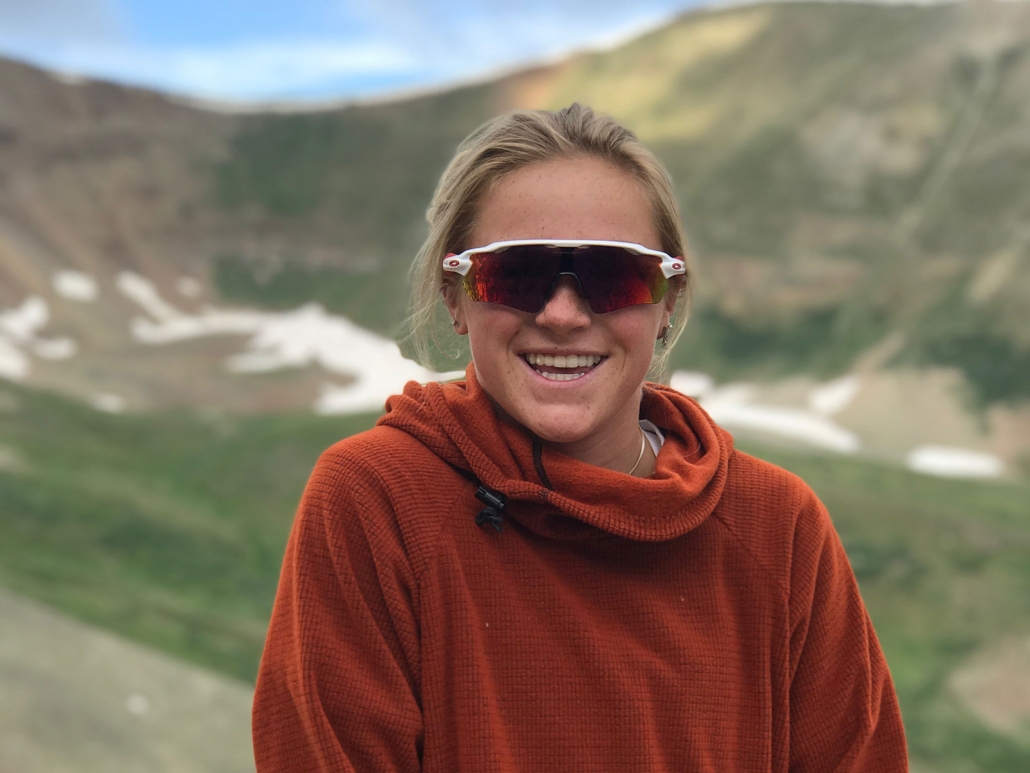
Above: Jill’s daughter Bryce Ellen on her camp adventures

Gratitude for the body: Discovering their strength

In everyday life, it’s easy for teens to take their bodies for granted, or feel critical toward their appearance due to unrealistic expectations from social media. Out in the wilderness, though, that focus shifts entirely to what the body can actually do.

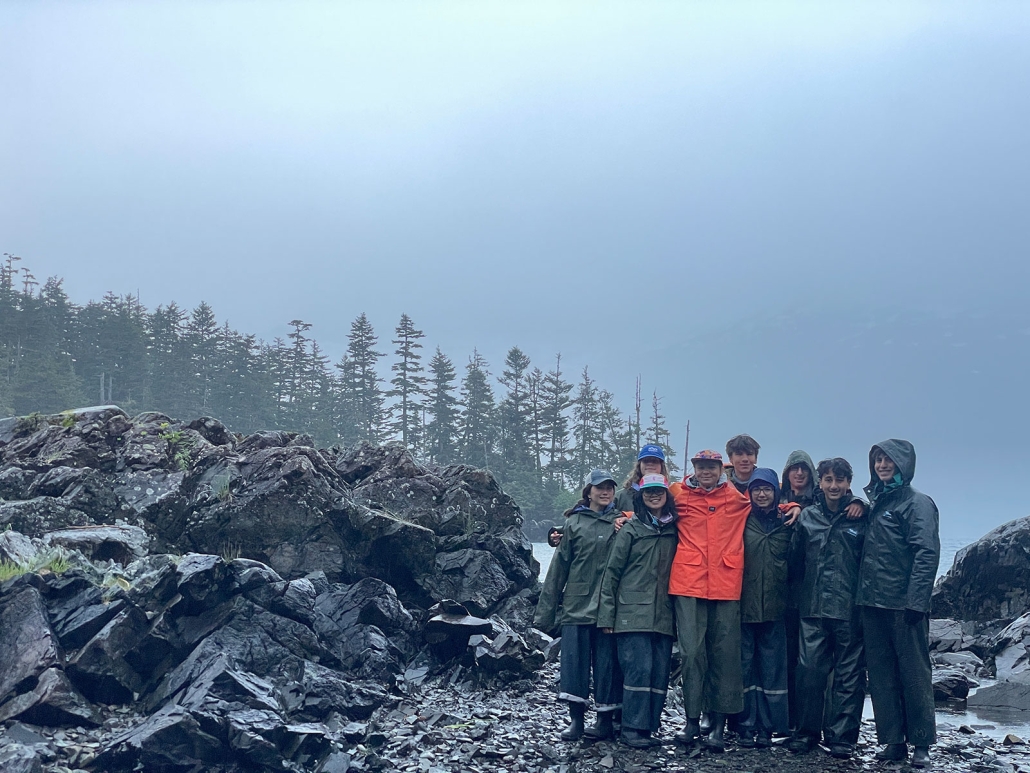
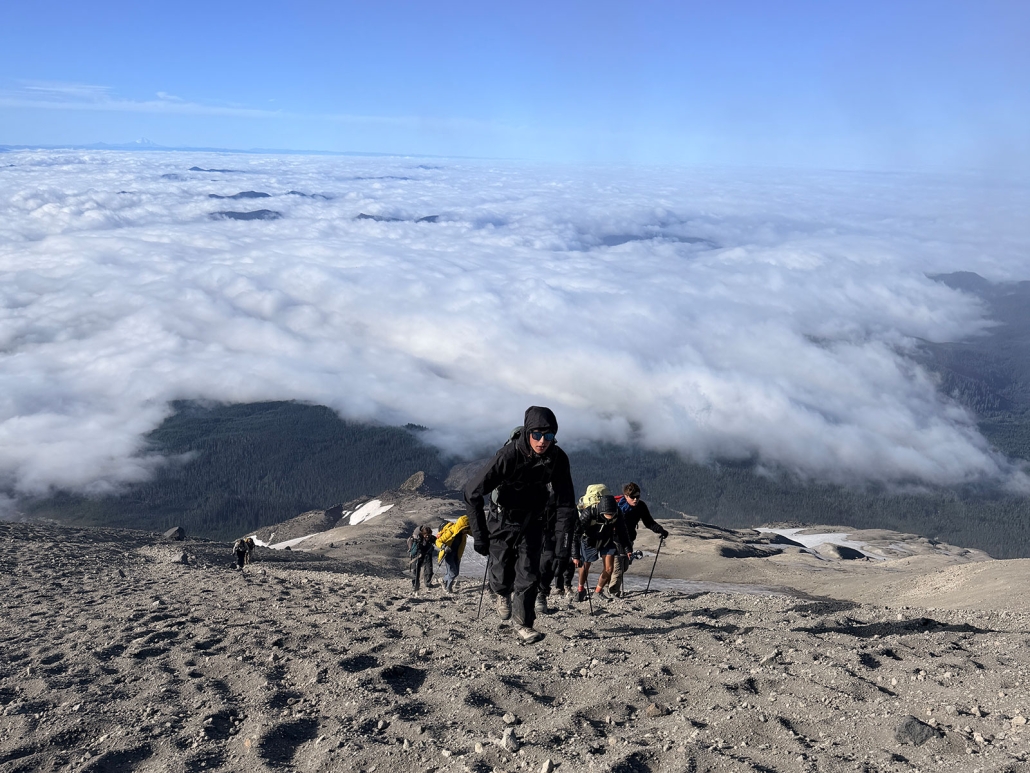
Pushing up that final steep stretch of Mount St. Helens, paddling through rain on a stormy Alaska sea kayak, mountain biking up singletrack in Bend… these all require real physical effort. And though it’s hard in the moment, these activities help teenagers begin to see their bodies as strong, reliable partners that will take them amazing places—not things to be judged. They’ll soon learn to:

  • Appreciate strength and endurance: Instead of dwelling on sore muscles after a long day hike, students learn to appreciate the legs that carried them to the summit and the arms that powered their kayak across the water.
  • Honor physical needs: Through active outdoor days, students learn to listen to their bodies, recognizing that drinking water, eating good food, and resting at camp are ways of thanking their bodies for working hard.
  • Build real, lasting confidence: Completing a day of canyoneering or a hard climbing route that took several tries gives students a tangible sense of pride in their physical resilience.

As Dr. Robert Emmons, a leading scientific expert on gratitude and author of Thanks!, has shown in his research, actively practicing gratitude lowers stress hormones and strengthens physical well-being. When teens appreciate their physical strength rather than taking it for granted, they develop a grounded confidence that carries into everything they do.

Gratitude for the mind: Embracing growth through challenge

Outdoor adventure brings moments of mental friction, like knowing you have several miles left to get to camp, figuring out the gears on your mountain bike for the first time, or setting up camp in the rain. Often, a young person’s first instinct is to doubt themselves or wish for comfort.

The beauty of adventure is that it teaches teens to pause in those uncomfortable moments and recognize their own mental grit. Stanford psychologist Dr. Carol Dweck, famous for her research on the growth mindset, explains that when young people view struggle as their brain actively growing stronger, they become calmer and more adaptable under pressure.

At Adventure Treks, students put this science into practice every day. Instead of giving in to frustration, they learn to move through the hard mental moments and become proud of themselves for staying calm, adapting to new environments, and pushing past perceived limits.

Watching teens realize that they are mentally tough enough to handle uncertainty and do hard things is one of the greatest gifts of an outdoor program. That shift from self-doubt to self-appreciation builds a quiet resilience that stays with them long after their trip is over.

Gratitude for others: Lifting the entire trail community

On a wilderness adventure, nobody succeeds in isolation. A successful day depends on the whole group working together—whether that means helping cook a delicious meal that feeds the whole, redistributing the weight of group gear on a backpacking trip to help someone who’s struggling, paddling in sync to propel your boat forward, or simply offering words of encouragement when someone feels down.

Adventure Treks creates an environment where vocalizing gratitude becomes second nature, and psychology shows why this simple habit transforms the entire group.

  • How it lifts the receiver: Psychologist Dr. Sara Algoe, who developed the “Find, Remind, and Bind” theory of gratitude, found that expressing genuine thanks acts as social glue. A sincere “thank you for helping me set up my tent” or “thanks for encouraging me on that climb” makes your peers feel deeply valued, capable, and seen.
  • How it grounds the giver: Dr. Emmons’ research also shows that practicing gratitude pulls people out of self-focused fatigue. Putting aside personal fatigue to appreciate a peer or instructor helps interrupt that cycle of “this is hard, I can’t do it.”
  • How it unites the whole group: Social psychologist Dr. Jonathan Haidt, author of The Happiness Hypothesis and Anxious Generation, notes that shared physical challenges and feeling a sense of awe in nature flip our “hive switch”—which means moving teens out of self-conscious isolation and into group bonding. Coupled with what Dr. Algoe calls the “witnessing effect,” where simply hearing peers thank each other makes the entire group more cooperative, gratitude turns a collection of individual teens into a deeply supportive adventure family.

Expressing gratitude is a deeply ingrained and daily practice at Adventure Treks through our nightly evening meeting and plus/delta time—students are given the floor to publicly and genuinely praise and thank their peers for their contributions that day. By the end of a trip, staff usually have to limit the number of pluses because students have so many to give to each other that evening meeting would go on for hours!

Carrying this trail mindset into everyday life

The real magic of Adventure Treks is not just the thrill of the mountains, the water, and the trails—it’s who the students become while navigating them, and the community where everyone belongs that they create together. By learning to thank their own minds and bodies for carrying them through challenges, and by lifting others up with sincere appreciation, students leave their adventures stronger, kinder, and more grounded.

Looking back, when I sent my daughter out onto her adventures, I hoped for the same things most parents do and missed her almost every day.  What I did not expect was how every time she returned home, she was not tired—she was relaxed. Her body and mind had slowed to a more natural pace. I was met with warm eye contact, a genuine smile, a quiet self-assurance that continued to grow year after year. I will never forget the look on her face when she said,” You are not going to believe what I did!”