Should Sports Take Over the Whole Summer?

Video games used to be our biggest competition for how kids spent their summers. Now, it’s sports and unyielding, year-round training. Here’s our take (backed by science!) on why we shouldn’t push kids to train in their sports all summer long without a break—and why Adventure Treks provides the perfect counterweight of active recovery for student athletes.

What the science says about teen sports and burnout

For many teenagers today, summer no longer looks like a break.

Instead of getting time to recharge, explore new interests, or simply be outside for fun, summer has become an extension of the school year—packed with sports practices, travel teams, private coaching, and relentless pressure to “stay competitive.”

Most parents don’t push their kids in sports because they expect their child to go pro. Most of the time, they’re hoping sports will build discipline, confidence, strength, and resilience.

But a growing body of research suggests that year-round, single-sport training during adolescence may actually undermine the outcomes parents care most about.

The odds of “going pro” are smaller than parents like to admit

Across major U.S. sports, the number of teenagers who eventually compete at the professional level is extremely small—well under one percent. Even reaching NCAA Division I athletics is rare, making professional careers rarer still.

That doesn’t mean sports aren’t worthwhile or enjoyable. But we should stop and ask why we encourage teens to sacrifice their rest, time to explore other interests, and enjoyment in favor of year-round training.

So this begs the question: If the chances of most of our kids going pro are that slim, why do we push them so hard at such a young age?

What the latest science says about “early specialization”

In 2024, a major review published in Science examined decades of research across sports, music, chess, and other high-performance activities. The findings challenge one of the most common assumptions in youth sports culture: They show that early, intense specialization is not an indicator of long-term success.

The researchers found that early standout performers (i.e., kids) and elite adult performers are often not the same people. In fact, only a small fraction of high-performing children go on to become top performers as adults. Across different fields, there was roughly a 10 percent overlap between the early high achievers and elite adult performers.

Even more telling, many adults who eventually reached the highest levels of performance didn’t focus on their activity at a young age.

Instead, they spent their youth developing a broad base of skills and interests before narrowing their focus later on.

TLDR: Year-round training focused on a singular activity is not a reliable indicator of future success. Rather, well-rounded young people end up becoming more successful at a specific craft in adulthood.

Burnout goes beyond the physical

Sports medicine and pediatric organizations have been raising concerns about year-round specialization for years because youth athletes who train continuously in a single sport face:

  • Higher rates of overuse injuries
  • Greater emotional exhaustion
  • And increased anxiety and loss of motivation

This is why experts recommend regular rest days and multiple months off each year from a single sport.

Burnout shows up in a lot of different ways, especially mentally and emotionally. The pressure of competing replaces joy, the fear of failure takes over the natural process of building resilience, and obligation becomes a primary driver over curiosity and inherent motivation.

Once burnout happens, even the most talented athletes often walk away—not because they lack motivation or ambition, but because the effort and whole experience no longer feels sustainable to them.

Intense athletic training also comes with identity risk

Adolescence is a critical time for identity development. Teens need space to explore who they are, what they enjoy, and where they feel capable—beyond a single role or label.

When one activity dominates every season and social circle, setbacks like injury, plateau, or transition can feel destabilizing. Research shows that teens whose identities are too narrowly defined by sports often struggle more with change and uncertainty.

Finding a great balance in passions and hobbies doesn’t mean abandoning sports; it just means leaving room for teens to discover strengths and interests they don’t even know they have.

Why summer break is so important

Summer is one of the few extended periods when teens can step away from the constant evaluation and comparison they face in school, social media, and sports. It’s a natural window for recovery in all aspects of the word.

It’s important to remember that rest doesn’t equal inactivity. Again, the research consistently shows that varied physical activity—like cross-training, or often called diversification—supports:

  • Long-term athletic resilience
  • Lower injury risk
  • Greater motivation
  • Lifelong engagement with movement

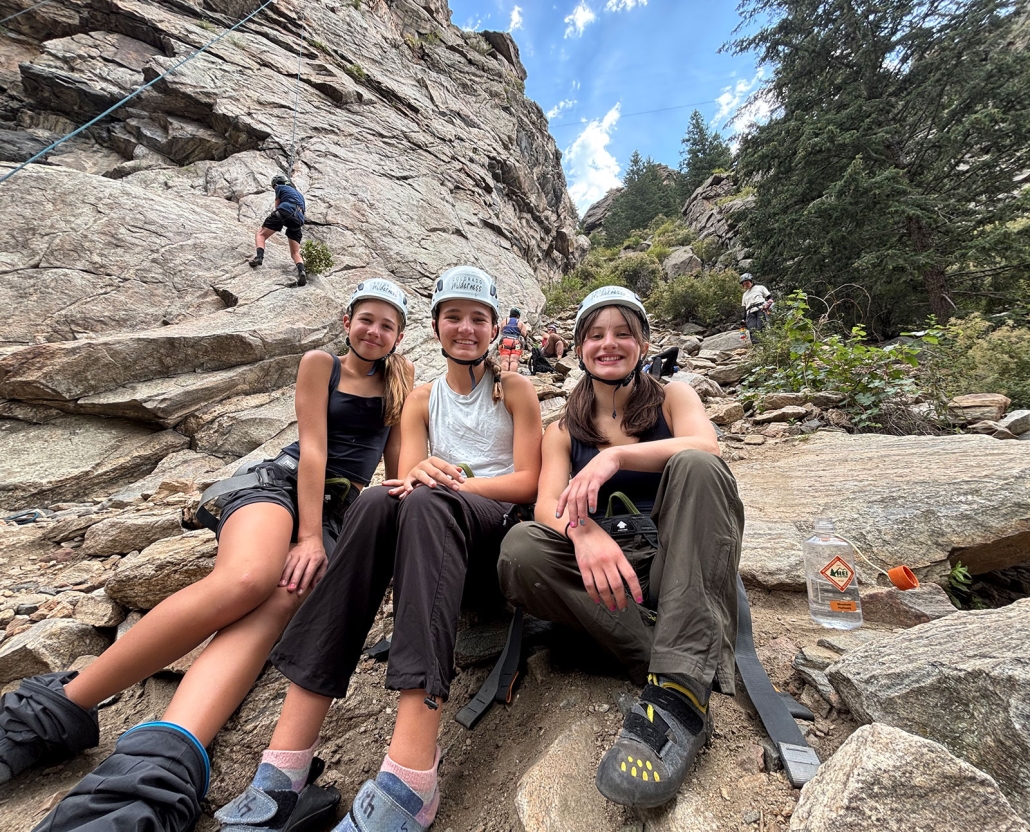
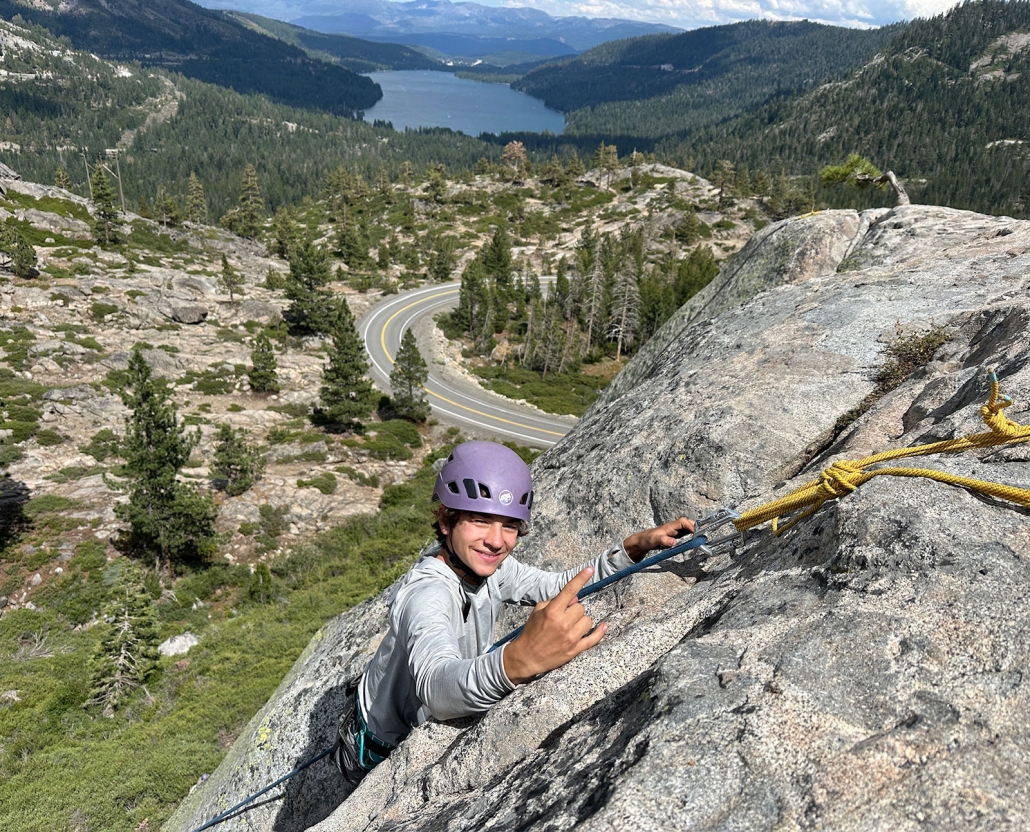
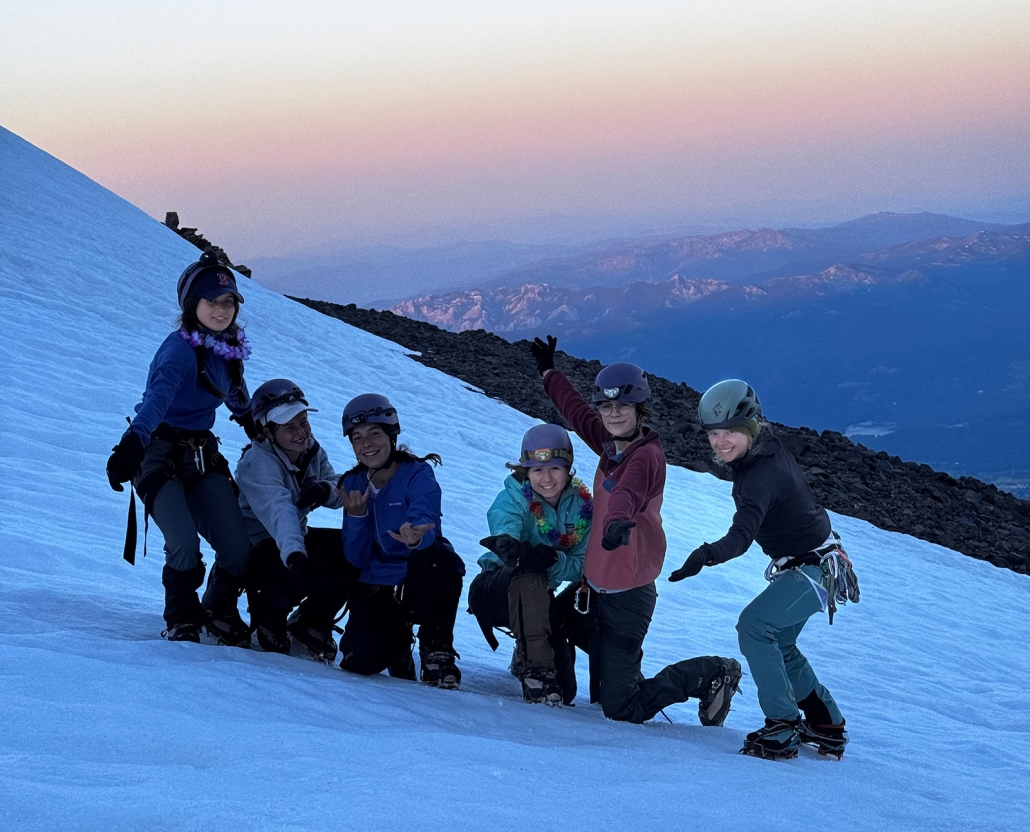
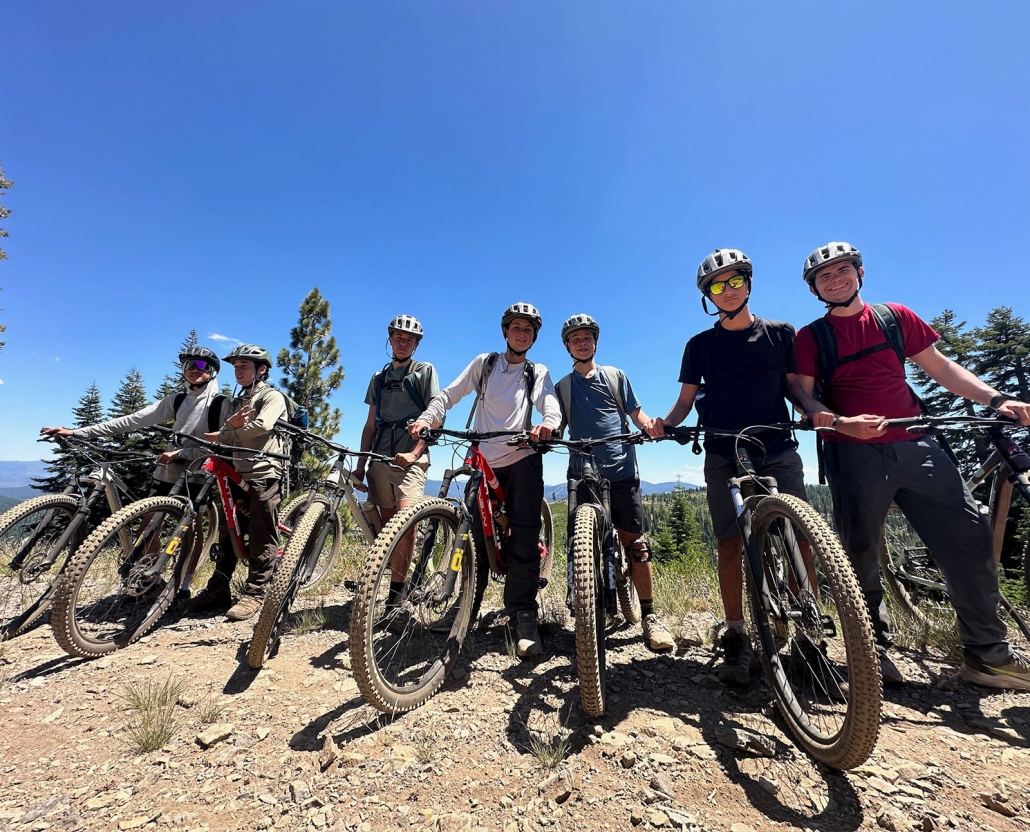
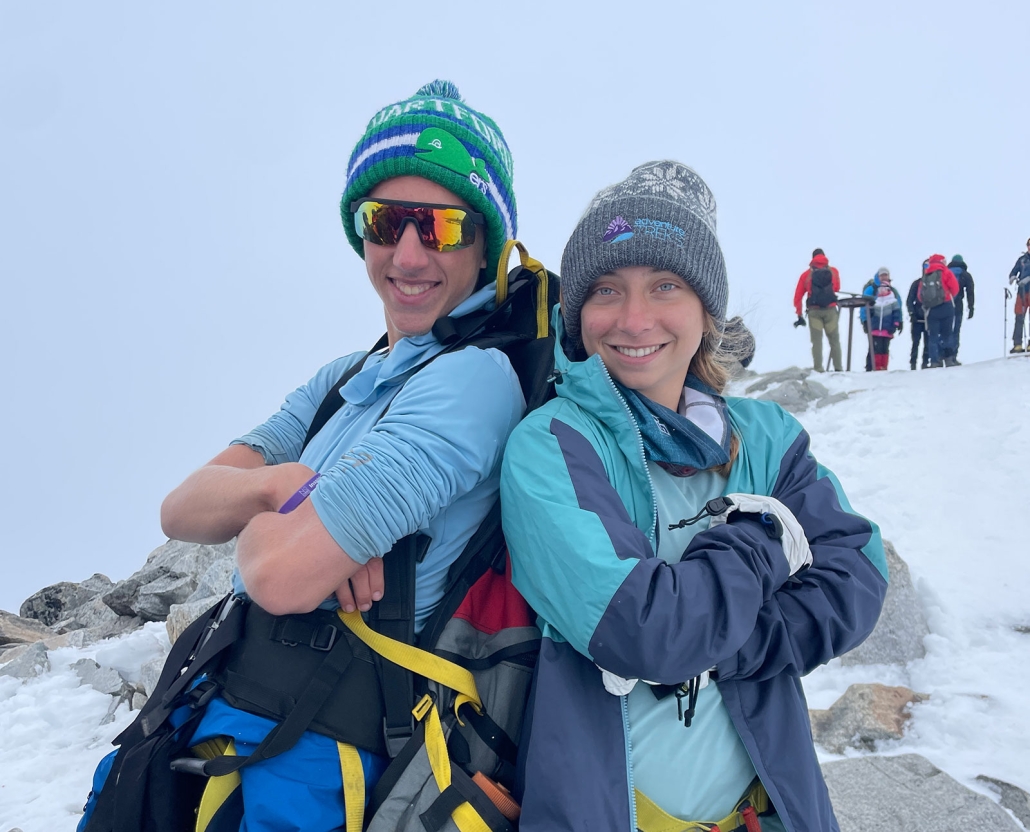
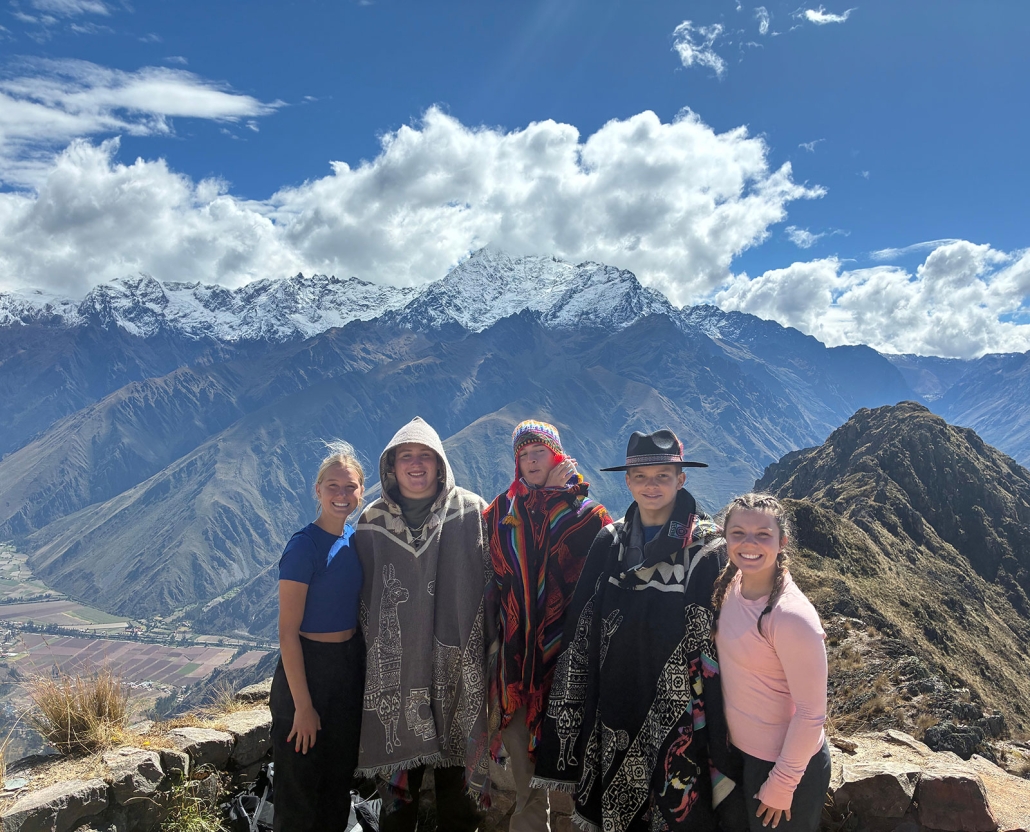
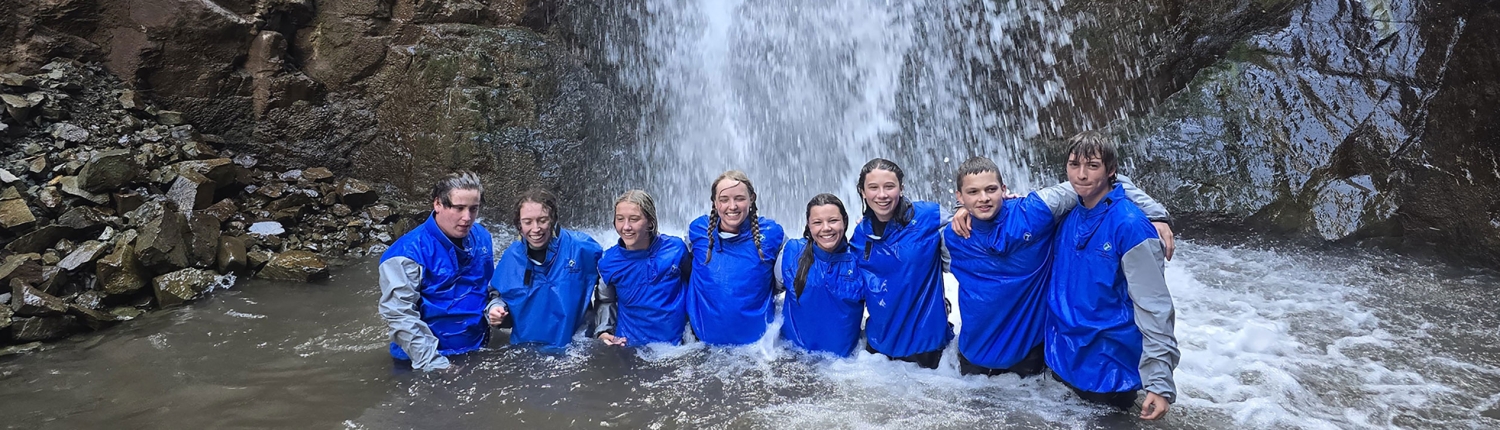
We hear time and time again that Adventure Treks student athletes are grateful for the opportunity to put their sport aside and still stay active for a few weeks outside—they return home with a renewed appreciation for and confidence in what they’re capable of, which allows them to eagerly jump back into training. They feel refreshed, rather than depleted.

They stay physically engaged and challenged, and they build endurance, strength, and resilience while also developing independence, leadership, and social skills.

Why multisport experiences also matter

This is where Adventure Treks is intentionally different.

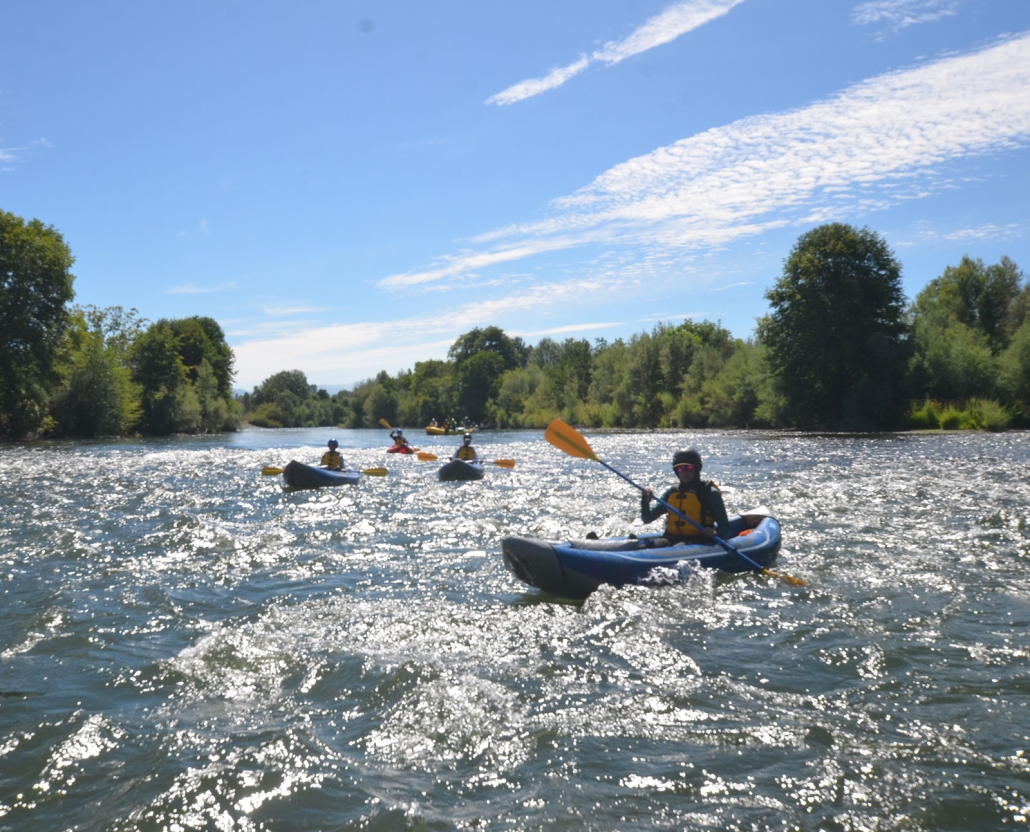
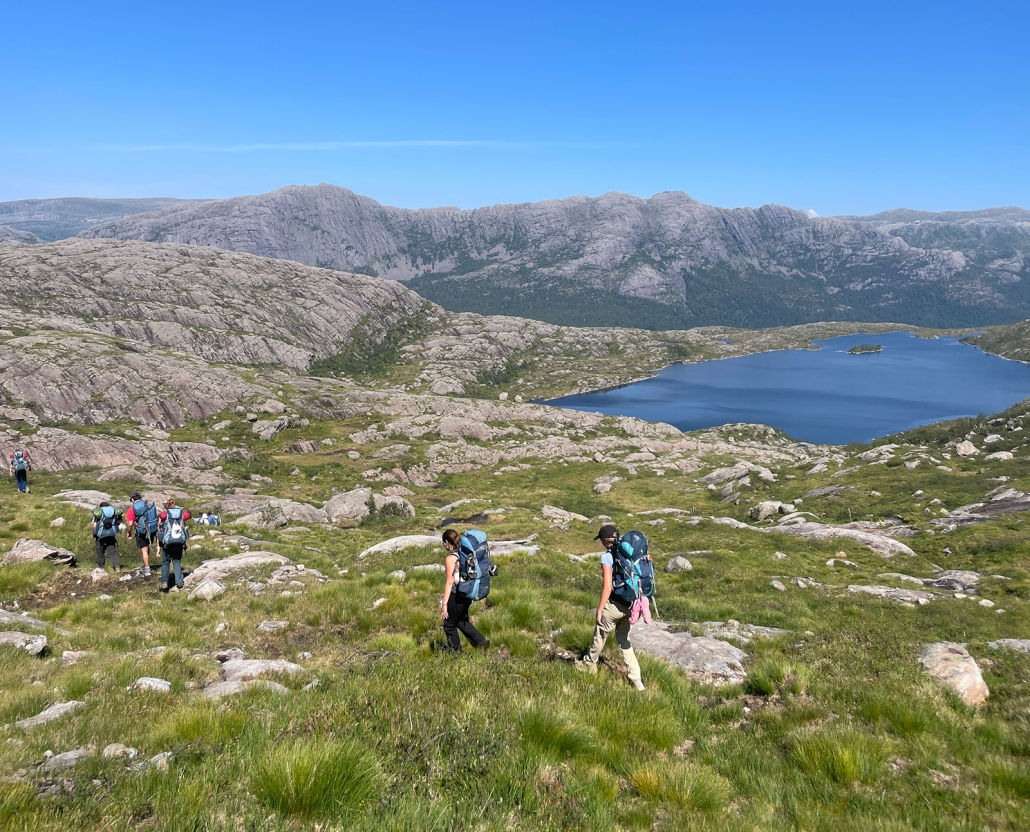
Students don’t necessarily come to Adventure Treks to become the world’s best rock climber, kayaker, or mountain biker. They come to try many different things, build a broad base of skills, and discover what new activities they enjoy and can get involved in back home.

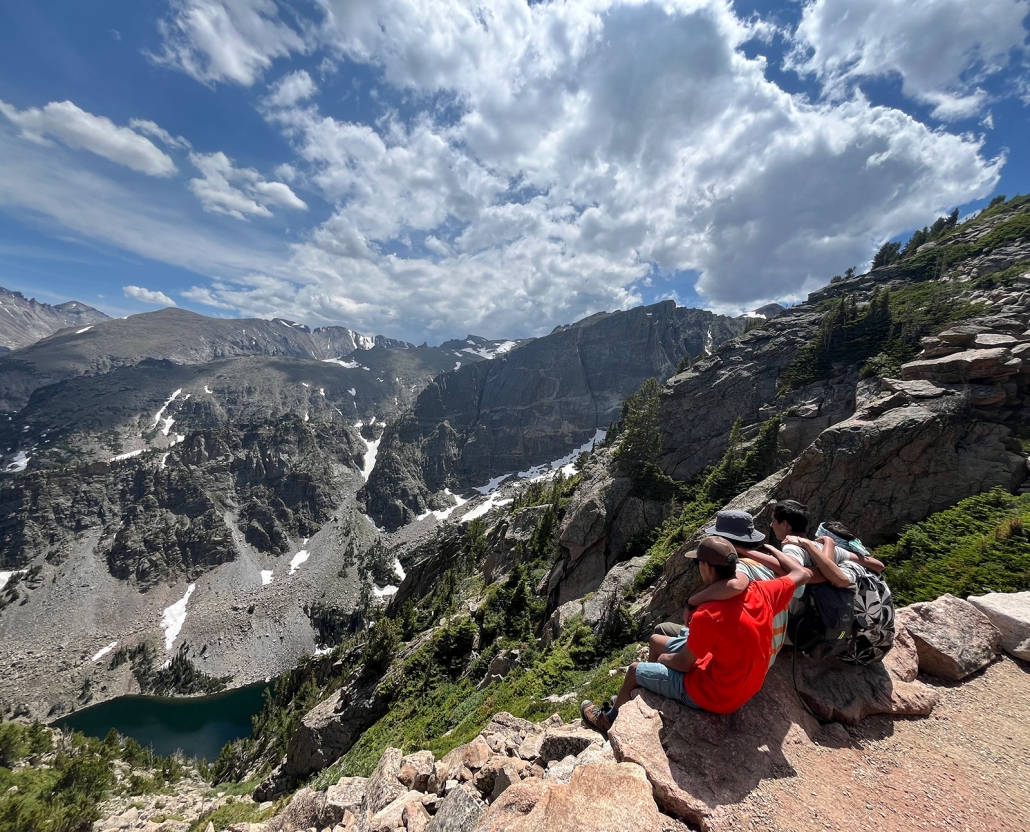
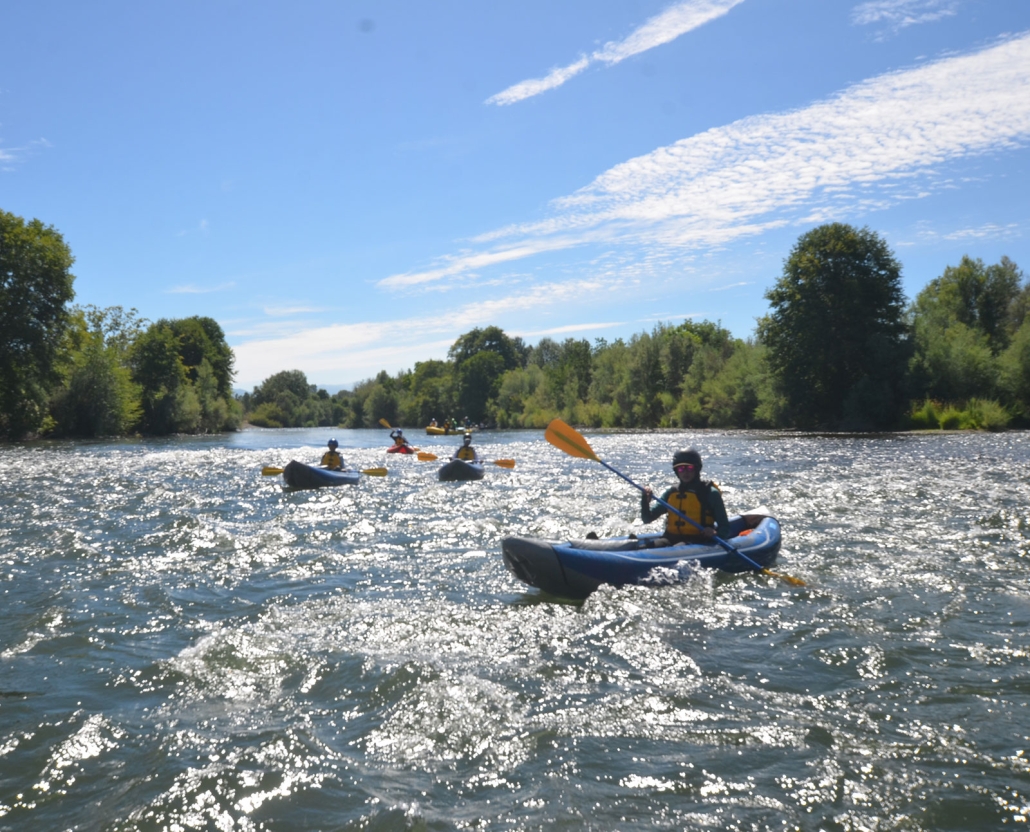
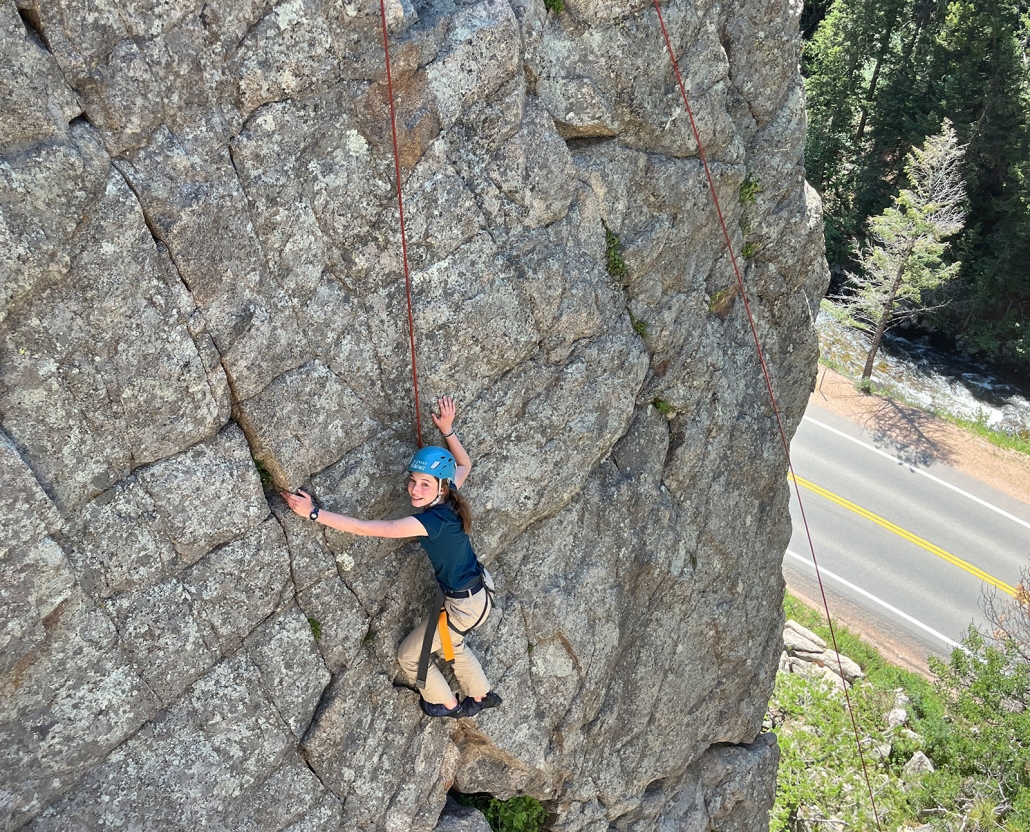
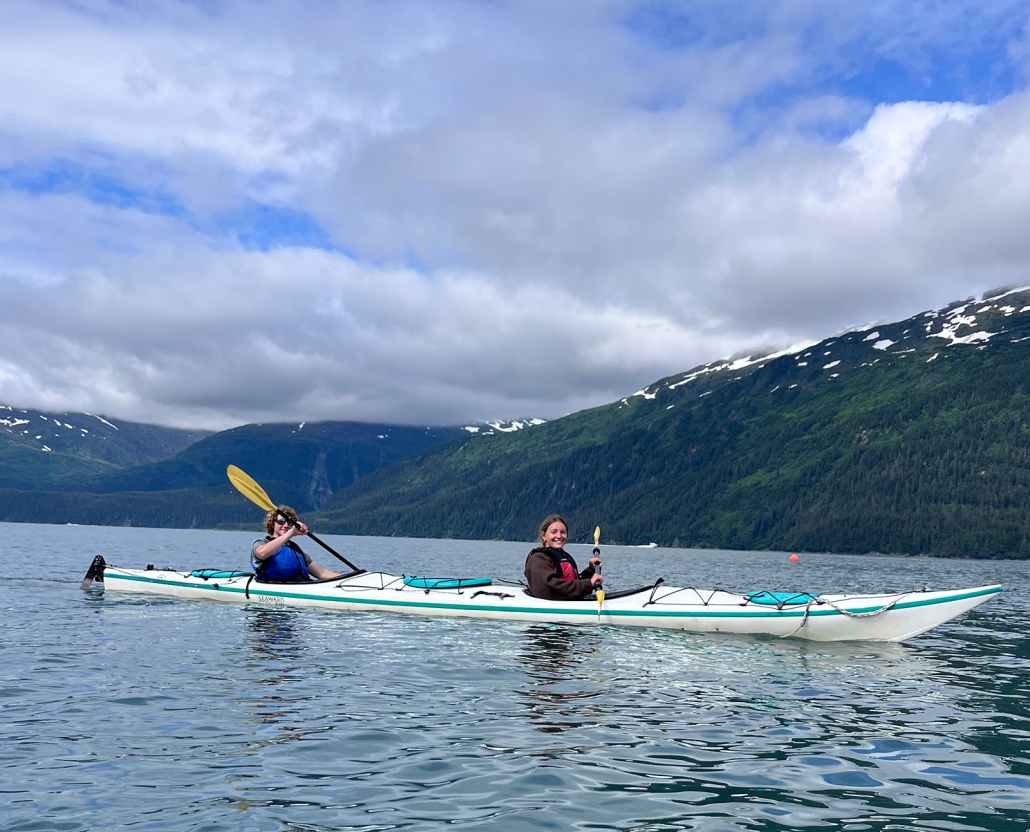
Every Adventure Treks trip is multisport by design. Over the course of a trip, students might hike, kayak, climb, bike, ice climb, canoe, backpack, and more—all within a few weeks. The intent isn’t mastery of one activity, but rather the growth in becoming more capable, flexible, and confident across many different environments.

That variety mirrors what the research supports: Young people benefit from exposure, novelty, and challenge, not constant repetition of the same movement patterns and performance demands.

The real question to ask for your teen’s health and longevity

If the goal of youth sports is to raise healthy, confident, resilient young adults—not just competitive teenagers—then it’s worth asking whether we should push teens to train all summer long, and whether every summer needs to look the same and be so specialized and narrowly focused.

The science increasingly suggests that variety, exploration, and rest/active recovery are not distractions from success, but rather part of what sustains it.

Sometimes, the healthiest thing an athletic teen can do for their future is step out of single-sport training and into a summer that focuses on building the whole person. That’s what we do at Adventure Treks—help teens grow into healthy, confident, happy young adults!

Looking for small-group, high-end adult & family adventure travel?
This is default text for notification bar