
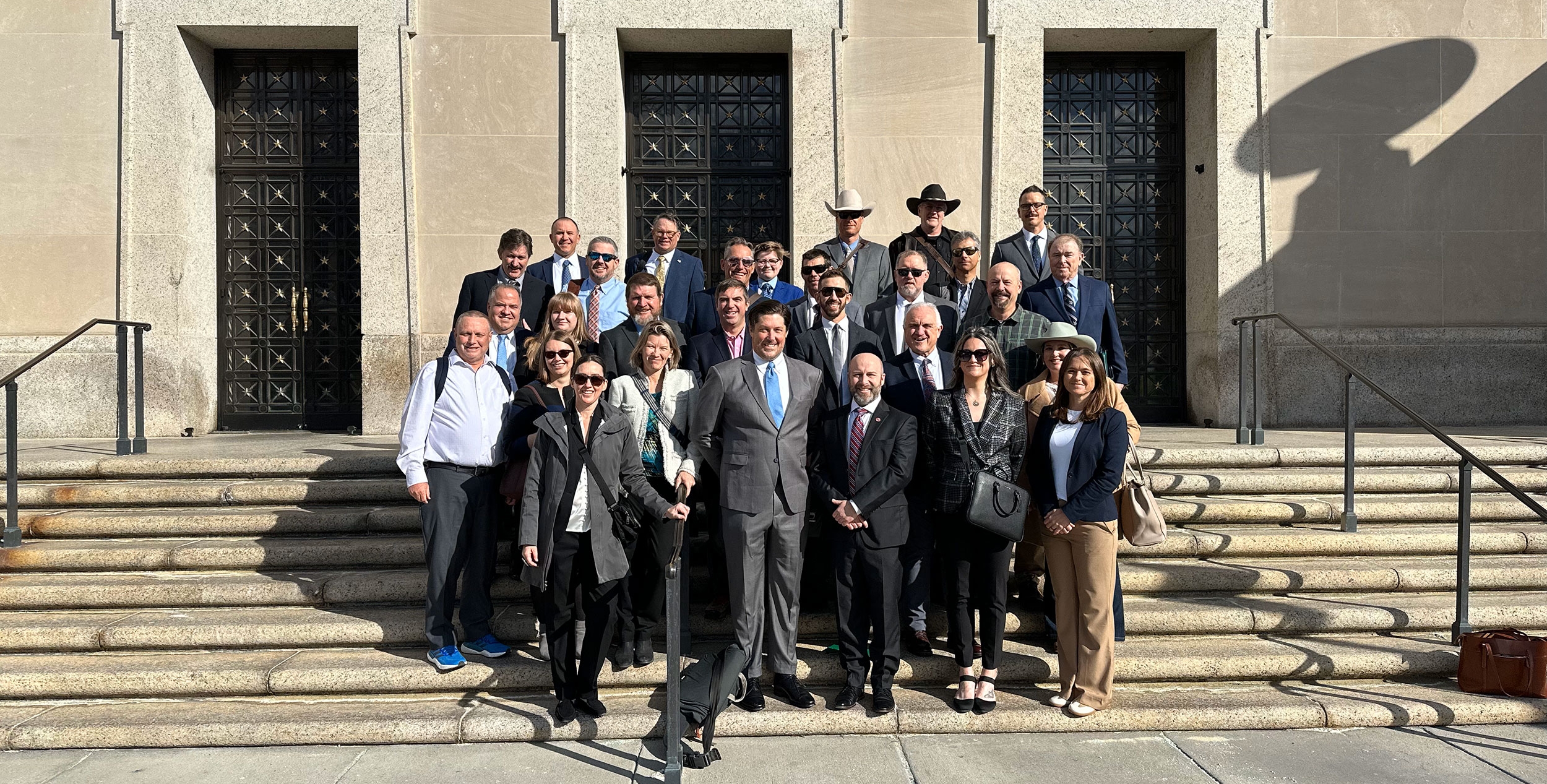
AO members represented here include Adventure Treks, Nantahala Outdoor Center, Northwest Rafting, Canyons Rafting, Western Rivers Expeditions, Cascade Raft & Kayak, Triangle X Ranch, Upper Canyon Outfitters, Idaho Outfitters and Guide Association, Ober Mountain, Grand Canyon Rafting Outfitters Association, Hatch River Expeditions, French Broad Adventures, Wilderness Voyageurs
By Dave “Dmac” McGlashan
On Monday, February 24, I went to Washington, DC, for an annual lobbying event hosted by the America Outdoors Association, which is the largest national guide and outfitter association in the United States. I am honored to serve as the president of the board and have been going to “Camp Washington” to lobby on behalf of the outdoors for the last eight years. With everything happening at the National Parks Service and National Forest Service, we at AO knew this would be one of our most important visits in recent years.
Our group, consisting of AO board members and outdoor recreation company owners, gathered for a dinner and strategy session on the night of the 24th. There, we were greeted with some good news: The NPS had received the green light to go ahead and hire their seasonal staff! By Tuesday morning, several hundred jobs were live, with almost 2,000 more preparing to launch. This helped alleviate some fears around operating in national parks this summer.
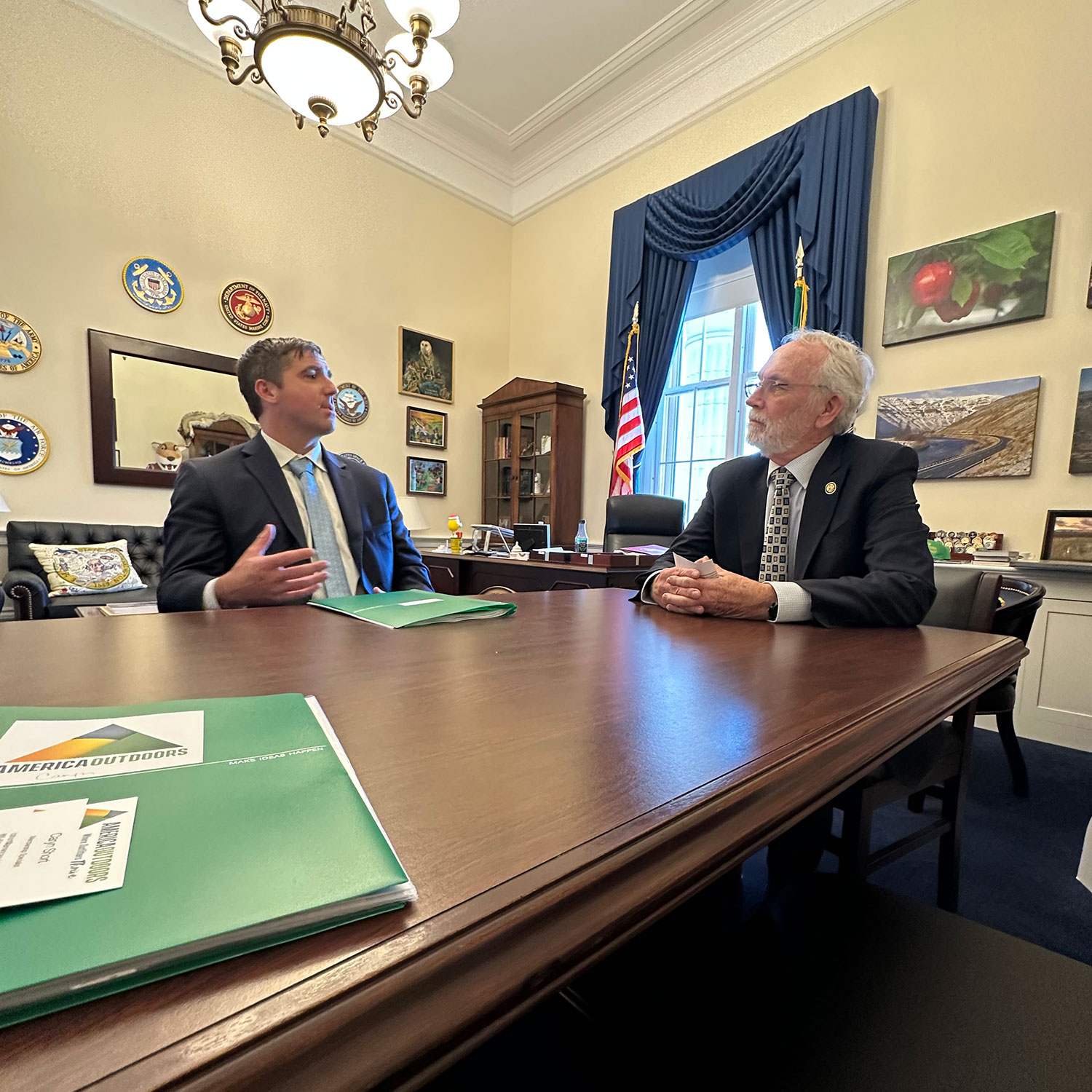
Dmac with Washington representative Dan Newhouse
The biggest event of Tuesday morning was a meeting with the recently installed Secretary of the Interior Doug Burgum. Though we were originally told that he would only be able to give us 10 minutes of his time, what unfolded was an hour-long meeting with approximately 25 business owners from our association. We pressed upon Secretary Burgum the importance of fully staffing the NPS, from their seasonal workers to those who had recently been laid off. Before the meeting was over, the secretary ensured us that he would meet with the current administration officials because, as he said, “The parks are the envy of most countries and one of our most prized posessions.” I couldn’t agree more.
Now, you can’t always believe a politician will follow through on their promises. However, I left this meeting with some faith that the secretary would try his best to support not only the National Park Service, but also those of us who operate in the outdoors, as many of our livelihoods rely on being able to run trips in the parks. Fortunately, Secretary Burgum is an avid outdoorsman and expressed his desire to keep the NPS running at the highest level possible.
The rest of Tuesday and all day Wednesday, America Outdoors held meetings with members of Congress from more than 30 states—on both sides of the aisle. We spoke with the offices of Patty Murray, Marie Gluesenkamp Perez, John Barrasso, Cynthia Lummis, Mark Kelly, Ruben Gallego, Mike Crapo, James Risch, Dan Newhouse, Virginia Foxx, Chuck Edwards, Thom Tillis, Lindsey Graham, Ted Budd, Michael Bennett, Brittany Petterson, Shelley Moore Capito, and many more from West Virginia, Georgia, Tennessee, Maine, Utah, Indiana, Montana, and Oregon.
Overall, the mood (as it related to the outdoor recreation industry) in DC was better than expected. By the end of the week, we received word that the NPS was able to hire back employees they’d had to terminate. The great thing about the outdoors is that it tends to bring people together, regardless of their political beliefs or backgrounds. I flew out of DCA feeling more positive than I anticipated.
Your question might be, how does this impact Adventure Treks?
I believe in our ability to operate as expected this summer. Just like any other year, there will be issues we’ll have to face. We operated through a government shutdown in 2013. In 2016, high snowpack in California led us to lower elevation hikes. In 2017, we had to switch our itineraries around in British Columbia due to wildfires, and then in 2022, we got creative with our backpacking routes with provincial park flooding. In 2020, we had COVID. In 2021, fires in California led us to raft instead on the Rogue River in southern Oregon, where we still operate today because it’s so fun! In 2022, severe flooding closed northern Yellowstone temporarily.
All this is to say that Adventure Treks can and will creatively problem-solve when the need arises, and we will always keep our students’ safety as our top priority, while still having lots of fun.
If you’d like to chat more about our involvement with legislative affairs in the outdoors, give us a ring at 828-698-0399!
How often do you get the chance to truly connect as a family—free from screens, packed schedules, and the hustle of everyday life? Nature offers a refreshing escape from modern distractions, creating space to reconnect, strengthen relationships, and build lasting memories. At Adventure Treks, we’ve seen firsthand how shared outdoor experiences can transform relationships. That’s why we’re thrilled to introduce our family and adult adventure programs, designed to help families enjoy these unforgettable moments together.
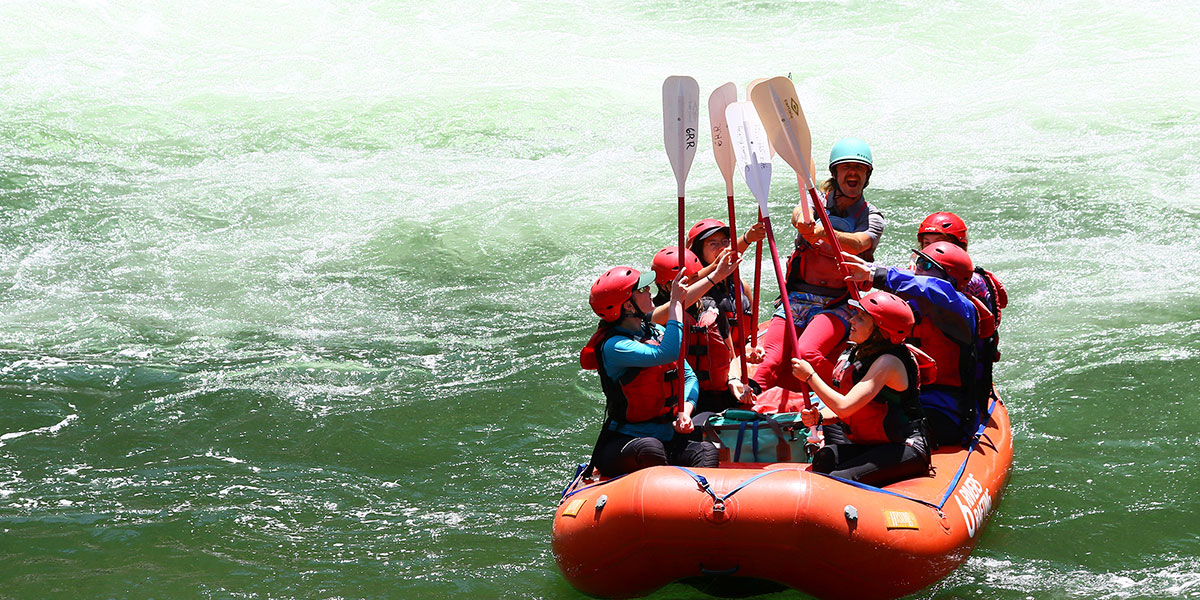
Create unforgettable shared memories
Shared outdoor adventures have a unique way of bringing families closer together. Whether it’s hiking to a scenic viewpoint, laughing around a campfire, or working as a team to set up camp, these experiences foster a sense of bonding for families. These moments away from daily distractions allow families to engage in meaningful conversations, experience new challenges together, and enjoy quality time without interruptions.
“I still tell people I was the happiest I’ve ever been on those trips. Being in the backcountry with a group of amazing leaders and friends was life-changing.” – Ally Krause, student from 2014–2016
The same transformative magic that shaped her experience as a teen is equally impactful for families venturing into the outdoors together, providing the chance to deepen connections with loved ones while surrounded by some incredible landscapes.
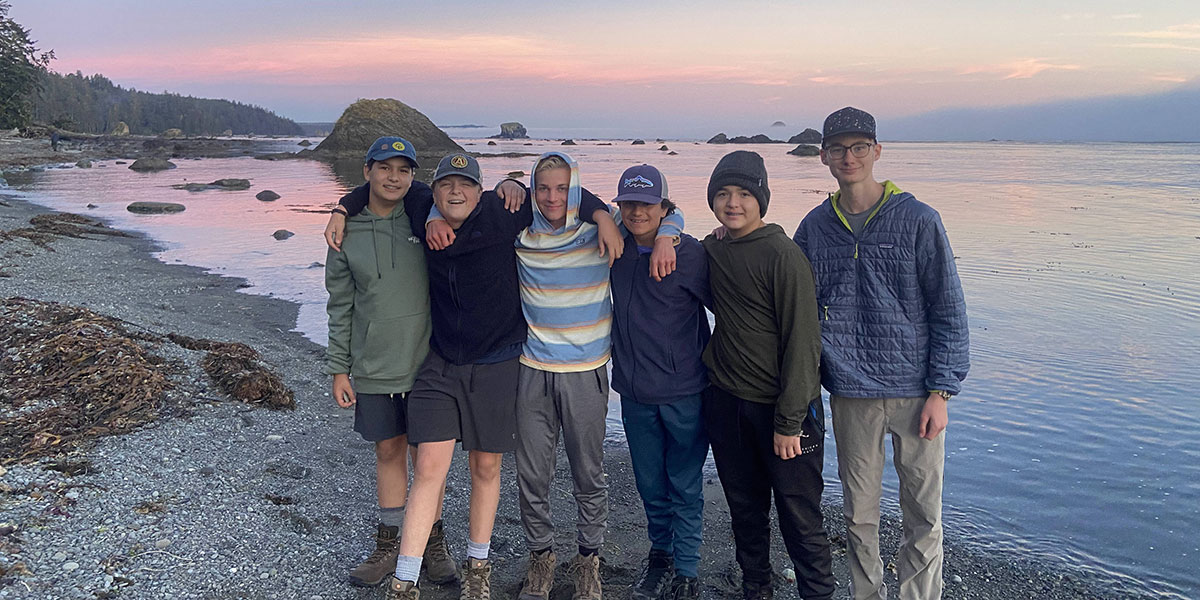
Build confidence and resilience as a family
Challenges in the wilderness—like navigating a steep trail, adapting to unexpected weather, or managing camp tasks—provide valuable lessons in resilience, problem-solving, and trust. These lessons aren’t just for individuals—they strengthen family dynamics, too, as kids and parents work together to overcome obstacles, celebrate achievements, and learn from setbacks.
Plus, outdoor trips help family members take on different responsibilities. Whether it’s setting up camp, cooking meals, or planning the next group activity, everyone plays a role in ensuring the success of the trip. Parents often see their children rise to the occasion, sometimes even taking on leadership roles or caring for the safety and well-being of others in the group. These moments of responsibility help develop a stronger sense of teamwork and give children opportunities to practice decision-making with the whole group in mind—and they’re skills that kids can take home and apply to everyday lives. We often hear from parents about how their teens become more involved in household chores (of their own accord) after an Adventure Treks trip!
“It’s hard to express how much I value the experiences I had on my Adventure Treks trips as a teenager. I look back on them so often and am just so grateful I had AT in my life. Not only did it help me develop a lifelong love of the outdoors and outdoor activities, but it gave me so much more confidence in myself at that point in my life. AT was the first time I felt truly comfortable and accepted away from my home community.” – Issy Schwartz, student from 2017–2020
Imagine the impact of building that confidence and resilience together as a family unit, while learning how to be responsible for the group and the environment.
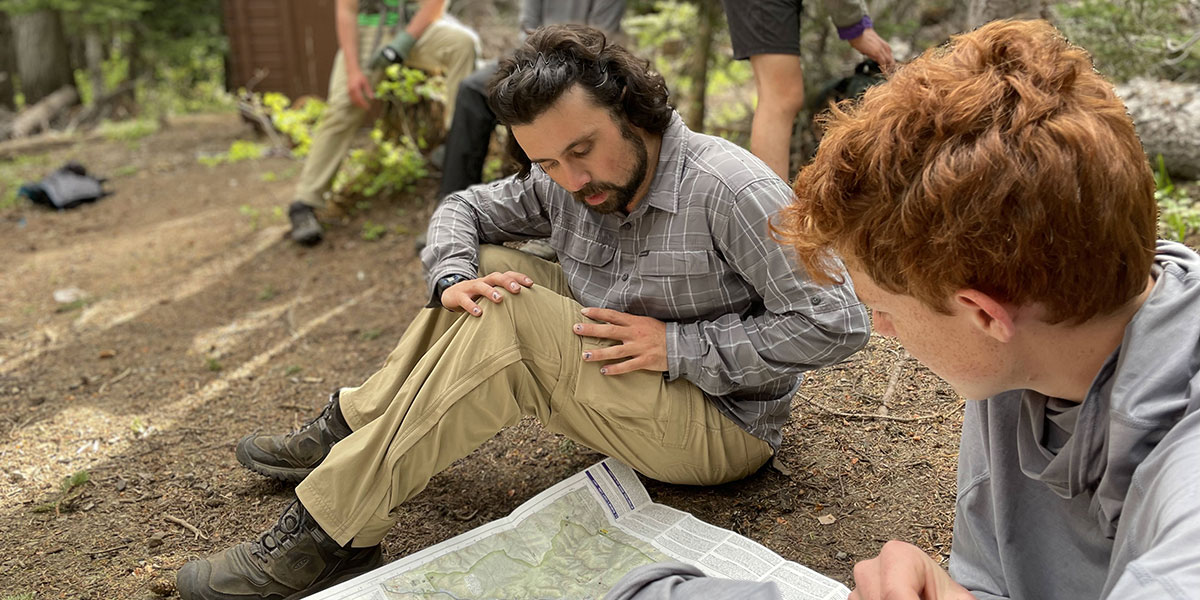
Encourage curiosity, creativity, and imagination
Time outdoors goes beyond physical activity—it’s a chance to spark curiosity, creative thinking, and a deeper connection to the natural world. Adventure Treks’ programs are designed to inspire families to explore, imagine, and learn together. Studies compiled by the Children and Nature Network show that time in nature encourages critical thinking and problem-solving in children—skills that are vital for lifelong learning and success.
Simple activities like identifying plants on a hike or creating stories about the shapes of clouds can inspire imagination, helping parents see the world through their kids’ eyes and vice versa. It’s an incredible opportunity to grow and learn together in nature’s classroom.
Better physical and mental well-being
The mental health benefits of spending time outdoors are well-documented. According to Connections Academy, outdoor play reduces stress, improves mood, and builds deeper bonds. Families who spend time together outside report feeling more connected, happier, and recharged.
Outdoor activities like hiking, kayaking, and backpacking are not only excellent ways to keep the whole family physically active, but they also promote better sleep. Unlike structured gym routines, these adventures feel more like play, making exercise fun and accessible for all ages and fitness levels. Physical activity in nature also encourages better sleep patterns by allowing families to unwind after a day of outdoor exploration.
Our family trips are designed to meet families where they are, providing activities that challenge and inspire without overwhelming or intimidating. Whether you’re new to outdoor adventures or seasoned explorers, our trips help everyone stay active while having fun together—and enjoy the added benefit of deeper, more restful sleep at night.
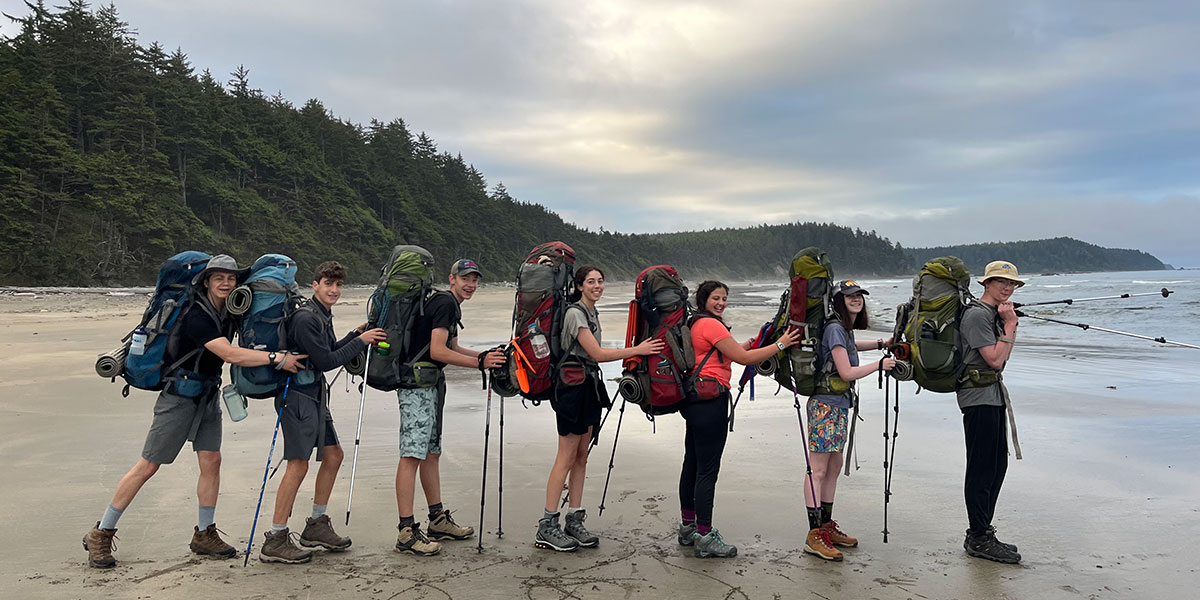
Increased collaboration, communication, and social skills
Outdoor adventures provide a natural environment for families to practice teamwork and communication. From sharing responsibilities like cooking meals to solving problems together on the trail, these activities help family members hone their social skills in a supportive, fun atmosphere.
“Adventure Treks had a profound impact on my life by building my confidence and reshaping the way I see myself and the world around me. It was with AT that I learned the basics of conservation and fell even more in love with nature. This exposure not only broadened my worldview but also strengthened my ability to connect with others on a more authentic level.” – Jessica Zied, student from 2014–2016
Whether it’s planning the day’s activities, navigating a challenge, or ensuring everyone’s needs are met, outdoor recreation provides plenty of opportunities for families to develop important communication skills that last long after the adventure ends.
Incorporating outdoor time into your family’s routine
Adventure Treks family and adult programs
For families seeking a more immersive experience, Adventure Treks offers transformative trips tailored to families and adults. Our family program in the Pacific Northwest provides the perfect backdrop for bonding and adventure, while our adult trip in Peru offers a chance to explore breathtaking landscapes and build lifelong connections. These programs are designed to create shared experiences that deepen relationships and create lasting memories.
 Simple ways to get outside year-round
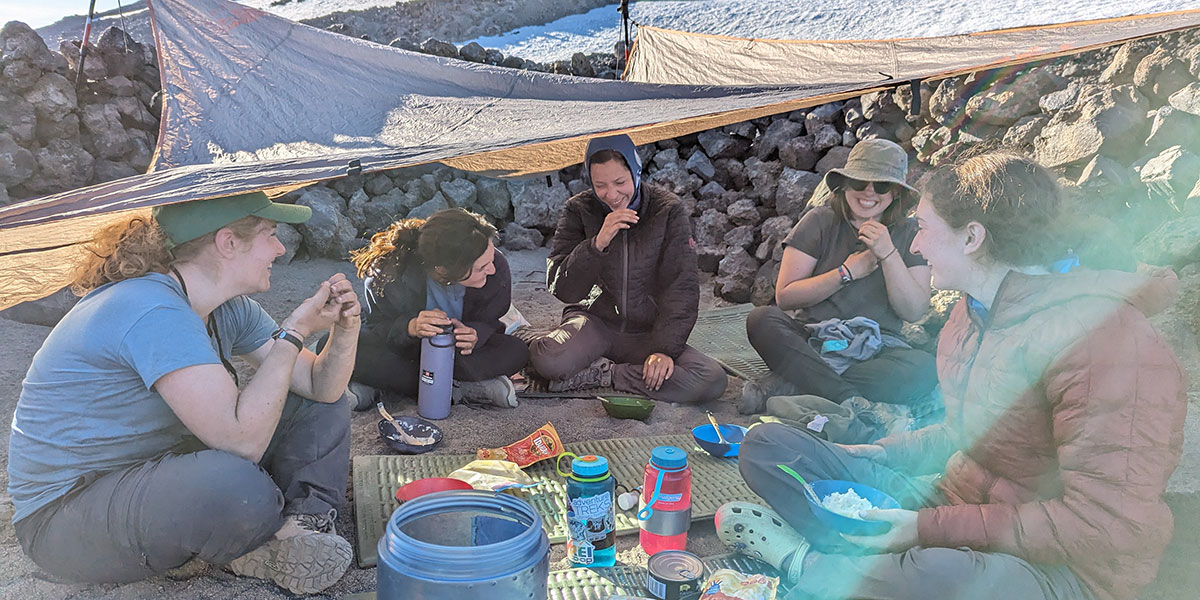 Simple ways to get outside year-round
Not ready for a multi-day adventure? There are plenty of ways to incorporate outdoor time into your family’s routine:
- Take evening walks around your neighborhood or local park.
- Plan weekend camping trips to explore nearby nature reserves.
- Try a new outdoor hobby, like birdwatching or gardening.
- Create a backyard scavenger hunt or stargazing night for the whole family.
Even small steps can help your family enjoy the benefits of time spent outdoors.
A call to adventure
Outdoor spaces hold something transformative for every member of your family. These experiences not only create lasting memories, but they also instill values that stay with you for a lifetime. This year, we invite you to embark on a journey where the challenges faced together can be just as meaningful as the milestones achieved. It’s more than just a trip; it’s an opportunity to discover new strengths and experience the world through fresh eyes. Whether you join us for Adventure Treks’family program in the Pacific Northwest or explore our adult trip in Peru, you’ll find the perfect setting for a life-changing adventure.
“I consider my AT experiences fundamental to my growth as a human. For the first time, I felt truly comfortable and vulnerable with others and like I could be myself. I was proud of my accomplishments, in awe of the world, and so so so happy. In my adult life, I strive to be the kind of person I was at AT. It rekindled a love for the outdoors and a genuine faith in the good of other people.” – Hunter James, student from 2013
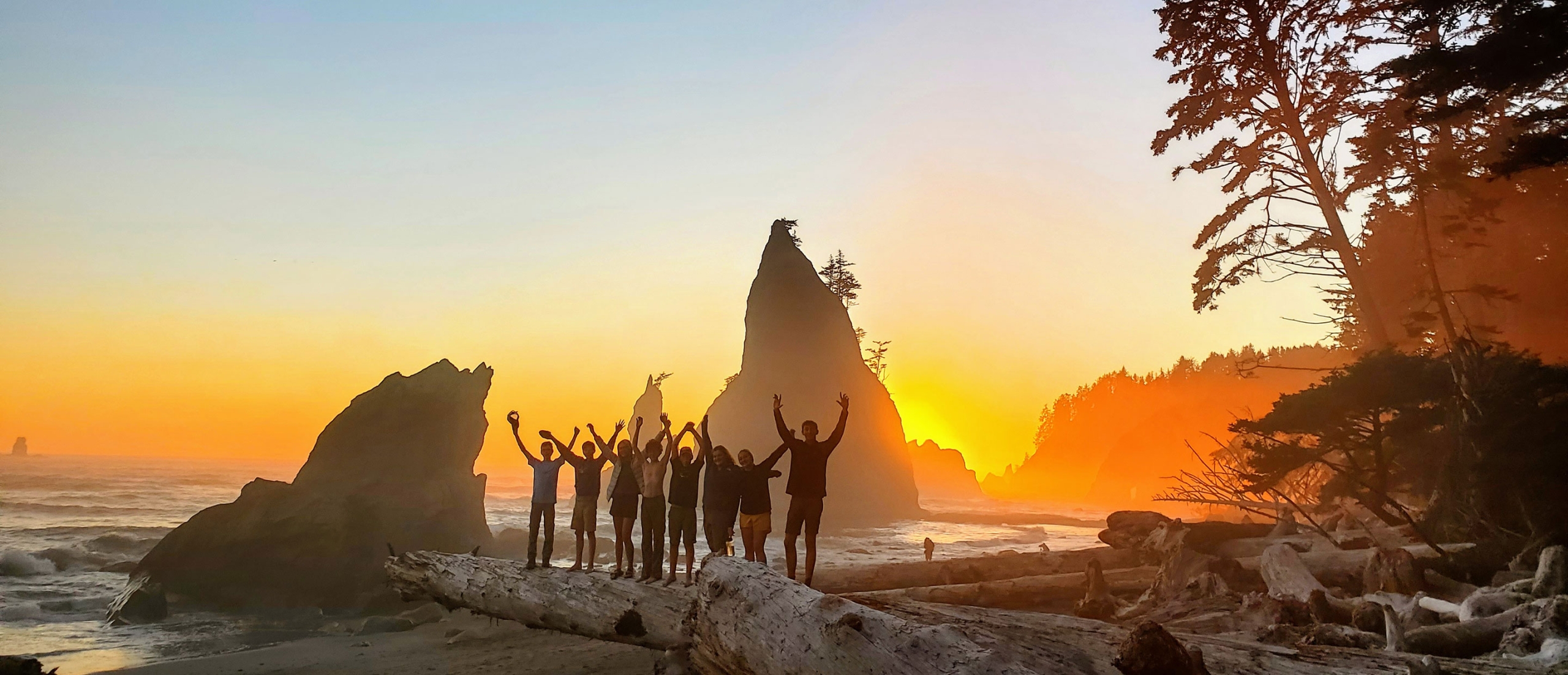 Adventure Treks is SO EXCITED to announce new programming for 2025: A hiking and rafting adventure to Peru for adults, and a family camp in Olympic National Park in Washington!
Why adult and family trips?
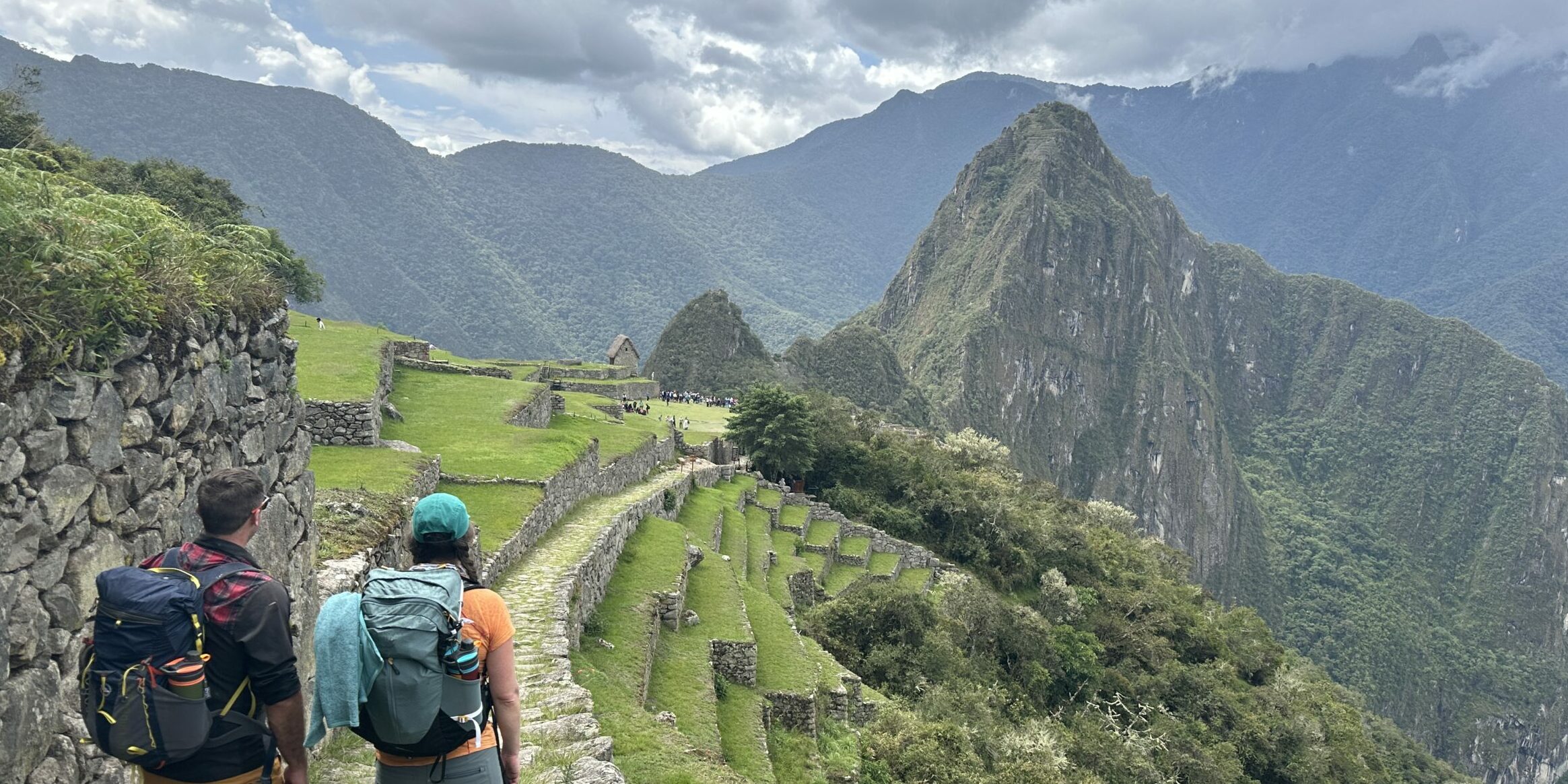
After hearing “Do you run trips for adults?” for more than 30 years, Dmac and I have decided to turn that dream into a reality. We’ve created an incredible seven-day itinerary in Peru’s Sacred Valley, including a hike to Machu Picchu—a destination and achievement on so many bucket lists—with the professional guides at Apumayo Expeditions, who specialize in adult luxury travel (and who are celebrating their 30th year!). Dmac and I have scoured the planet on outdoor trips, climbing, biking, paddling, and hiking in stunning locations… and our adventure in Peru with Apumayo guides remains one of the most exceptional experiences we’ve ever had. It was so remarkable that it was an easy decision to launch this as our first adult trip.
We also want to bring the magic of Adventure Treks to the whole family and offer parents the opportunity to bond with their kids on a uniquely special experience that you can’t find in your everyday life—and all without the distractions of busy schedules, phones, homework, and work. Just like our adult and teen trips, no experience is necessary as professional Adventure Treks instructors will make fun outdoor activities accessible to all of our guests. These six days in the Olymipcs will give your family the chance to:
- Build stronger connections by sharing new challenges and adventures
- Discover new interests and passions together
- Take full advantage of nature’s opportunity to relax and have a ton of fun
- And create lasting memories together
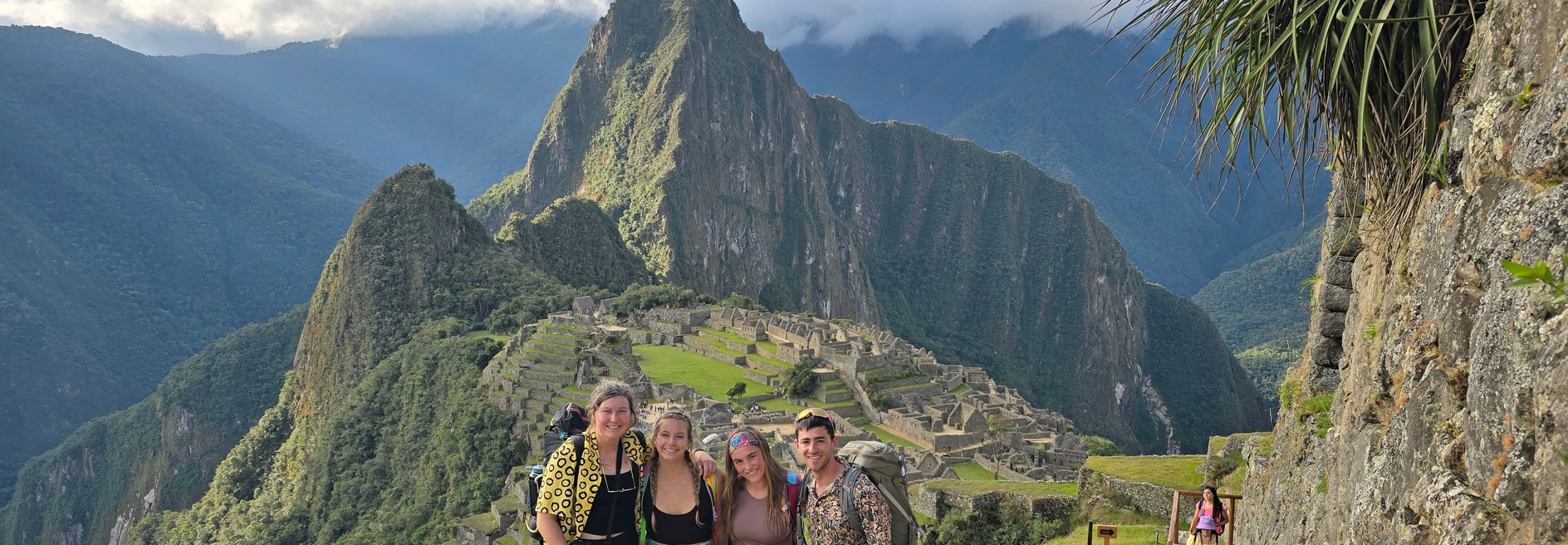
Peru’s Sacred Valley & Machu Picchu itinerary
During your seven days in Peru, you will:
- Stay in three- and four-star luxury hotels and lodges
- Eat delightful Peruvian cuisine, prepared by the trip’s chef
- Whitewater raft the Urubamba River
- Hike the Inca Trail to Machu Picchu
- Spend a day touring Machu Picchu’s fortress itself
- Tour ancient ruins and archelogical sites all over the Sacred Valley
- Descend into the world-famous Maras salt mines and attend a textiles workshop in Chinchero
- And explore Cusco City’s markets, temples, and more at the end of the trip
Bonus: Parents of students enrolled on the Peru Expedition can fly into Cusco with them, drop off their kids, and head off on their own unforgettable adventure!
[button url=”https://www.adventuretreks.com/teen-adventure-camp/peru-adults/” target=”_self”] View details of the Sacred Valley and Machu Picchu tour [/button]
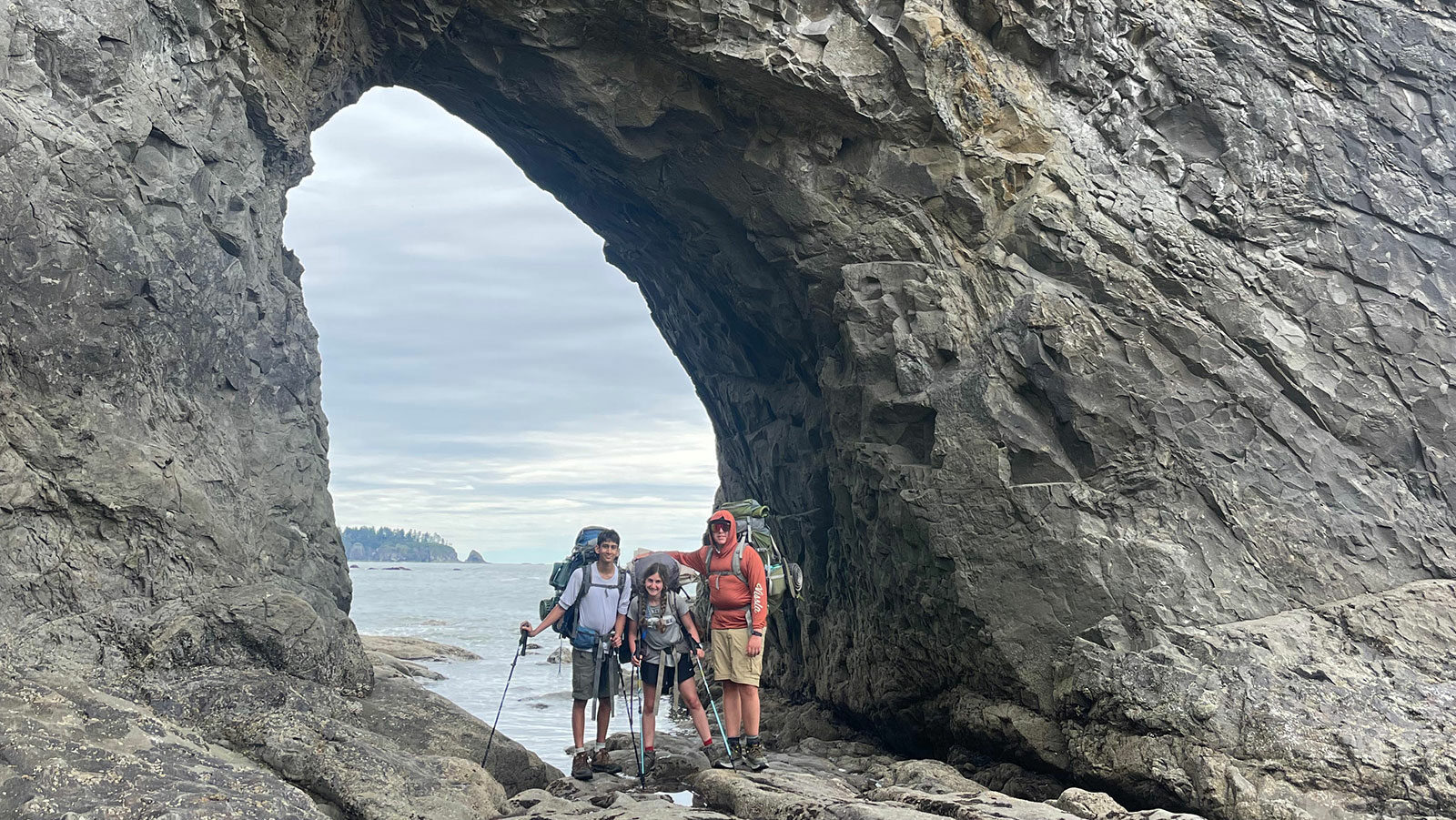
Family Camp: Discover the Olympics itinerary
During your six days in the Olympics, you’ll:
- Stay in cozy campgrounds and lodges with hot springs and lake views
- Enjoy delicious meals and snacks organized by Adventure Treks instructors
- Day hike to waterfalls and to Hurricane Ridge, where you can find some of the most scenic views in the entire Pacific Northwest
- Hike and spend a night camping on the Olympic Peninsula (a long-time AT haunt and one of our students’ favorite spots)
- And experience the fun and memorable Adventure Treks traditions you’ve heard so much about from your kids
***Optional add-ons include sea kayaking in Port Angeles and canoeing and kayaking on Lake Quinault
[button url=”https://www.adventuretreks.com/teen-adventure-camp/family-olympics/” target=”_self”] View details about family camp [/button]
We are beyond thrilled to extend the incredible benefits of adventure travel to the entire family and beyond, and we can’t wait to embark on these new adventures with you!
“And now, Harry, let us step out into the night and pursue that flighty temptress, adventure.” – Albus Dumbledore
I knew that some filming in Harry Potter movies had taken place in Scotland, but I didn’t realize how much of an influence this country had on the series’ setting!
Soon after our scouting trip to Norway, Amanda and I set off for Scotland to walk through our summer 2025 itinerary. Before we left, I was unsure what to expect. I had grown up with stories about the Highlands and lochs and munros from my mom, as she had lived there for a year after college. Prior to our arrival, all I could picture was black lakes with a lurking monster, a few sea cliffs, haggis, and bagpipe players everywhere. (Not very imaginative, I know.)
The reality could not be further from the truth! Scotland has a STUNNINGLY diverse and beautiful landscape, with lofty, windswept peaks; quiet, mysterious lochs; rugged coastlines… and even “Caribbean” beaches! We were constantly greeted with a warm “Hiya!” by friendly locals, continuously impressed by delicious food, and regularly in awe at the rolling hills stretching as far as the eye could see. (Sadly, we did not hear the bagpipes until our last day in Scotland.)
Just a few minutes outside Edinburgh and Glasgow, the countryside beckons: Sheep being herded by Border collies, shaggy Heilan’ Coos (Highland cows) peacefully grazing, castles and ruins peeking out from the birch forests, and hillwalking* trailheads in every town (hillwalking is one of Scotland’s most popular pastimes).
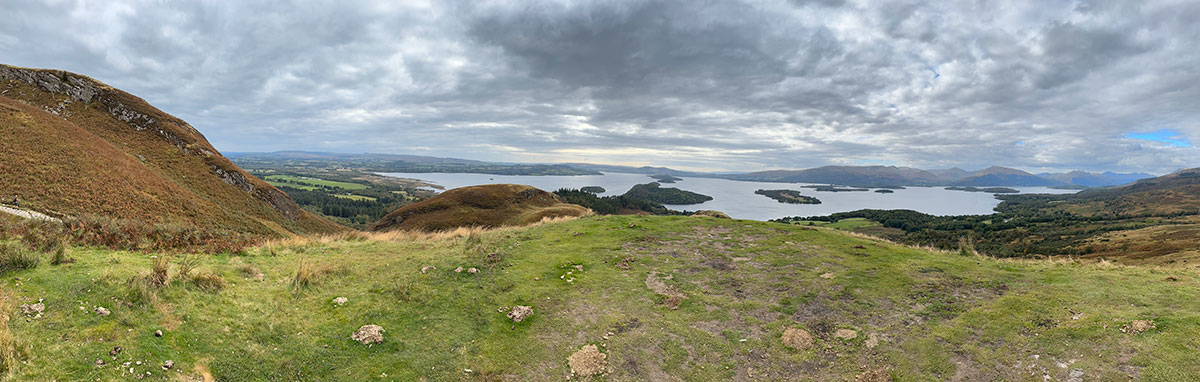
The day we arrived, we climbed to a small summit in Loch* Lomond and The Trossachs National Park that overlooked the loch itself and Ben Lomond, and which also sat on top of the Highland Boundary Fault. Superb views of the loch, lots of islands, and rolling green fields awaited at the top (as did a herd of friendly cows munching on grass).
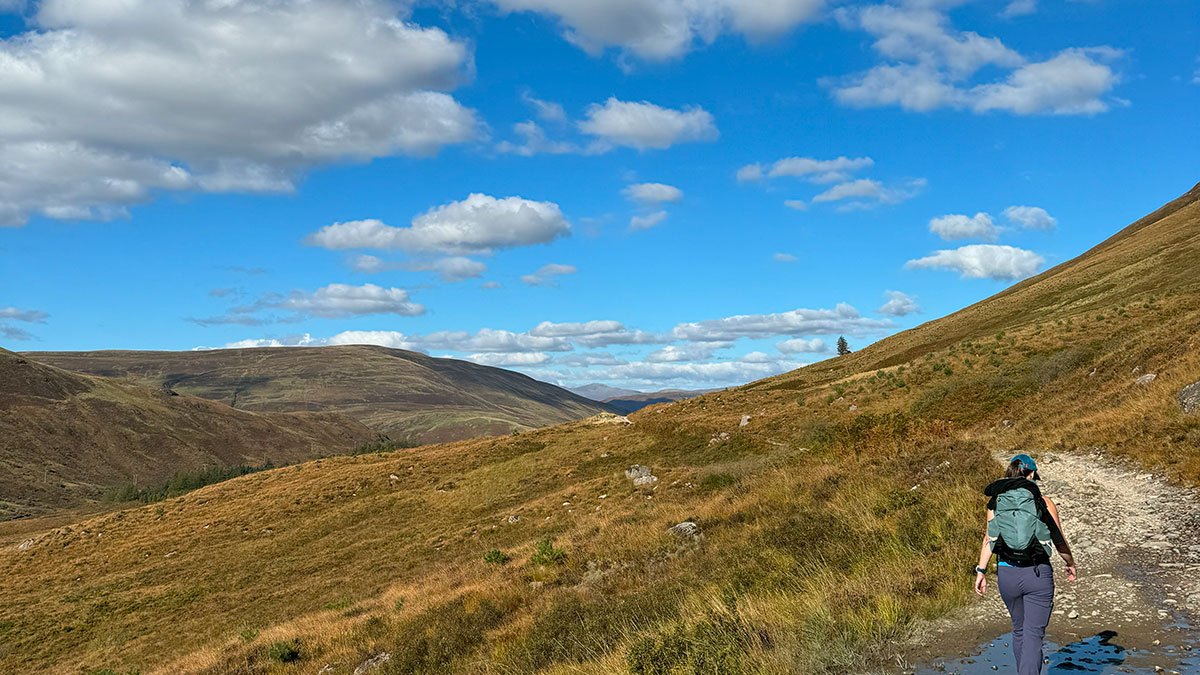
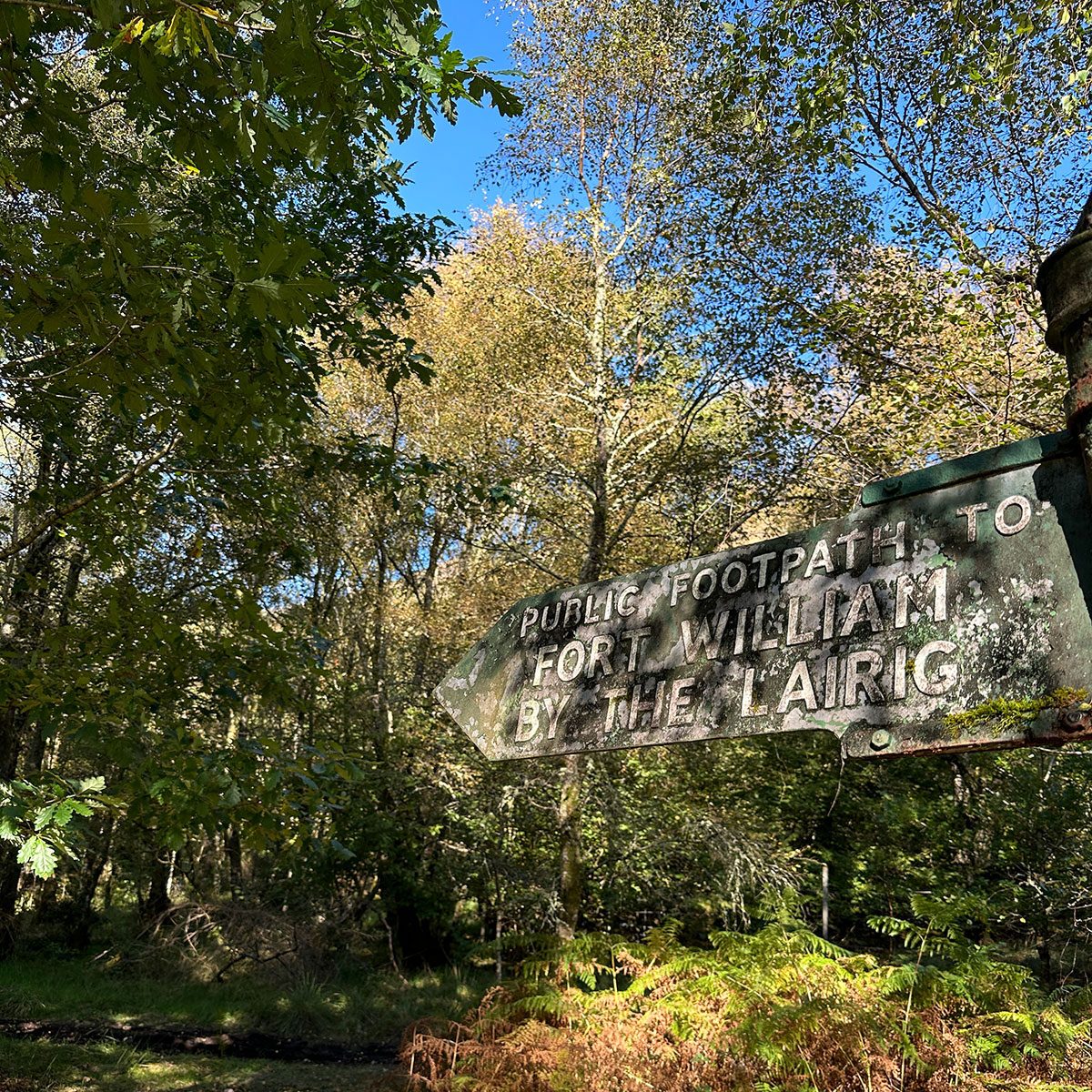
The next day, we hiked the last stage of the West Highland Way, Scotland’s first long-distance hiking route at 96 miles long. Compared to the Appalachian or Pacific Crest trails, it’s not that long. But what it lacks in length, it makes up for in history and beauty. That day, we walked for 15.5 miles from Kinlochleven to Fort William, winding through the Mamores range of the Grampian Mountains. Ben Nevis (Beinn Nibheis), the United Kingdom’s highest peak, calls the Grampians home, and the 4,413-foot mountain is on full display as you descend into Fort William. Civilization quickly falls away as pink orchids and violet bluebells dot the fields on either side. We even saw pine martens darting across the trail! We happily topped off our day with some gelato in town.
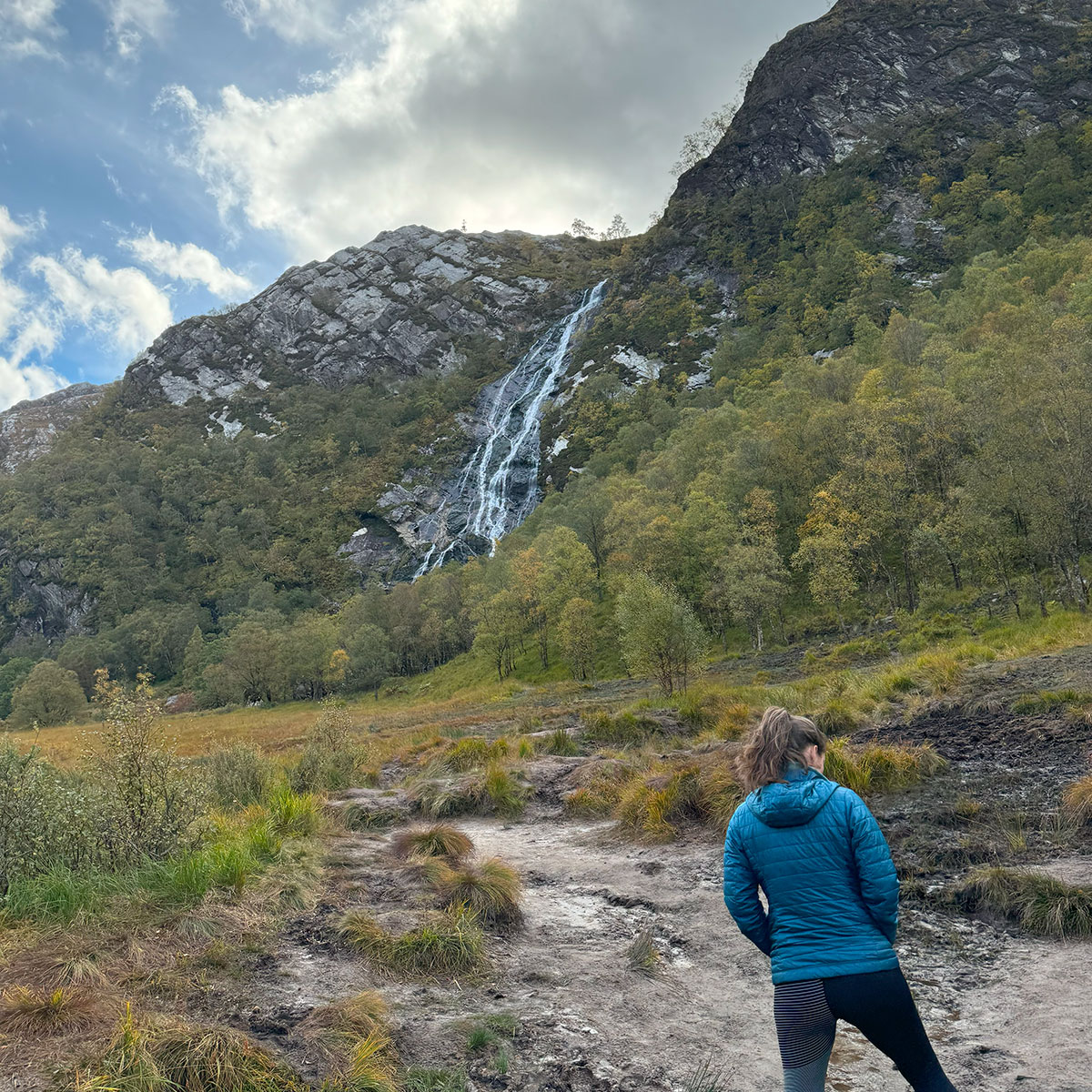
We also hiked to Steall Falls, one of the country’s tallest cascades at about 390 feet and right next to Ben Nevis. The discerning eye might recognize this famous waterfall from Harry Potter and the Goblet of Fire (when Harry is being chased by the Hungarian Horntail during the Triwizard Tournament).
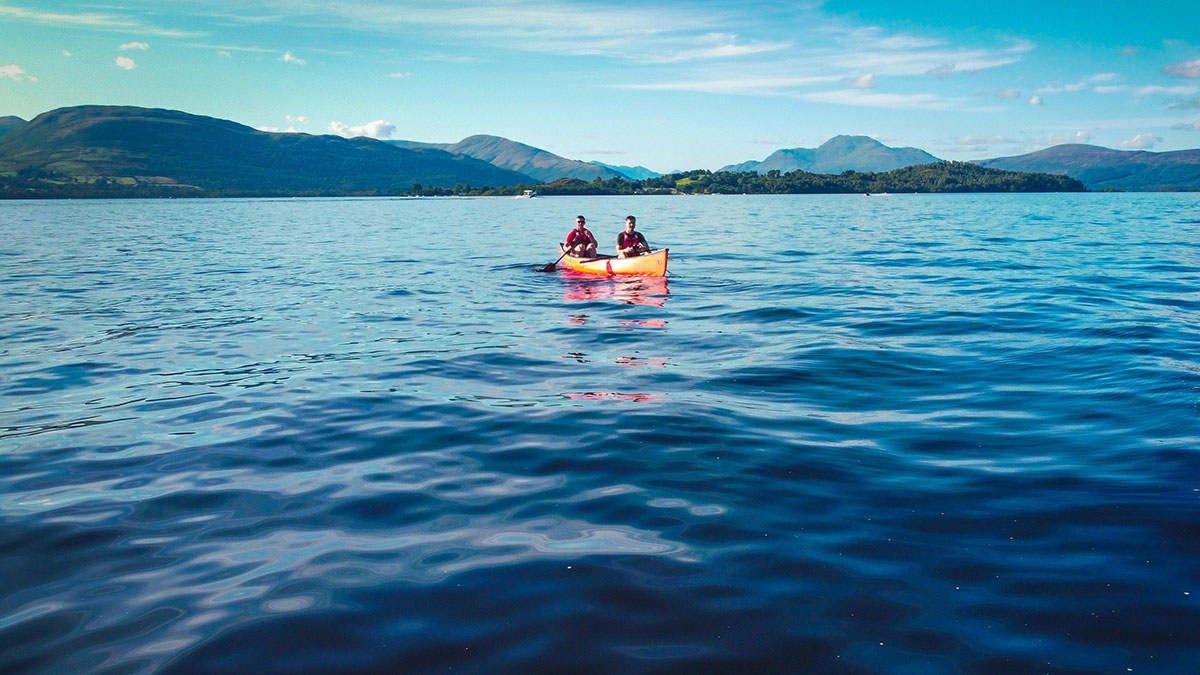
The next few days took us along the Great Glen Way canoe trail, Scotland’s famous water route from Fort William to Inverness via the Caledonian Canal. (We paddle southwest to northeast so that the prevailing winds are at our backs.) Not only is this a unique and beautiful way to see Scotland, but it’s also really neat to see the route’s 29 lock* gates, including Neptune’s Staircase. (We were lucky enough to pull up just in time to see this lock in operation.) Students will paddle the waters of Loch Lochy and Loch Ness for five days, camping on the “river” banks each night. Bonus: There are lots of opportunities to grab ice cream and other fun treats when we portage our boats! We’ll also get to paddle right up to a castle and explore it. (Unfortunately, there was no sign of Nessie as we explored Loch Ness.)
Our last big adventure included a hike up Scotland’s second-highest peak, Ben* Macdui in the rugged Cairngorms. This particular range in the Highlands lends itself to endless rock climbing, skiing, and even ice climbing adventures, as there are many large rock formations and snow patches lingering in this arctic-tundra environment. It’s also home to Britain’s only herd of reindeer. This 10-mile round-trip boasts 2,000 feet of elevation gain (so a little easier than our Mt. St. Helens summit hike). However, it’s no easy walk in the park, especially for our October visit, when weather is famously finicky—we were blown over a few times by the wind, while getting pelted with sideways rain. Luckily for our students, June, July, and August typically see many more blue skies! We celebrated with a cappucino and caramel shortbread in the lodge at the trailhead.
For our final day, we headed back to Edinburgh, but not before stopping by the River Tay to see our rafting and canyoning location. We also fed some Heilan’ Coos, watched a sheep dog and shearing demonstration at a working farm (and fed some baby lambs!), and walked around downtown Edinburgh, including the picturesque street that inspired Diagon Alley in Harry Potter. We met with our in-country partner, Tom, to go through our itinerary and finalize a few of the smaller details, including trailheads, lodging, and the moments of WOW that make an AT trip so special.
We loved how deeply Scotland reveres outdoor recreation, and how its people have worked so hard to maintain incredible trails all over its mountains. We’ll be able to top off so many of our adventures with fun treats in old villages or tours of historic ruins, turning a classic adventure into something unique and unforgettable. Scotland is the PERFECT international location for an AT trip!
[ezcol_1half]
[/ezcol_1half][ezcol_1half_end]
[/ezcol_1half_end]
Needless to say, Scotland was extraordinary. From how friendly everyone was, the incredible food, imposing landscapes, and history blending into the modern world, Scotland should absolutely be on your bucket list!
*For simplicity’s sake:
- Hillwalking = hiking
- Loch = lake
- Lock = device for lowering and raising watercraft in canals between waterways
- Ben = mountain or high hill
Earlier this fall, Dmac and I took a scouting trip to Norway. WOW—what a SPECTACULAR place! When planning or debuting a new trip, it’s important that we visit these new locations to meet with our in-country guides and check out all aspects of the itinerary ourselves.
Check out our scouting trip gallery below! It was quite rainy in the national park while we were there, but weather is typically much warmer, drier, and blue sky-er in summer months!
What do we do on a scouting trip?
Meet with our in-country partners and guides
When working with any new partners, meeting them in person is crucial to making sure it’s a mutually good fit and that we’re on the same page for working to create the best experience possible for our students. These in-person visits follow many hours of vetting over multiple Zoom, phone, and email conversations. We choose in-country partners who have experience working with teenagers in the outdoors and have excellent reputations for safety and fun.
This also gives us the chance to meet some of their guides—we can often hand-pick specific people we’d like to work with our students (these folks not only guide us through the trip itself, but become just as central to our community as our instructors). In Norway, for example, we spent our via ferrata day with Iain, an experienced guide from Ireland who’s also a whitewater kayaking coach and rock climber with a long history of working with teens outdoors.
Lastly, spending face time with our partners gives us the opportunity to talk about Adventure Treks’ program goals, gush about our students, and get our guides as excited to meet them as we always are.
Walk through the itinerary
We don’t visit a new location just to say we’ve been there! We walk (quite literally) through as much of the itinerary as we can. That way, we’re well-versed in the actual trails and rivers, possible challenges, where to find the most scenic spots, local knowledge and history, and much, much more. We visit campsites, drive the route, hike the trails, check out drive times, create a menu that features local cuisine, and make any tweaks necessary.
It’s crucial to make sure that physical challenges are age-appropriate for our students, which is why we hop on trail and hike the actual routes we’ve planned. We cannot wait for our students to experience Jotunheimen National Park and the fjords—the landscape is simply magical!
Make any necessary changes
After running through the itinerary, we’ll discuss possible changes to the planned itinerary and create backup plans just in case. There’s so much to experience in only 16 days that we want to to make sure our students get the absolute most of of their trips!
What our students will love about Norway
We cannot overstate how beautiful the Nordic landscape is. Once you drive out of the cities and head north, you become surrounded by towering mountain ranges. Tumbling waterfalls cascade hundreds, maybe thousands, of feet down the cliffsides EVERYWHERE you look. Mountain spring water is so clean that locals drink it right out of the stream.
The sea kayak route in Nordfjord is gorgeous; students will love gliding through the dark blue waters, surrounded by grazing sheep on surrounding bluffs. One of our campsites is nestled in a remote valley right next to a pristine river—beautiful!
I’m excited for our students to hop on the Hornelen via ferrata. Fun fact: Our in-country partner was the driving force between getting the Norwegian government to build this into the cliff. There are multiple routes of varying difficulty, so similar to rock climbing, students will be able to choose their challenge as they traverse, downclimb, and ascend Hornelen. No matter which route they complete, they’ll feel a great sense of accomplishment—and the views are nonstop!
Jotunheimen was perhaps our favorite part of the trip. Our backpacking route will take students next to many alpine lakes, whose deep, alluring teal waters eclipse even the emerald waters of the North Cascades in Washington (one of our favorite places to paddle in the US). Well-marked paths have been carefully carved through the hillsides, and Norway’s “right to roam” laws (aka allemannsretten) means we’ll have our choice of magnificent campsites. Trails are challenging but accessible—perfect for AT students.
This is going to be an utterly unforgettable experience for our students. We cannot wait for them to experience the wonder that is Norway!
One of the reasons that Adventure Treks travels to beautiful outdoor spaces—and why so many of those landscapes have become designated recreation sites like national parks—is because nature often inspires us to feel awe. Experiencing awe can lead to significant benefits in our lives and communities, especially for teenagers. As an Adventure Treks instructor, I have had the great joy of not only experiencing awe with my students, but also watching them encounter it on their own.
What is awe?
The Cambridge Dictionary defines awe as “a feeling of great respect sometimes mixed with fear or surprise.” The Greater Good Science Center at the University of California, Berkeley has a better working definition (at least, in my opinion):
“Awe is the feeling we get in the presence of something vast that challenges our understanding of the world, like looking up at millions of stars in the night sky or marveling at the birth of a child. When people feel awe, they may use other words to describe the experience, such as wonder, amazement, surprise, or transcendence.”
What does awe feel like? Physically, our expression shifts—our eyes widen and our heads tilt up. Sometimes we smile. Sometimes we remain motionless. Goosebumps or chills are common signs of experiencing awe, and it is not uncommon to cry what some might call “tears of joy”—not from sadness but of course, from awe.
We might feel awe when listening to an orchestra play, stargazing on a clear night, experiencing the change of seasons or a particularly beautiful day, watching children play, spending time with family and friends, meditating or participating in religious practices, and in endless other ways. It is usually related to the feeling of recognizing that there are bigger forces at work than our individual selves.
What awe means to us
Dacher Keltner, a psychology professor at UC Berkeley and co-director of the Greater Good Science Center, has dedicated many experiments to the study of this single emotion. His work has shown that evolutionarily, awe had a hand in shifting individualist ancient peoples into social groups and eventually into growing societies. He found that “awe binds us to social collectives and enables us to act in more collaborative ways that enable strong groups, thus improving our odds for survival.”
Awe still plays an important role in society today. Not only is it a magical feeling, but it inspires us to shift our perspective. When we experience awe, we realize that our annoyances and anxieties are one part of a massive whole of the human experience, and this automatically reframes our minds in a way that makes us more social. For me, this means that whenever I see something beautiful or find awe in an everyday moment, I feel the need to share it. My dad has fielded more than his share of phone calls during which I chatter about a beautiful view on a run, a meaningful moment with my mentee, or the red fox I saw in my yard. Dacher says, “Brief experiences of awe redefine the self in terms of the collective and orient our actions toward the interests of others.”
Awe also makes us curious! The emotion might be mislabeled as wonder or amazement, both of which can be stirred by awe. As it is often a positive emotion, and a connective one, it spurs us to ask questions and be excited in our pursuit of new knowledge. Keltner gives the example of a young child who is perpetually experiencing things larger than themselves (a significant part of the Adventure Treks experience) and completely out of their control (something else we learn at AT). What is their most common phrase? WHY! Just like a toddler, when we experience awe, we want to know more.
Experiencing awe at Adventure Treks
I have had the privilege over many trips to feel awe while simultaneously watching students experience it, so I have seen the immense power of this emotion to connect and inspire young people. The most obvious place to feel awe on an Adventure Treks trip might be during one of our most challenging activities, like a summit attempt: The conditions can be intense, our minds are laser-focused, the camaraderie is strong, and the views are beyond anything we’ve ever seen. I have seen faster and slower students supporting each other through hardship, all parties determined to see the top of the mountain and better understand their place in the world. I have also experienced awe in those “in-between” moments, like playing with freshwater slugs on the banks of a river in California with one of my students. We spent over an hour observing them and their habitat, watching the way they moved and clung to their chosen rocks. There was nothing intense or magical about this moment—we just observed the world and played together.
I encourage everyone to fall into a deep rabbit hole on why waterfalls make us feel good, as standing beneath falling water is another time I have been overjoyed to watch a student experience awe. On their first-ever hike in a forest, they zigzagged from side to side on the trail, taking in every new leaf and salamander and colorful flower. When we arrived at the waterfall that was our destination, this student carefully followed my steps up to the base, then stood, arms outstretched, and let the water fall on their giant smile. They walked back to the vans soaked but curious—why does the water make that sound? How high are the falls? What happens to the water from here? Is this why you’re supposed to pick up dog poop, so it doesn’t end up in the river and fall on me when I stand under the waterfall?
Spending time in nature is one of the best ways to feel awe, and it provides a wonderful backdrop for the myriad of wonders and queries that naturally follow. We at AT are so lucky to get to share some of the most beautiful places in the country and world with our students and encourage them to feel secure and happy in the natural world.
Take the time to pause and open your mind to those things which you do not fully understand. You will be the better for it—and, as your feelings of awe ripple out through acts of kindness, so will the rest of us. – Dacher Keltner
Our students will agree that Adventure Treks instructors are pretty incredible people. From planning 30-person meals for 30 days to fixing broken tent zippers to tending wounds to making sure we’re in the right place at the right time, AT instructors are constantly working to make sure our students are having the best and most fun summer program possible. This passion for empowering teenagers’ personal growth, fostering a fun and cohesive community, and exploring beautiful places with new friends is what makes our instructor team so strong and impactful.
Because our instructors are at the heart and soul of the Adventure Treks experience, we’d love for you to get to know them a little better. How did they end up at AT? What do they do in their free time? What are some fun facts people don’t know about them? We interviewed two of our summer 2022 instructors and are happy to share more about their lives below!
Max Minichiello
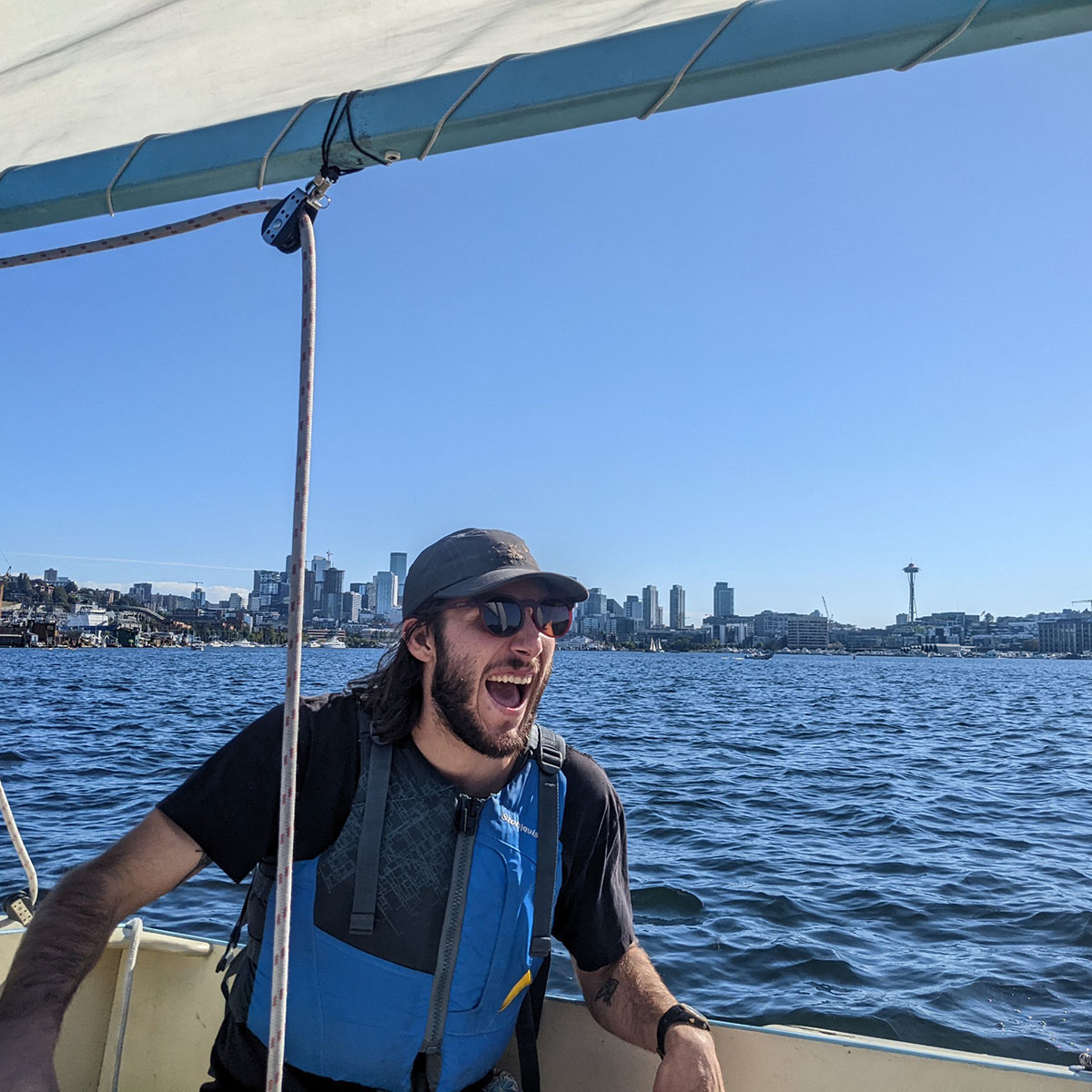 Why did you initially pursue work as an outdoor educator? What keeps you coming back? Initially, I knew I wanted to be outside all the time, as it’s where I found myself to be the happiest. Over time, what brings me back is watching that love grow in the students I teach, as well as the communities I form every year.
What’s one of your favorite memories from last year’s Adventure Treks trips? Doing an alternate, lower elevation backpack in the Goat Rocks. We couldn’t do the normal backpacking route because the snowpack was too high. Having hiked in the Goat Rocks, at first I was pretty bummed that we would miss out on the beauty of it all. However, we still had an incredible time, and I don’t know if I’ve ever laughed so much on a backpack.
What do you do when not working for AT? For the past year, I’ve been working as a barista and as a climbing instructor for the YMCA. Beyond that, I like to do a lot of things we do at Adventure Treks! I’ve been really into big, large-mileage day hikes. Some highlights over the past year were the High Divide loop in Olympic National Park, and crossing the Carbon River in Rainier National Park. Skiing has also been a lot of fun this winter, and when I’m not outdoors, I like to read, play board games and video games, and make block prints!
What are you hoping to learn and grow into this next year? I’m hoping to strengthen my connections with my community in Seattle. It’ll be the first time I’ve lived in one place for longer than a year since college, and that’s really exciting for me!
Do you have any big exciting life plans for the near future? I’ll be enrolling in a local college to get an associate’s degree in GIS! I’m really stoked on that, and also have some goals of hiking the Wonderland Trail, as well as the Timberline Trail.
Fun facts about Max: My pinkies are insanely crooked, and I’m an avid competitive Pokémon battler (like the video game, not the card game).
Kate Wojeck
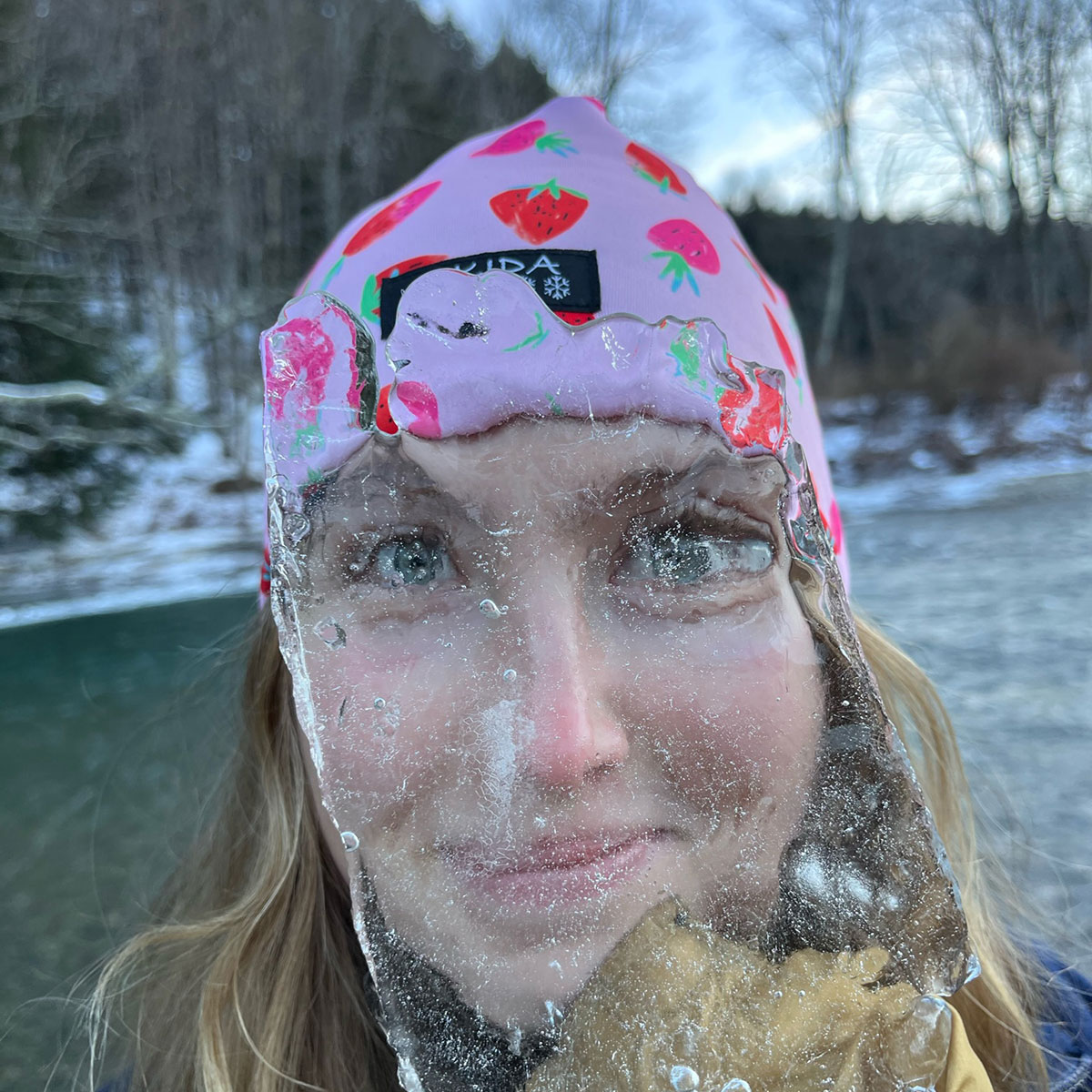 What initially made you pursue work as an outdoor educator? The energy and connection and community I feel in every Adventure Treks space I step into and am a part of—and now help cultivate—is something else. It’s kind of like this big, bone-crushing hug. And I keep coming back to feel it.
What’s your favorite memory from last year’s Adventure Treks trips? I’ve recently been revisiting the moment I heard one of my students’ real laughs—a full-bodied, lose-your-breath belly laughter—for the first time after spending a week together on our Olympic Peninsula backpack. We were de-rigging and while telling the story of our adventure, she burst out laughing… this colorful laughter I hadn’t heard yet. Something shook loose in me, and I was consumed by my own fit of giggles. Seeing a piece of someone come alive in front of you and bring so much color into their person was so special. I can feel how much our cheeks hurt, how much joy was pulsing through all of us—it makes me smile real big! I’ve since been fixated on what a laugh holds and how meaningful it is when shared like that.
What do you do when not working at Adventure Treks? I am living in the library, reading, writing, musing, projecting, dancing, playing outside in all forms, savoring sunshine as a student at the University of Vermont in Burlington—and still exploring! I’m studying environmental studies and storytelling (via writing, art, film, etc.). We’re thawing out after winter and you can feel the shift in seasons—it’s lovely. Swims in the lake, stomping around in the mud, and warmer evening walks are upon us so soon. I’m getting my American Canoe Association certification for kayaking in a couple weeks, too.
What are you hoping to learn over the next year? I’m learning how to see myself—all of my messy, wonderful self—and will continue to notice and carry this awareness over the next year. The kind of witnessing where you create the space to hold all parts of you and breathe into them. The things and feelings and people who ooze an energy about them always make me grin, and I’m trying to embody myself just a little more each day.
What’s a hobby or passion that you pursue in your daily life that not everyone knows about you? Writing! The kind that’s creative and messy and oozing sensory details. I keep a notebook where I gather words I love that are circling around in me, and I spend lots of time playing in there. It’s becoming a practice or ritual of sorts, and I’m starting to feel my imagination crack open. I love it.
What is a book or article you read recently that really stuck with you? This isn’t a book or an article, but a podcast that’s been scratching an itch in my brain lately is “On Being” with Krista Tippet. So much sensitivity and wisdom and joy inhabits these conversations. It’s incredibly grounding to hear Tippet and who she’s in dialogue with reflect and articulate all they’re noticing and imagining in their lives, as they stretch into the unknown madness of the world.
Adventure Treks’ top goals for students include the building a supportive and inclusive community, experiencing personal growth, and—of course—having a TON of FUN!
For a moment, close your eyes and pretend you’re on an Adventure Treks trip in California. It’s a typical summer day… meaning it’s hot. After an adventurous day of rock climbing with your friends, you feel tired yet empowered and proud. It’s time to head back to camp, which means loading into the vans. To your pleasant surprise, the van is already cool, with the A/C running on full blast. Everyone’s energy surges with cold air drying sweaty heads. A Spotify playlist begins, and everyone starts singing along.
This is “wow” #1.
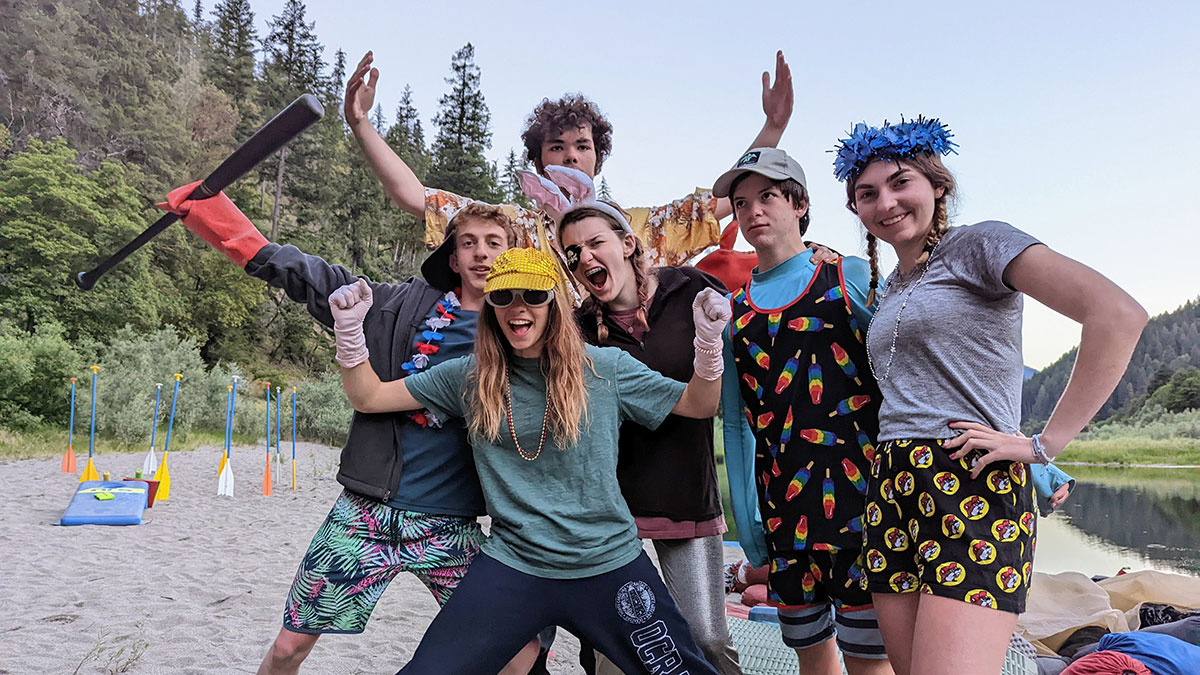
You pull into the grocery store, and an instructor runs inside. The group hops out to play hacky sack while you wait. A few minutes later, the instructor returns with fresh food, and gloriously frozen treats—a perfect afternoon treat after a hot day of climbing.
This is “wow” #2.
We all get back to camp, where the climbers will begin making student dinners for the entire group (the bikers are still out pedaling around Mt. Shasta). Your group brainstormed the menu, bought the ingredients, divvied out responsibilities, and are responsible for executing the entire meal from start to finish. Everyone gets dressed up and dances and sings while dinner is cooking.
This is “wow” #3.

Most AT students know about the “WOW” factor that accompanies each trip. What we call “wow” are moments of fun and excitement and humor (planned or spontaneous) that accompany everything we do. The “wow” sometimes defines each trip, its community, and the memories students take home. This is largely a reflection of the unique individuals on each trip, and our instructors put a lot of thought into planning special events in between our outdoor pursuits.
Sometimes, “wow” moments are small gestures, like surprise popsicles on a hot day, a van that’s already been cooled off, an unplanned game in moments of downtime, a splash in a creek, a trail treat left for another group. At other times, they’re painstakingly extravagant events, like AT Olympics on the beach of a beautiful lake with Mt. Shasta in the background during sunset.
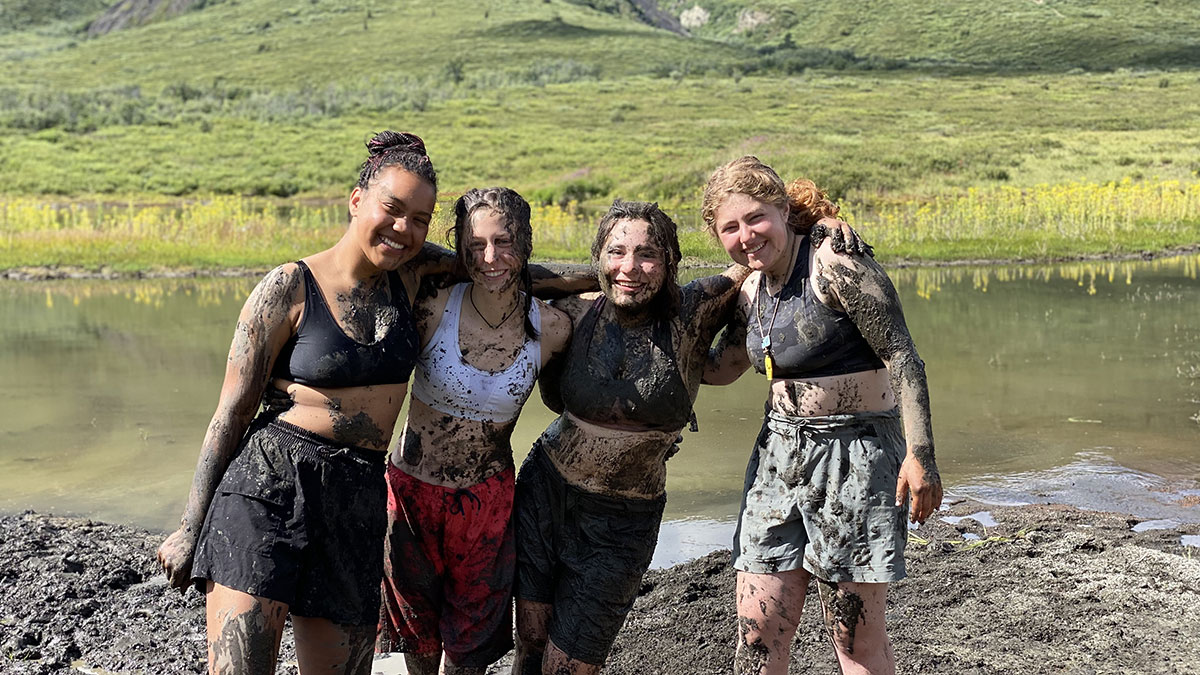
“Wow” is also what makes group chores and difficult challenges more fun. Because Adventure Treks is an expedition, we have quite a few logistics to manage, like packing and unpacking the U-Haul, setting up and taking down camp, and cooking three meals a day on backcountry stoves. Although these may seem like simple tasks on a checklist, they’re always accompanied by something to get people more excited and bought in, like our favorite Spotify playlist blasting on a Bluetooth speaker, dance parties as we “duffel shuffle,” riddles and trail games as we hike uphill, and fashioning “prom outfits” out of trash bags in the rain during a backcountry sea kayaking trip.
We have countless examples of how to make being outdoors and in an intentional community FUN, every single day. And instructors aren’t the only ones incorporating the “wow” into their trips—students often get involved as well! One of my all-time favorite events involves a student who led a Zumba class at camp. Not only did we have an absolute blast as a group, but leading a silly dance class outside helped that more reserved student come out of their shell. From then on, they displayed much more confidence in the group and fully embraced being their true self.
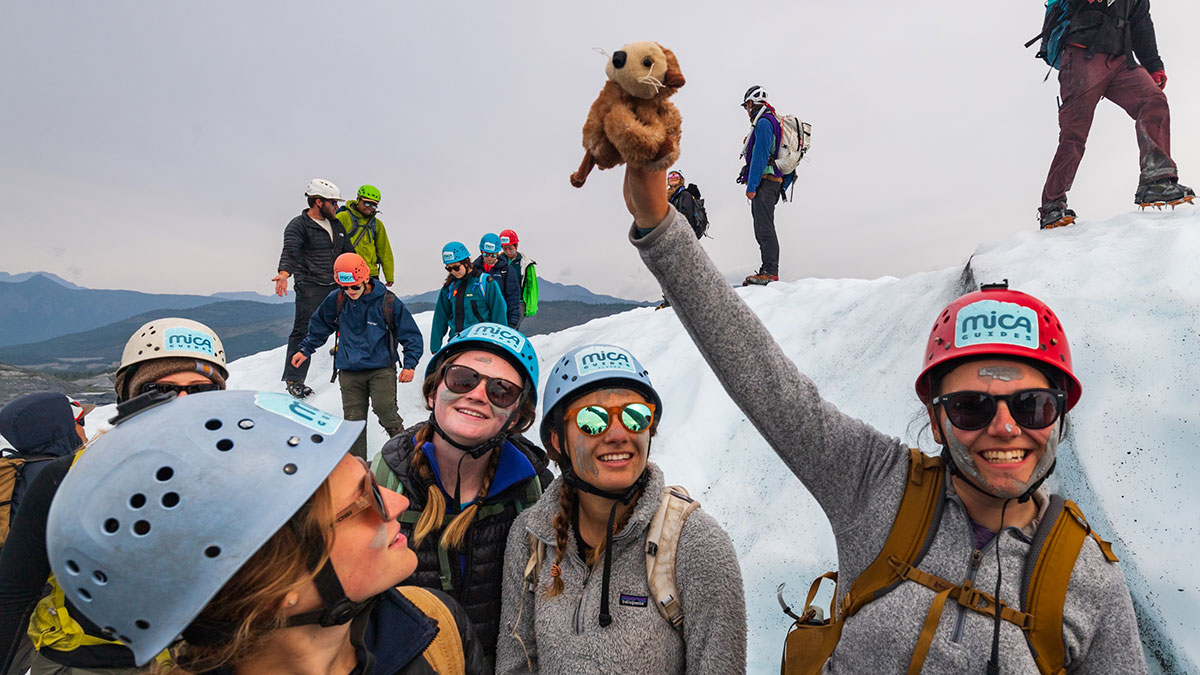
Many more “WOW!” moments come from our group journal. Every night during evening meeting, a student offers an account of the day from their perspective. There are infinite bounds to the creativity displayed here—students have written songs with original lyrics, performed skits with friends, played charades to act out the day, told the story from the perspective of a fictional (or non-human) being… It’s often a big source of hilarity and endless, uncontrollable giggles .
It’s safe to say that an unspoken goal of Adventure Treks is to have every student arrive home with fond memories of “WOW!” whether that’s nailing an Owen Wilson impersonation, winning the shaving cream Cheeto toss, experiencing a luxurious mud mask in Alaska, celebrating Canada Day or the 4th of July with sparklers, or making a Taylor Swift music video on a mountaintop!
Our students will agree that Adventure Treks instructors are pretty incredible people. From planning 30-person meals for 30 days to fixing broken tent zippers to tending wounds to making sure we’re in the right place at the right time, AT instructors are constantly working to make sure our students are having the best and most fun summer program possible. This passion for empowering teenagers’ personal growth, fostering a fun and cohesive community, and exploring beautiful places with new friends is what makes our instructor team so strong and impactful.
Because our instructors are at the heart and soul of the Adventure Treks experience, we’d love for you to get to know them a little better. How did they end up at AT? What do they do in their free time? What are some fun facts people don’t know about them? We interviewed two of our summer 2022 instructors and are happy to share more about their lives below!
Elena Mederas
What’s your favorite memory from last year’s Adventure Treks trips? There were so many spectacular sights and memories from the last season, but there was nothing quite like stargazing on the steep slopes of a volcano. Our group started our hike up Mt. St. Helens through forests at the base of the mountain at around 2 a.m. and only caught glimpses of the stars through the leaves—but once we moved past the tree line, there was a huge expanse of cloudless sky above us. We gazed up in awe at the blazing stars, spent time identifying constellations, and spotted four planets as well: Venus, Jupiter, Saturn, and Mars! I loved the feeling of being so small in the immensity of the universe—and felt so lucky that we could all be experiencing that moment together.
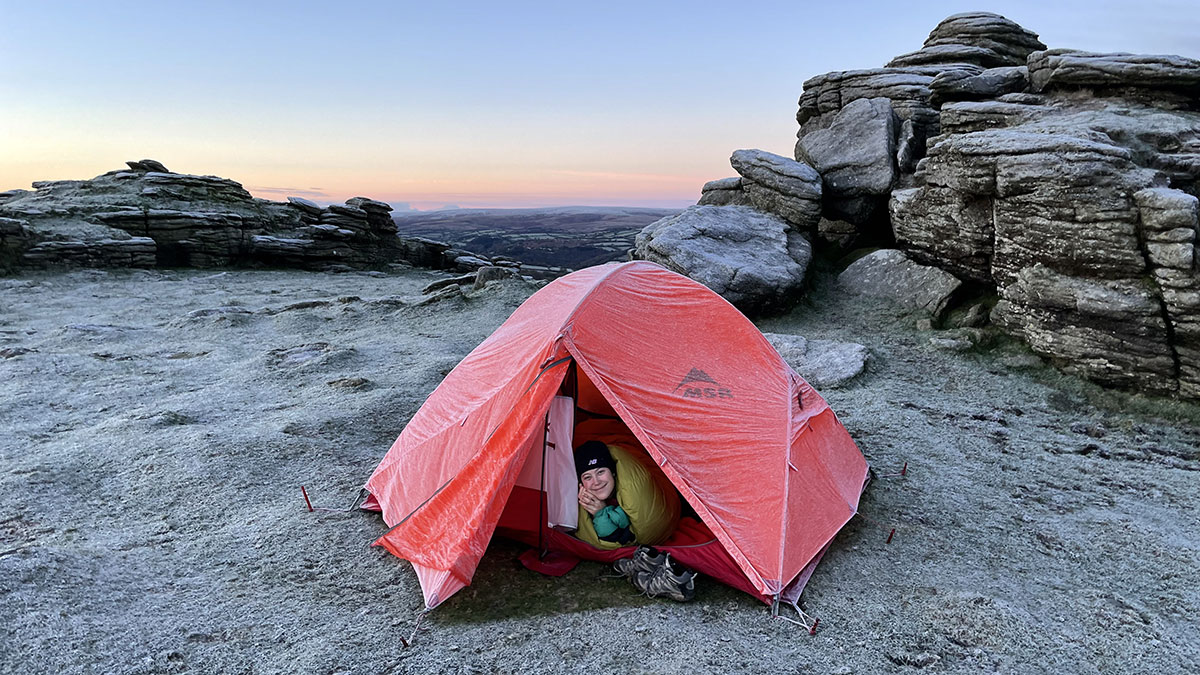
Do you have any exciting life plans for the near future? I moved to England for the winter and have been getting accustomed to living in a new place! So far, I’ve been spending my time planning backpacking and climbing trips with my partner (we recently braved a weekend backpacking trip on the frosty moorlands of Dartmoor National Park), frequenting music shows in cozy pubs, becoming a regular at the local climbing gym, and haunting downtown cafes to work on graduate school applications. I’m looking forward to the spring adventures to come!
What is a book or article you’ve read recently that really stuck with you? A friend and local author from my hometown recently gifted me a copy of a book he wrote called Quiet Teachers. The short story was about a person who felt lost and lonely until they went outside and contemplated the trees, pinecones, birds, and clouds—all of whom shared their own tidbits of wisdom on how to live a meaningful life. On the final page of the book was a handwritten note: “Find your inside, outside in Nature.” I felt so moved by the message and story; it made me feel like life isn’t so complex after all. Like the little chickadee sang from the branches, all you need to do are a few simple things: “Know what you need and where you want to be. Then just work at it, work at it, work at it.”
Fun fact about Elena: I’m both a U.S. and Costa Rican citizen and have family living in both countries!
Dana Kirk
 What initially made you pursue work as an outdoor educator? I wanted to be able to impact students and work outside, exploring new adventures while pouring into other people’s lives. What I didn’t realize was how backcountry time is different from everyday life. My co-instructors and I would say backcountry time is five days normal time and front country is three days normal, meaning time in the woods is different. The connections you build are deeper, your the mind feels free and full of vision, your body feels awake and excited. I love watching students experience this and getting to be a part of it.
What’s your favorite memory from last year’s Adventure Treks trips? On the Lost Coast backpacking trip in California, we made too much rice, even after everyone took an extra bite to help “pack out” less weight. We decided we could give it to one of the other groups in passing. The students took the bag of rice and wrote funny inside jokes, encouraging comments, and notes on the bag and came up with a plan to sneak it into the other group’s gear in passing.
What do you do when not working at Adventure Treks? I teach art to kindergarteners all the way through eighth grade. I coach middle school girls’ soccer, I am a co-athletic director for the elementary and middle school, and I am involved in my church. For fun I like to mountain bike, climb, snowboard, hike, paint, throw pottery, swing and line dance, and bake.
What are you hoping to learn over the next year? I want to grow in engaging my story; learning how to use my story and life to be able to encourage others in theirs. That includes being OK with the mundane of life and experiencing each moment life has to offer for what it is—to grow in not worrying about my future but taking one experience at a time.