 During my childhood, I often watched my dad, uncles, grandfathers, and male cousins head off for weekend camping trips and annual deer camps. They spent their days outside or in a rustic cabin, building fires, cooking meals over a fire, using outhouses, and “roughin’ it.” My brother taught me the knots and outdoor skills he learned as a Boy Scout. I watched movies like Jeremiah Johnson, Old Yeller, My Side of the Mountain, Far From Home, Cast Away, and Alone in the Wilderness—movies featuring men and young boys who freely explored the land around them, possessing the skills to survive in remote wilderness areas.
As a teenager and throughout college, I badly wanted to experience that freedom to explore, to have the confidence to have adventures, and to thrive in the exciting, unknown outdoors. Movies like Touching the Void, Grizzly Man, Into the Wild, The Way, 180 Degrees South, 127 hours, and The Grey—another handful of films featuring men exploring the outdoors—gave me pangs of desire, made me feel that I must do or be something more than I was at the time, and take grandeur adventures and truly “live.”
I’d never seen a female lead one of these movies’ plots, and none of my friends were having these experiences. At the time, I felt incapable of any type of outdoor adventure.
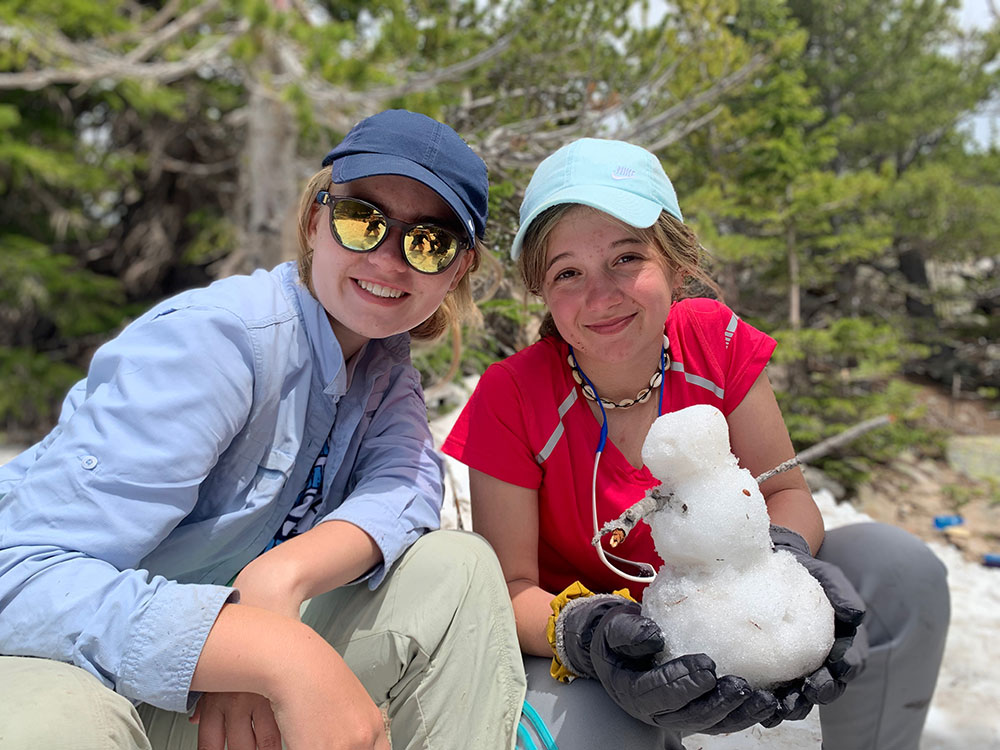
Imagine if that’s where my story stopped. Really—take a moment to think about that. A female-identifying child who grew up watching movies showing only men in the outdoors, telling us only men were capable of this type of survival and independence. She had only men as her role models. She was telling herself she was not capable of achieving a goal, of obtaining adventure in the outdoors.
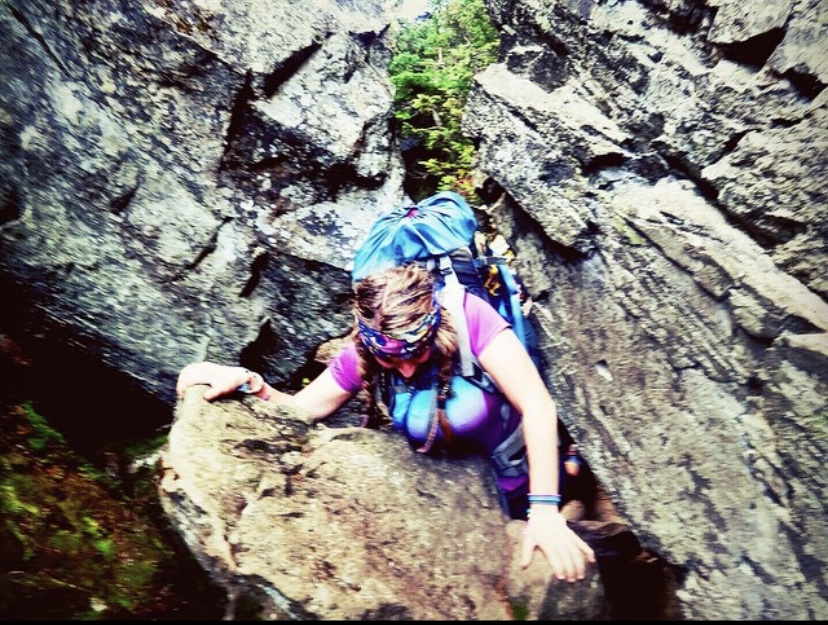
Unfortunately, that is the reality for many young girls and teens. Thankfully, my family recognized the positive power of the outdoors, and throughout my teen years, I attended a summer camp and went on backpacking, kayaking, and canoeing trips led by female counselors. I was a sponge, soaking up their skills, resilience, strength, and independence. My confidence grew by leaps and bounds, and I realized how capable I actually was by facing challenges in the outdoors—bad weather, taking wrong turns, minor injuries—and I learned how to adapt and overcome.
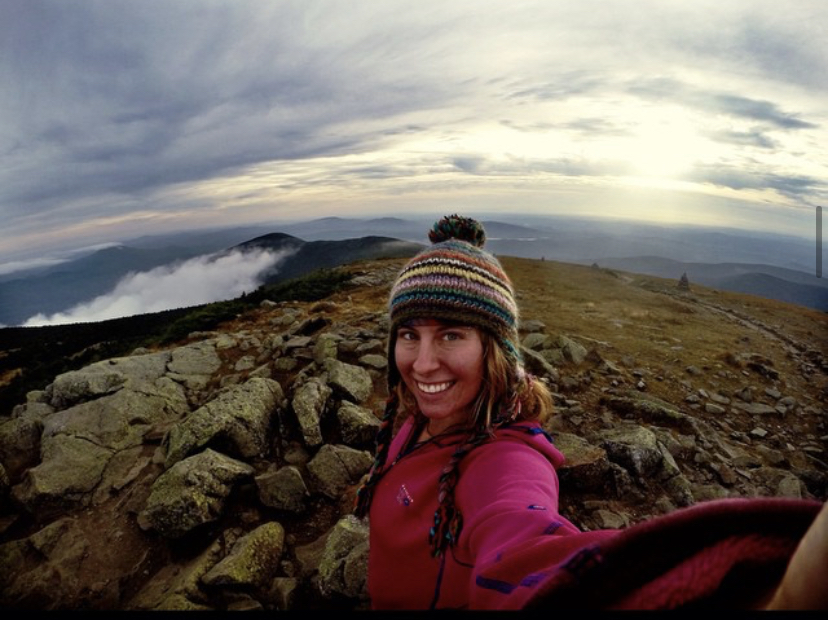
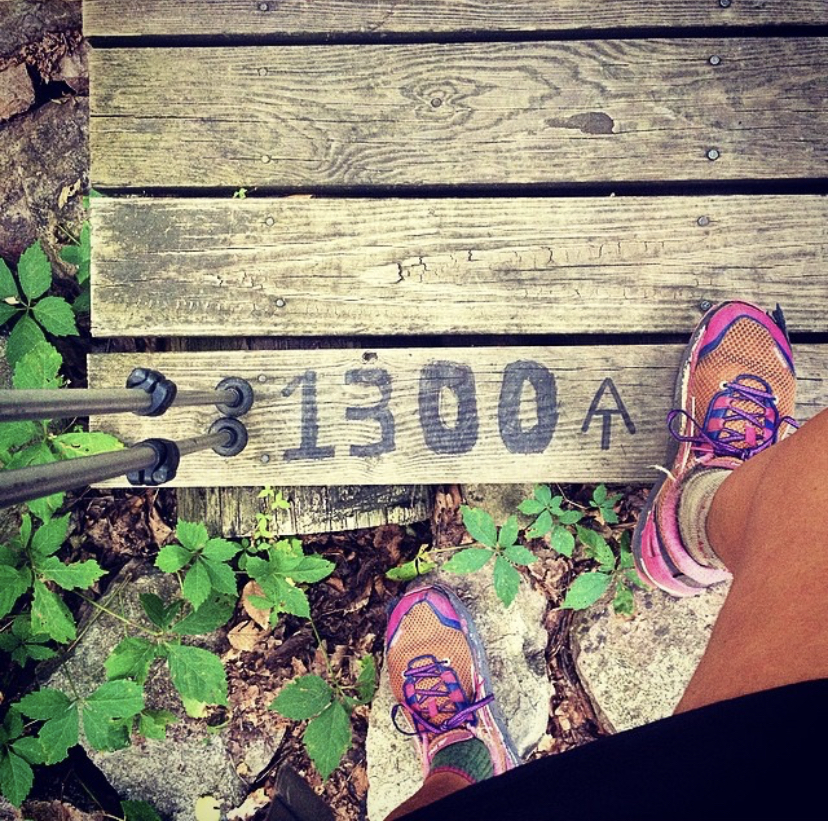
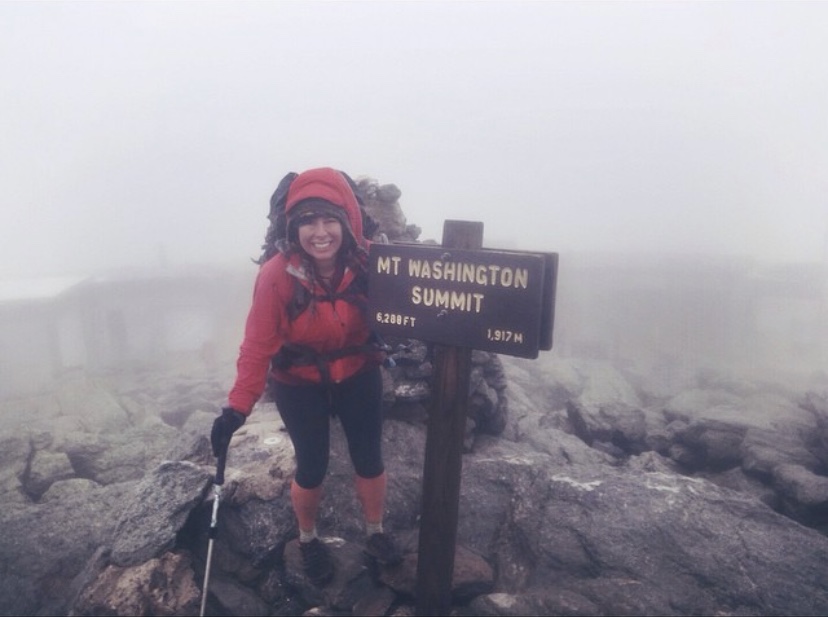
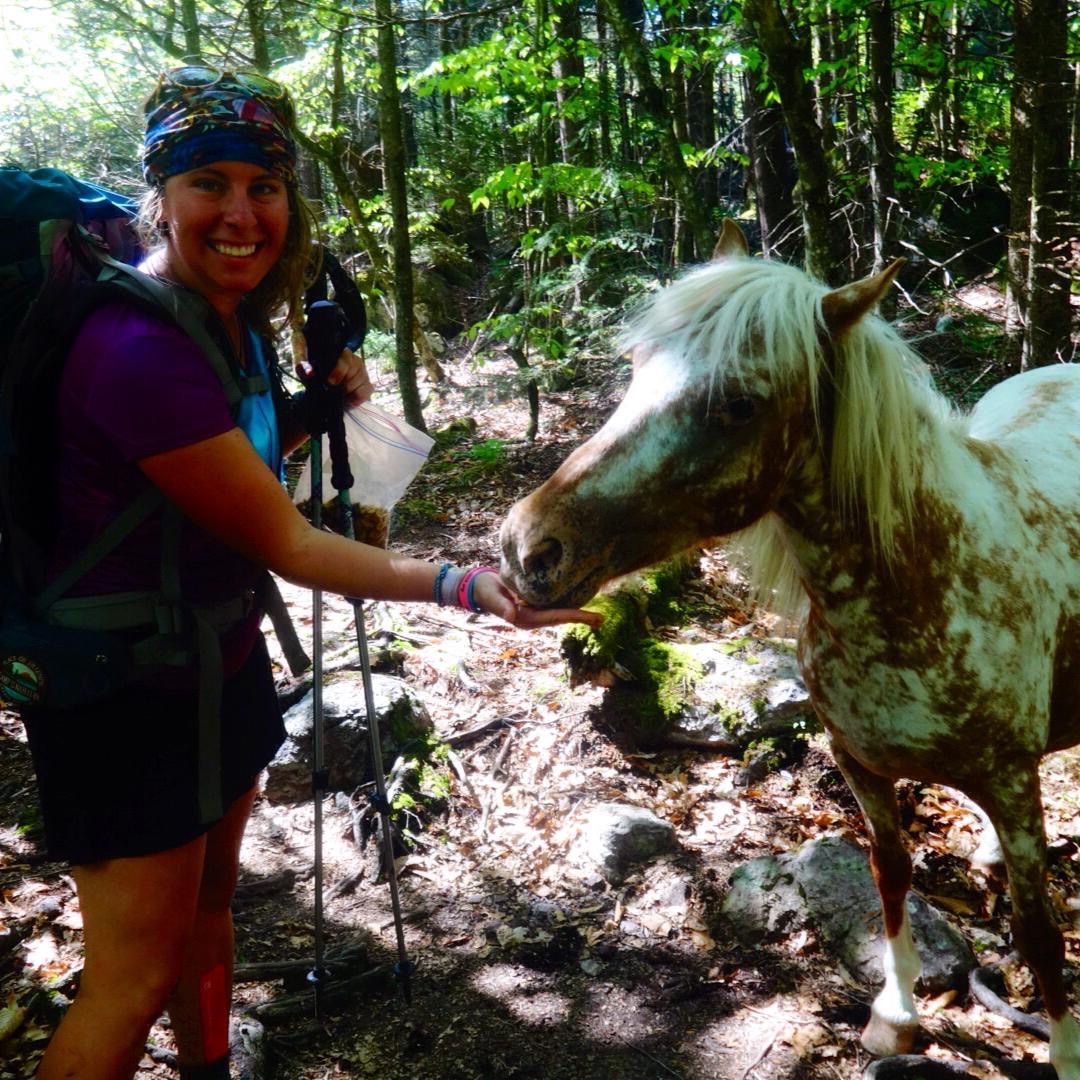
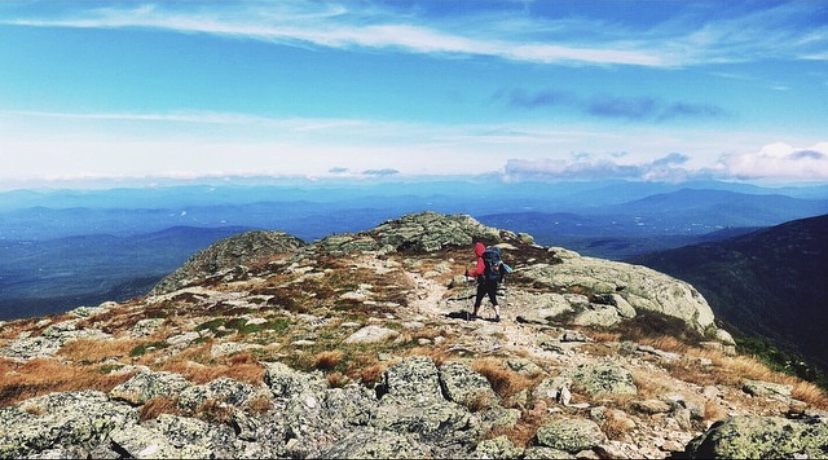
Those early female role models inspired me to become a trip leader for that summer camp. When I graduated college, I set out to complete another goal: a solo thru-hike of the 2,186-mile Appalachian Trail (read about what I learned during that hike here). After my thru-hike, I settled into an office job I thought I was supposed to have, the kind your parents want to tell their friends about, and I got comfortable. Then professionally removed from the outdoors, I used all my paid time off on backpacking trips, seeking that feeling of confidence and fulfillment that I lacked at work.
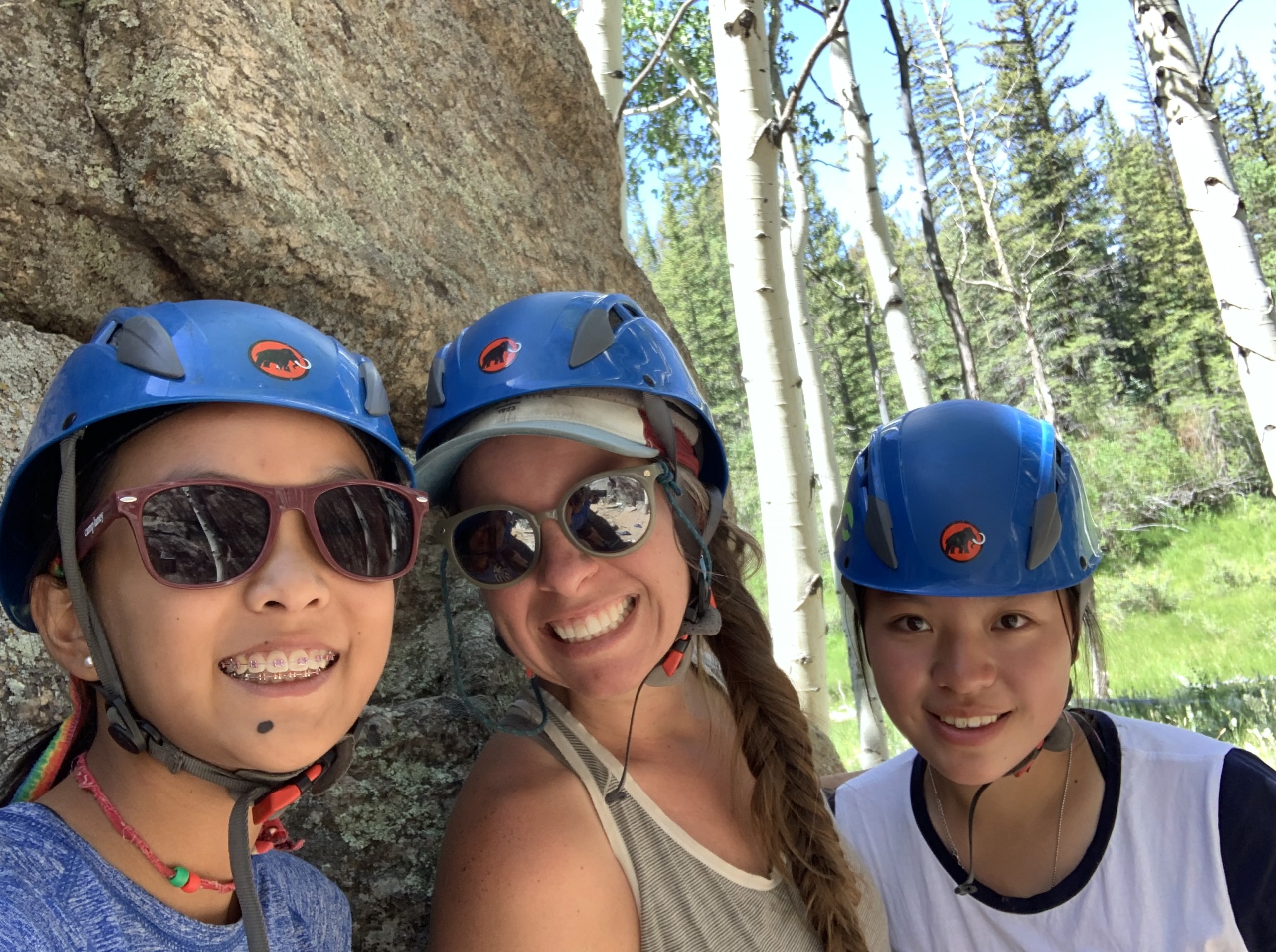
Eventually, when the realization hit that I was happiest working with youth in the outdoors, I came to Adventure Treks. This is what has made me happy and provided fulfillment: helping create an environment where confidence grew in a way that is difficult to find amid all the pressures of teenage life.
I came across this great article by J.S. Kovach at Utah Valley University recently, :
“The potential benefits of participating in physical activity in the outdoors are known to be highly therapeutic and empowering. The last two decades have seen an increase in outdoor recreation research focusing on the social, mental, and physical implications for women in particular (Bosteder & Appleby, 2015). Inequities regarding participation in outdoor recreational activities exist between men and women, and women face constraints unique to their gender. These constraints include but are not limited to: societal and behavioral expectations, perceived low body image, self-consciousness, misrepresentation in the media, and a lack of appropriate gear designed for women…”
“… When women are able to overcome these barriers or even simply dare to step into a canoe in the outdoors (as an example), research has found that positive outdoor recreational experiences dramatically increase a woman’s self-valuation, self-confidence, and belief in her ability to lead.”
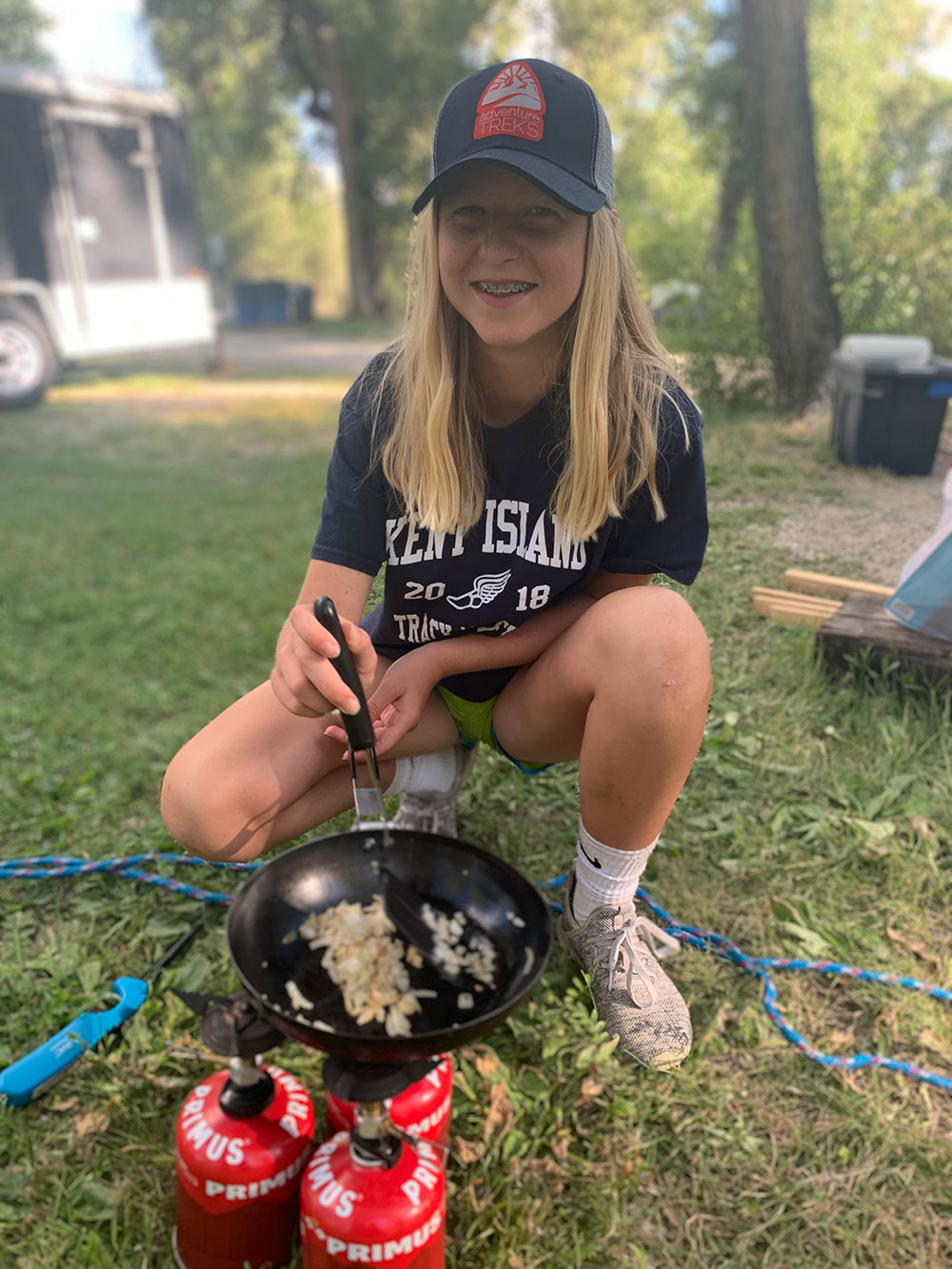
Other studies have shown that the majority of individuals who engage in outdoor recreation, regardless of their initial level of perceived body image, experience an improvement of self-value and positive body image. In Kovach’s study, “persistence in making and pursuing personal goals can influence potential implications for a female participant, including a recognition that her body is strong, that she is capable and competent, and that positive body perception is important.” In other words, outdoor activity makes a huge difference in empowering women and girls and how they see themselves and their abilities.
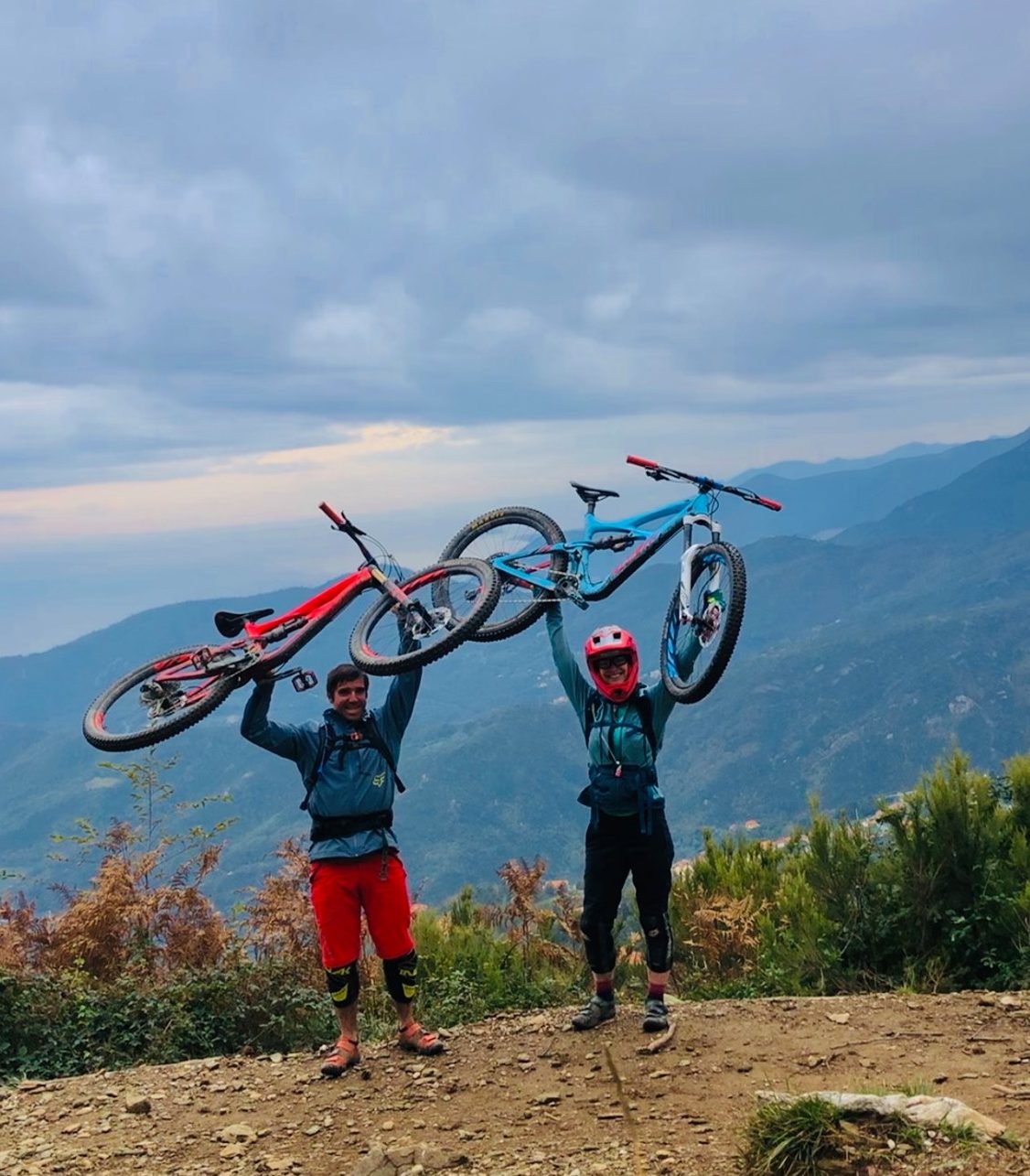
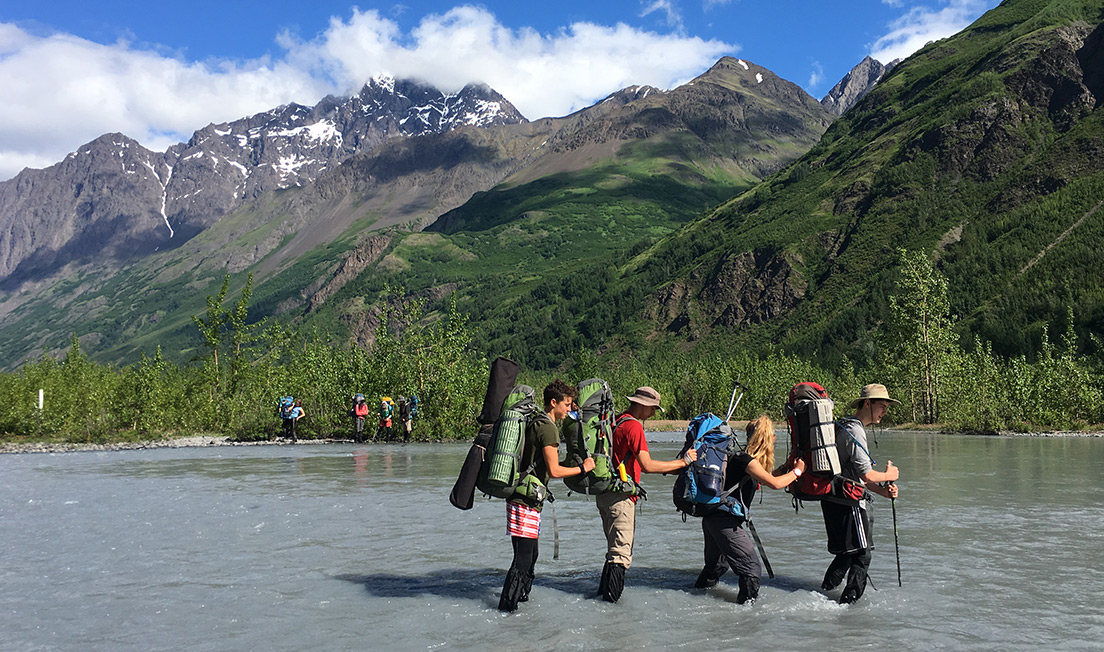
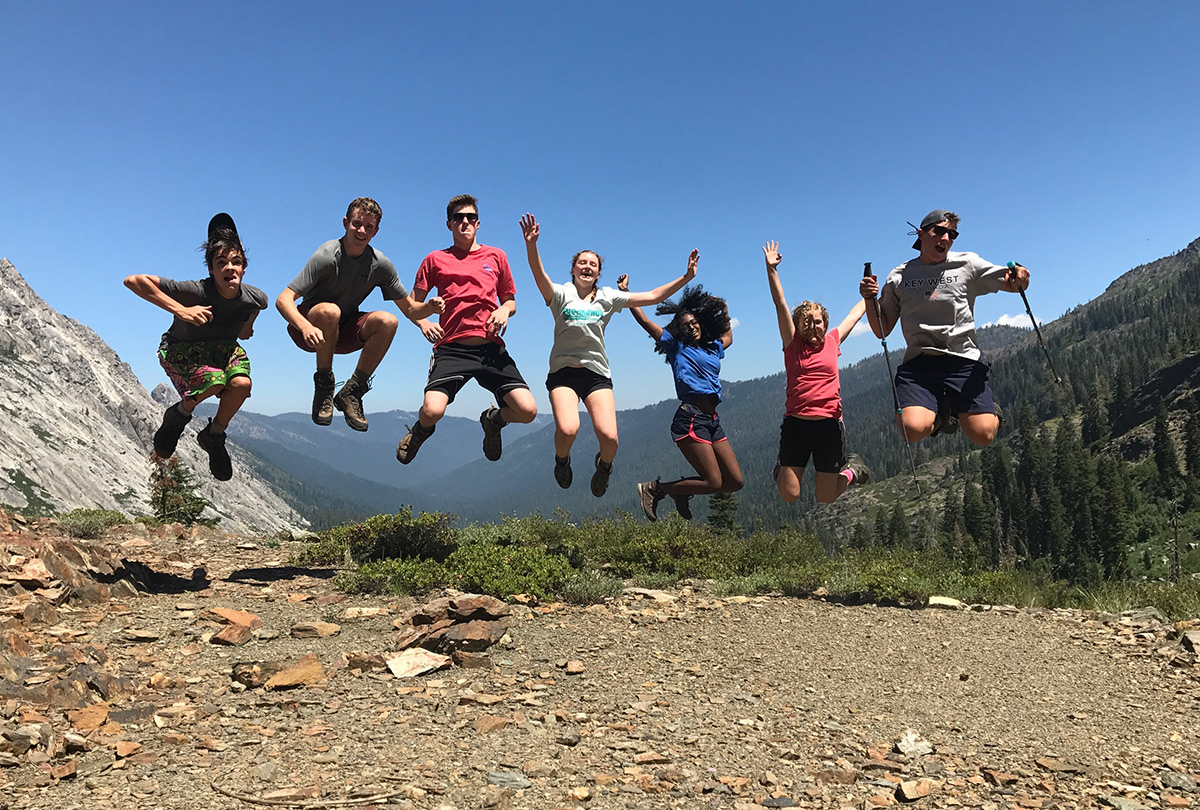
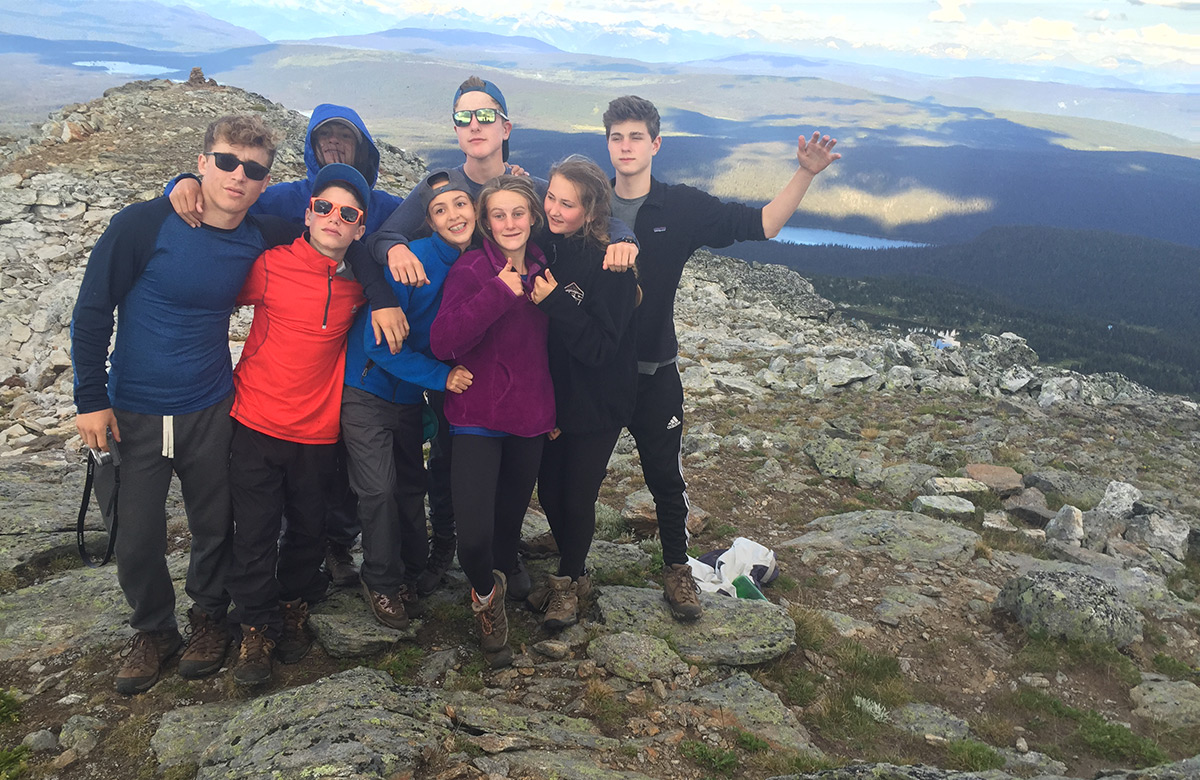
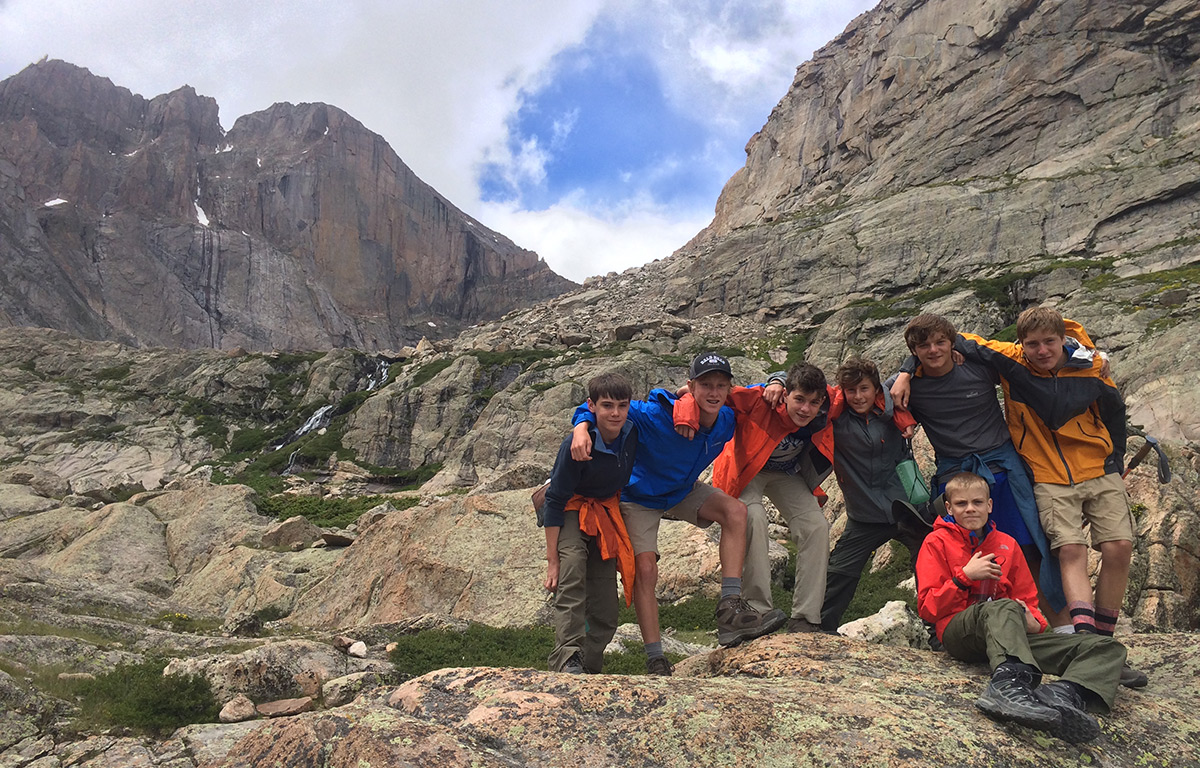
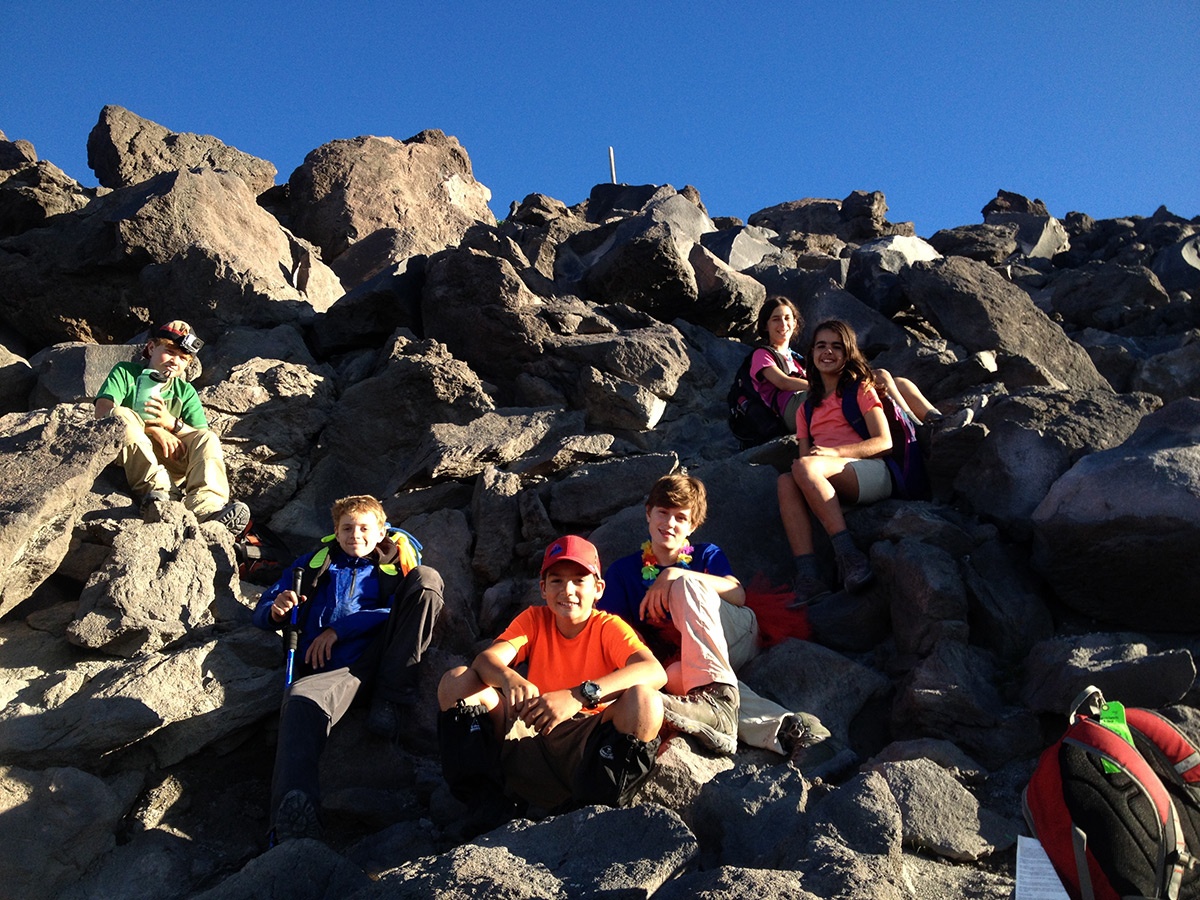
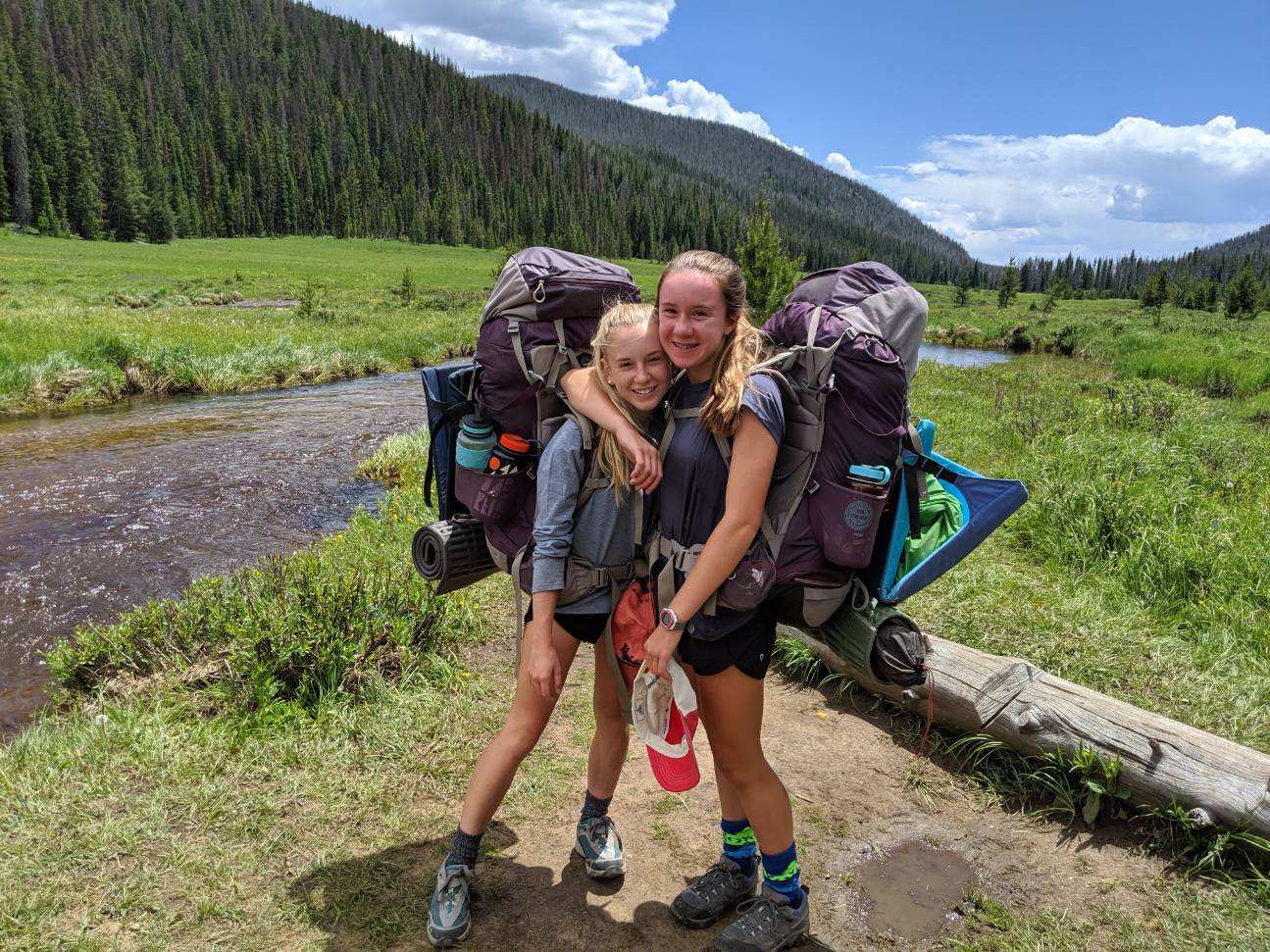
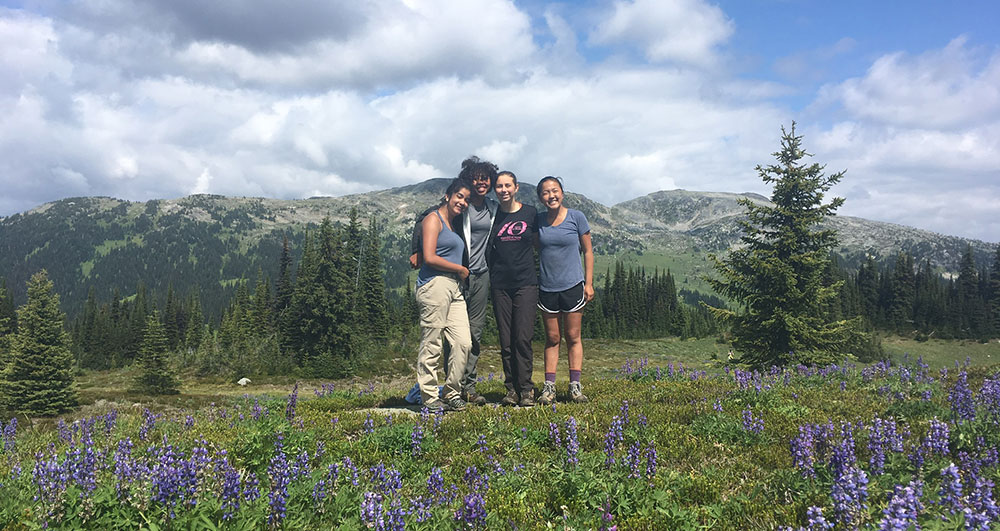
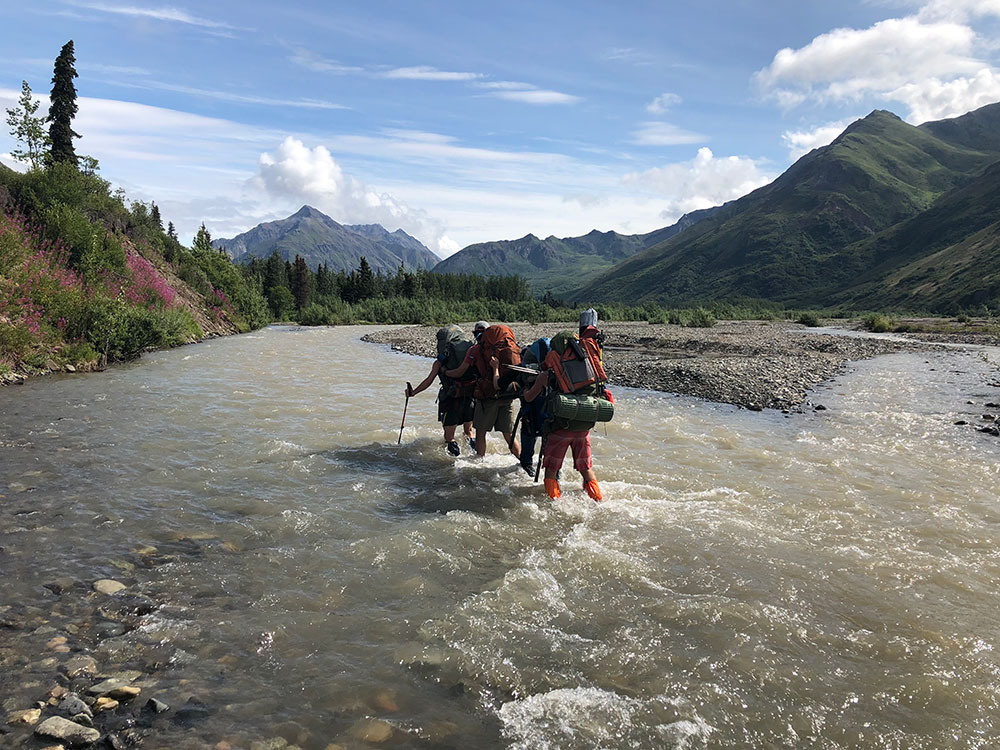
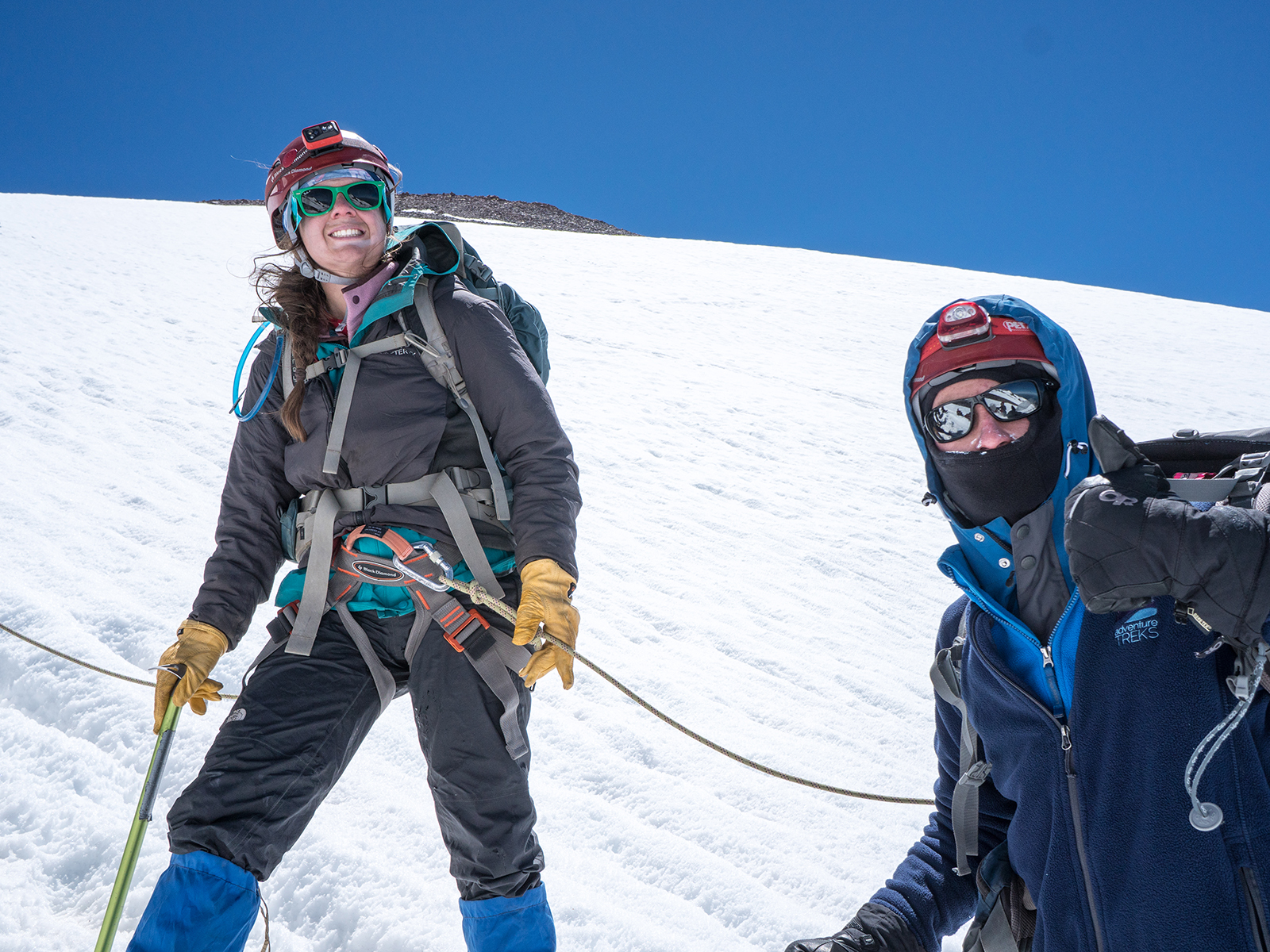
At Adventure Treks, we see this firsthand in our students; in fact, it’s one of the best parts of being an instructor. We get to see a total transformation in spirit and mindset as students start to believe in themselves as they rock climb, backpack, or mountain bike for the first time. Of course, we see this in all of our students, but it’s especially impactful in our female-identifying students in a male-dominated industry.
Beyond witnessing their growth, seeing students recognize that transformation in their end-of-trip evaluations is simply incredible. Year after year, student say they:
- realized they were more capable than they thought,
- were surprised at how much they enjoyed being out of their comfort zone,
- felt more confident in their ability to go back to school and try to stay true to themselves,
- were excited to try new things because of their newfound confidence,
- and felt much stronger, both physically and mentally.
Without a doubt, participation in outdoor recreation (and an Adventure Treks trip!) increases a girl’s self-confidence. As a result, these girls develop a belief in their ability to attain and excel in new challenges and leadership roles. Most important, they dare to believe in their ability to succeed in other aspects of life for years to come.
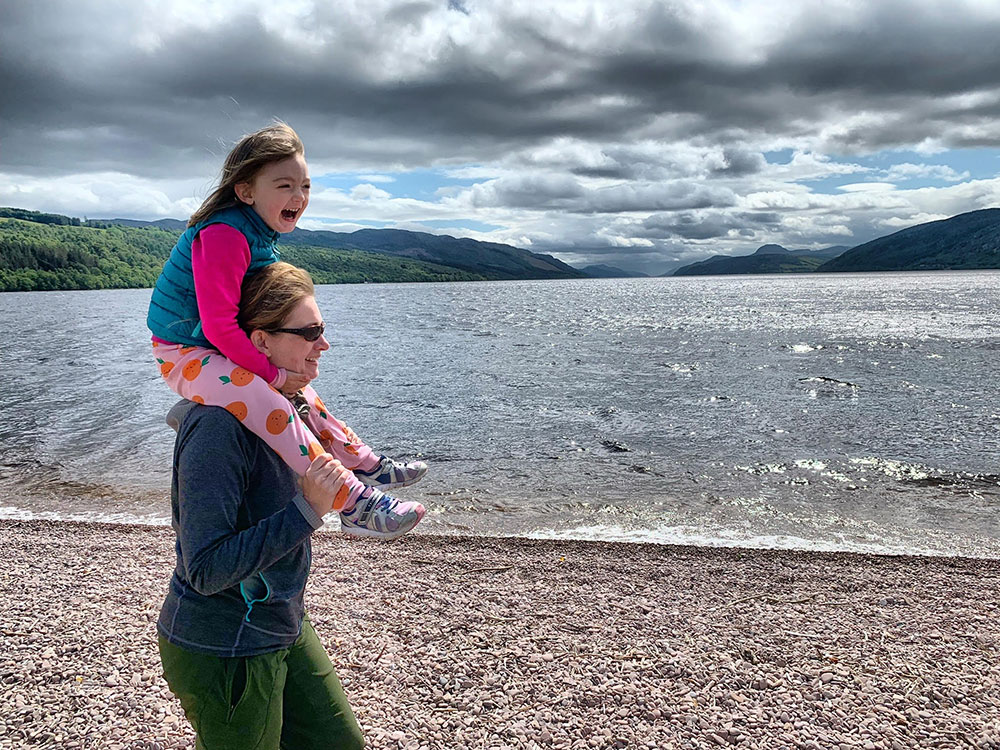 AT: What is the end goal for this trip?
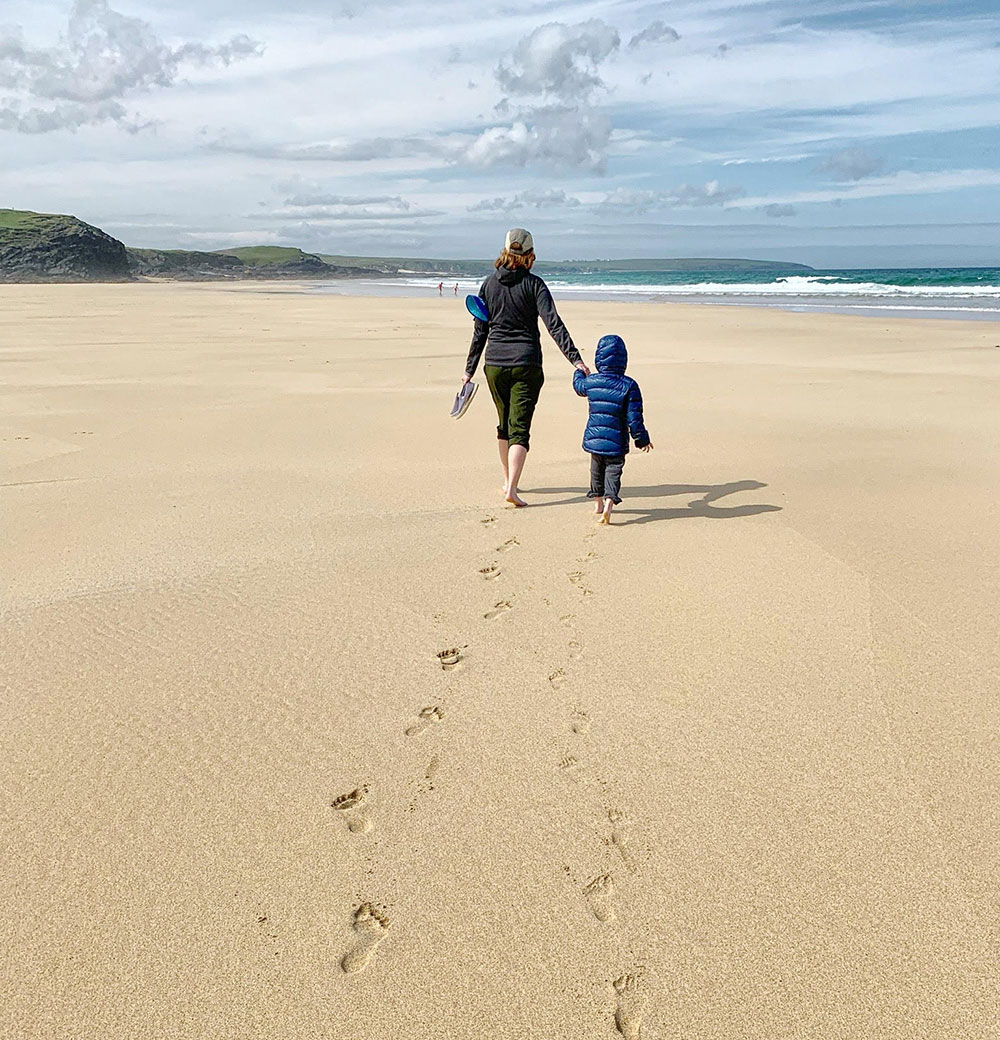 AT: What countries have you been to so far, and where do you plan to go this spring?
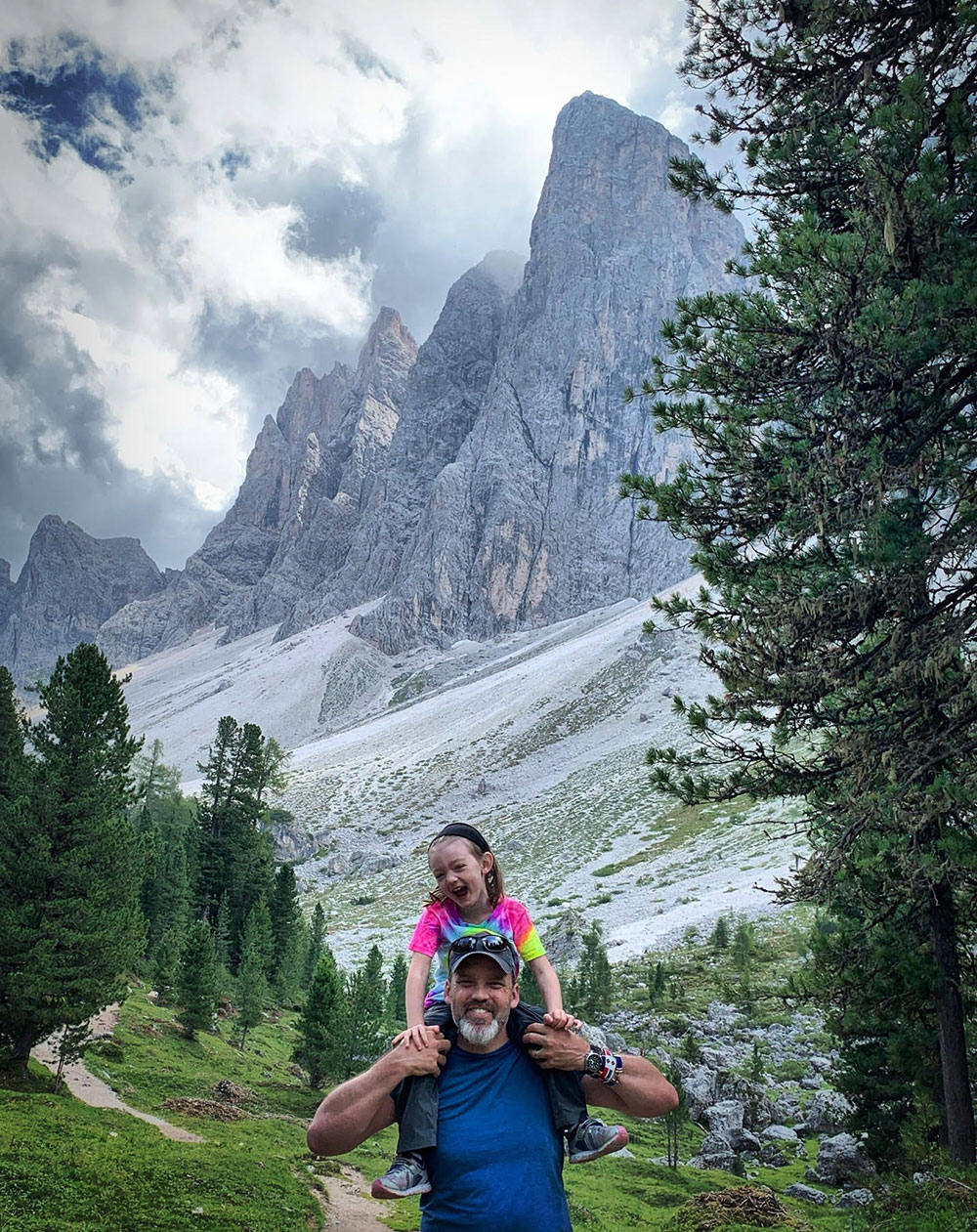 AT: You’ve been Instagramming the trip. Tell us about the public engagement through both of your accounts.
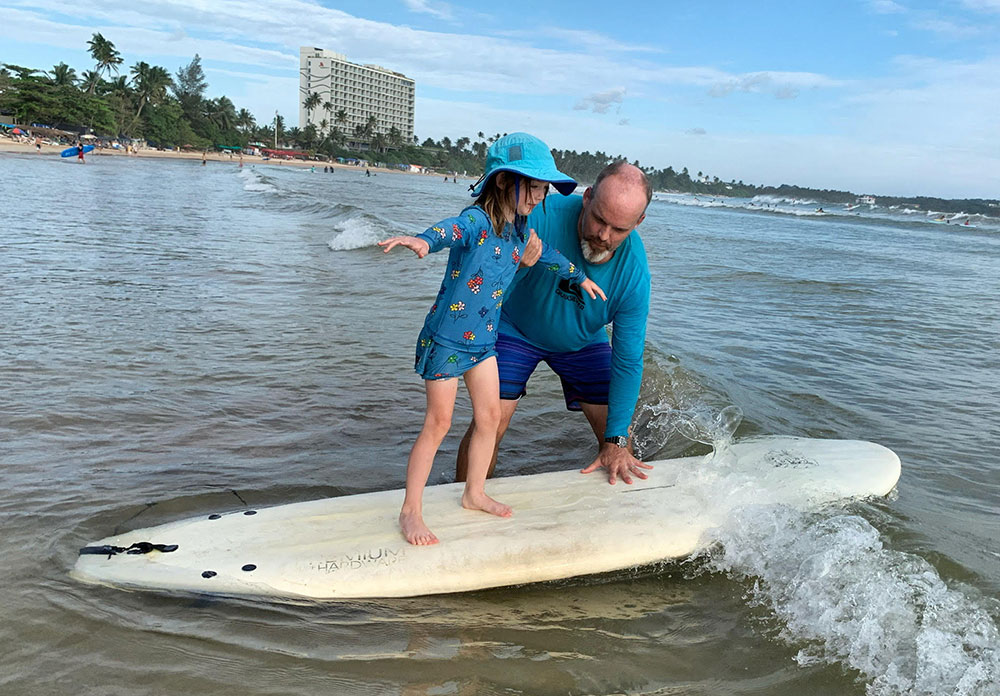 AT: What advice do you have for others interested in a long trip?
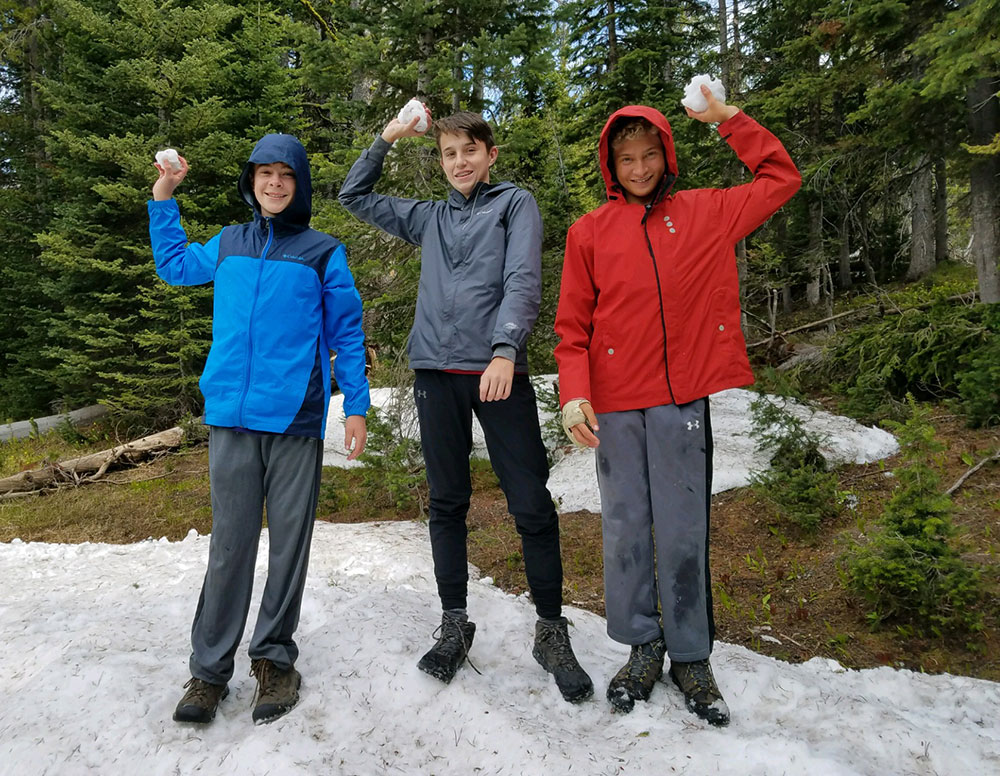
 We often hear students say after arriving home from Adventure Treks, “Everyone is so nice at AT… why can’t it be like that in the real world?!” Of course, we’re thrilled to hear the feedback, because it means we’re doing our jobs in providing the close, inclusive communities we promise to everyone. The culture of kindness is a key part of our program design, and the cornerstone of the community we’ve been building for 27 years.
 A 2015 study by Damon Jones, a senior research associate at the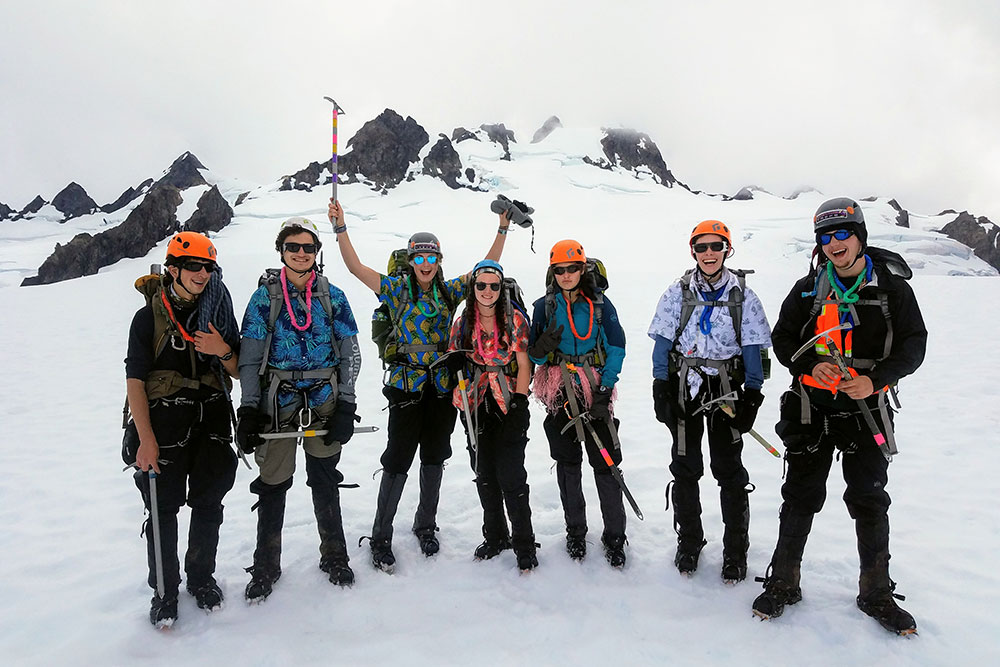
 These are the elements of our character, our virtues—the relationships we maintain, our kindness, humility, gratitude, sacrifice, concern for others, morality, integrity, responsibility, and resilience.
 How to Win Friends and Influence People in the Digital Age by Dale Carnegie (Dmac’s pick)
 The Power of Habit: Why We Do What We Do in Life and Business by Charles Duhigg (Stacey’s pick)
 Three new podcasts (Stacey’s picks)
 The sun rises above the snow-capped mountains in brilliant hues of pink, orange, and purple. You get off your horse to take in the breathtaking scenery, hear the roar of a river below, and see the outline of a herd of elk in the distance. The birds begin to chirp louder as the sun rises higher. A golden eagle flies overhead. You take a deep breath, feeling accomplished for making it so far in this rugged terrain.
 Dock’s prediction around virtual reality becoming our biggest competition seems to be coming true as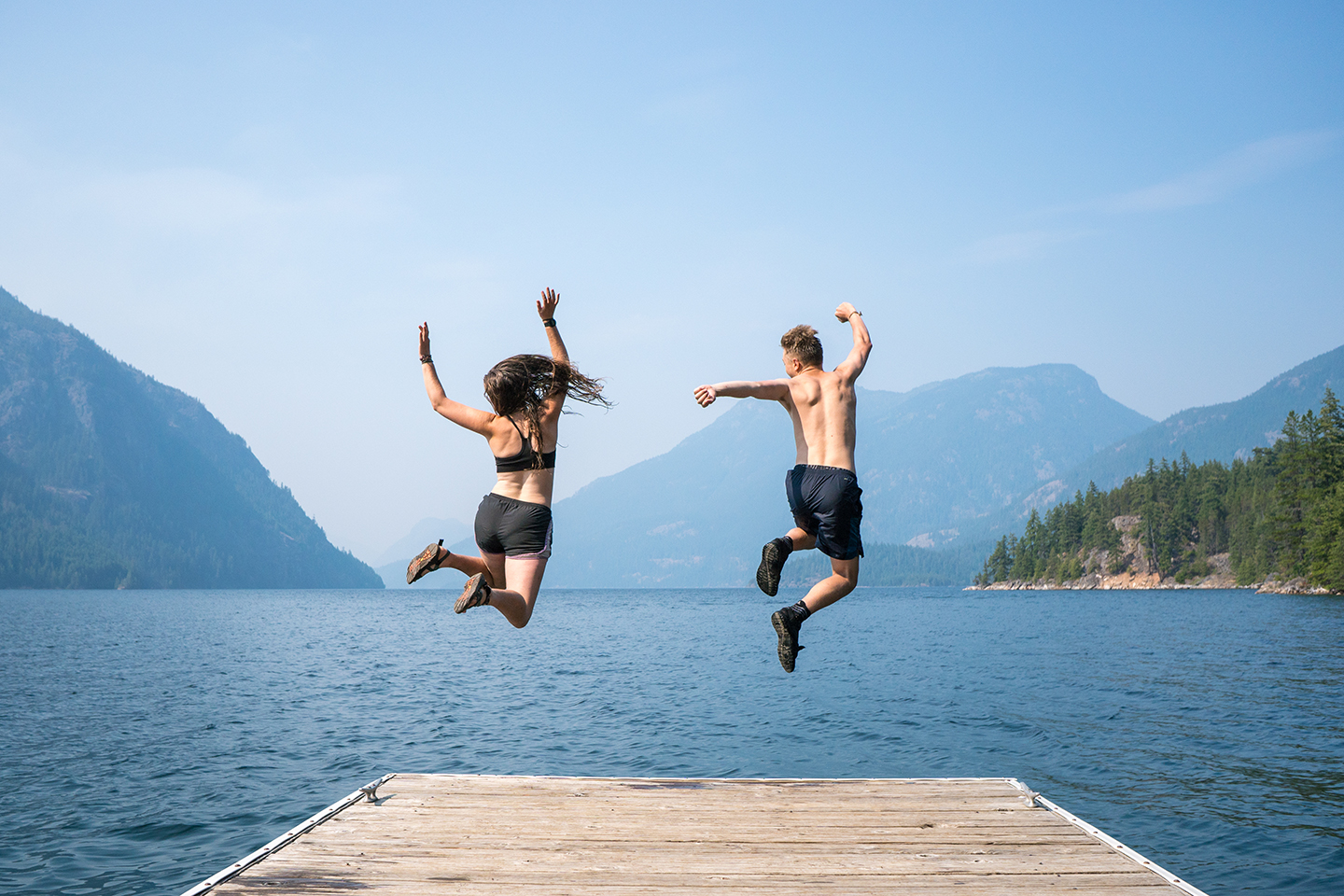
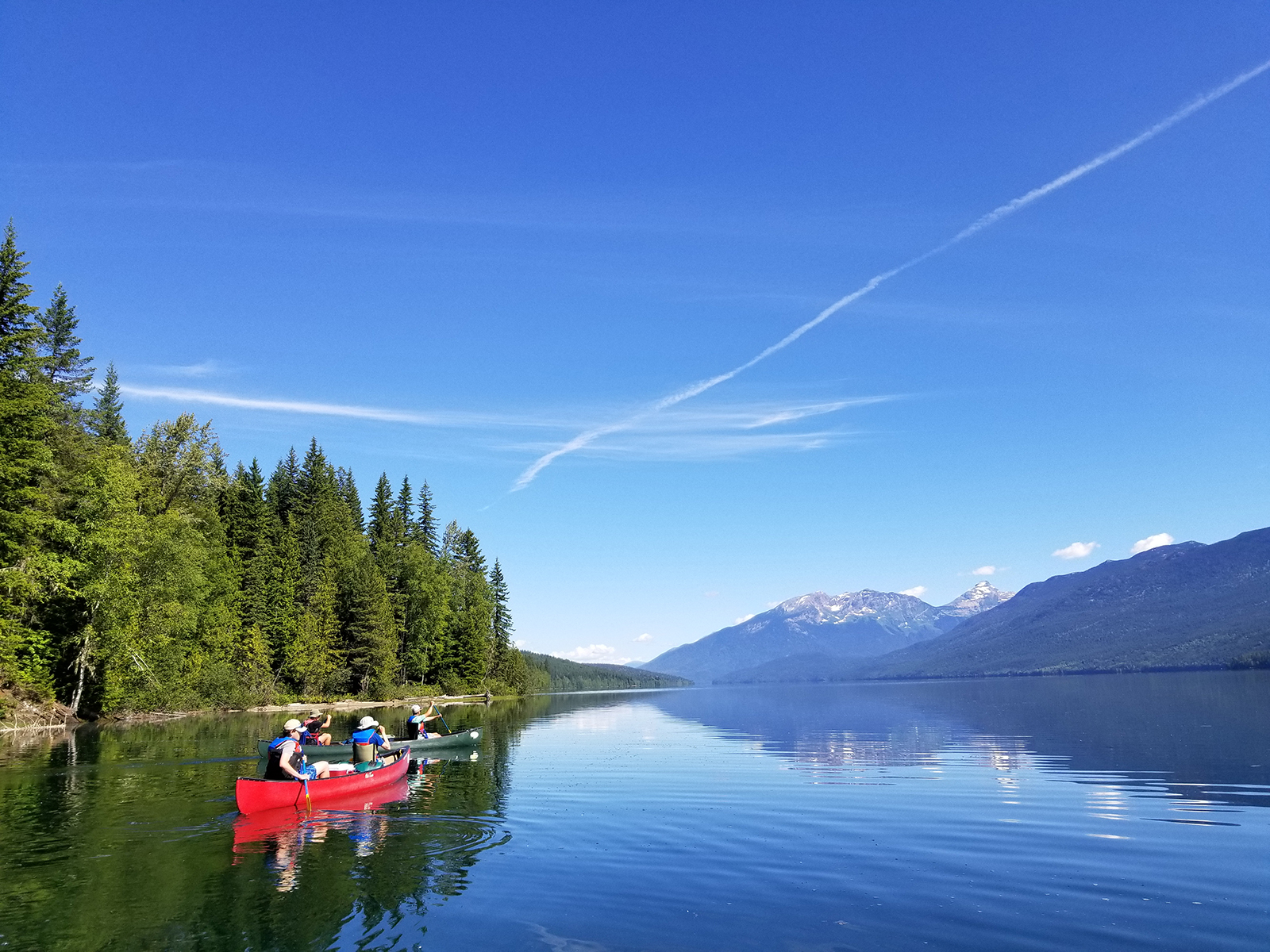 Since the mid-aughts, when the first nature-based program in the U.S. began, “the movement has exploded,” said Betty Sun, the health-program manager at the

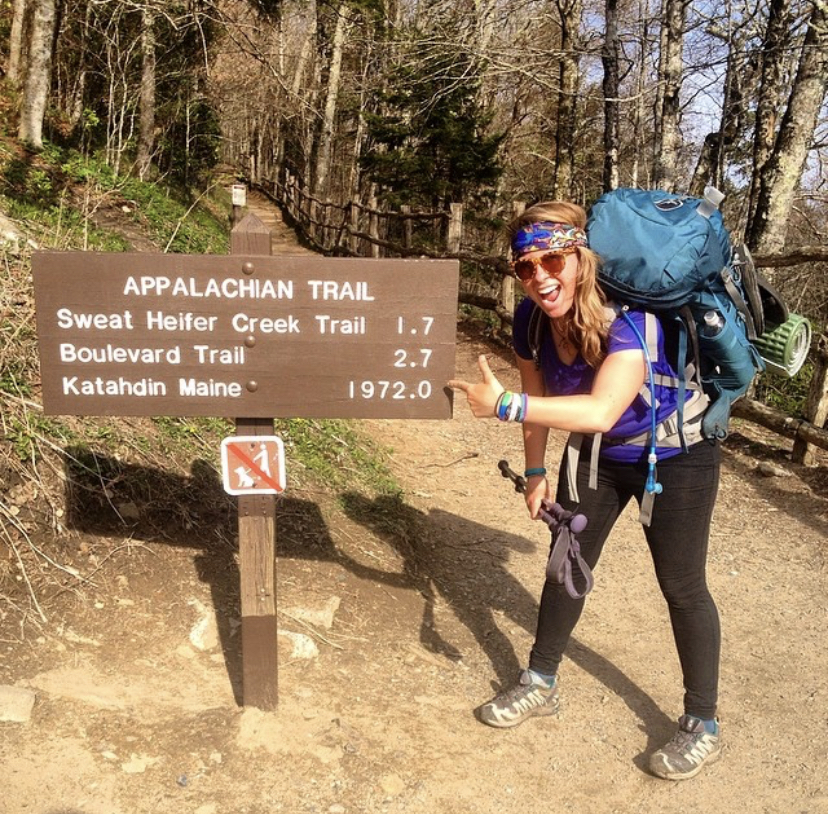 The famed 2,186-mile-long Appalachian Trail winds through 14 states, starting at Springer Mountain in Georgia and reaching its terminus at Mount Katahdin in Maine. Its total elevation change is 464,464 feet—the equivalent of hiking up Mt. Everest 16 times. Attempting to complete the trail continuously is known as a thru-hike, which several thousand people attempt each year. And each year, the completion rate stays the same: only 1 in 4 people who attempt to thru-hike will complete the trail in its entirety.