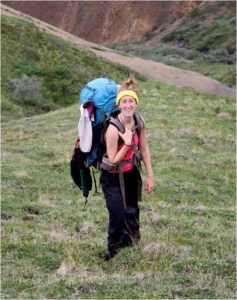
By Kate Brown, logistics coordinator and trip leader
Planning a meal for a backpacking trip can be intimidating. When you type “backpacking meals” into Google, the hundreds of images of pre-packaged meal kits or Ziploc bags filled with different kinds of trail mix is overwhelming. While meal kits work for some people, there are countless food options out there. Most great backpacking recipes are similar to the ones you cook at home, with ingredients that can be bought at your local grocery store. Students on Adventure Treks trips buy food at grocery stores and cook meals that they recognize and enjoy. While it’s perfectly fine to go the pre-packaged meal or go the all-trail-mix route, here are a few other easy and tasty suggestions. (All of the meals listed below have been used on Adventure Treks trips!) Here are three simple tips for planning delicious and cost-effective meals for backpacking.
- Cooking Time: Quick vs. Long
Quick
It’s important to figure out how much time you want to dedicate to meals when you are backpacking. Are you pushing for higher mileage and want a meal that cooks quickly to fill your starving belly when you get to camp? Sometimes the quick option is the best option, allowing for more sleep or hiking time. For quick meals that are still tasty, look for one-pot recipes where you don’t have to cut up a lot of ingredients or use multiple pots/pans. Meal preparation on a backpacking trip takes longer than in your kitchen. Also, fewer ingredients to chop or open means less mess to clean up. Pesto pasta is a great backpacking meal that you can really amp up!
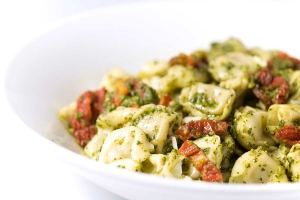 Recipe: Pesto Pasta
- Pasta (white, wheat, or gluten-free)
- Pesto mix packet (often found in the soup or salad dressing aisle)
- Olive oil (a little Tupperware container works great for the whole trip)
- Parmesan cheese
- Pre-cooked packaged chicken
- Pine nuts or walnuts
- Sun-dried tomatoes
- Spinach
- Canned peas
- Fresh basil
- Spices
Not-as-quick
Are you more excited to hang out at camp for a while and put in a little extra effort for a mouth-watering meal? For more extravagant meals, you can cook individual dinners to personalize each plate to each person’s palate. When planning a more intensive meal, it’s still important to keep in mind how long your ingredients will last in your environment and ways to speed up the process during preparation. A well-cooked meal with a gorgeous setting in the background can be the highlight of the trip.Think personalized quesadillas, maybe even with a little Thai twist!
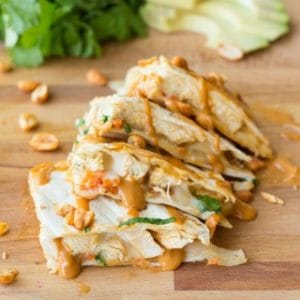 Recipe: Thai Fusion Quesadillas
- Tortillas (white, wheat, or gluten-free)
- Shredded mozzarella cheese
- Thai sauce (a small bottle; there are gluten-free options)
- Pre-cooked packaged chicken or vegetarian substitute
- Avocado
- Spinach
- Peppers
- Onions
- Olive oil, butter, or cooking spray
- Spices
- Ultralight vs. heavier
Ultralight
Everything with backpacking involves balance, including what you put in your backpack. An old instructor of mine used to say, “Packing a pack is an art, not a science,” and that’s definitely true when it comes to food. If you’d rather have a light pack and light gear, it makes sense that your food doesn’t weigh much, either. Meals can be tasty and light at the same time if you take a few things into consideration when planning. Avoid cans and unnecessary packaging. If a meal includes beans and rice, buy bean and rice combos, found in the soup/rice aisle, and put them in a Ziploc bag with the directions cut out (Zatarain’s is one of my favorite brands). Doing so will cut down your food weight compared to buying canned beans or rice in a bag, and you still get the same ingredients! Below is a burrito recipe that is tasty and lightweight.
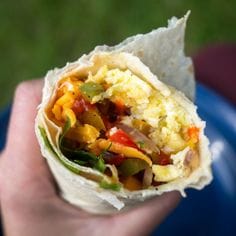 Recipe: Burrito
- Tortillas (white, wheat, or gluten-free)
- Rice & bean combo
- Taco seasoning
- Avocado
- Block cheese (the extra can be used for lunches or other meals)
- Peppers
- Cilantro (cut the stems off beforehand to prevent trash)
- Spices
Not as light
There are lots of reasons to avoid the ultra-lightweight route: You aren’t going for super-high mileage, you decide to bring a little heavier food but a smaller toiletry bag, you have a larger group and can disperse the weight more, etc. As long as you aren’t packing in tons of cans, potatoes, or other heavy food, the weight of food is manageable. Plus, each day your pack gets lighter! You’ve been working hard backpacking all day, so treat yourself. Fellow foodies know that a good meal in the outdoors makes a world of difference. Check out the curry recipe below.
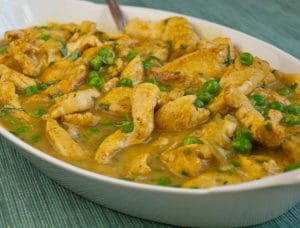 Recipe: Chicken Curry
- Minute rice
- Canned peas
- Broccoli
- Carrots
- Peppers
- Kale (eat it on the first night)
- Coconut milk
- Curry powder
- Cumin powder
- Crunchy peanut butter
- Pre-cooked packaged chicken (extra peanuts for vegetarian option)
- Spices
- Spices!
It’s hard to imagine making a meal in your kitchen at home without spices. You can still have that luxury on a backpacking trip. Salt, pepper, oregano, cumin… These will make any backpacking meal just a little bit better! To save on space, carry a small amount of each spice instead of the entire container, and be sure to label them. Pill zippies found in the pharmacy section are a great way to store a little bit of spice. Small cosmetic containers, often found in the travel section of the pharmacy, also work well. If you love Tic Tacs, buy a few and use the containers. Here is a sample spice list for a backpacking trip.
 Backpacking Spice Kit
- Salt
- Pepper
- Cinnamon
- Garlic powder or garlic cloves
- Cayenne pepper or crushed red pepper flakes
- Curry powder
- Oil, butter, or cooking spray (these items are often forgot but extremely necessary for most meals)