Patagonia Retro Pile Fleece (heavyweight full-zip)

Interpreting the language of outdoor retail

When it comes to buying outdoor gear for Adventure Treks (or even for a personal trip), there’s nothing more daunting than trying to decipher every obscure label, material, fabric, and technology that comes with buying even the simplest outdoor item these days.

But Adventure Treks is here to help! This spring, we’re launching our Gear Series: Tips for Buying Outdoor Gear. We’ll discuss some of the materials, technologies, labels, and other features commonly found on outdoor equipment, and attempt to clarify their meaning, use, and how they’re helpful on an AT trip.

Fleece jackets and pullovers

What is fleece? Especially if you live in a warm climate, that’s a great question. Despite being a staple of any outdoor packing list, this product is often poorly defined. The title “fleece” is applied to such a wide-ranging variety of products that it can be difficult to know what to actually purchase.

What is fleece?

Fleece is simply a fabric: a soft, fuzzy material made from processed or recycled plastic or polyester or other synthetic fibers. These fibers are processed until they are soft enough to weave into fabric, which is then “brushed” to create the fluffy texture that we would recognize as fleece. The finished product resembles sheep’s wool, from which it gets its name.
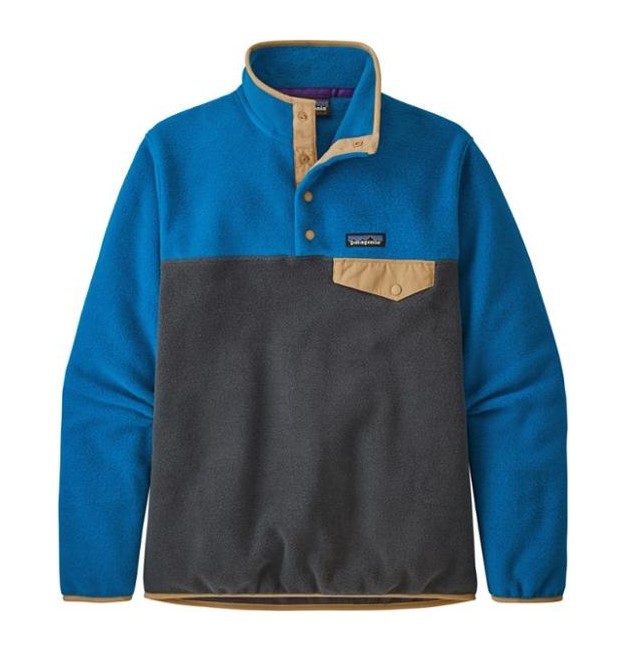
Patagonia Synchilla Snap-T Fleece Pullover (midweight)

Why wear fleece?

A fleece layer is a must-have for many different outdoor settings, including all Adventure Treks trips. Until synthetic fabrics (and merino wool, the soft, fine weave that most of today’s products use) hit the market, the staple outdoor non-cotton material was wool because of the warmth it provided and its natural oils that would help retain its warmth when wet. The downside to the wool of old (and the reason for the emergence of merino fabrics): They were bulky, heavy, and sometimes retained a lot of odors.

Nowadays, fleece is a staple in most households. Because it’s a synthetic or made-from-recycled-plastic fabric, its thick network of fine fibers provide insulation while remaining lightweight. And because plastic doesn’t absorb moisture, it retains its insulative properties when wet. Plus, fleece tends to be less expensive than wool. Jackpot!

Fleece weight and warmth

In the fleece world, “warmth” and “weight” are fairly intertwined: To talk about one is to talk about the other. Fleece descriptions often include terms like heavyweight, midweight, or lightweight. This refers to the fabric’s thickness, its actual weight, and how warm it’ll keep a person. (You may also see the term “pile”; this refers to fabric with loops, strands, or tufts of yarn standing up, resembling the fluffy bath mat material.)

If your Adventure Treks packing list says to bring two fleeces, one of them can be lightweight. If it just lists one fleece, you’ll want to pack a midweight.
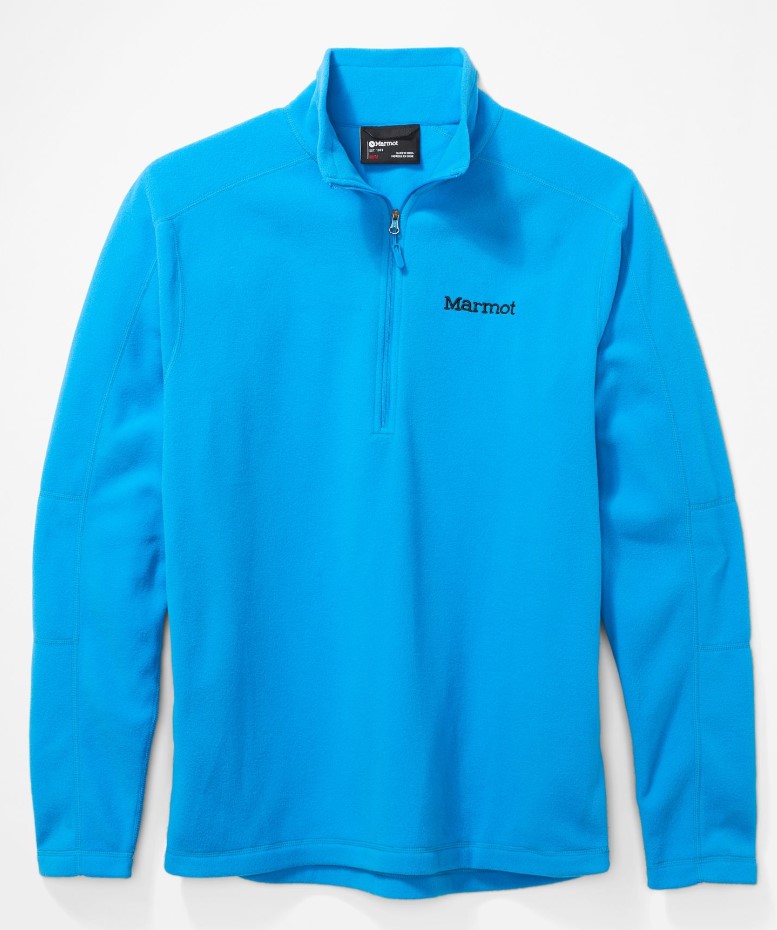
Marmot Rocklin Half-Zip Jacket (lightweight)

Fleece styles

  • Hoodie: A fleece hoodie is a great option when you won’t be wearing other layers over it (a hood can get in the way of a rain jacket). If you’re only bringing one fleece, don’t bring a hooded one.
  • Pull-over: Think of a crew-neck, V-neck, or quarter-zip fleece. It’s a versatile style and should be one of the fleeces you pack for Adventure Treks.
  • Jacket: This refers to a full-zip top. It adds a little extra bulk (and thus weight) and will often be a mid- or heavyweight option. Another great fleece to bring to Adventure Treks.

Fleece takeaways

  • A fleece is an essential and versatile piece of gear that we will use again and again at Adventure Treks.
  • You’ll never go wrong with a midweight fleece, and when in doubt, go with a pullover.
  • In the end, don’t worry too much about weight and warmth; as long as you have something that says fleece in the description and in the quantity shown in your packing list, you’ll be OK!
Interpreting the language of outdoor retail

When it comes to buying outdoor gear for Adventure Treks (or even for a personal trip), there’s nothing more daunting than trying to decipher every obscure label, material, fabric, and technology that comes with buying even the simplest outdoor item these days.

But Adventure Treks is here to help! This spring, we’re launching our Gear Series: Tips for Buying Outdoor Gear. We’ll discuss some of the materials, technologies, labels, and other features commonly found on outdoor equipment, and attempt to clarify their meaning, use, and how they’re helpful on an AT trip.

Insulated (aka “puffy”) clothing

Warm clothes don’t create heat to keep you warm when it’s cold and/or wet outside. (OK, there are some garments with built-in batteries and heating elements, but let’s not talk about those for now.) Products that are designed to keep you warm in the elements do so with the help of insulation: layers of material that trap warm air from your body and keep it close to your skin, while stopping cold air from the outside getting in.

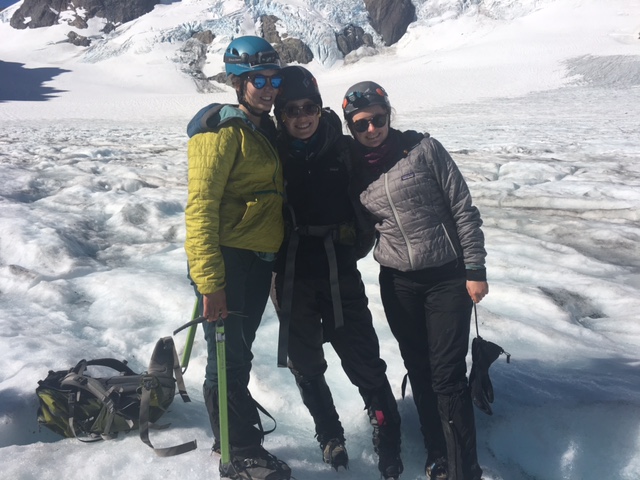
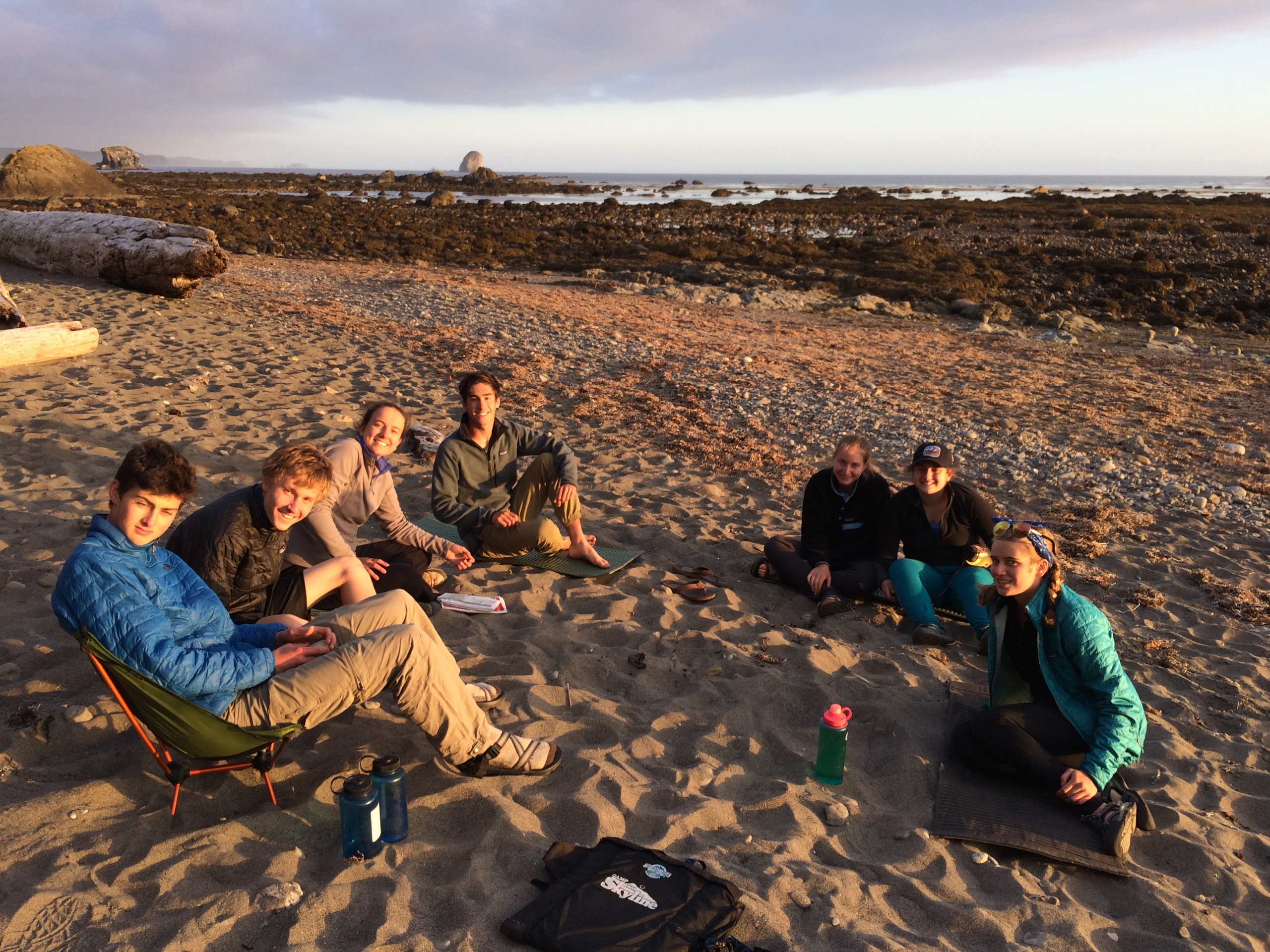
While insulated bottoms exist, they’re not applicable for Adventure Treks, so we’ll stick to upper body layers like coats and jackets. Some Adventure Treks trips (like Alaska Expedition, Ultimate Northwest, and California Challenge) include insulated jackets on the packing list due to mountaineering activities or colder weather. However, if your child gets cold easily, you can pack an insulated jacket for their trip just in case—just please pack synthetic (see below).

Insulation glossary

Synthetic: Synthetic insulation comprises long, very fine strands of plastic, piled together to form a fluffy, gauzy-like material, typically formed into sheets and sewn in place between the outer fabric and lining of the product. Because the insulation is plastic, it’s naturally water-resistant and will not collapse and “mat” together when wet. Synthetic items allow the warm air to continue to be trapped against the skin and maintain an insulative property even while wet. Synthetic insulation is almost always less expensive than down insulation, but it will be slightly heavier and bulkier than its down counterpart.
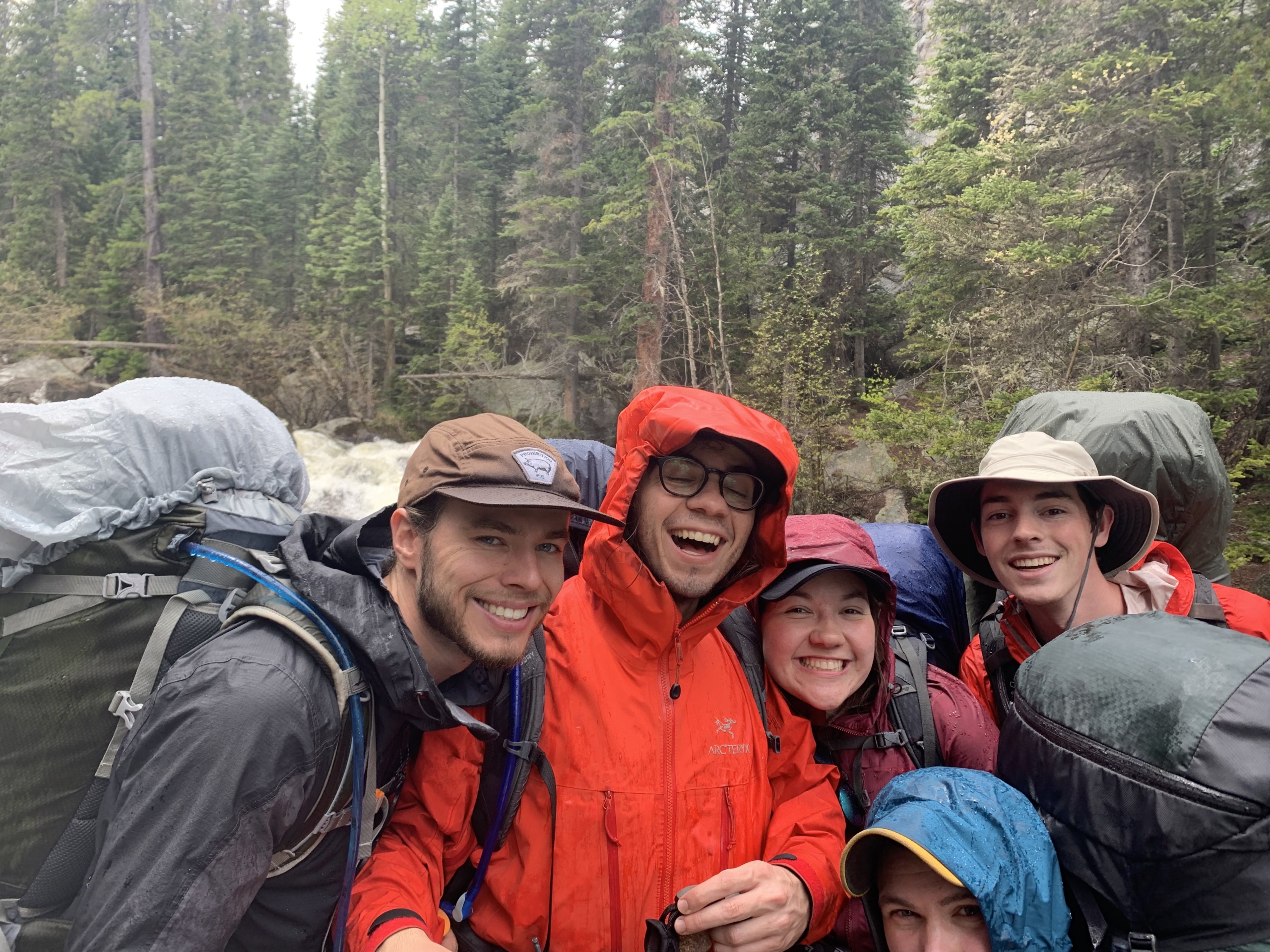
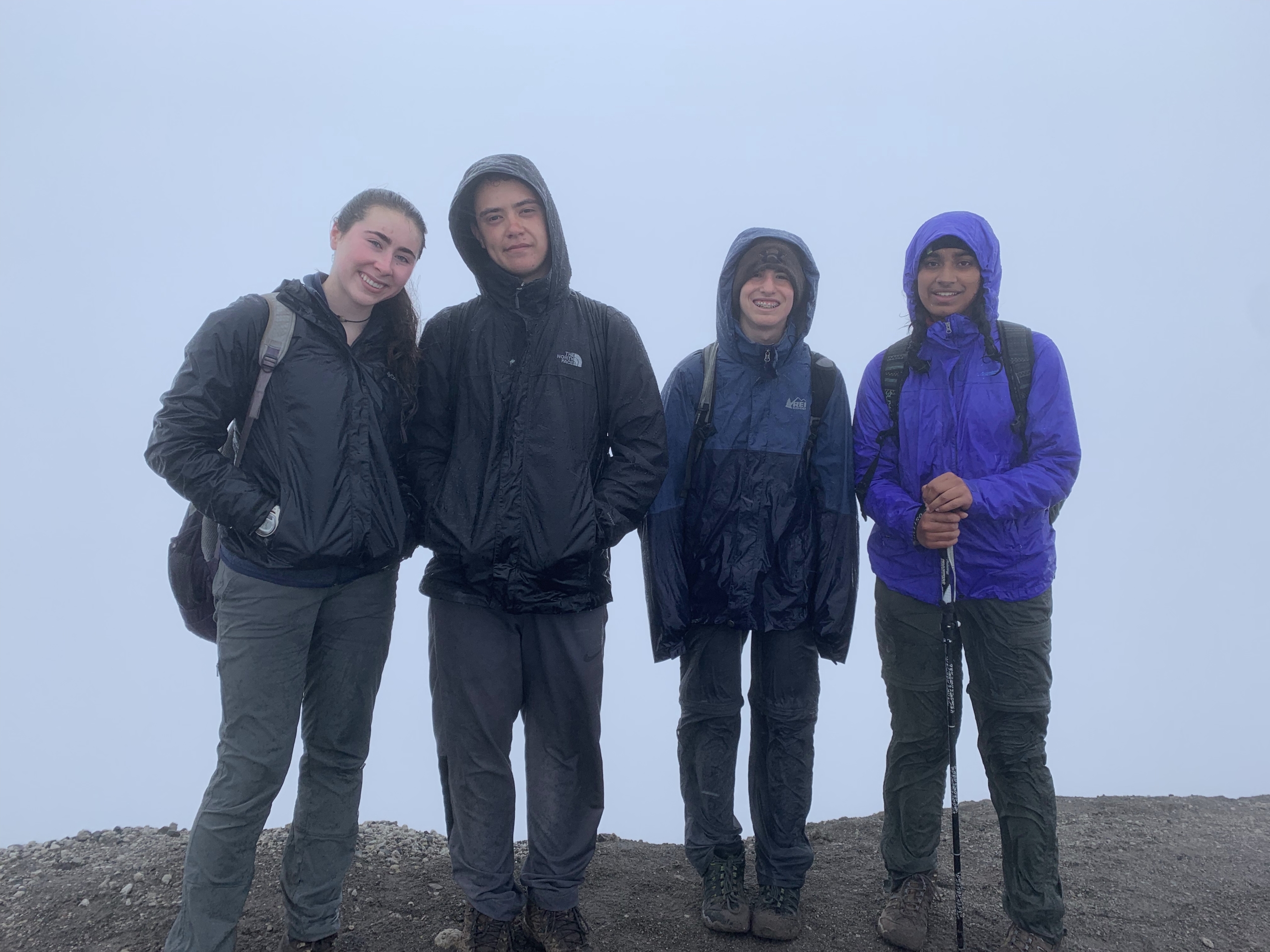
*We ask that students bring synthetic insulated jackets to Adventure Treks so that even if the material gets wet, it will keep your child warm.

Down: Down insulation uses the fluffy and soft down feathers, generally from ducks or geese, that help keep birds warm. These are very light and can trap a lot of air, so down insulation provides a fantastic warmth-to-weight ratio (essentially, it doesn’t need to be heavy to be warm). Because of its light weight and compressibility, down is a great choice when space and weight are an issue. The main drawback to down is that it doesn’t keep you warm when wet: In rainy conditions, these feathers will collapse, clump up, and mat, leaving no space for warm air to be trapped and rendering the jacket ineffective.

Fill power: This term describes the quality of down feathers used in a product, essentially measuring how the “loft” (how fluffy the feathers are, and how much air they can trap). Super fluffy feathers will trap a lot of air, so they will have a higher fill power. Feathers with more of the vein (that hard quill part of the feather) won’t trap as much air and will have a lower fill power. High loft = traps a lot of air. Low loft = not so much air. You’ll see this measurement listed as a number value, most commonly 650, 700, 800, and 900.

  • 650–700 fill: Good loft, slightly more quill so feathers sometimes poke through the face fabric of these products. Good warmth-to-weight ratio. Less expensive options
  • 800–900 fill: Very high loft and fewer quills on these feathers, so much less likely that feathers will poke through. Excellent warmth-to-weight ratio. Most expensive options

Insulation takeaways

  • If purchasing a new insulated jacket, go with down if you’ll be spending a lot of time in dry climates like California.
  • If you face the potential for lots of rain and snow (like in Alaska or the Pacific Northwest in winter), go with a synthetic jacket; these are typically a little more durable as well.
  • For an AT trip, go with a synthetic jacket or coat; parkas are not necessary for our trips.

Interpreting the language of outdoor retail

When it comes to buying outdoor gear for Adventure Treks (or even for a personal trip), there’s nothing more daunting than trying to decipher every obscure label, material, fabric, and technology that comes with buying even the simplest outdoor item these days.

But Adventure Treks is here to help! This spring, we’re launching our Gear Series: Tips for Buying Outdoor Gear. We’ll discuss some of the materials, technologies, labels, and other features commonly found on outdoor equipment, and attempt to clarify their meaning, use, and how they’re helpful on an AT trip.

Waterproof rain gear

Waterproof rain gear is an essential item on any outdoors packing list; no matter the weather, it’s an indispensable piece of your personal gear kit. With that said, it can be confusing to know if you’re purchasing the right item. “The list says rain coat; this one looks good, but it says it’s a hard shell, not a rain jacket. Will that work? Oh, it’s GoreTex; do I need GoreTex? Wait, what is GoreTex?”

To make your shopping easier, we’ve included some helpful terminology below with advice on choosing the right rain jacket and rain pants.

(Note that while we mostly talk about rain jackets, the following applies almost identically to rain pants.)

Rain gear glossary

Waterproof: An item that’s truly waterproof means it’s made from PVC vinyl or fabric that’s treated with a rubberized coating, creating an impermeable layer that water can’t get through. While these products are indeed waterproof, they’re heavy, bulky, and don’t” breathe” for hiking or other activities (the classic yellow fisherman’s coat comes to mind).

Because we’re so active in the outdoors at Adventure Treks, we need something that’s both waterproof and breathable (backpacking in a rubber coat would cause a swampy, sweaty mess).

Bottom line: Don’t buy this kind of jacket or pants for an AT trip.

Waterproof-breathable: The magic phrase! This describes technology built into a garment that prevents water from seeping through the fabric on the outside, while allowing water vapor from your body (i.e., sweat) to escape. Essentially, the “pores” in waterproof-breathable materials are small enough to keep water out, while still allowing vapor to escape. This means you can hike in this kind of jacket and not worry about sweating or getting that clammy feeling—while being protected from the elements.

Many companies have proprietary waterproof-breathable technologies such as Polartec’s Power Shield, Marmot’s PreCip, Patagonia’s H2No, or The North Face’s DryVent— but they’re all just different names for the same thing.

Bottom line: A waterproof-breathable jacket and pants are a MUST for any Adventure Treks trip—or if you live in a humid, rainy climate where you’ll spend a lot of time moving around outside.

Hard shell vs. soft shell: Hard shell simply refers to a waterproof-breathable fabric that has no insulation (like a heavier ski jacket). It doesn’t keep you warm and dry, just dry. We like to layer fleece jackets or comfortable baselayers under a rain jacket to keep warm.

A soft shell is a pliable fabric made from woven synthetic fibers that is, well, soft and feels more like a sweatshirt than a rain jacket. While not waterproof, these fabrics are often treated with DWR (see below) to provide some protection. While they provide some insulation and protection from the wind, they’re not acceptable substitutes for rain protection.

Bottom line: Your Adventure Treks rain jacket should be a hard shell jacket. 

DWR (durable water repellent): This is a treatment applied to a fabric to create a hydrophobic (“water-fearing”) surface. This is what causes water to “bead up” on the surface and roll off instead of soaking in. However, DWR does not mean it is waterproof!

Bottom line: DWR does not equal waterproof-breathable; make sure you purchase waterproof-breathable.

GoreTex: Similar to Kleenex or Velcro, GoreTex is a brand name commonly used as a “catch-all” for waterproof-breathable technology. GoreTex  is widely considered to make the most effective waterproof-breathable membrane, and therefore can be commonly found on many different brand-name clothing. GoreTex is durable and reliable; if you plan to spend many hours being active outdoors, then it makes sense to spring for GoreTex.

Denier: This is a term that describes how thick a fabric is, and it often appears in a product description as a number followed by a “D” (e.g. 30D). The lower the number, the thinner and lighter the fabric. 10D is very light (think pantyhose); 300D is very thick (think heavy canvas). Most rain jackets are somewhere in the 30–50D range.

Rain gear styles
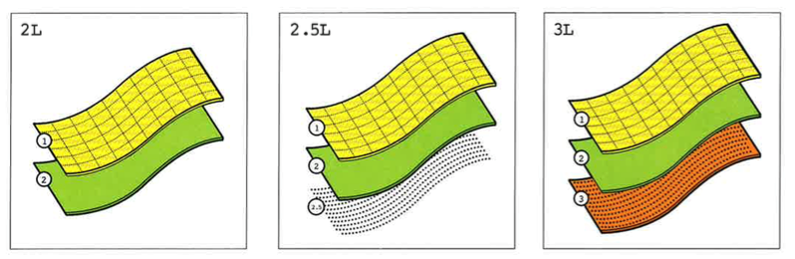
  • 2-layer shell: This refers to rain gear that comprises the “face” (outer) fabric and the waterproof-breathable membrane on the inside. These two layers are laminated together or sprayed on as a coating.
  • 2.5-layer shell: This is the similar to the 2-layer; these products are usually more affordable, but they are slightly less durable. Plus, people often report feeling a little clammy or moist on the inside.
  • 3-layer shell: The same first two layers are laminated together (“face” fabric and inner waterproof-breathable membrane), but they have an additional durable layer laminated on the inside of the jacket. This “fabric-membrane-fabric” sandwich creates a highly durable, 3-layer shell that feels like a single piece of fabric. This is often the most expensive option because of the extra material and higher quality fabric; it also has a more advanced look and design.

Suggested rain jackets
  • 2-layer hard shell: Marmot PreCip Jacket (men’s and women’s)
  • 2.5-layer hard shell: Outdoor Research Apollo Jacket (men’s and women’s)
  • 2-layer hard shell with GoreTex (my personal favorite and in my opinion the absolute best jacket for the money): Marmot Minimalist Jacket (men’s and women’s)
  • 3-layer hard shell without GoreTex: Patagonia Torrentshell (men’s and women’s)
  • Other recommended brands: REI Co-op, Columbia, Mountain Hardwear, The North Face

Our rain gear takeaways

So, we just threw a lot of technical terms out there. What does it all come down to? For an AT trip, pick a waterproof-breathable hard shell that keeps you warm and dry. Rain jackets must have a hood and should fit comfortably over fleece and baselayers. Just like the jacket, the rain pants need to be a waterproof-breathable shell that fit over your hiking, fleece, or baselayer bottoms. You might consider full side-zippers to get in and out of them more easily.

I love my job at Adventure Treks. In the summer, I get to join a group of passionate instructors who focus on creating unforgettable experiences, and I get to spend several weeks with some pretty incredible teenagers in the outdoors. During the rest of the year, I get to recruit, interview, hire, and get to know all of our instructors. We have a rigorous application process for new instructors—they have several interviews with Dmac, Jack, and myself; they provide several professional references; they must demonstrate knowledge and experience in risk management and good judgment in decision-making; and, of course, they must be a great cultural fit for Adventure Treks. Needless to say, we spend a lot of time getting to know our instructors before the summer even starts.
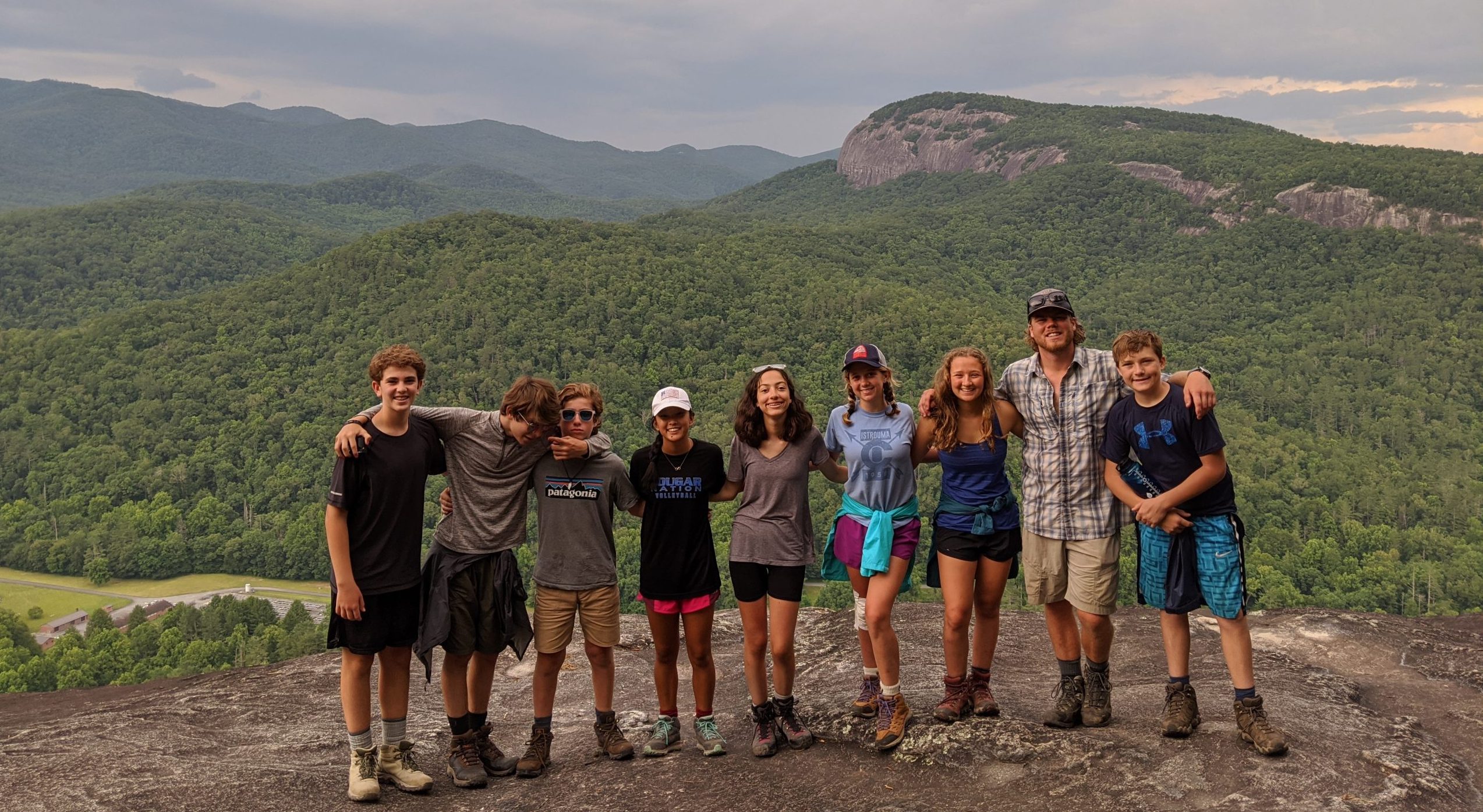
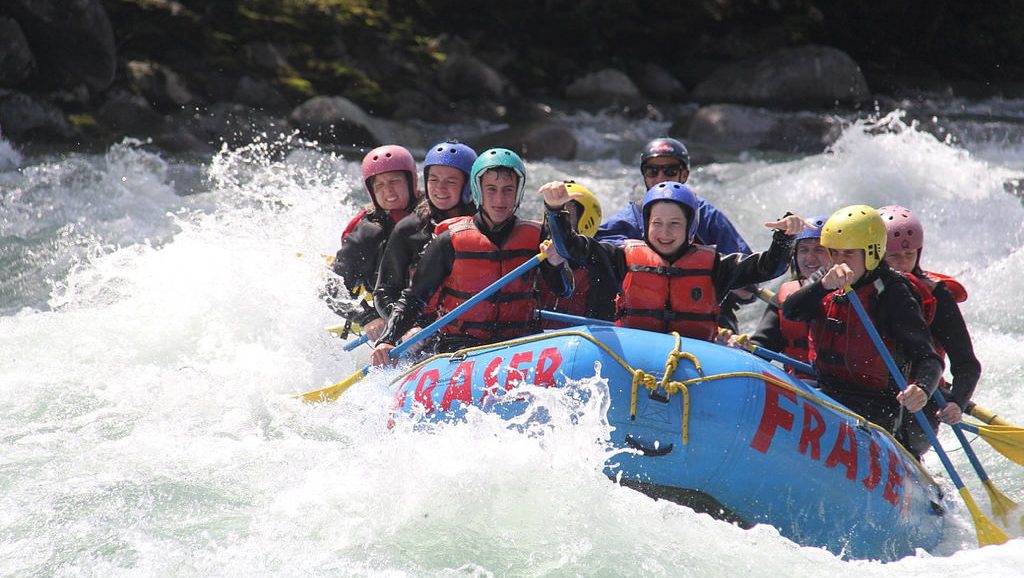
What always inspires me is the excitement and dedication to outdoor adventure camps for teens that our new and returning instructors display throughout the year. They are truly excited about fostering kind and inclusive communities, creating a supportive environment for everyone to step outside their comfort zones, and becoming role models to and friends with every student—all while living outside among North America’s most beautiful scenery.

That’s not to say the work of an AT instructor isn’t demanding; our staff wear multiple hats and balance many responsibilities. They give up their personal time, live off tortillas and GORP for weeks at a time, go to bed later and wake up earlier than students—all because they believe in and are passionate about the work they’re doing for our communities. But these challenges are more than worth it, and it’s why so many of our instructors are outdoor education professionals who return to AT year after year. It’s not just about teaching teenagers how to pitch tents or paddle a kayak; it’s about allowing students to learn about themselves, feel empowered and confident, celebrate their hard work, discover their resilience, make lifelong friends, and realize they’re more capable than they ever thought. Our instructors lead with intention and from the heart.

But of course we can talk about Adventure Treks all day long! So we asked our current and former instructors for a few words about what life is like as an outdoor educator; why they encourage anyone who’s thinking about working in this field to go for it; and what’s so fulfilling and rewarding about working in this industry.

I love the laughs, friendships, and connections, and empowering students to be their best selves. I’m proud of how I’ve learned to respond in challenging situations, and how I’m able to offer care to my students in tough situations and help them to accomplish goals. – Renee from Sonora, CA

This summer in particular at AT was incredible. I liked most the communities I helped form, and I’m proud of the impact I had on all my students’ lives. I feel like I have grown the most by being in a position where I can let my leadership style flourish. – Anthony from Murrells Inlet, SC

Getting to know students is the best part of Adventure Treks—they are all so amazing! I am proud to be an AT instructor; when I was an AT student, I always looked up to my instructors so much. Students can trust that we are looking out for them, and being there for them is our top priority. I’ve become motivated to become the best outdoor instructor that I can. – Laura from Raleigh, NC

I’ve always loved the community AT has provided, and that was especially highlighted during summer 2020. I’m proud to have been able to work with our students in a time when they needed it most. – Katy from Bozeman, MT

As an outdoor educator in 2020, I was most proud of my staff team and how we collaborated to give our students the best trip possible. – Ryan from Steamboat Springs, CO

The best part of my last AT summer was providing the “ah-ha!” moments to our students. I am most proud of opening up and being my best self; I think my biggest accomplishment was the amount of growth I felt with regard to my patience, emotional control, leadership, and communication. – Thor from Byron, MN

This past summer, it was great being on a trip with first-time AT students because I got to teach them everything from scratch and take them on their first backpacking trip. Seeing how accomplished they felt after the trip was so rewarding! – Roisin from Australia

As an outdoor instructor, I love seeing the growth in students and getting to experience beautiful places and exciting activities with them. – Abby from Loma Linda, CA

Seeing Adventure Treks from the instructor perspective after having been an AT student for multiple summers was amazing. I love helping students push themselves and seeing them shine and open up when they succeed. – Teddy from Ithaca, NY

One of the best parts about working with Adventure Treks is growing my intentionality as an outdoor instructor and leader. I feel as though I gained a tremendous amount of confidence, not only as a leader, but also as a person. I really enjoyed being able to help students step into leadership roles and prioritize the community. – Natasha from San Diego, CA

The community here at Adventure Treks made summer so unforgettable, especially the friendships made among students and staff. I am proud to have made a conscious effort to connect with each student and to have been a part of a successful, safe, and incredible summer. I grew in learning the balance between caring for others and myself, and when to speak versus when to listen. I saw the value and impact of a strong community for our students and felt its positive impact in myself as well! – Hannah from Steamboat Springs, CO

I love the time we spend with students. They are the reason why I return each summer. I am most proud of how we develop positive relationships with each of them. – Avery from Edgewater, CO

Interested in pursuing a rewarding and fulfilling life as an outdoor instructor? Learn more about working with Adventure Treks here!

teenagers whitewater rafting in british columbia canadaIt’s a tough time for everyone worldwide. As we face continued self-quarantine and social distancing, many are feeling the effects of having to disconnect from their friends, family, and greater community, finding themselves wrapped up in news cycles, social media, and Netflix instead.
With the new downtime we’ve found, it’s a great time to self-reflect, pick up a new hobby, work out with YouTube videos, finish that book on your nightstand, FaceTime longtime friends… These activities can provide a renewed perspective, a “fresh breath” feeling, and a little relief as we remember to take care of ourselves.

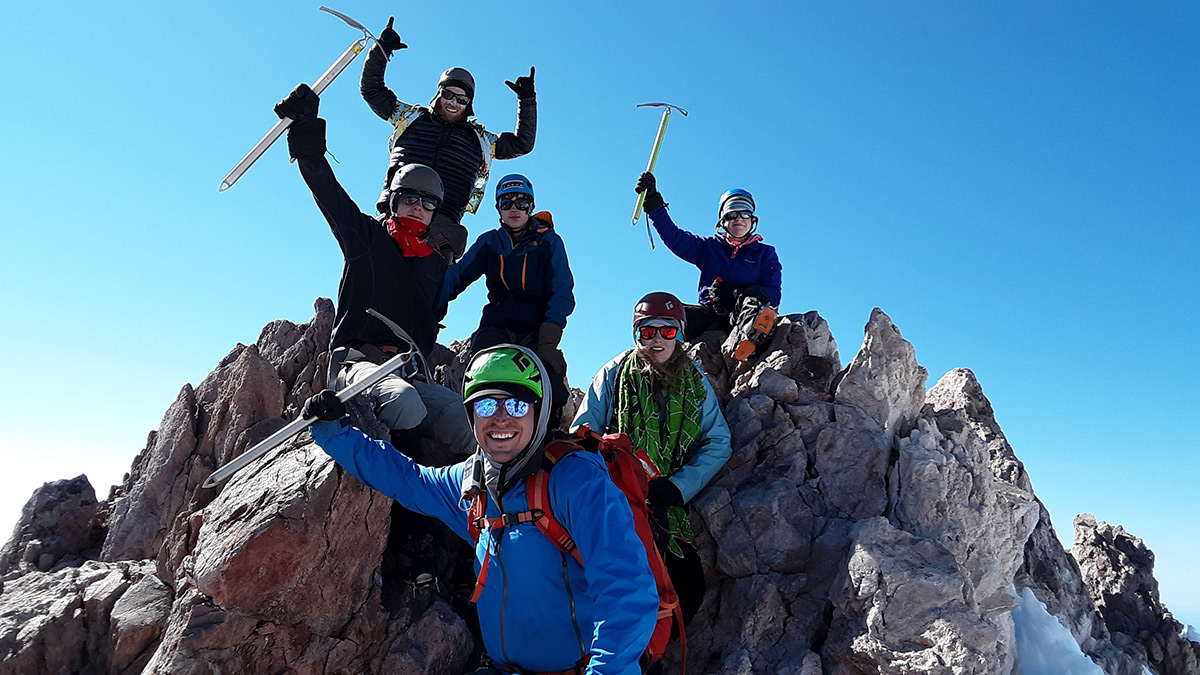
teenagers hiking and climbing mt shasta in california

Though we can’t catch up in person, we’ve kept in close contact with our instructors and trip leaders; recently, I asked how they’re staying positive in our current situation. I found a common theme woven through their answers: They’ve been looking back through photos of their Adventure Treks summers to provoke fond (and hilarious) memories and a reminder of the importance of community. As they filter through old photos, we asked them why they’ve continued working as outdoor educators:

“After almost a decade (since beginning as a student) with Adventure Treks, it is without a doubt one of the most influential and profound experiences in my life. As a teenager, the shared laughs, incredible communities, and gorgeous trails, rivers, and mountains held an important place in my heart, which led me to become an AT instructor so that I could provide those same formative experiences I received to the next generation of students.” Teddy Zerivitz, former student (five summers) and instructor (three seasons)


“The best part about being an outdoor leader? There’s not just one thing! Early morning sunrises, laughs around a campfire, the character-building of a long hike, getting to know each other playing the Skittles game… Maybe the best part is creating lifelong memories and friendships that only form in the wilderness. Yep, that’s the best part of being an outdoor leader.” Thor Knutson, instructor (two seasons)


“I love being part of a community with passionate outdoor educators who want to push themselves but also have fun. This job has provided me with memorable moments that I will cherish for the rest of my life.” Ryan Jackson, instructor (two seasons)

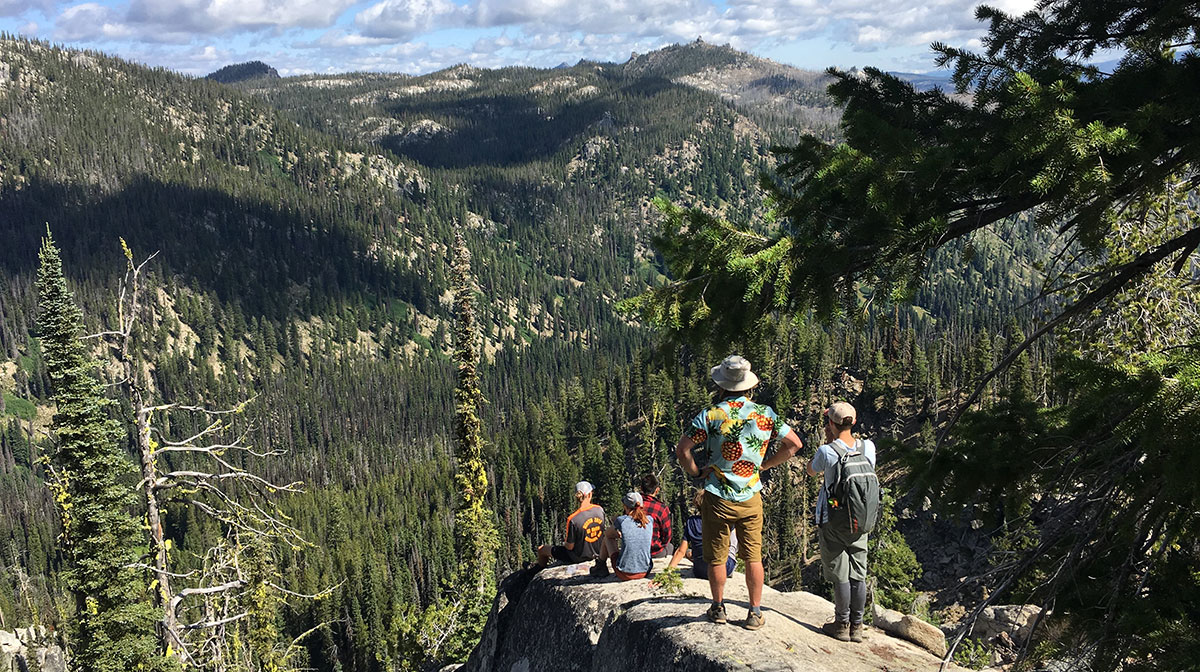
teenagers hiking in yellowstone national park

“My favorite part of working with Adventure Treks is playing pirate waiter (how did it not win the Instagram contest?!). I love the space the AT culture creates for meaningful challenge and dialogue for both instructors and students. The challenge for instructors, beyond teaching backcountry skills, is to model an evolving set of values that is constantly debated and questioned by a group of developing minds. The instructors deeply respect students and work together to foster an ongoing exchange of ideas about everything, from fear to pop culture. Also, it’s ridiculously fun! Backpacking trips with people you trust and care to learn more about are the best!” Jess Myer, instructor (three seasons)


“The most rewarding part of each summer is seeing the students grow as competent outdoors women and men, and build their leadership skills and emotional intelligence. I’ve had amazing groups, and I feel lucky to be someone students could confide in and trust as a role model.” Caroline Tucker, instructor (two seasons)


“I love being a part of so much growth—in the students, in my fellow peers, and in myself. That… and all the candy I get to eat guilt-free while at Adventure Treks.” Sarah Malyn, instructor (seven seasons)


“Being an instructor for Adventure Treks means you get to work in wilderness areas most people would struggle to visit recreationally while teaching stoked students alongside incredible co-staff. That’s pretty hard to beat.” Hannah Davich, former student (four summers) and instructor (two seasons)


“What I like best about working with AT is my role in building the special communities and experiences. Students come from all over, often not knowing anyone else on the trip. But by the end, they have formed a bond that rivals that of their closest friends from home. They will also have a new set of profound experiences that many will say changed their life.” Anthony Molinaro, instructor (five seasons)

Interested in becoming an Adventure Treks instructor and changing teenagers’ lives? Find out more about working with us here.

IMG_0277Kelly earned a degree from the University of Montana in Missoula, majoring in fine arts. She is returning for her third season at Adventure Treks this summer. Last year, Kelly led students on the Yellowstone Adventure trips!
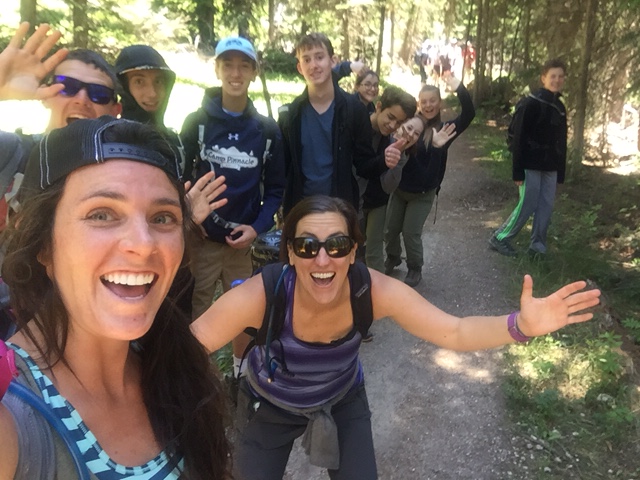
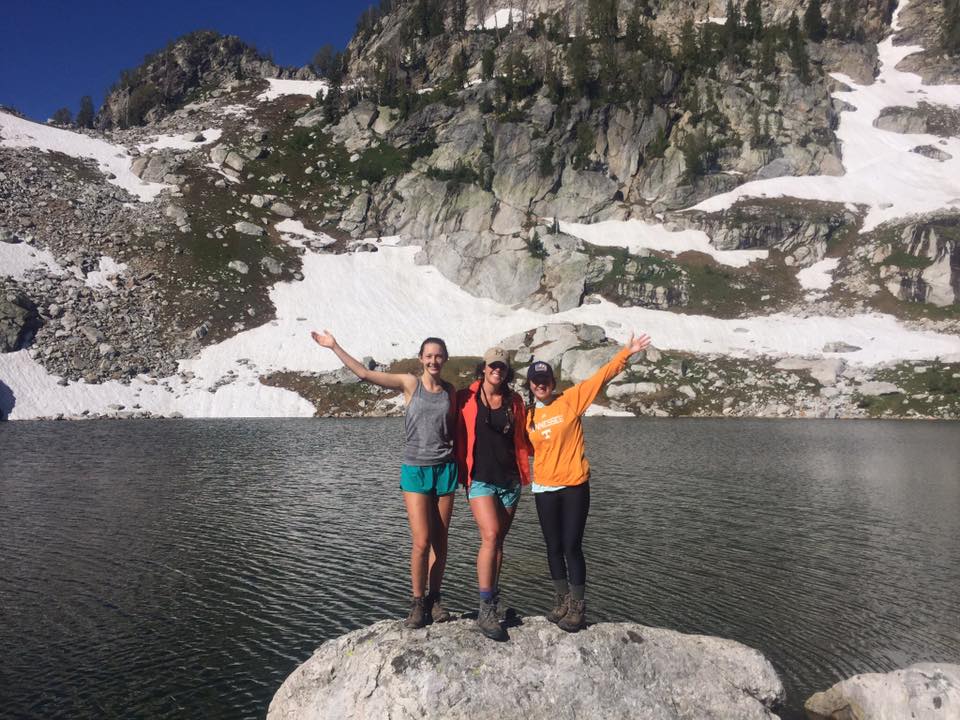
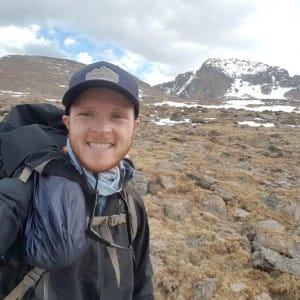
What is your favorite AT activity? That is so hard to choose, but I think my favorite thing is to dress up and be silly with the students. I like everything from sing for your supper to talent shows, from performing skits to dressing up in summit swag and taking lots of photos at the top of the mountain!

What are you currently doing? I am one of the head supervisors of the snow sports school at Steamboat Mountain Resort in Steamboat Springs, Colorado. My main responsibilities are to work with ski instructors, pairing them with students to teach and working with them on their professional development. I enjoy skiing around the mountain every day and getting to meet a lot of new people each winter!

IMG_5235 - Copy

What made you want to work as an outdoor educator? What brings me back to the outdoors again and again is my passion for being outside. I think it is really therapeutic, and when life brings me down I can always return to the wilderness to heal. I like to see students thrive in the outdoor environment!

What’s your favorite AT memory? Last summer, we had to unexpectedly leave the backcountry, and instead of hiking the six miles we had planned, we hiked 11 miles to the trailhead. That could have been a negative experience for our group, but the students rose to the occasion and everyone embraced our circumstances. We sang Taylor Swift the entire way and had so much fun!

What’s your favorite AT meal? The most memorable meal from the summer was when [regional director] Erica and I went food shopping while the kids were rafting, and instead of bringing back pizza for the group like we planned, we surprised everyone with a rotisserie and fried chicken meal! The kids loved it. I also really enjoy our breakfast bar meals where we eat anything from oatmeal to fruit and yogurt and granola and cereal.

21150373_10214082113269671_1378700410897766595_n

What keeps you coming back to AT? The relationships I have formed with both students and instructors keep me coming back to Adventure Treks. They are amazing people who I admire!

What’s the most beautiful place you’ve ever been to? The most beautiful place I have ever been is Glacier National Park because it is so pretty. I remember the water being so blue and crystal clear. Unlike anything I have ever seen!

Tell us something unique about you. This one is hard! I come from a big family of girls—I have three sisters. I also like to strike a balance between being outdoorsy, but also feminine. I like to wear nail polish even while I am working in the backcountry!

We are excited that Austin Coolidge will be joining us this summer for his third season as an Adventure Treks instructor.
Seasons with Adventure Treks: I’ve been with Adventure Treks for two seasons (one summer and one fall), and I am returning for a third season this summer!

University attended: University of Wisconsin at Whitewater. I received a bachelor’s degree in chemistry.

Favorite AT Activity: Ice climbing on the Matanuska Glacier in Alaska!

What are you currently doing? I am putting my degree to use as a high school chemistry teacher in Florida.

What made you want to work as an outdoor educator? I worked in a chemistry lab after undergrad, but I missed the outdoors and working as an educator in those contexts. I have a passion for sharing the outdoors with people, and Adventure Treks is the perfect platform for this passion because they choose the most breathtaking destinations for their trips.

What’s your favorite AT memory?  Watching the sun almost set on a backpack in the Talkeetna National Forest in Alaska last summer.

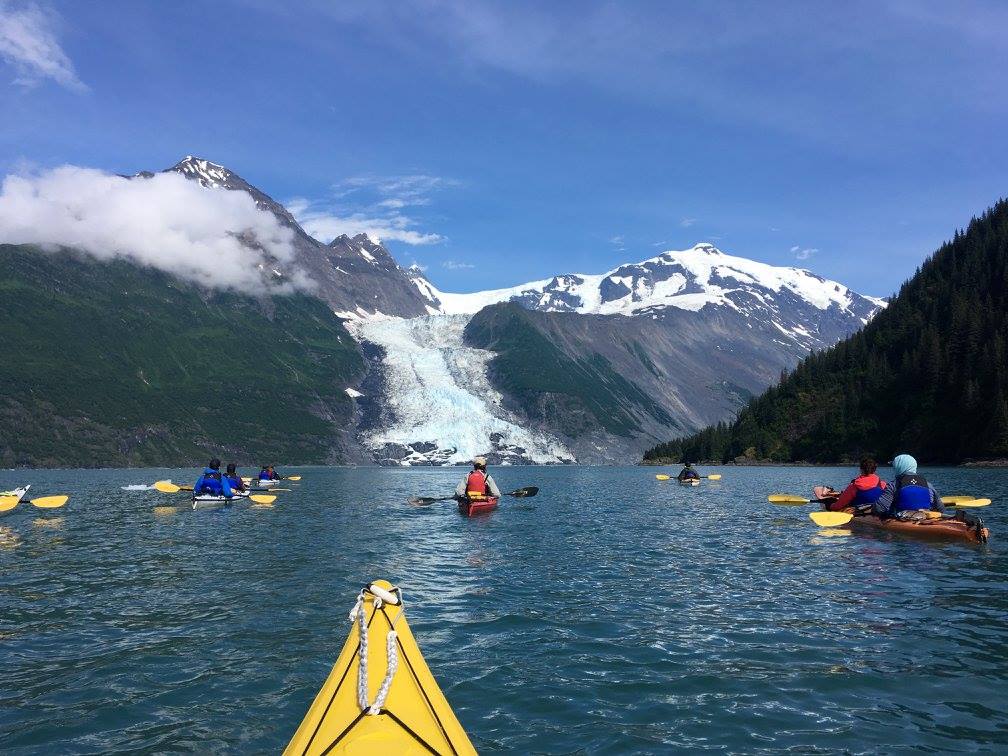
Sea Kayaking in Alaska on the Prince William Sound.

Sea kayaking in Alaska on the Prince William Sound.

What’s your favorite AT meal? Bagels and lox

What keeps you coming back to AT?  Adventure Treks puts a lot of effort into creating an inclusive environment for its staff and students. They also hire the best of the best for their staff, easily the best and most capable staff I’ve ever had the pleasure of working with.

What’s the most beautiful place you’ve ever been to? Sea kayaking on the Prince William Sound in Alaska was the most beautiful place I’ve ever been.

Tell us something unique about you. I’ve come close to breaking the world record for number of books balanced on head…

By Harper Swing, currently a freshman at University of North Carolina at Chapel Hill; Leadership Summit 2016, Alaska 1a 2015, California Challenge 3 2014, British Columbia 2 2013, California Adventure 2012


I always had a hard time leaving an Adventure Treks trip. Every summer, when I would step off the plane, back in my home state, I felt a little sad that I couldn’t just turn around, hop back on, and head back to the west coast and do it all over again. The last few days of Leadership Summit was especially sad because I’ve never had that much fun in my entire life. The thought of ending my AT career was scary, mainly because I didn’t quite know how a summer was supposed to be spent if it wasn’t in a tent. Luckily for me, my Leadership friends felt the same way, and we’d talked about having a reunion before our final few days.

At first, it was hypothetical. It was not something we actually planned to follow through with, but once summer ended and college applications rolled around, we began to realize that maybe we could actually pull it off. Three group video chats, two text group messages, and one massive Google doc later, we finally had a plan. The basics were simple: We’d wanted to go to Yosemite National Park since the beginning, and we wanted as many people as possible to join. Once that was settled, we moved on to the more complicated planning, and it was a group effort in all aspects! Little by little, we hammered out more details: official dates, who could make it, meal plans, permits, and gear. In the end, we settled on a five-day backpack in Yosemite, followed by a Half Dome summit and a four-day trip to Sequoia and Kings Canyon national parks. It didn’t seem real until it actually happened, but eventually summer came, and exactly half of our 2016 Leadership Summit crew was standing in the San Francisco airport, ready to go.

While it was strange to have an airport day that didn’t include pizza in the park, we were all up for the adventure, and we began our trip prep right away. After doing a Costco shop, gear run, and the ultimate game of “Show me what you got,” we were off. At first it was weird to grasp that it was just us, and that we were in charge of everything. This definitely led to some indecisiveness (and 20-minute conversations about what we wanted for dinner that night), but we got over it quickly enough and had a smooth rest of the trip.

Ever since my California Challenge trip, I’ve loved the California backcountry, and Yosemite was no disappointment. Because we were such a large group, the trail we were given was pretty secluded, and it took us up and out of the valley and into the greater Yosemite wilderness area. I don’t think I’d ever had that much fun in my life: the views were amazing, we came upon incredible camping spots, and we had a perfect view of the stars every night. However, the backpack was not without its challenges, one of the biggest being illness. But we were able to work through them rationally with little to no road bumps or arguments, something that probably wouldn’t have been possible without our previous experience with Adventure Treks. While it was not the smoothest backpack I’ve ever been on, it was one of the best, and I think we all became much more confidant in our backcountry abilities. After we came out of the backpack, we went straight into our next adventure: a summit attempt of Half Dome requiring an alpine start of 2:30 a.m., and a seven-hour trek to the top. It was a challenging hike, but finally reaching the top was surreal: the views were even better than what we’d seen even in the past several days, and the sense of accomplishment in knowing that we were able to pull it off completely on our own was even more so fulfilling. And to top it off, I got to share the experience with some of my best friends.

After the Yosemite leg of our trip (and a post-summit In-n-Out stop) we were able to spend a few days relaxing and exploring Sequoia National Park. We hadn’t given ourselves a structured schedule, so it was hard for nine people to reach consensus when there was just so much to do, but we were able to spend our time finding the best views and swimming holes could. Eventually, we had to go back to our “base” in Menlo Park, and we spent the last few days touring San Francisco with a final cookout on the beach.

In the end, I was just as sad to leave this adventure as I had been to leave my previous AT trips, and once again I found myself in the Charlotte airport wishing I could go back. But I was so, so, grateful for the experience. The trip put five years of Adventure Treks knowledge to use by allowing me the opportunity to plan my own experience while make the most of it, all while testing my limits and leadership skills in the backcountry. And looking back, I couldn’t have asked for a more perfect experience to kick of my college years, and I really couldn’t have asked for better people to do it with.


Devin will be joining us as a Trip Leader for her fifth season at Adventure Treks! She answered a few questions for us below.

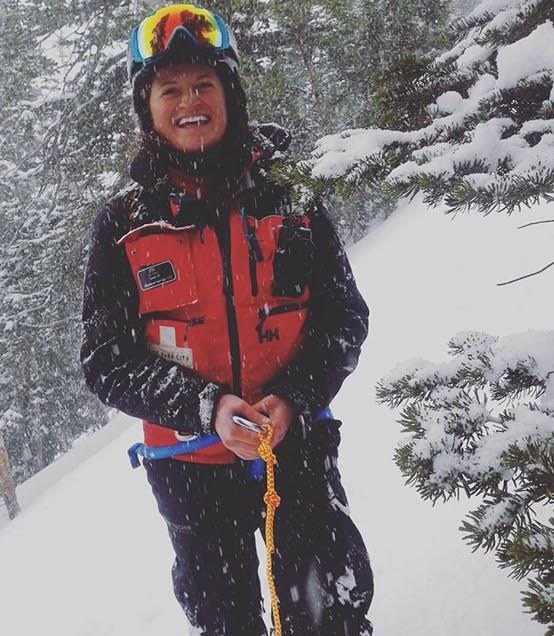
Devin snow

Devin on ski patrol in Park City, Utah.

What are you currently doing?
I am currently a ski patroller at Park City Ski Area in Utah.

What made you want to work as an outdoor educator?
Growing up in Colorado, I’ve always loved being outside, but it wasn’t until I took a year off from college and spent 85 daysin Patagonia with NOLS that I realized I could make a living out of sharing my passion in the outdoors.

Out of your last several years with us, what’s your favorite AT memory?
I have a lot of great AT memories, but one of my favorites was summiting Mt. Olympus with my Leadership Summit students last summer. We had woken up at about 3:00 a.m., and the weather already seemed like it wasn’t in our favor. As we ascended through the forest and eventually onto the glacier, the clouds continued to roll across the summit. It was a constant mental balance between thinking we might have to turn around and feeling confident that we would make it. The game was holding both possibilities at once. Finally, standing on top of that summit around noon was incredible. Watching my students overcome challenges together and discover their own inner strengths throughout the process—these are the moments that make me proud to be an outdoor educator.

Devin Flair

Devin (far left) and the Colorado Explorer crew in flair!

What keeps you coming back to AT?
I come back to AT because they are my people. There is hardly any other environment where one can find such a large collection of authentic, goofy, intelligent individuals—both instructors and students—and I’ve discovered some of my closest friends within this community. Even when I only get to spend a brief amount of time with some of them, I know they truly care about me. I also come back for the adventures. And the flair costumes, of course.

On a lighter note, what’s your favorite AT meal?
I LOVE peanut butter, so any meal that can incorporate this delicious spread has to be a favorite. I really like Gado Gado, which consists of rice noodles and a variety of sautéed veggies topped with a homemade Thai peanut sauce.

What’s the most beautiful place you’ve ever been to?
This is a hard one… I’ve been lucky to see a ton of beautiful places in my life so far. One that sticks out was seeing a glacier for the first time while mountaineering in Patagonia. It made me cry, it was so beautiful. I will say Blue Glacier on Mt. Olympus is probably a close second. Emerging from the rich greens of the Hoh Rainforest to stand before the seracs and crevasse of the glacier at sunrise is pretty spectacular.

Devin backpack

Devin on a backpack with friends.

Tell us something unique about you.
I know more recipes using figs as an ingredient than any one person should know. I love figs, probably even more than peanut butter.

Where did you attend college?
I spent two years at Colorado College and then transferred to Fort Lewis College where I earned my degree.

If you could travel anywhere in the world, where would you go?
My sister and I have been talking about a trip to Iceland. I’ve always wanted to see the Northern Lights, and I hear they have some fermented shark you can try. Who doesn’t love some good old fermented shark!

By Josh Goldbach, associate director

Instructor: Colin Hull

Seasons with Adventure Treks: 3 as an instructor, 3 as a student.

University attended: Colby College

Favorite AT Activity: Backpacking!

What are you currently doing? I am working for the Alzar School, a semester school for sophomores and juniors in high school. I am teaching US history courses and instructing whitewater kayaking. I recently traveled with the school to Chile where I led paddling trips in Patagonia and numerous other spectacular locations throughout the country.

What made you want to work as an outdoor educator? I’ve wanted to be an outdoor instructor since I was a student at Adventure Treks. I always was so inspired by my instructors, and I wanted one day to be at least half as cool, professional, creative, and fun as they were.

What’s your favorite AT memory? There are so many, but one from this past summer was playing our version of the Olympic games on the 4th of July near Port Townsend, WA, on my Pacific Northwest Adventure trip.

What’s your favorite AT meal? I always enjoy the Adventure Treks version of Thanksgiving dinner.

What keeps you coming back to AT? The friendships and community AT creates. It was particularly special to be able to go on an expedition with an amazing person like Kiko Sweeney as a student, and then be able to lead a backpack with her in North Cascades National Park as an instructor this past summer.

What’s the most beautiful place you’ve ever been to? Ensenada, Chile, is pretty high up there. It was incredible to paddle on the Rio Petrohue surrounded by volcanoes at any given time.

Tell us something unique about you: I am an expert on the history of Fort Halifax, ME. This is a particularly mundane wooden fort in the middle of nowhere Maine that I studied in college. I can talk for a long time about this subject if you get me going.