
The moment students enter high school, the pressure to start “preparing for college” is on. Between AP classes, SAT prep, extracurriculars, and summer programs, teenagers are often overwhelmed by how much they’re supposed to do just to compete in today’s crowded admissions landscape.
So how can students rise above the noise?
By showing up as their authentic, passionate, and resilient selves.
 What colleges are really looking for
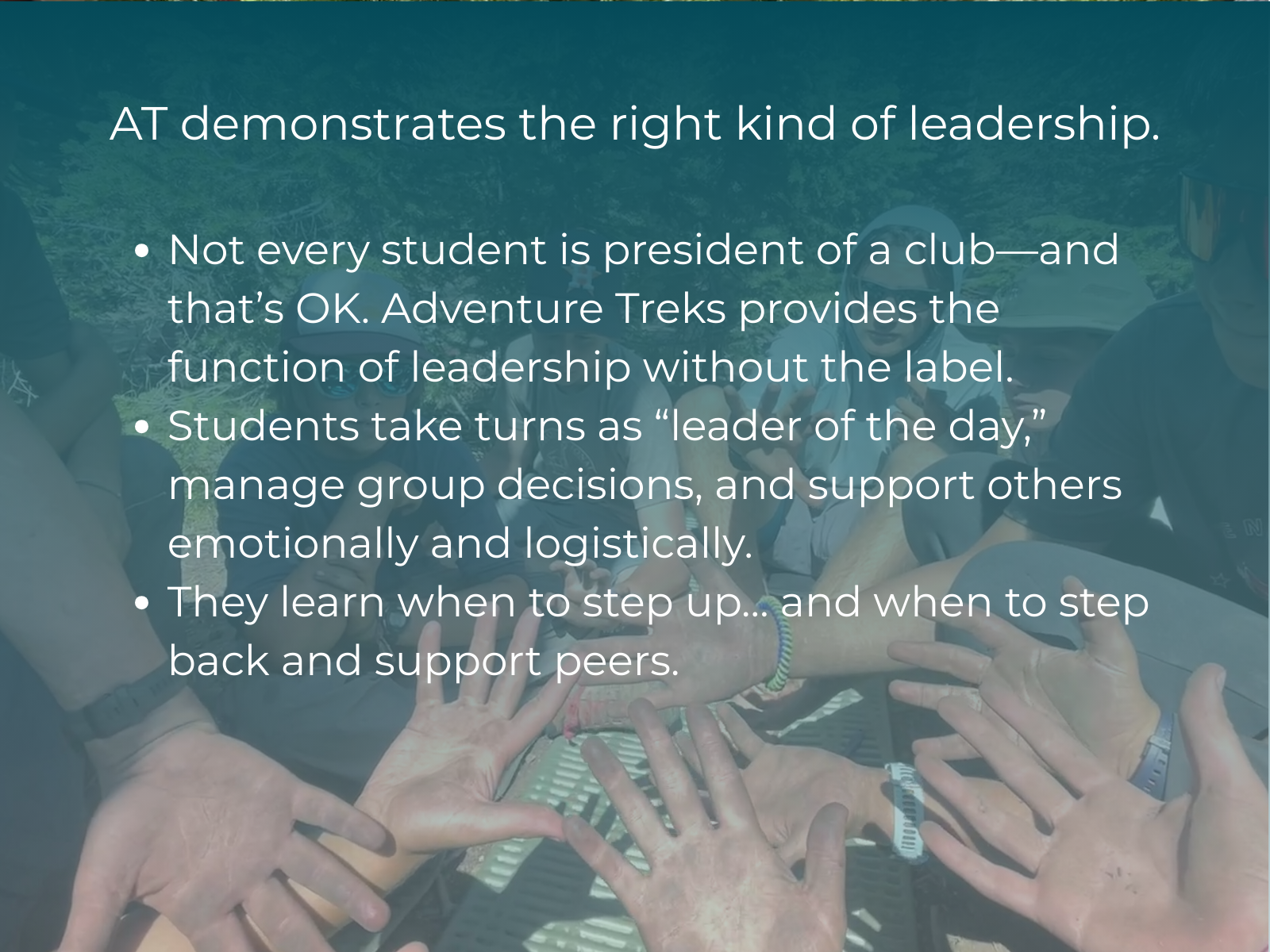
We’ve spoken with high school counselors, college advisors, and even admissions officers, and the message is clear and consistent: Colleges want to see more than grades and test scores. They want to understand who students are as people—what drives them, how they handle challenges, and what makes them thrive.
In a conversation with one college advisor, we learned that:
Admissions officers want students who are consistent, committed, and real. It’s not about cramming your resume with random activities—it’s about showing passion, perseverance, and growth.
Authenticity matters most in essays and interviews, where students can reflect on meaningful experiences. Demonstrating long-term engagement (i.e., consistency) matters, whether it’s through a part-time job, volunteering at the same local food pantry, or returning to a favorite summer program year after year.
How Adventure Treks fits into the college prep picture
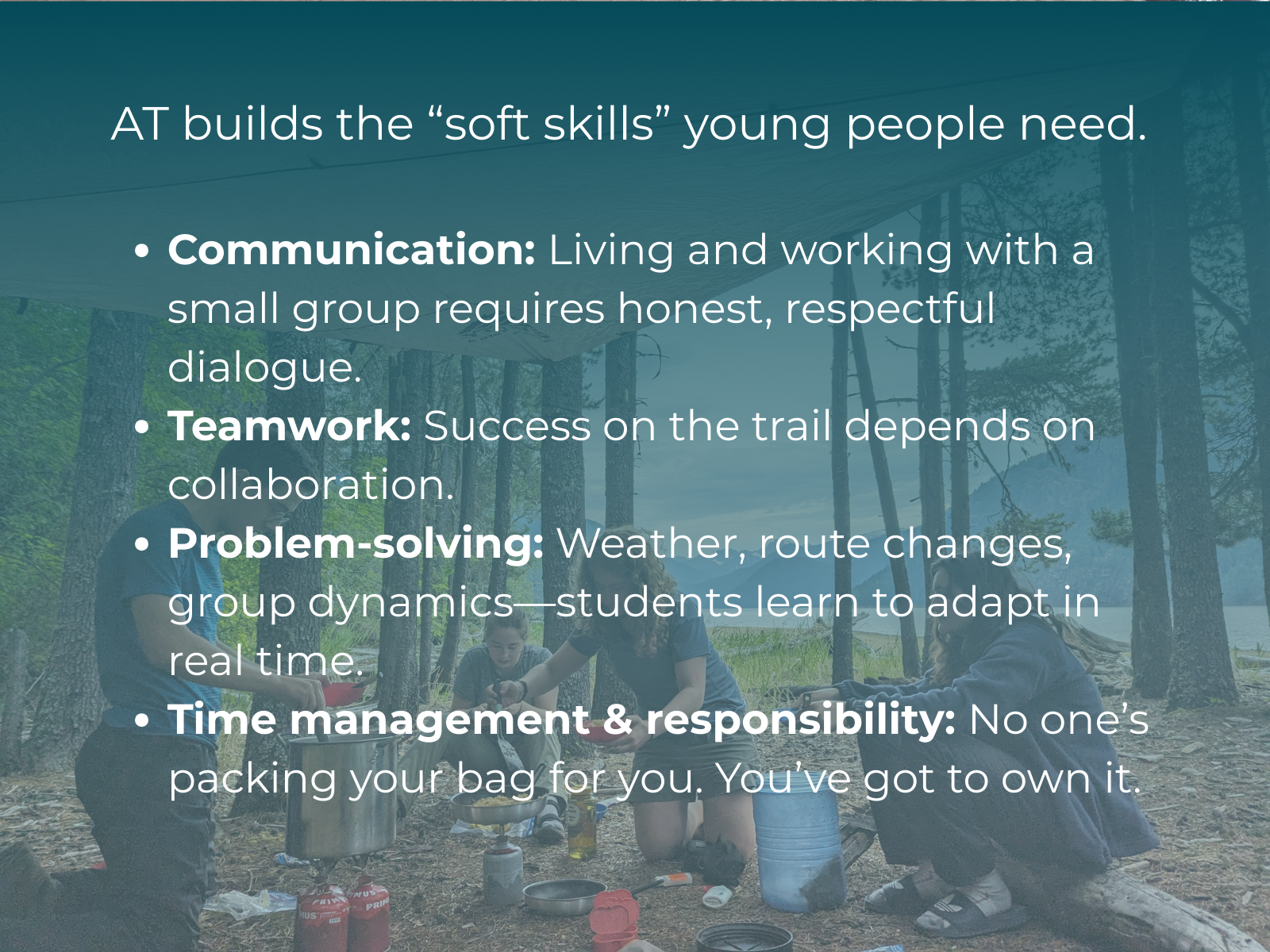
Authenticity is where Adventure Treks alumni shine. Our students build strong, authentic communities while engaging in fun outdoor challenges. Every summer, they:
- Collaborate and problem-solve in groups
- Take on leadership roles and support their peers
- Persevere through tough hikes, inclement weather, and new physical and social environments
- Reflect on personal growth and a real sense of belonging
And they love it. Their newfound passions—combined with meaningful growth—translate powerfully on college applications.
Real skills and real stories
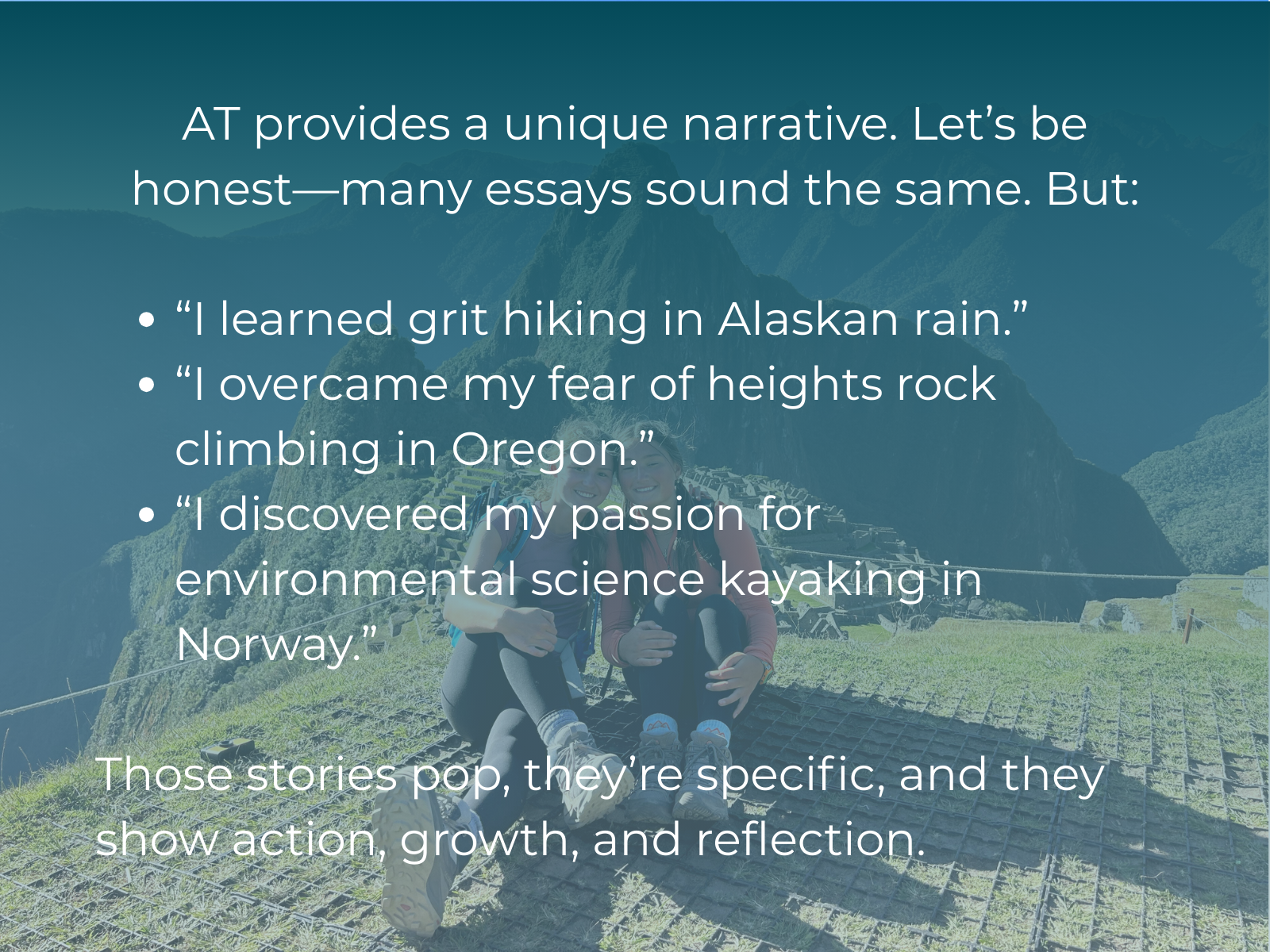
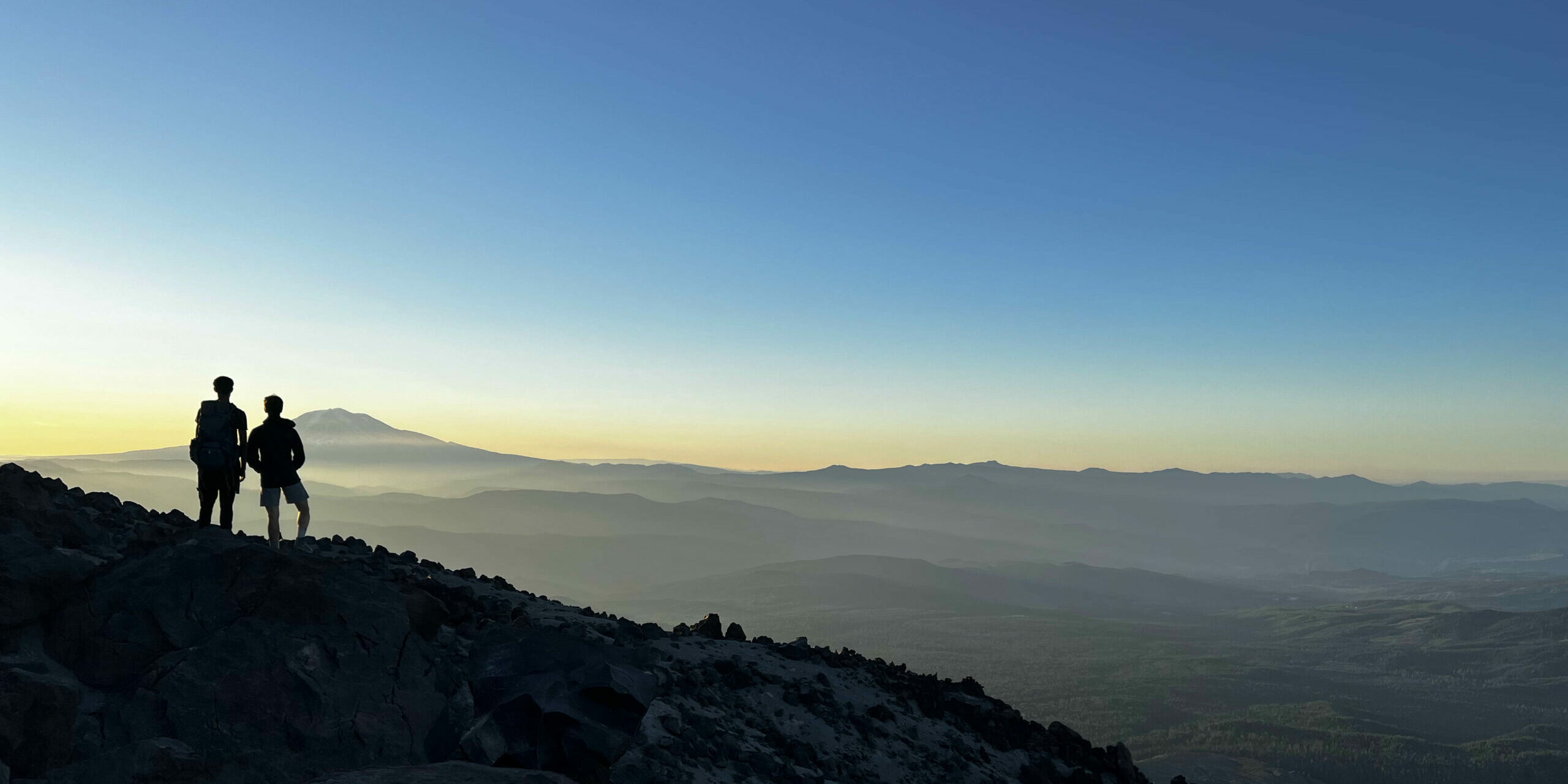
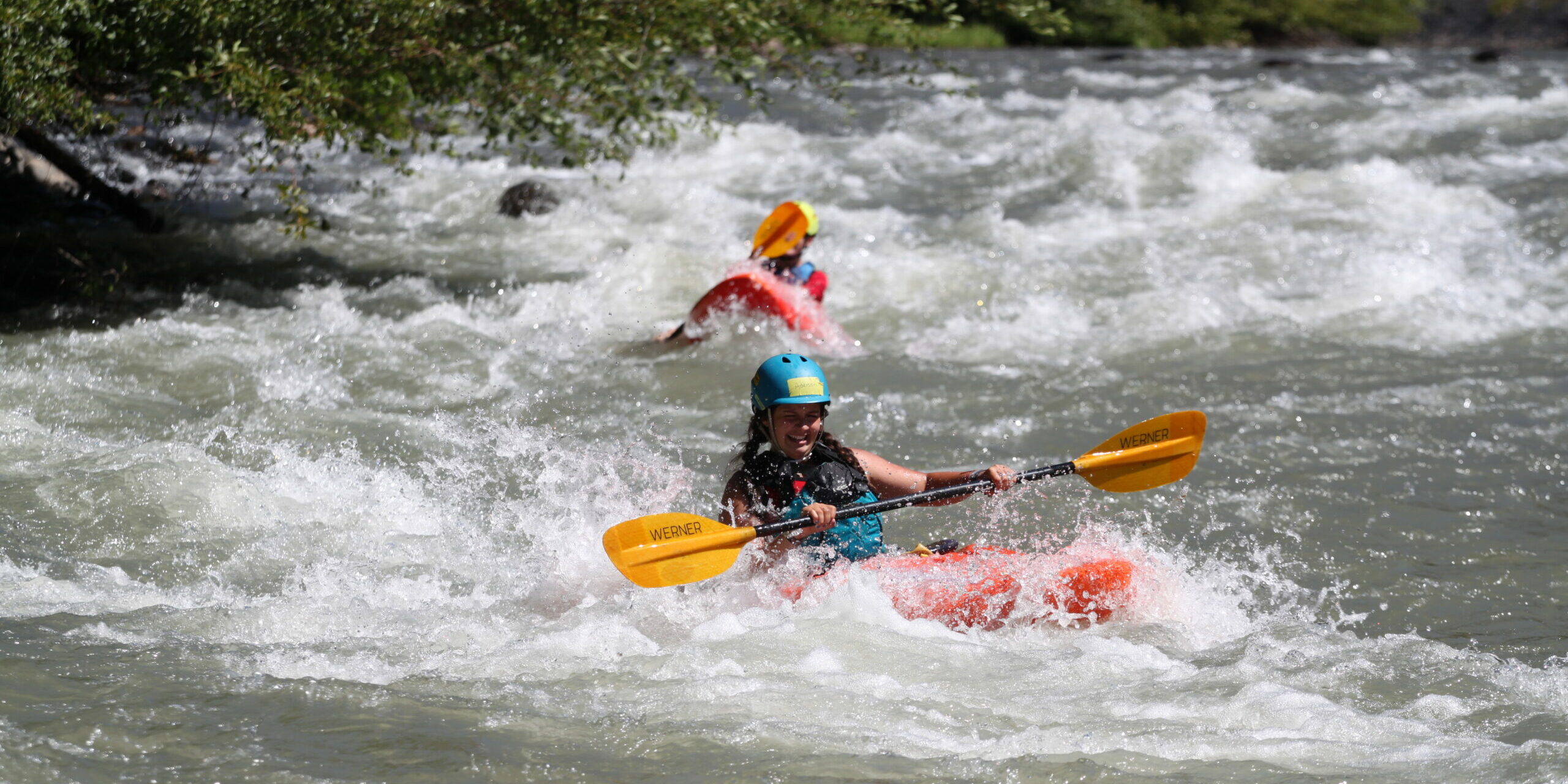
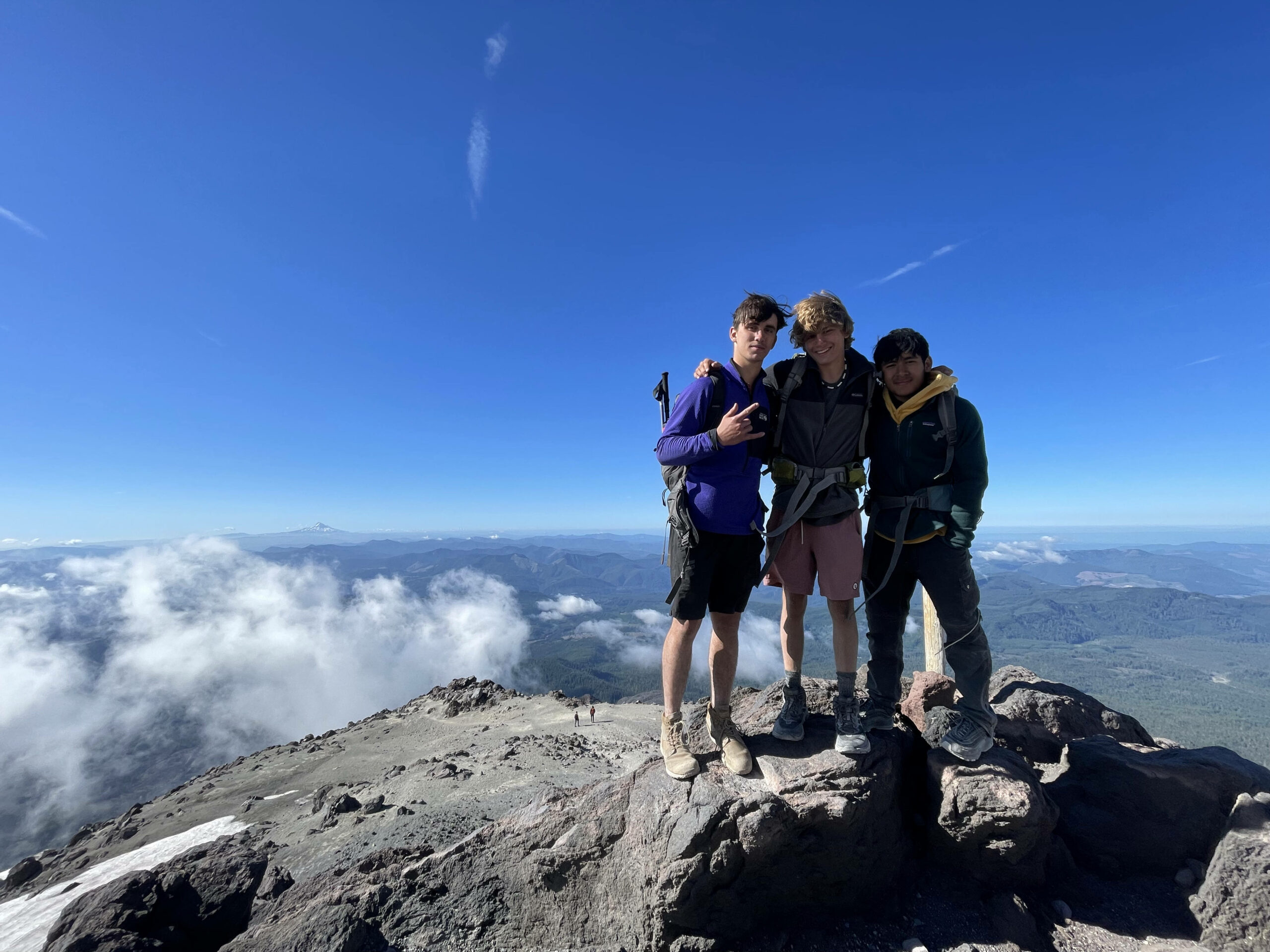
Whether it’s summiting Mount Shastina or St. Helens, navigating a Norwegian fjord by sea kayak, or cooking dinner for a group after two days of climbing at Oregon’s famous Smith Rock, AT students dig deep and develop independence, an optimistic mindset, and resilience. They learn to adapt, support others, and keep going even when things get tough—exactly the traits colleges want. And exactly the traits young people need in order to succeed later in life.
Their stories often become the foundation of remarkable college essays. Their essays don’t get lost in the noise because that authenticity of meaningful, real-life experience shines through.
What the experts say
Daniella Friedman, a college advisor and Adventure Treks alumni parent, shared this insight:
“Adventure Treks is a worthy experience in and of itself. Students learn grit, teamwork, and leadership, all while having fun and making lifelong friendships in the great outdoors. At the same time, participating in Adventure Treks can strengthen a student’s college applications in many ways, including enhancing their activity list and college resume, giving them something to write about in their personal statement and supplemental college essays, and obtaining a strong letter of recommendation from an AT instructor.”
She adds:
“Outdoor experiences like Adventure Treks demonstrate to a college that a student is down-to-earth, adventurous, and willing to embrace challenge. But colleges also like to see that students have “stick-to-it-iveness” and real passion. So while one summer spent backpacking with Adventure Treks looks good, several summers spent backpacking with Adventure Treks looks even better.”
View more of Daniella’s advice here and here.
Bottom line

Adventure Treks helps students become the kind of young people colleges want to admit:
- Confident in who they are
- Resilient in the face of challenge
- Grounded in real experiences and communities, not just resume padding
- Authentic in how they express their values and passions
For students wondering how to stand out in a sea of applicants, the answer may be less about adding more activities—and more about going deeper in the ones that really matter to you!
How often do you get the chance to truly connect as a family—free from screens, packed schedules, and the hustle of everyday life? Nature offers a refreshing escape from modern distractions, creating space to reconnect, strengthen relationships, and build lasting memories. At Adventure Treks, we’ve seen firsthand how shared outdoor experiences can transform relationships. That’s why we’re thrilled to introduce our family and adult adventure programs, designed to help families enjoy these unforgettable moments together.
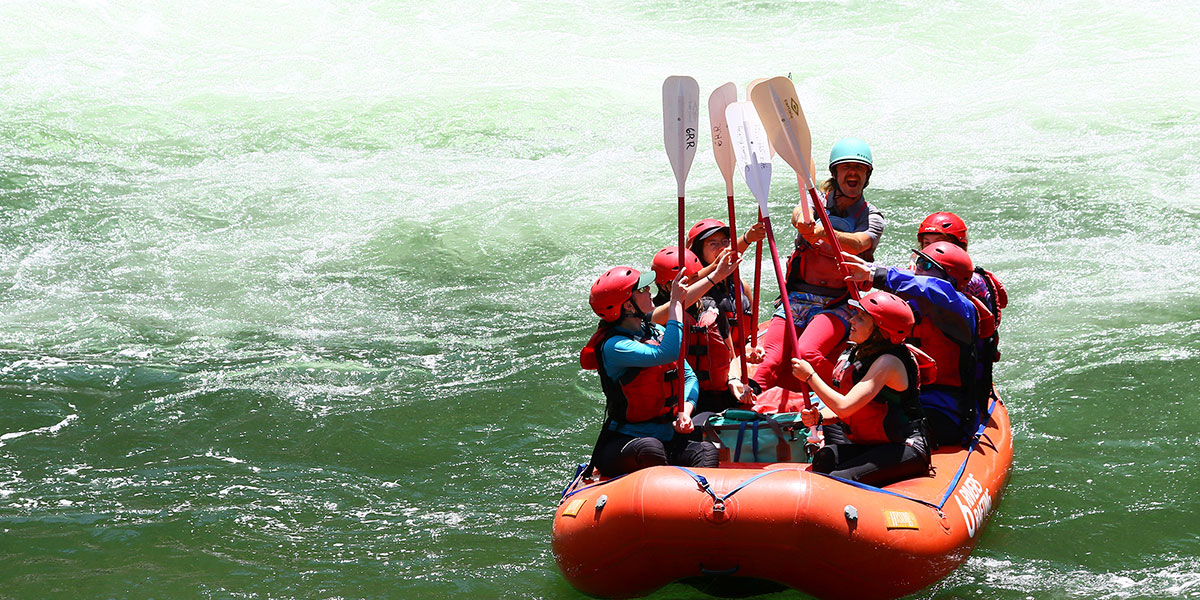
Create unforgettable shared memories
Shared outdoor adventures have a unique way of bringing families closer together. Whether it’s hiking to a scenic viewpoint, laughing around a campfire, or working as a team to set up camp, these experiences foster a sense of bonding for families. These moments away from daily distractions allow families to engage in meaningful conversations, experience new challenges together, and enjoy quality time without interruptions.
“I still tell people I was the happiest I’ve ever been on those trips. Being in the backcountry with a group of amazing leaders and friends was life-changing.” – Ally Krause, student from 2014–2016
The same transformative magic that shaped her experience as a teen is equally impactful for families venturing into the outdoors together, providing the chance to deepen connections with loved ones while surrounded by some incredible landscapes.
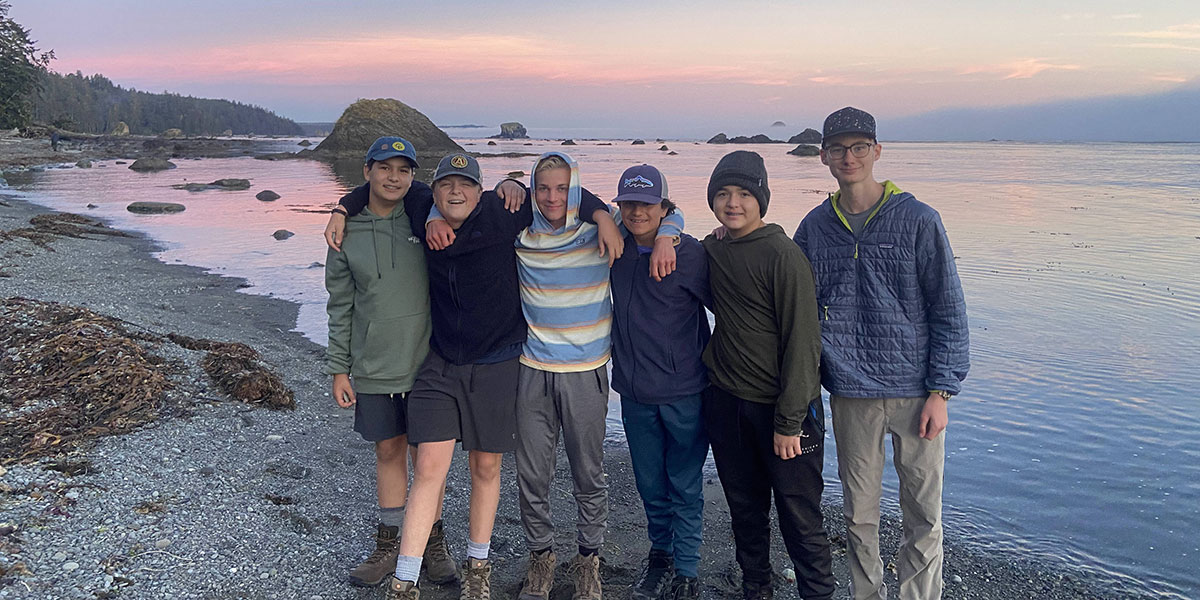
Build confidence and resilience as a family
Challenges in the wilderness—like navigating a steep trail, adapting to unexpected weather, or managing camp tasks—provide valuable lessons in resilience, problem-solving, and trust. These lessons aren’t just for individuals—they strengthen family dynamics, too, as kids and parents work together to overcome obstacles, celebrate achievements, and learn from setbacks.
Plus, outdoor trips help family members take on different responsibilities. Whether it’s setting up camp, cooking meals, or planning the next group activity, everyone plays a role in ensuring the success of the trip. Parents often see their children rise to the occasion, sometimes even taking on leadership roles or caring for the safety and well-being of others in the group. These moments of responsibility help develop a stronger sense of teamwork and give children opportunities to practice decision-making with the whole group in mind—and they’re skills that kids can take home and apply to everyday lives. We often hear from parents about how their teens become more involved in household chores (of their own accord) after an Adventure Treks trip!
“It’s hard to express how much I value the experiences I had on my Adventure Treks trips as a teenager. I look back on them so often and am just so grateful I had AT in my life. Not only did it help me develop a lifelong love of the outdoors and outdoor activities, but it gave me so much more confidence in myself at that point in my life. AT was the first time I felt truly comfortable and accepted away from my home community.” – Issy Schwartz, student from 2017–2020
Imagine the impact of building that confidence and resilience together as a family unit, while learning how to be responsible for the group and the environment.
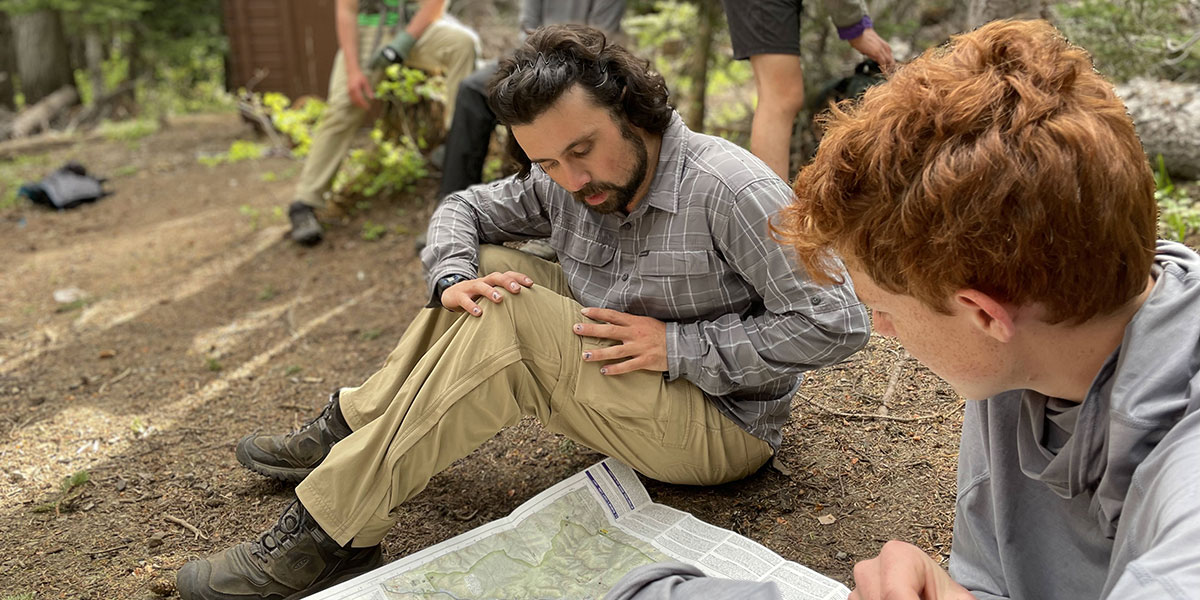
Encourage curiosity, creativity, and imagination
Time outdoors goes beyond physical activity—it’s a chance to spark curiosity, creative thinking, and a deeper connection to the natural world. Adventure Treks’ programs are designed to inspire families to explore, imagine, and learn together. Studies compiled by the Children and Nature Network show that time in nature encourages critical thinking and problem-solving in children—skills that are vital for lifelong learning and success.
Simple activities like identifying plants on a hike or creating stories about the shapes of clouds can inspire imagination, helping parents see the world through their kids’ eyes and vice versa. It’s an incredible opportunity to grow and learn together in nature’s classroom.
Better physical and mental well-being
The mental health benefits of spending time outdoors are well-documented. According to Connections Academy, outdoor play reduces stress, improves mood, and builds deeper bonds. Families who spend time together outside report feeling more connected, happier, and recharged.
Outdoor activities like hiking, kayaking, and backpacking are not only excellent ways to keep the whole family physically active, but they also promote better sleep. Unlike structured gym routines, these adventures feel more like play, making exercise fun and accessible for all ages and fitness levels. Physical activity in nature also encourages better sleep patterns by allowing families to unwind after a day of outdoor exploration.
Our family trips are designed to meet families where they are, providing activities that challenge and inspire without overwhelming or intimidating. Whether you’re new to outdoor adventures or seasoned explorers, our trips help everyone stay active while having fun together—and enjoy the added benefit of deeper, more restful sleep at night.
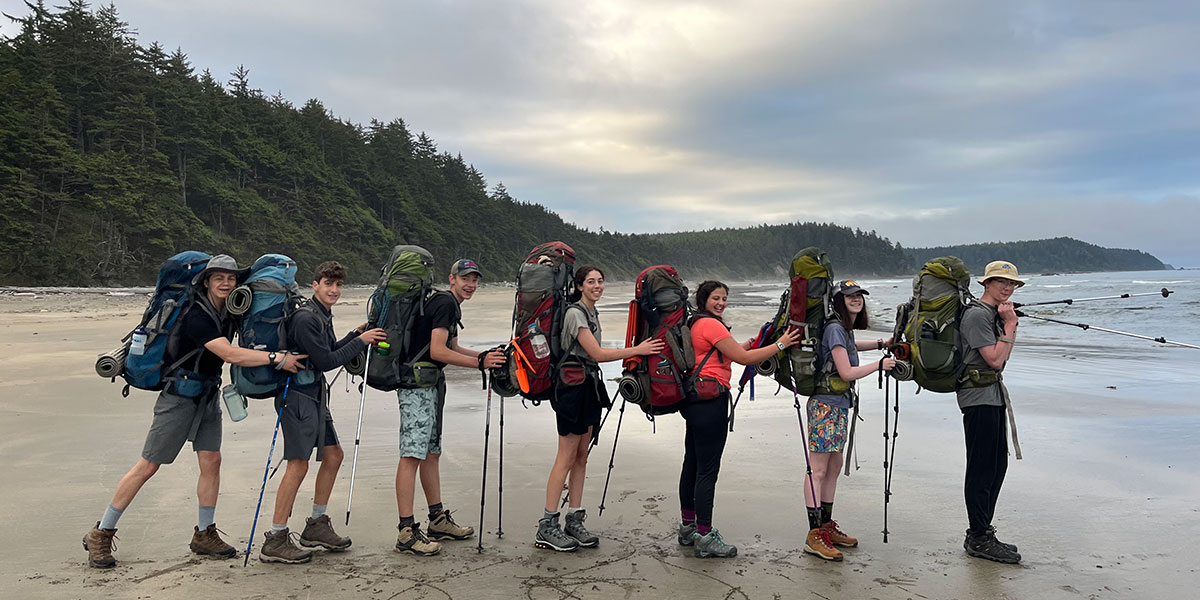
Increased collaboration, communication, and social skills
Outdoor adventures provide a natural environment for families to practice teamwork and communication. From sharing responsibilities like cooking meals to solving problems together on the trail, these activities help family members hone their social skills in a supportive, fun atmosphere.
“Adventure Treks had a profound impact on my life by building my confidence and reshaping the way I see myself and the world around me. It was with AT that I learned the basics of conservation and fell even more in love with nature. This exposure not only broadened my worldview but also strengthened my ability to connect with others on a more authentic level.” – Jessica Zied, student from 2014–2016
Whether it’s planning the day’s activities, navigating a challenge, or ensuring everyone’s needs are met, outdoor recreation provides plenty of opportunities for families to develop important communication skills that last long after the adventure ends.
Incorporating outdoor time into your family’s routine
Adventure Treks family and adult programs
For families seeking a more immersive experience, Adventure Treks offers transformative trips tailored to families and adults. Our family program in the Pacific Northwest provides the perfect backdrop for bonding and adventure, while our adult trip in Peru offers a chance to explore breathtaking landscapes and build lifelong connections. These programs are designed to create shared experiences that deepen relationships and create lasting memories.
 Simple ways to get outside year-round
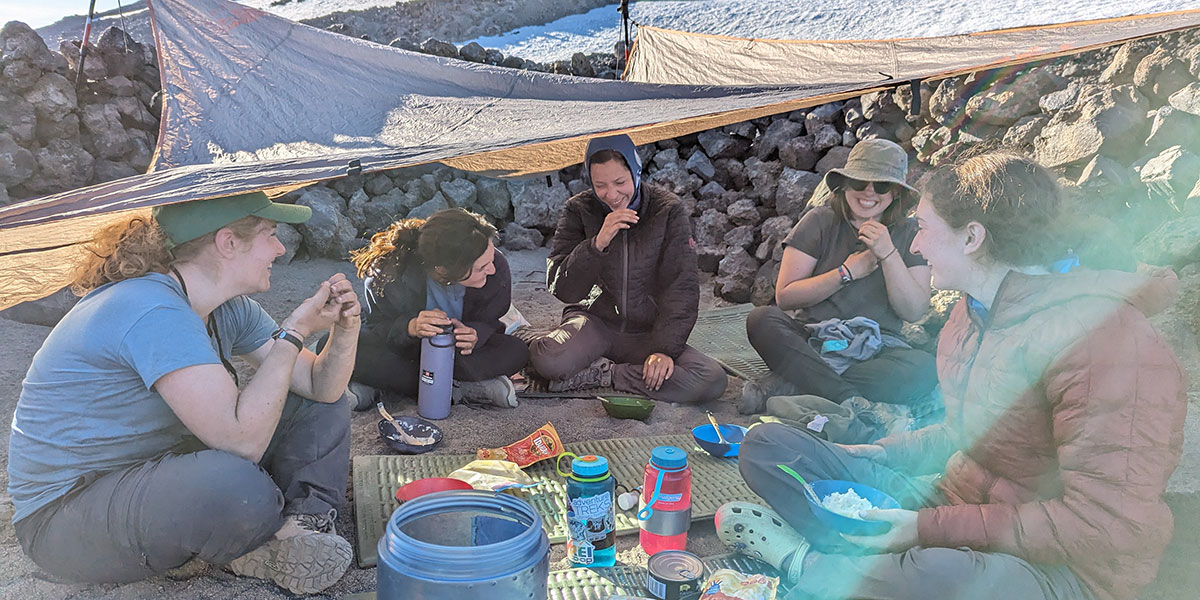 Simple ways to get outside year-round
Not ready for a multi-day adventure? There are plenty of ways to incorporate outdoor time into your family’s routine:
- Take evening walks around your neighborhood or local park.
- Plan weekend camping trips to explore nearby nature reserves.
- Try a new outdoor hobby, like birdwatching or gardening.
- Create a backyard scavenger hunt or stargazing night for the whole family.
Even small steps can help your family enjoy the benefits of time spent outdoors.
A call to adventure
Outdoor spaces hold something transformative for every member of your family. These experiences not only create lasting memories, but they also instill values that stay with you for a lifetime. This year, we invite you to embark on a journey where the challenges faced together can be just as meaningful as the milestones achieved. It’s more than just a trip; it’s an opportunity to discover new strengths and experience the world through fresh eyes. Whether you join us for Adventure Treks’family program in the Pacific Northwest or explore our adult trip in Peru, you’ll find the perfect setting for a life-changing adventure.
“I consider my AT experiences fundamental to my growth as a human. For the first time, I felt truly comfortable and vulnerable with others and like I could be myself. I was proud of my accomplishments, in awe of the world, and so so so happy. In my adult life, I strive to be the kind of person I was at AT. It rekindled a love for the outdoors and a genuine faith in the good of other people.” – Hunter James, student from 2013
I was reading through college essays the other day, shared by current and former Adventure Treks students who’d written about the impact their AT experiences (climbing Mt. Shasta, backpacking in Alaska, etc.) have had on their lives. I then came across an essay on letgrow.org by a student named Finn Fox. One quote in particular stood out to me: “We don’t know how to solve some of the biggest problems in the world today, but if we’re willing to be flexible, get lost a little, and accept failure as part of the process, we can create innovative solutions to complex problems. All we need is a mindset of exploration.”
Letgrow.org is a site dedicated to helping parents give their children some freedom to explore, play, and be kids without the distractions of phones, parental safety-ism (or “overprotection,” as some call it), social media, and other hindrances. This led me down the rabbit hole of blogs from the American Camp Association and a few recent articles from The Atlantic, including one titled “End the Phone-Based Childhood Now,” written by social psychologist Jonathan Haidt.
This article dives not into into current statistics about youth mental health, but also when studies started showing increases in loneliness and depression, while scores in reading and math began to decline. Though changes have been happening for decades, the real shift began in the 2010s when—you guessed it—smartphone use became more and more prevalent. And what came along with smartphones? Drastically higher rates of social media use.
One of the most interesting things I read in the Atlantic article: “Young people do not like their phone-based lives.” In fact, many young people are actually in favor of new laws regulating social media in kids and teens. He also refers to the 2021 Facebook debacle that showed that “teens blame Instagram for increases in the rates of anxiety and depression.”
“Once young people began carrying the entire internet in their pockets, available to them day and night, it altered their daily experiences and developmental pathways across the board. Friendship, dating, sexuality, exercise, sleep, academics, politics, family dynamics, identity—all were affected. Life changed rapidly for younger children, too, as they began to get access to their parents’ smartphones and, later, got their own iPads, laptops, and even smartphones during elementary school,” Haidt writes.
Essentially, it’s nearly impossible to escape the internet’s influence these days.
As someone who got his first cell phone at age 19, and a smartphone many years later, it’s staggering to take a step and think about Gen Zers who never had to get creative with contacting their parents or accessing the internet or figuring out a ride home from school. The younger generations have grown up with the entire world accessible 24/7 at their fingertips.
Research has shown that the younger generations—the kids with the “phone-based childhood”—are shyer and more risk-averse, and they’re even less likely than previous generations to get jobs as teenagers. Sam Altman, founder of OpenAI—arguably one of the most relevant technology products available today—said in an interview last year that he was surprised at how few young people dominate the tech scene in Silicon Valley today.
Side note and fun fact about Sam Altman: He is an Adventure Treks alumni!
Phone-based life and its implications
Haidt puts it simply: “Smartphone-based life, it turns out, alters or interferes with a great number of developmental processes.”
As a tech-driven society, we have stolen play-based childhood away from children and replaced it with phones. In the past, children had social groups to interact with, they had to be creative when they got bored, they were able to take risks and problem-solve. Now, they are connected to a screen of some sort at all times, without any guidance on what to do or where to go with it. Children are rarely afforded the opportunity to fail in low-consequence situations, leading to their unwillingness to go outside their comfort zones. Screens used as distractions for very young children deeply ingrains a habit that is incredibly hard to break.
Haidt says one of the most far-reaching consequences of a phone-based childhood is the dramatic decline in face-to-face social interactions, and the loss of developing communication skills in what he calls “embodied” interactions (using body language, gestures, facial expressions, etc.). Kids’ skills in “synchronous” interactions have also declined—that is, the ability to learn and read social cues in timing and natural conversation/dialogue. They are also less motivated to work hard to create meaningful relationships in online communities—instead, much more likely to “dispose” of a friendship after any kind of disagreement (rather than face conflict and practice coming to an understanding). There aren’t as many stakes with online friends whom you may never meet in person.
Parents have been trying to keep their children safe from the real world, while doing very little to protect them from the online world.” Children are kept indoors, with a device to occupy their time. They have access to an incredible wealth of information, content (both wholesome and harmful), and data. There are laws in place that should keep teenagers off social media sites, but getting around that only takes a few clicks or swipes. Once that happens, kids get to contend with the algorithms of billion dollar companies that feed on the insecurities of teenagers and build FOMO (fear of missing out).
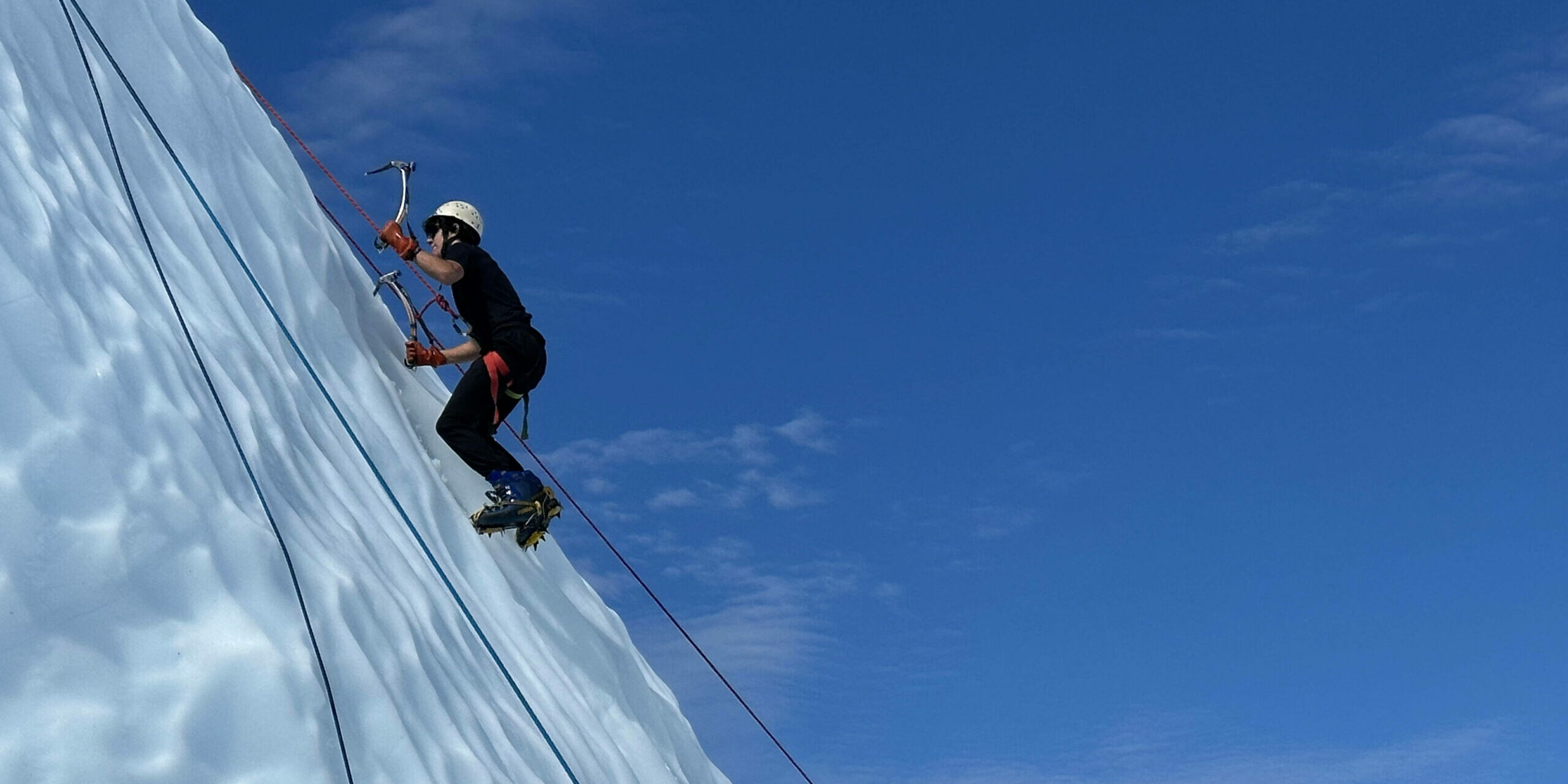
How does Adventure Treks relate to all of this?
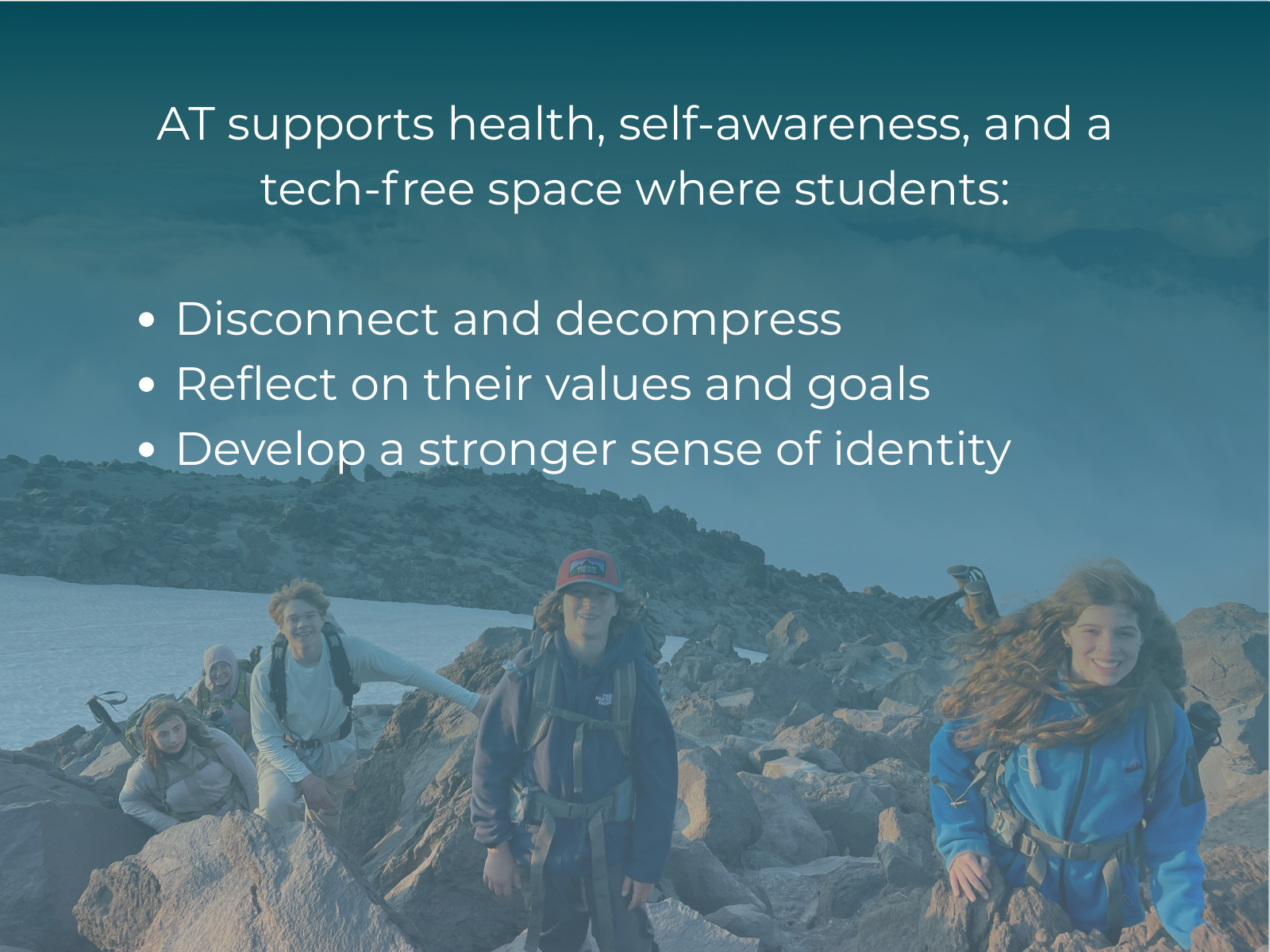
Our philosophy was built upon the concept of forming real, meaningful, genuine, and long-lasting relationships with peers and role models—friendships that lead to lifelong bonds that are not easily broken. As we always say, outdoor challenges bond people together like no other environment.
Our tech-free environment allows this to happen in real time, with those embodied and synchronous interactions in a community where everyone is valued. They can learn from others, embrace their differences, and celebrate each others’ strengths.
Kids’ lowered allowance for taking risks is an unfortunate outcome that cannot be overstated. Without a growth mindset—or one that’s not afraid to try new things and go out of the comfort zone and potentially fail—adolescence is severely stunted, leading to the inability to push and challenge oneself and learn and effectively self-regulate as adults.
Our trips take place in the great outdoors alongside experienced outdoor education instructors; they’re designed to allow students to not only take calculated risk, but to learn how to assess what risks are reasonable versus too risky—and to build a mindset well-versed in taking chances in environments where consequences aren’t too high.

Back to college essays and the “mindset of exploration”
All is not lost. In Finn Fox’s personal essay, he says his parents “just happen to believe that real world challenges are good for building problem-solving skills.” He expresses gratitude that his family allowed him to roam at the ripe age of 11 and build a sense of responsibility and independence.
His parents actually published his personal essay online because Finn sadly passed away from brain cancer before he could embark on his next adventures to university: “We’re sharing it in the hopes it encourages more parents to nurture and activate their children’s sense of exploration and independence.”
Finn had said, “I see the unknown as an adventure, something to go toward, not something to fear. The unknown to me as a kid was Chinatown in a city 30 miles from home. Now the unknown is the future. I can’t predict what comes next, but I trust that no matter what happens, it will be okay.”
Adventure Treks’ mission is to create the safest, most exciting, and most substantive outdoor summer adventures for teenagers through our personal attention to every student, our caring, and our competence. We hype our Great 8 Outcomes for a reason: kids who spend time outdoors, trying new things and pushing themselves while surrounded by good friends who genuinely care for them, are happier, healthier, and more well-adjusted, and become more confident, resilient, independent, capable, and optimistic people in the long run.
Let us help your child experience what it’s like to join an inclusive community of peers in gorgeous locations this summer!
[button url=”http://www.adventuretreks.com/enroll” target=”_self”] Enroll today! [/button]