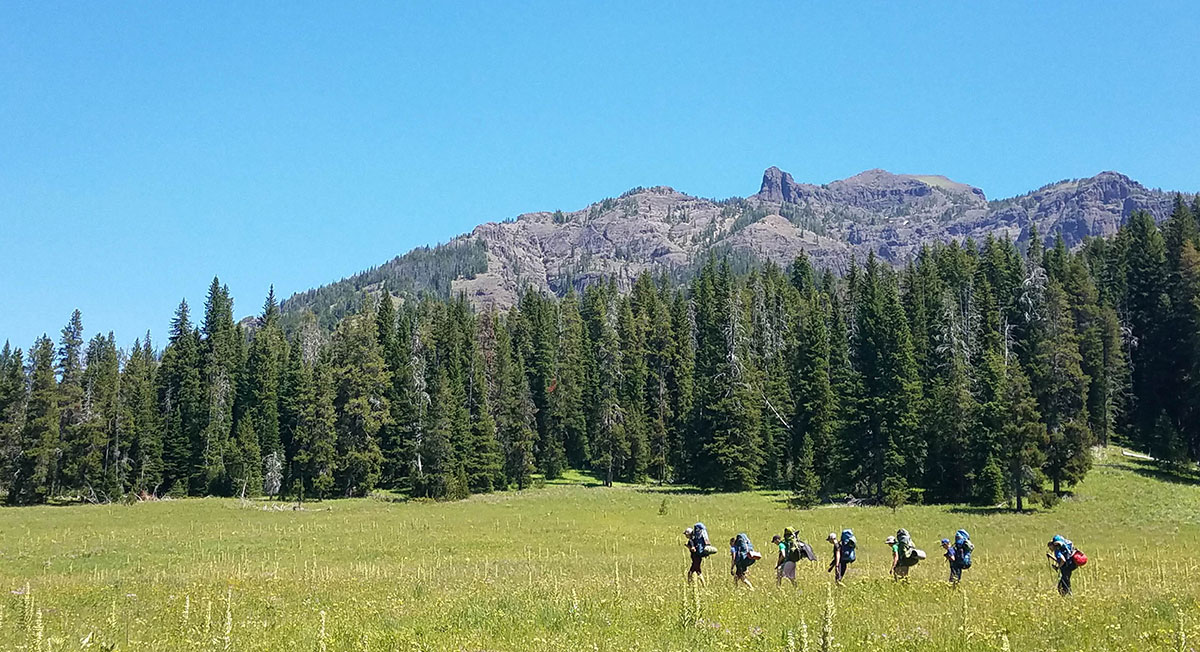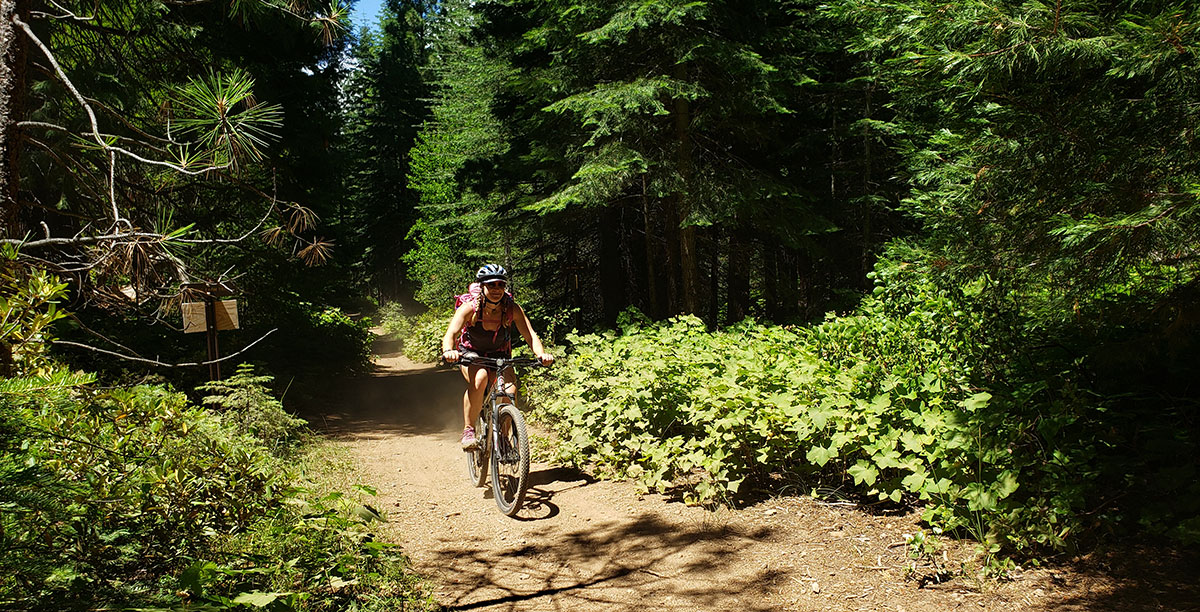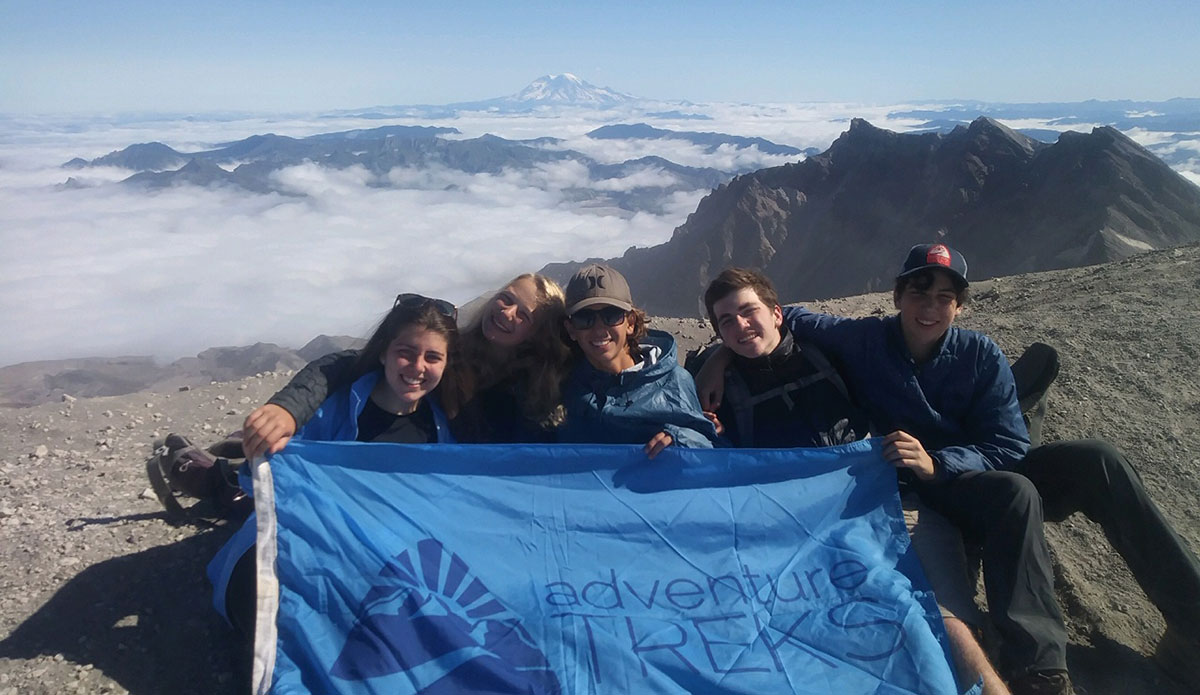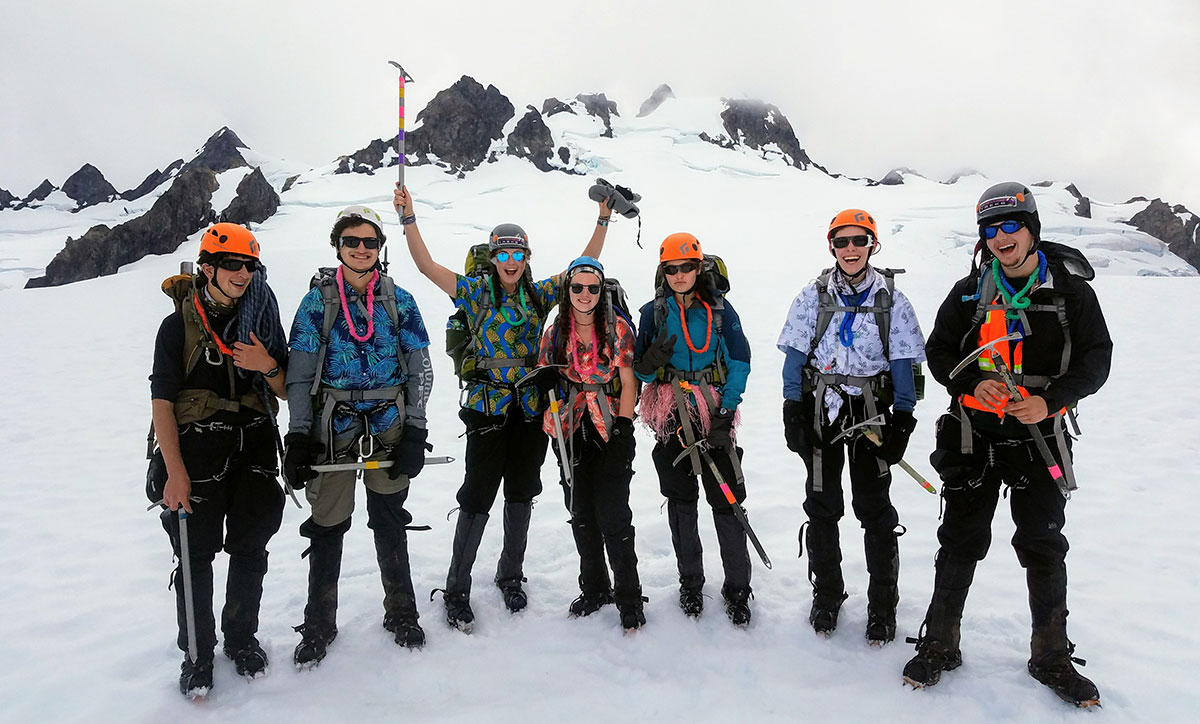
Adventure Treks’ inaugural Leadership Adventure Semester in fall 2020 exceeded even our highest expectations. This phenomenal group of students formed one of the closest, most inclusive, and most respectful communities we have ever witnessed, and their desire to learn and grow was extraordinary.

Since leaving Adventure Treks, all of our students have embarked on impressive paths, which we share in part one of this blog below!
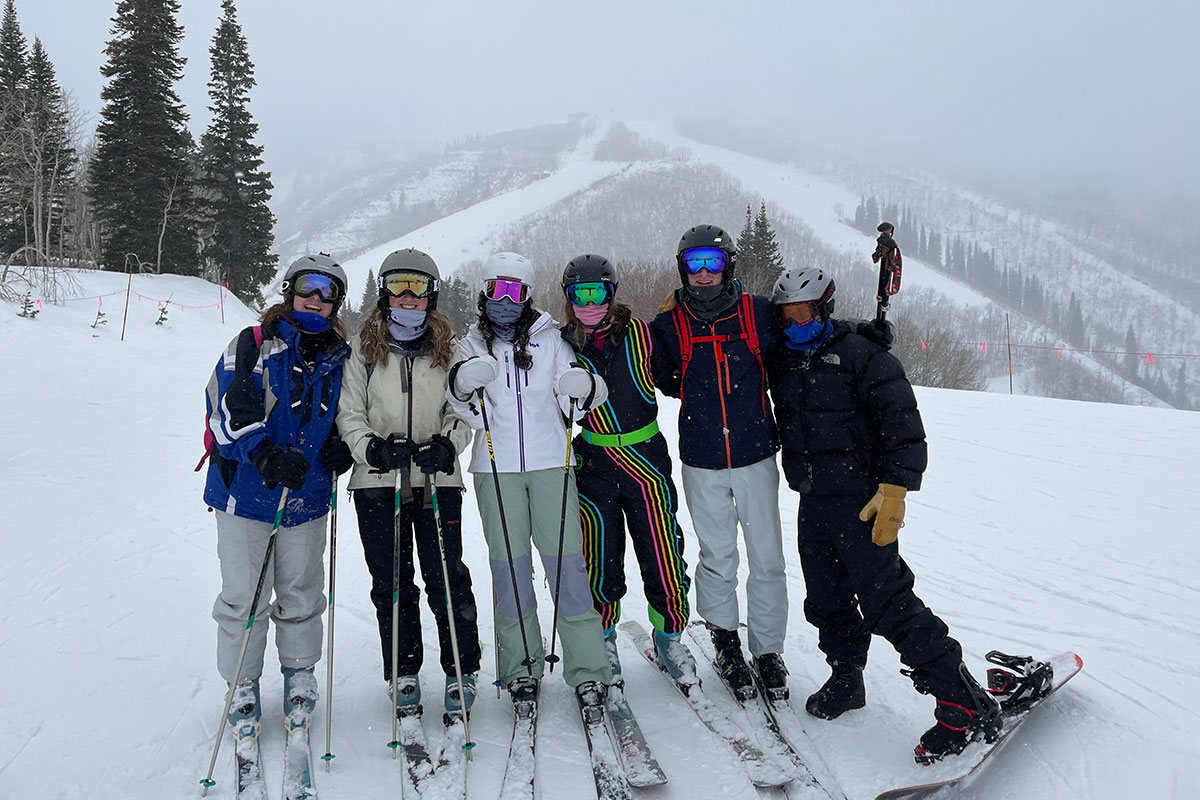
An Adventure Treks LAS reunion on the slopes.

What have you been up to since LAS ended in November 2020?

“I spent time in Pittsburg working on a native reforestation project. There, I helped the owner of the land cut cages for plants, and I helped remove invasive species. I also relocated a lot of rocks to a nearby creek. It was a little chilly, so I decided to move south to Mason, TX, where I am working on a vineyard—and it’s amazing!

Recently, I learned how to prune the grape vines before harvest season. I’ve been here for about a month and spent most of the time helping rebuild part of the vineyard because of the huge snowstorm that hit Texas this spring. We patched up the drip lines (so the vines get water), and cut down a lot of damaged vines from the freeze. We’re hoping there won’t be another freeze this season. I’m really enjoying my work at the vineyard because I’m thinking about majoring in biochemistry and possibly having a career in the plant world.

After the vineyard, I’ll go on a month-long backpacking and canoeing trip in Utah with Outward Bound. I loved the canoeing and backpacking part of LAS, so I wanted to find another opportunity where I can continue those cool activities. I promised myself that I would never go into the backcountry during November again, so hopefully, April will be a lot warmer!” – Mia Kauffman
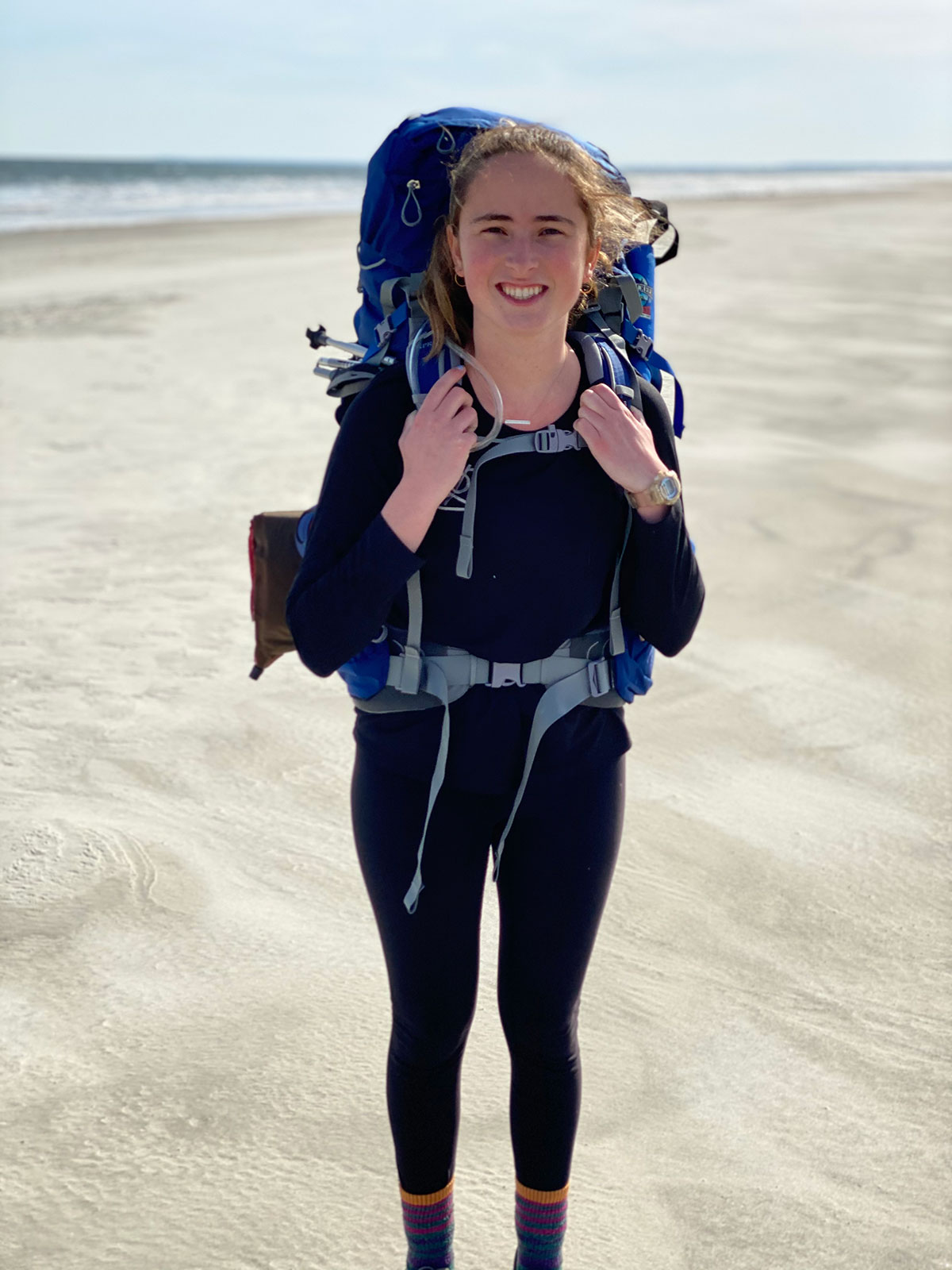
Backpacking on Cumberland Island, GA

“Since LAS ended, I’ve continued making bathing suits at a local company; in fact, I have designed and created my own bathing suit start to finish! I have also seen a few of my LAS buddies (Jordan, Max, Matt, Maggie, Gio, and Jacob) on a trip to Utah. Then I met up with Laura for a few hours up in Boulder to live out our plan of going thrifting together. Those are the most notable highlights because of course they involve my new buddies. It’s been equally relaxing and unnerving being here at home, but it’s been great spending time with my family and having the ‘freedom’ to do a small amount of traveling. I also purchased my first real backpack, an Osprey Aura AG 65!” – Adelaide Lenihan

“I’ve gone on a few adventures. Last fall at LAS, the word “adventure” meant whitewater canoeing or mountain biking in Pisgah National Forest. But this time when I say adventures, I mean something a little different. Getting my WFR this fall in North Carolina was an incredible experience filled with challenges, and we all graduated the class with a set of helpful skills. I knew that I wanted to “up” my certification and become a full-fledged EMT, so I took a wilderness EMT class in New Hampshire. It was super cool, and I used all of my skills from this fall in my WEMT class. I learned so much, and as a licensed EMT, I am going to work for an ambulance corps in New York and Maine this summer.

After my EMT class, I channeled my inner LAS and went on a backpacking adventure with my dad along Cumberland Island National Seashore in Georgia. I love backpacking and hiking, and getting to experience some peaceful days in the woods took me back to my time at LAS.

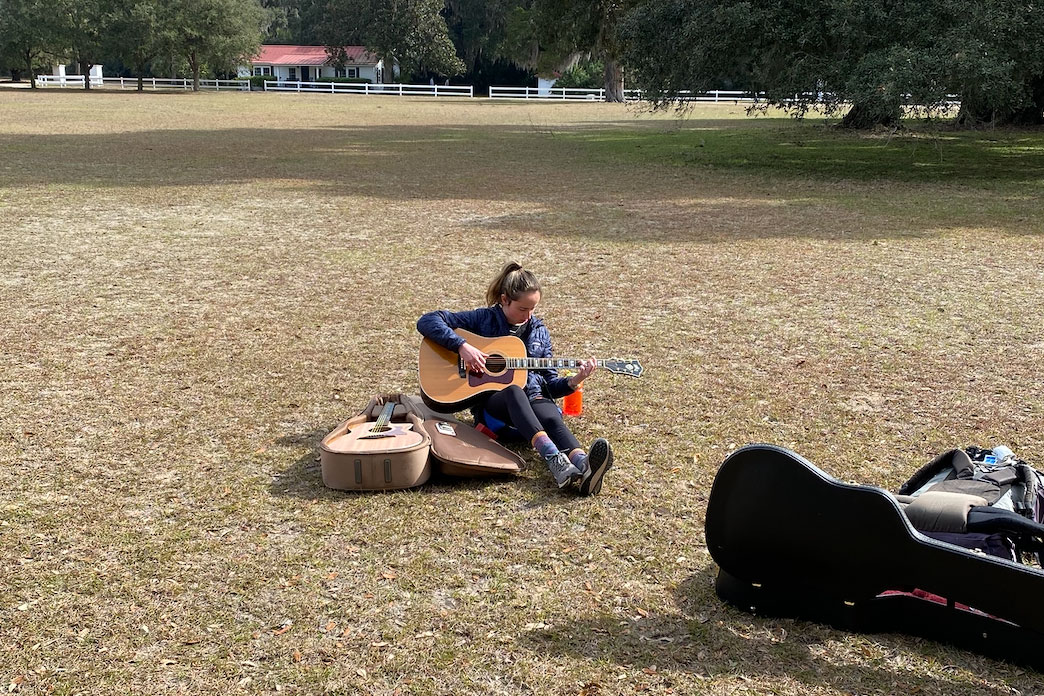
I’ve spent the last two months in Ohio, where I’ve been exploring another huge passion of mine: music! As everyone in the LAS community knows, I love playing the guitar and writing music. I’ve always loved to record music on my own, but I wanted to take it a step further, so I just finished up an internship in audio engineering and music production. It has been an incredible experience. I’ve spent a lot of time in the recording studio learning all about how to run sessions and mix and produce music. I can’t wait to take everything I’ve learned and start working on an album of my own.” – Maggie Broaddus
“After leaving LAS, I worked as a ski instructor out in Winter Park, Colorado. It was an amazing experience; it was really cool to be in the teacher role after learning from some of the best instructors at Adventure Treks. It was a lot of hard work, but I can’t complain too much when I got to be on the slopes seven days a week.”– Laura Kephart

Did LAS help inspire any goal for the near future?

“LAS definitely inspired me to ‘just do it.’ I had been set on continuing school last fall, even if it was online; however, LAS came up as an opportunity, so I thought, ‘let’s do it.’ A lot of challenges at LAS, from the rock climbing wall to mountain biking, inspired me to adopt a mentality of bravery. The 11 weeks at Adventure Treks also showed me how precious time is. I have noticed that I am living more in the present moment, rather than being so focused on my future that I miss the small beauties in the moment. This has been a huge goal in my life, especially for my gap year, and I feel that I am using these newly acquired skills in my decisions for my future and for all the activities I’m doing for the rest of the year!” – Mia Kauffman

“It’s easy to say that LAS inspired my whole lifestyle! At the surface, LAS created doubts and holes in my plan to pursue fashion. While fashion and creating clothing is still a huge part of my being, it doesn’t compare to spending hours making a fire. LAS reminded me that life isn’t about the materialistic things you put out into the world; rather, it’s the intangible ‘snip bits’ you take and release into the world that matters. Almost immediately after returning home, I revoked my acceptance to Savannah College of Art and Design and reapplied to Fort Lewis College in Durango, CO, for a future in adventure education.” – Adelaide Lenihan
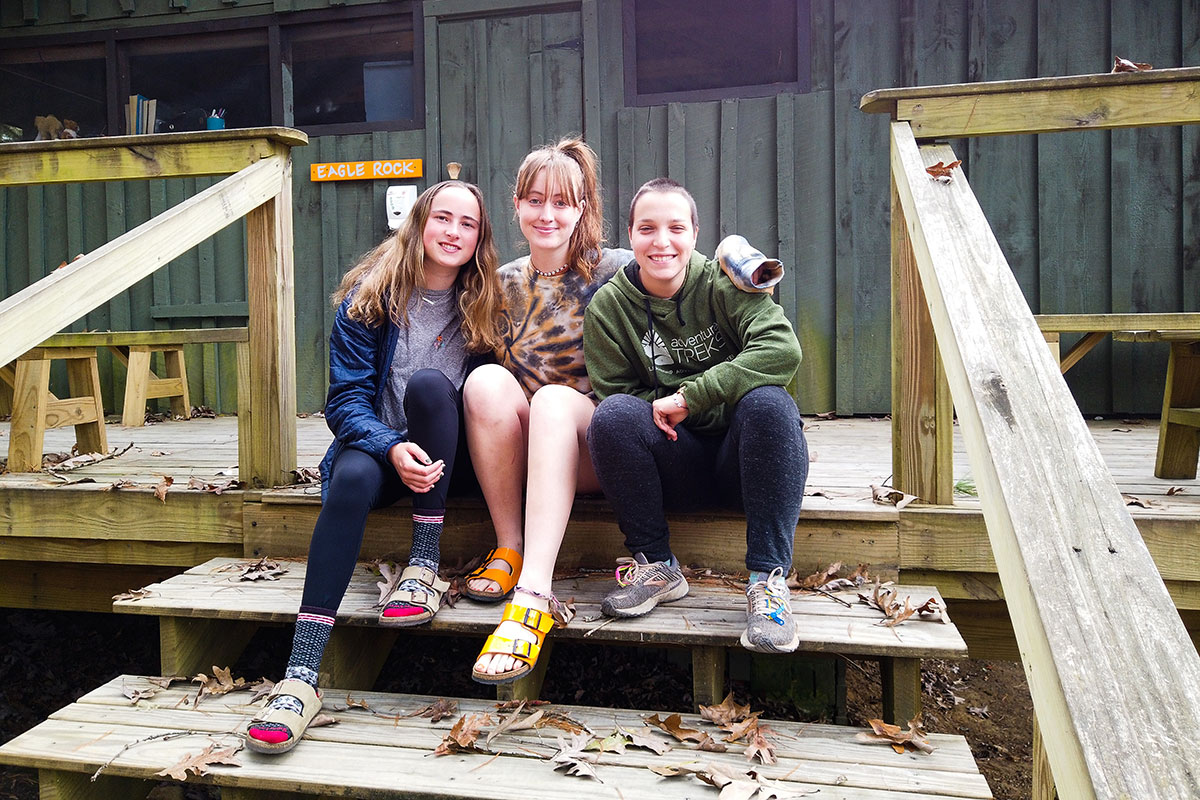
Maggie, Adelaide, and Tori during their LAS gap semester

“LAS had a major impact on everything I’ve done since the semester ended and on many of my future goals. The semester gave me such an appreciation for the outdoors, helping me realize how much I love being outside and backpacking, canoeing, and so many other activities. If it weren’t for LAS, I wouldn’t have met Adelaide, and I wouldn’t be heading out west to start my farming adventure. Adelaide and I are planning a lot of backpacking trips and many other outdoor adventures during our time in Oregon and Washington, and everything we learned at LAS has enabled us to do that. I also plan on taking everything I learned last semester and bringing it to college with me. Bowdoin has a very active outing club, and I can’t wait to jump in.

Most important, however, LAS infused me with confidence, and I am incredibly grateful for that. The supportive community we formed this fall was truly everything. We tackled many challenges together, and all of those rewarding experiences left me feeling more ready to go into the world. It left me feeling capable. The rest of my gap year has been filled with some wild adventures. In my EMT and audio engineering classes, I have been surrounded by people a lot older and more experienced than me. And before LAS, that would’ve really scared me. But the community we formed in our semester was so empowering that my confidence has allowed me to tackle everything thrown at me.” – Maggie Broaddus

“LAS has influenced my priorities in life. It showed me just how fulfilling it can be to not follow the traditional path in life, and I think it will end up affecting which major I decide to pursue while in school!” – Laura Kephart
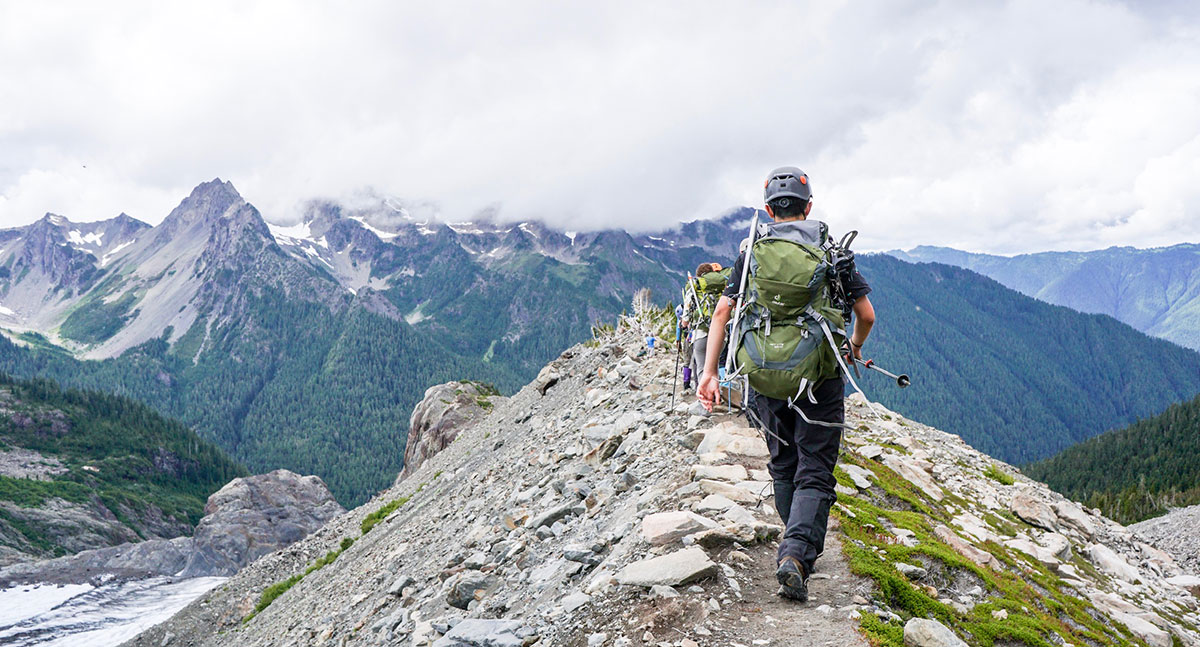
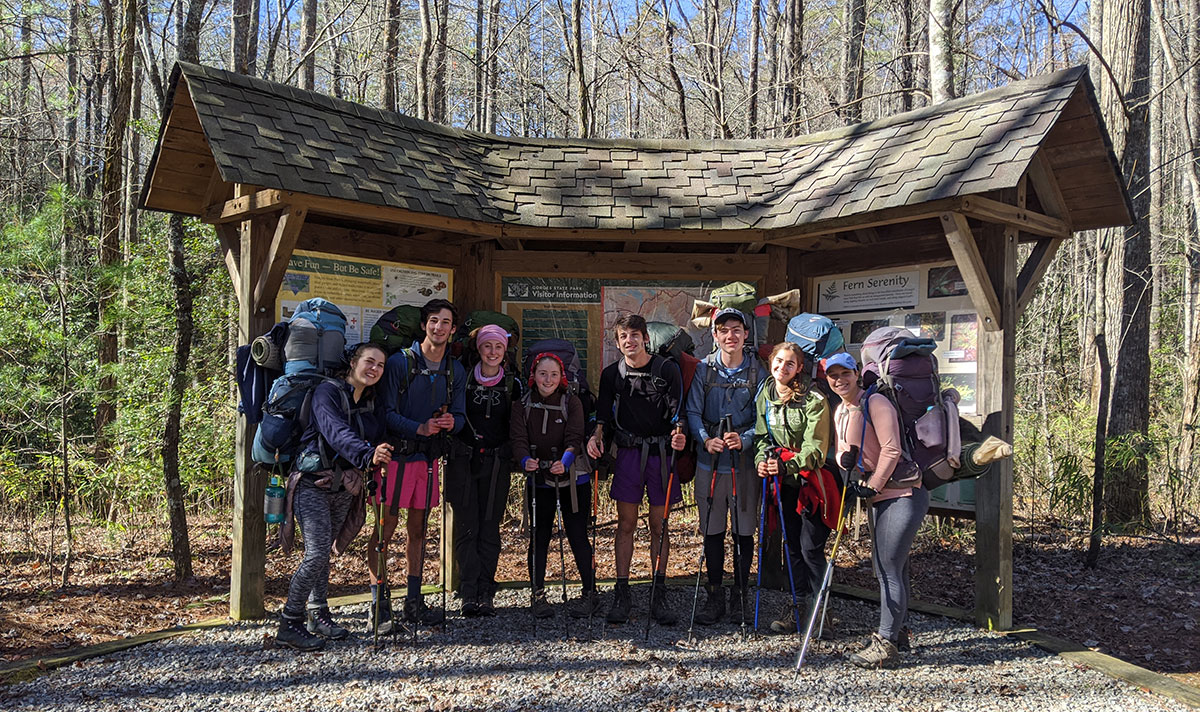
A few weeks ago, we published a blog by current Adventure Treks parent and private college advisor Daniella Friedman with some helpful tips about the college application process.

In part two of this series, Daniella, who guides students through the college search and application process, talks about how students can write about their Adventure Treks trips in their college essays and how backpacking help prepare students to transition to college.

Read “Helpful Tips for the College Application Process – Part 1”

How do you suggest students write about their backpacking trip in their personal college essay?

Most college application platforms require students to write a personal essay. The personal essay is the student’s primary opportunity to distinguish themself from a heap of other applications with similar GPAs and test scores. Given that few colleges give interviews, the personal essay is the primary way for a college to get to know a student beyond academics. Therefore, a student’s personal essay should positively reflect upon their character, strengths, passions, and uniqueness. Their essay should also reflect that they are likable—the kind of person who would engage on campus, make a good roommate, and help build a strong community. Of course, given that admissions officers are reading hundreds of essays a day, it’s also critical that the student’s personal essay be memorable and well-written.

In the Common App, which is the most popular college application platform, the student submits a personal essay that is 650 words or less. Although there are several suggested prompts, students can choose to write about a topic of their choice. Therefore, an essay about an outdoor adventure experience like Adventure Treks is always fair game. Taking backpacking trips demonstrates to a college that a student is down-to-earth, adventurous, and willing to embrace challenge.

Yet, the student must be careful to avoid turning an essay about their backpacking trip into a cliché. How? They should not write about their entire AT trip or their challenge in hiking to the top of a mountain. Instead, the student should focus on a smaller slice of their AT experience that’s unique to them. And then they should explain how this AT experience changed them.

Some additional tips for writing a powerful personal college essay:

  • Get started! The best time to write the essay is during the summer of your junior year.
  • Brainstorm topics. Picking a great topic is the key to writing a strong essay.
  • Outline the essay. This helps you to tell a story that has a beginning, middle and end.
  • Write and rewrite and rewrite. Write a draft, leave it alone for a few days, and repeat!
  • Tell a story that comes alive using specific details and vivid descriptions.
  • Avoid passive voice, wordiness, and nominalizations because they make your essay boring.
  • Be original and authentic! Don’t use cliches or fancy vocabulary that’s not you.
  • Read your essay aloud. This will help you find mistakes and awkward phrases.
  • Solicit feedback. Ask family, friends, teachers, or a college counselor for comments.
  • Proofread. Make sure you don’t have grammar, punctuation, or spelling errors!
How can students write about their backpacking trip in their supplemental college essays?

Besides the personal college essay, many colleges require students to answer supplemental essay questions. The quintessential college supplemental essay prompt asks the student to describe why that specific school is a good fit for them. If a student is applying to a school with lots of outdoor extracurricular opportunities, such as Colorado College, the student can write about how their AT experiences fostered a love of the outdoors. Likewise, if the student wants to pursue a major at a college that’s somehow related to the environment, they can write about how their AT experiences fostered this interest. Students can be creative in making this connection, and they can also use their AT experiences as the basis for answering many other supplemental essays, such as:

  • Describe an example of your leadership experience in which you have positively influenced others, helped resolve disputes, or contributed to group efforts over time.
  • Describe the most significant challenge you have faced and the steps you have taken to overcome this challenge.
  • Think about an academic subject that inspires you. Describe how you have furthered this interest inside or outside of the classroom.

The key is to answer the supplemental essay prompt using lots of specific details and vivid descriptions from the student’s AT experiences.

How will a student’s backpacking and outdoor adventure trips help them with the transition to college?

The transition to college is challenging, even for very bright and social kids. For many, this will be their first time living away from home, independently managing their time, organizing their belongings, cooking and cleaning for themselves, and taking care of their physical and mental health. Many students will need to adjust to a more competitive environment than they are accustomed to. And even the most social students may be challenged with finding their people or dealing with difficult roommates. Parents should talk to their children about the possibility that the transition to college may be difficult.

However, students who have taken backpacking trips with programs like Adventure Treks will likely have an easier time transitioning to college because they have already practiced many of these critical life skills. At AT, students gain experiences with living independently, managing their time and their belongings, and getting along with others for extended periods of time while living in a close community. They also have experience powering through challenging situations, relying on their peers for support, and admitting when they need help. This practiced independence and resilience will help them overcome challenges they will face during their freshman year of college.

For any additional help with the college search and admissions process, contact your partner in the college admissions process,
Daniella Friedman, J.D., college advisor
daniella@collegetogether.com
303-609-8636
collegetogether.com

It’s about time for high school juniors to begin working on their college applications. Knowing that high schoolers are faced with the constant pressure of juggling academics, different extracurriculars and clubs, summer programs, and athletics, we asked Daniella Friedman of College Together Admissions Counseling a few questions about the role that a program like Adventure Treks can play in the college application process.

Daniella’s experience as a private college advisor who guides students through the college search and application process also extends into the AT world—she has a high school junior who will took her fifth AT trip this summer. Daniella was kind enough to share some helpful tips for high school students who will soon embark on the college application journey.

How can a trip with Adventure Treks strengthen a student’s college applications?

Adventure Treks is a worthy experience in and of itself. Students learn grit, teamwork, and leadership, all while having fun and making lifelong friendships in the great outdoors. At the same time, participating in Adventure Treks can strengthen a student’s college applications in many ways, including enhancing their activity list and college resume, giving them something to write about in their personal statement and supplemental college essays, and obtaining a strong letter of recommendation from an AT instructor. (And starting in fall 2020, students can also demonstrate a passion for the outdoors and leadership while earning college credits by participating in Adventure Treks Leadership Adventure Gap semester program.)

How can students incorporate Adventure Treks into their list of activities?

College application platforms provide students with an opportunity to list their top 10 extracurricular, sports, work, and community service activities. Generally, students must identify the type of activity (e.g., academic, sports, community service, work, other), the name of the organization or program (e.g., Adventure Treks’ Pacific Northwest Adventure), their position/leadership role (e.g., president, member, participant), the grades they participated in the activity (e.g., 9th, 10th, 11th, 12th), the time period they participated in the activity (e.g., academic year, break), the hours per week and weeks per year they participated in the activity, and whether they want to participate in similar activities in college.

In the Common App, which is the most popular college application platform, students must describe each activity in 150 characters or less. That means students need to be concise yet detailed. Students’ experiences during an AT summer are ripe for using active verbs and descriptive adjectives that make an activity stand out. For example, a summer trip with AT to the Pacific Northwest could be described as follows in 145 characters (the name of the activity and the student’s role don’t count toward this character limit):

  • Adventure Treks Pacific Northwest Adventure, Participant
  • Backpacked through Pacific Northwest, including hiking, rock climbing, canoeing, kayaking, and whitewater rafting through
    national parks; summited Mt. St. Helens.
  • 40 hr/week, 3 wk/year

Some colleges also permit students to upload a college resume, giving them more space to go into detail about their activities.

Even if uploading a college resume is optional, students should always take advantage of this additional opportunity to describe their educational achievements, work experiences, extracurricular activities, community service, and skills. A resume is an excellent way for colleges to get to know a student beyond their grade point average and test scores.

How can a program like Adventure Treks reflect positively on a student’s college application?

Outdoor experiences like Adventure Treks demonstrate to a college that a student is down-to-earth, adventurous, and willing to embrace challenge. But colleges also like to see that students have “stick-to-it-iveness” and real passion. So while one summer spent backpacking with Adventure Treks looks good, several summers spent backpacking with Adventure Treks looks even better. Students list their activities in the Common App in order from most important to least important. Therefore, the more summers the student spent at AT and the more recent the student’s AT trips, the higher up the student should list AT on their activity list.

Students should keep in mind that connecting several summers spent at Adventure Treks with other related extracurricular activities is also important. For example, a student can join related school organizations such as gardening or ecology clubs, take related academic coursework such as environmental science, or obtain related certifications such as lifeguarding or a wilderness first responder.

Beware that a list of 10 unrelated extracurricular activities may demonstrate a student’s lack of commitment and sincere interest. It’s essential to submit a cohesive application that presents as authentic.

How else can a student’s positive experiences with a program like AT help them with applying to college?

Many colleges permit students to submit letters of recommendation from persons other than teachers. On an AT trip, students have many opportunities to learn new skills, connect with others, work as a team, and demonstrate leadership. These are the types of character traits that colleges are looking for in prospective students. Following an AT trip, students receive detailed instructor evaluations that comment on their personal growth, community contributions and friendships, leadership development, expedition behavior, and outdoor skills. These evaluations provide the exact type of detailed examples of strong character that make for the beginnings of a persuasive college letter of recommendation.

In part two of this blog series, Daniella will discuss how students can incorporate their Adventure Treks experiences into their personal statement and supplemental college essays and how Adventure Treks prepares students for the transition to college.

Your partner in the college admissions process,
Daniella Friedman, J.D., college advisor
daniella@collegetogether.com
303-609-8636
collegetogether.com