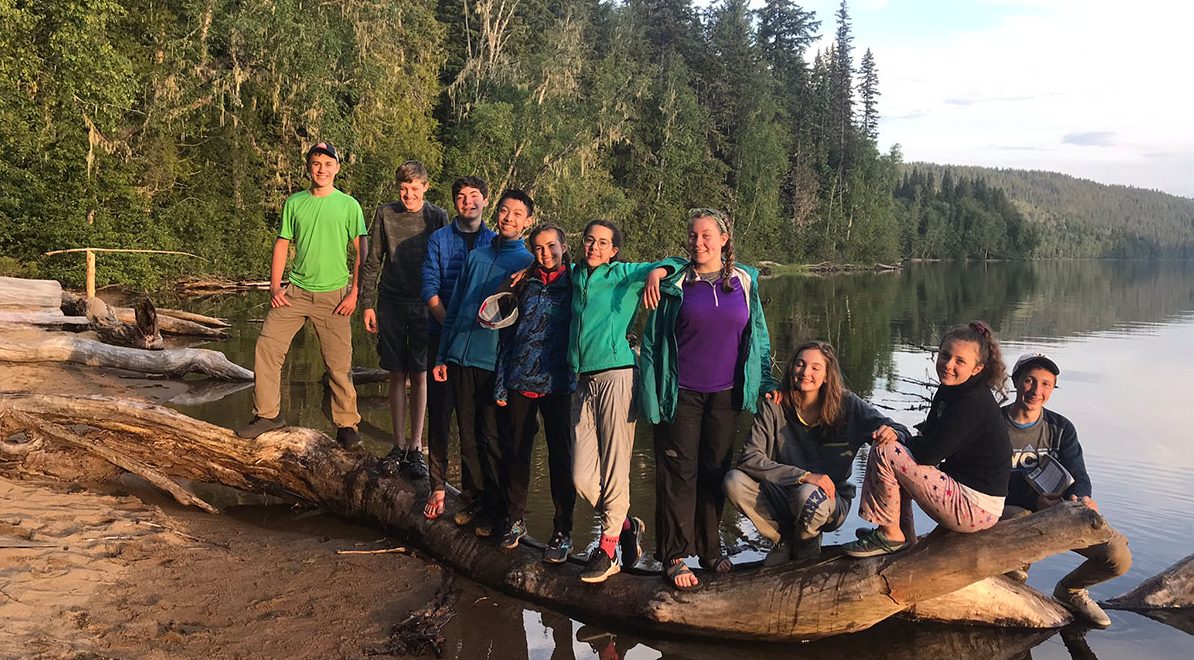
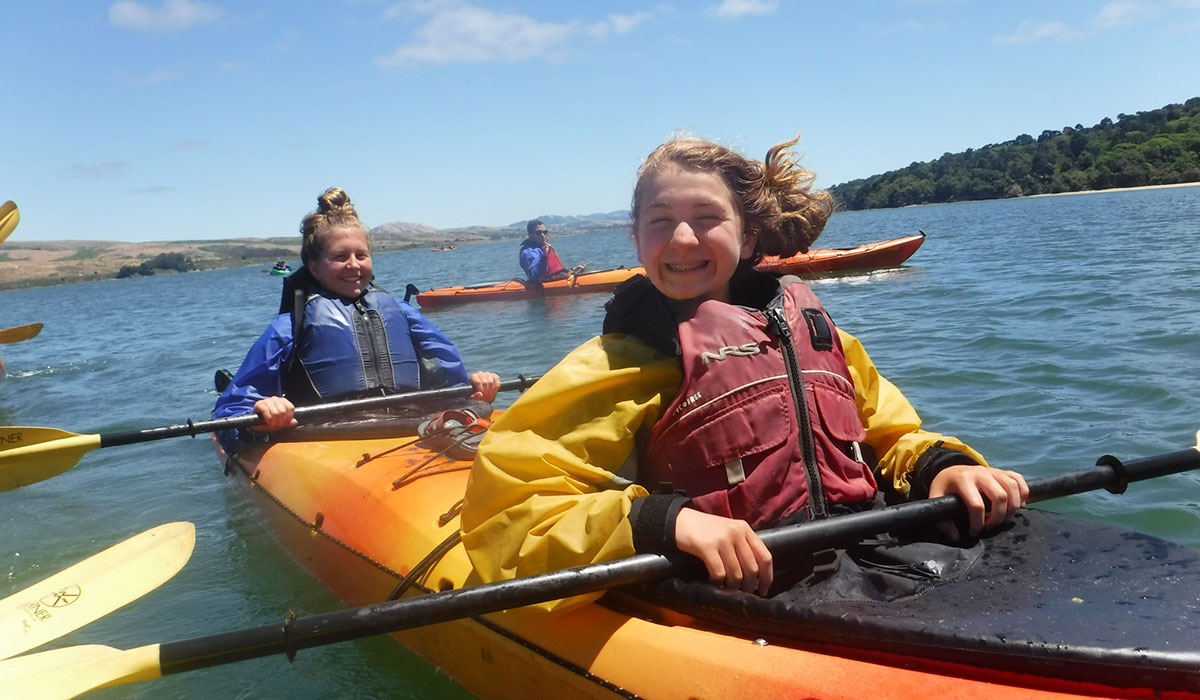
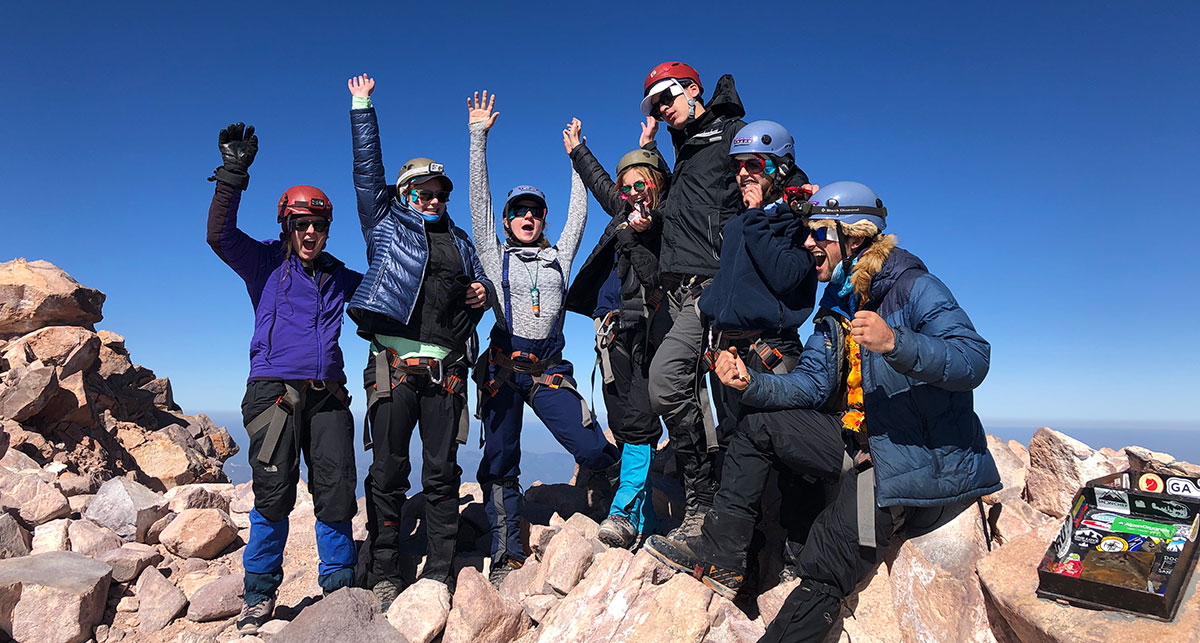
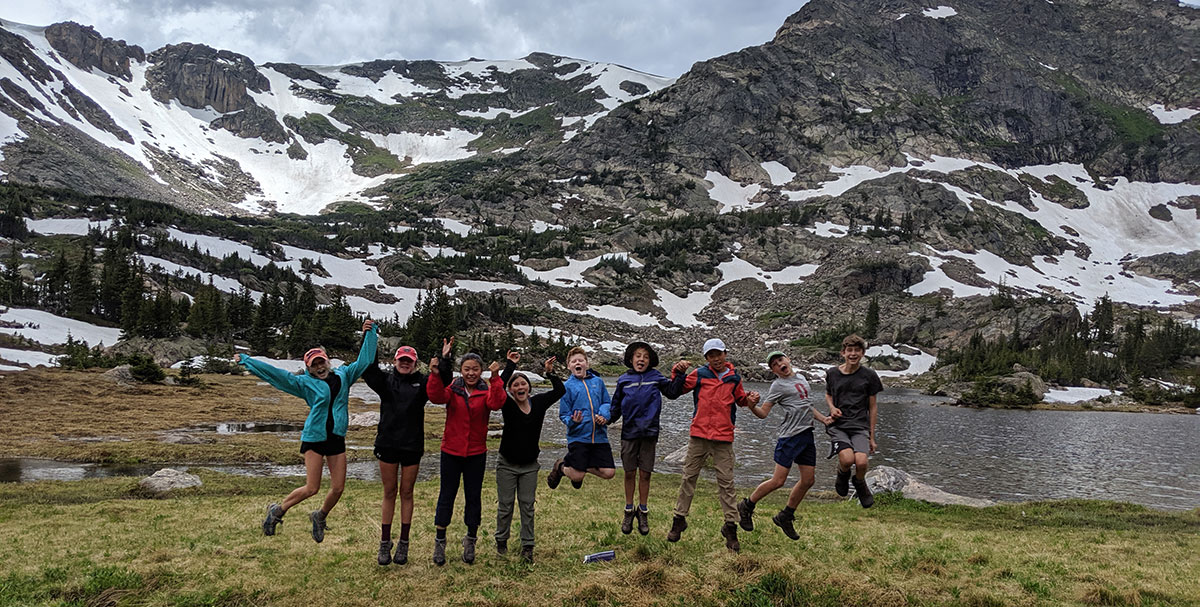
Our students will agree that Adventure Treks instructors are pretty incredible people. From planning 30-person meals for 30 days to fixing broken tent zippers to tending wounds to making sure we’re in the right place at the right time, AT instructors are constantly working to make sure our students are having the best and most fun summer program possible. This passion for empowering teenagers’ personal growth, fostering a fun and cohesive community, and exploring beautiful places with new friends is what makes our instructor team so strong and impactful.
Because our instructors are at the heart and soul of the Adventure Treks experience, we’d love for you to get to know them a little better. How did they end up at AT? What do they do in their free time? What are some fun facts people don’t know about them? We interviewed two of our summer 2022 instructors and are happy to share more about their lives below!
Courtney Johnson
What keeps you coming back to outdoor education and working with teenagers outside? The connections you make with the students and nature. Getting dirty, being drained of sleep, creating connections with students and staff, and life-long memories are some of the many reasons I am drawn to continue this work.
What is a favorite memory from last summer at Adventure Treks? One of my favorite memories was in Alaska. We were taking a break on our last backpack at this beautiful bridge. I had bought a stuffed animal otter that we named Prince William, after the place we sea kayaked. He had become part of our family. One of the students was taking care of Prince William and had set him on another student’s head for a cute photo. She, however, did not know this and as she looked up, Prince William escaped and went down the streams below. Everyone gasped, got up, and started running along the bank, except me. I started taking photos of him to honor his memory. Prince William was caught in a strainer for a couple seconds, before breaking free and moving further downstream. We almost lost him, but Connor had somehow spotted him, ran into the water, and retrieved him. We were all extremely happy that he was saved.
What do you do when not working at Adventure Treks? I just started working full-time as a medical receptionist and will continue to work my part-time job at a rock climbing gym! I love to rock climb, but I am scared of falling. I am going to try to go skiing this winter and not fall as much, and I am learning to sew and roller skate.
What you are hoping to learn over the next year? Communication is something I believe we are always developing and changing. We watch each other and pick up on their habits and behaviors. I am hoping over the next year to develop better ways to communicate and listen to others. My first step is to continue to work on tuning out the voices in my head that like to talk over people who are talking to me.
Fun fact? I recently watched Star Wars and Pirates of the Caribbean for the first time! Harry Potter and Lord of the Rings are still on my “must watch” list!
Daniel Clifford
What keeps you coming back to outdoor education and working with teenagers outside? Overcoming challenges together, some of which my students (and myself) weren’t sure we could take on!
What is your favorite memory from last summer at Adventure Treks? Summiting Mt. St. Helens! The magical trek through the dark forest from basecamp before dawn to the rocky, lifeless slopes as the sun began to rise, illuminating our path and the surrounding mountains, to the slog up the infamous vertical beach! Sharing the range of emotions as we climbed from sleepiness to determination to despair to euphoria and then the reverse order on the way back down was very special. I was so proud of my group for making it, and I could see very quickly how much they had grown having overcome that.
Do you have any exciting life plans for the near future? I am heading to Costa Rica for three months to get my PADI divemaster certification, the first level of becoming a professional diver. This is something I have wanted to do for a long time, having always been fascinated with coral reefs and having worked in marine conservation around the world. This will hopefully open up lots of avenues for me, including greater opportunities to work in marine conservation and in the diving industry.
What is a book or article you read recently that really stuck with you? I was captivated by Touching the Void, the well-known story about the first attempted summit of Siula Grande and the unlikely survival of Joe Simpson in getting down the mountain. Reading the book really made me feel like I was there with him… I couldn’t imagine overcoming what he did.
https://d52gwxhjtzjcm.cloudfront.net/2025/01/PXL_20220708_225140820-Courtney-Johnson-1200.jpg6751200AT Staffhttps://www.adventuretreks.com/wp-content/uploads/2025/02/AT-logo-white-NEW.pngAT Staff2022-12-01 15:47:282025-12-28 16:51:28Staff Spotlight: Daniel Clifford and Courtney Johnson
By Katie Stevens, Adventure Treks Leadership Adventure Semester 2021 alum
Our Leadership Adventure Semester students seeking college credit submit an essay as part of their academic requirements. Katie Stevens, who attended our summer 2021 Leadership Adventure Semester in the Pacific Northwest, wanted to share her essay and experience with the Adventure Treks community.
Before this trip, I’d spent a year and a half indoors. I spent countless monotonous days staring at screens until my eyes hurt. Now, after 42 days of authentic, meaningful interpersonal communication and daily challenges that required me to push myself mentally, physically, and even spiritually—I feel like myself again. I was completely grounded and humbled by the sheer majesty and intricacy of the natural world, and now I feel this sense of personal responsibility to treat the Earth with respect and gratitude. I feel so much more connected to other people in general. Without the distraction of technology, I felt like I could communicate with others with an openness and authenticity that I have yet to experience in the “real” world. On top of that, I feel I have learned so many useful skills that have turned me into a capable and confident leader and outdoorswoman.
As much as I want to talk about how I developed an all-consuming passion for rock climbing (I already bought my annual pass to a rock climbing gym near my college campus), or about the theatrics of the wilderness first responder course, or about the river zipline I got to help create during our swiftwater rescue course—I feel like the entire trip served to prepare us for the capstone student-led backpack in the Goat Rocks Wilderness.
I was honored (and a bit terrified) when I found out that our trip leaders (Zach and Chenchen) had chosen me to be one of four designated student leaders for the backpack. I felt reasonably capable with the rescue certifications under my belt and lots of experience backpacking in North Carolina, but after doing some research with my partner, James, we could tell that this trip would have the most difficult and rugged terrain yet. We learned how to read topographic maps and planned a route, taking extensive notes about weather, terrain, and potential evacuation routes once we learned that two students suffered potentially problematic injuries in the days leading up to the trip. We helped plan the meals and calculated the necessary amount of food for the two groups. After shopping, the designated leaders had a lengthy and private conversation about group dynamics, and we chose the people whose strengths and weaknesses seemed to balance out well. Then we gathered all the necessary gear and food, and we sorted appropriate amounts into each student’s backpack.
Once we got on the trail, we noticed that one of our students struggled a considerable amount physically. Despite keeping a steady pace, this person came up to James and myself and mentioned that they weren’t sure if they could make it through the rest of the backpack. This student needed to take frequent breaks, and due to the near unbearable amount of bugs flying around—as well as some severe blisters, and a general desire from the rest of the group to move at a faster pace—I sensed a rift forming in the group. After finding a nice place to rest, James and I tried to use a satellite device to communicate with Zach and Chenchen and potentially come up with a less difficult route or an evacuation plan. Unfortunately, due to permits and logistical difficulties, we told this student that we could evacuate them, but they would have to go home and miss the rest of the trip—or they could finish the backpack per the pre-planned route. The student didn’t want to leave, so they felt a newfound determination to push themself, and James and I committed ourselves to coming up with new strategies to help him get there and keep the group morale up.
To solve this issue, we started to switch up the pace-makers throughout the day, and we kept James or myself in the front and back to make sure we all stayed together. We started to take breaks every hour, so everyone knew when they would take place, and we clipped our water bottles on the front of our pack so we could more easily stay hydrated. We also tried to make the trail conversations more inclusive and engaging. We sang, played games, and engaged in debates to keep our mind off the physical difficulty. These strategies got the student to push themself more than ever before, and they expressed an immense pride they felt.
Aside from the interpersonal challenges, we navigated high winds, light rain, bugs, blisters, sprained ankles, countless fallen trees and other trail obstructions, skree-covered trails with steep drop-offs, and heat with relative ease due to preparation from the rest of the summer. We’d learned how to cook over a gas stove, abide by Leave No Trace principles, how to scope out a good campground, and set up tarps and tents. I cannot wait until I can take some of my friends out on my own backpack here in North Carolina.
I went into this trip with a fair amount of outdoor experience, but I was thrilled to really hone my skills, especially with rock climbing, knot-tying, and navigation. I was a bit surprised by how much I loved my wilderness first responder course. I found it completely fascinating and fun, even though it was similar to a school setting. After some discussions with our instructor, I can see a future career path as a first responder or as an EMT in general. I feel like I saw the most growth in my abilities as a leader. I’m generally a pretty go-along-get-along kind of person, but during this trip, I was forced to make some difficult decisions involving my friends. At one point, I had to put the safety of others and the wellbeing of the group as a whole above need to be liked. I had to have a difficult conversation about a behavior issue, but after the conversation, everyone seemed so much happier and my friend was happy I brought it to their attention. Those kinds of conversations and decisions were the hardest part about being a leader, but I feel much more confident in my ability to navigate those situations now.
I know this essay is a bit long, but I could write entire encyclopedias about all that I took away from Adventure Treks. I am beyond thankful for my summer in the woods, and I know I will carry these memories and lessons with me for a lifetime.
Adventure Treks’ inaugural Leadership Adventure Semester in fall 2020 exceeded even our highest expectations. This phenomenal group of students formed one of the closest, most inclusive, and most respectful communities we have ever witnessed, and their desire to learn and grow was extraordinary.
Since leaving Adventure Treks, all of our students have embarked on impressive paths, which we share in part one of this blog below!
An Adventure Treks LAS reunion on the slopes.
What have you been up to since LAS ended in November 2020?
“I spent time in Pittsburg working on a native reforestation project. There, I helped the owner of the land cut cages for plants, and I helped remove invasive species. I also relocated a lot of rocks to a nearby creek. It was a little chilly, so I decided to move south to Mason, TX, where I am working on a vineyard—and it’s amazing!
Recently, I learned how to prune the grape vines before harvest season. I’ve been here for about a month and spent most of the time helping rebuild part of the vineyard because of the huge snowstorm that hit Texas this spring. We patched up the drip lines (so the vines get water), and cut down a lot of damaged vines from the freeze. We’re hoping there won’t be another freeze this season. I’m really enjoying my work at the vineyard because I’m thinking about majoring in biochemistry and possibly having a career in the plant world.
After the vineyard, I’ll go on a month-long backpacking and canoeing trip in Utah with Outward Bound. I loved the canoeing and backpacking part of LAS, so I wanted to find another opportunity where I can continue those cool activities. I promised myself that I would never go into the backcountry during November again, so hopefully, April will be a lot warmer!” – Mia Kauffman
Backpacking on Cumberland Island, GA
“Since LAS ended, I’ve continued making bathing suits at a local company; in fact, I have designed and created my own bathing suit start to finish! I have also seen a few of my LAS buddies (Jordan, Max, Matt, Maggie, Gio, and Jacob) on a trip to Utah. Then I met up with Laura for a few hours up in Boulder to live out our plan of going thrifting together. Those are the most notable highlights because of course they involve my new buddies. It’s been equally relaxing and unnerving being here at home, but it’s been great spending time with my family and having the ‘freedom’ to do a small amount of traveling. I also purchased my first real backpack, an Osprey Aura AG 65!” – Adelaide Lenihan
“I’ve gone on a few adventures. Last fall at LAS, the word “adventure” meant whitewater canoeing or mountain biking in Pisgah National Forest. But this time when I say adventures, I mean something a little different. Getting my WFR this fall in North Carolina was an incredible experience filled with challenges, and we all graduated the class with a set of helpful skills. I knew that I wanted to “up” my certification and become a full-fledged EMT, so I took a wilderness EMT class in New Hampshire. It was super cool, and I used all of my skills from this fall in my WEMT class. I learned so much, and as a licensed EMT, I am going to work for an ambulance corps in New York and Maine this summer.
After my EMT class, I channeled my inner LAS and went on a backpacking adventure with my dad along Cumberland Island National Seashore in Georgia. I love backpacking and hiking, and getting to experience some peaceful days in the woods took me back to my time at LAS.
I’ve spent the last two months in Ohio, where I’ve been exploring another huge passion of mine: music! As everyone in the LAS community knows, I love playing the guitar and writing music. I’ve always loved to record music on my own, but I wanted to take it a step further, so I just finished up an internship in audio engineering and music production. It has been an incredible experience. I’ve spent a lot of time in the recording studio learning all about how to run sessions and mix and produce music. I can’t wait to take everything I’ve learned and start working on an album of my own.” – Maggie Broaddus
“After leaving LAS, I worked as a ski instructor out in Winter Park, Colorado. It was an amazing experience; it was really cool to be in the teacher role after learning from some of the best instructors at Adventure Treks. It was a lot of hard work, but I can’t complain too much when I got to be on the slopes seven days a week.”– Laura Kephart
Did LAS help inspire any goal for the near future?
“LAS definitely inspired me to ‘just do it.’ I had been set on continuing school last fall, even if it was online; however, LAS came up as an opportunity, so I thought, ‘let’s do it.’ A lot of challenges at LAS, from the rock climbing wall to mountain biking, inspired me to adopt a mentality of bravery. The 11 weeks at Adventure Treks also showed me how precious time is. I have noticed that I am living more in the present moment, rather than being so focused on my future that I miss the small beauties in the moment. This has been a huge goal in my life, especially for my gap year, and I feel that I am using these newly acquired skills in my decisions for my future and for all the activities I’m doing for the rest of the year!” – Mia Kauffman
“It’s easy to say that LAS inspired my whole lifestyle! At the surface, LAS created doubts and holes in my plan to pursue fashion. While fashion and creating clothing is still a huge part of my being, it doesn’t compare to spending hours making a fire. LAS reminded me that life isn’t about the materialistic things you put out into the world; rather, it’s the intangible ‘snip bits’ you take and release into the world that matters. Almost immediately after returning home, I revoked my acceptance to Savannah College of Art and Design and reapplied to Fort Lewis College in Durango, CO, for a future in adventure education.” – Adelaide Lenihan
Maggie, Adelaide, and Tori during their LAS gap semester
“LAS had a major impact on everything I’ve done since the semester ended and on many of my future goals. The semester gave me such an appreciation for the outdoors, helping me realize how much I love being outside and backpacking, canoeing, and so many other activities. If it weren’t for LAS, I wouldn’t have met Adelaide, and I wouldn’t be heading out west to start my farming adventure. Adelaide and I are planning a lot of backpacking trips and many other outdoor adventures during our time in Oregon and Washington, and everything we learned at LAS has enabled us to do that. I also plan on taking everything I learned last semester and bringing it to college with me. Bowdoin has a very active outing club, and I can’t wait to jump in.
Most important, however, LAS infused me with confidence, and I am incredibly grateful for that. The supportive community we formed this fall was truly everything. We tackled many challenges together, and all of those rewarding experiences left me feeling more ready to go into the world. It left me feeling capable. The rest of my gap year has been filled with some wild adventures. In my EMT and audio engineering classes, I have been surrounded by people a lot older and more experienced than me. And before LAS, that would’ve really scared me. But the community we formed in our semester was so empowering that my confidence has allowed me to tackle everything thrown at me.” – Maggie Broaddus
“LAS has influenced my priorities in life. It showed me just how fulfilling it can be to not follow the traditional path in life, and I think it will end up affecting which major I decide to pursue while in school!” – Laura Kephart
https://d52gwxhjtzjcm.cloudfront.net/2025/01/LAS-reunion-skiing.jpg8001200AT Staffhttps://www.adventuretreks.com/wp-content/uploads/2025/02/AT-logo-white-NEW.pngAT Staff2021-04-19 18:42:022025-12-09 11:56:30Where Are They Now? Catching Up with 2020 Gap Semester Students
Hello all! My name is Brandon Schoenfeld, and I am a four-year Adventure Treks alum (and currently working at Camp Pinnacle for my first summer as a counselor!). In 2019, I took my last trip, Leadership Summit, with some amazing friends and fantastic instructors. In recent months, many of us found ourselves missing our beloved AT community and were simultaneously concerned for the many students who unfortunately could not return to our second home with no choice or say in the matter due to COVID.
So my fellow alumni and I reached out to the Adventure Treks office to see how we could help, and we decided the best way was to write to future, current, and past members of the AT family. It is our goal to both share what AT means to all of us and what we have learned, and also to remind everyone of the warmth of Adventure Treks and why now, more than ever, experiences and communities like this are critical.
So without further ado, meet Magdalena Arias, Trey Morris, Claire Olson, Ali Pensky, and Sophia Trone—all fellow members of the Leadership Summit 2019 family!
Brandon Schoenfeld (4 trips, 2015–2019; University of Vermont)
Lessons I’ve learned
It is made clear from the beginning that at Adventure Treks, sometimes things are out of our control and we will be forced to re-schedule, modify, or occasionally cancel a part of a backcountry trip. For me, the first time I experienced this was on my first trip in British Columbia (highly recommended!), when we got bogged down by rain during our Wells Gray backpack. We reworked our itinerary to a day hike to nearby Battle Mountain; unfortunately, halfway up the mountain, the rain returned and we had to turn back. In the end, it was a day spent in the tents playing cards. Think the day was ruined? Absolutely not! Clever instructor magic mixed with a set of Monopoly Deal cards made this day one of my favorite memories. On my third trip in Alaska, I unexpectedly learned the entire history of Whittier, AK, because weather pushed back the start time for our Prince William Sound kayak, so we spent the time at the town museum.
As a member of the class of 2020, I, like many others, have lost many “final things.” Despite what I may say to my mom, this hasn’t been easy. I have lost out on my graduation, my last school show, my last youth group weekend, and countless traditions and culminating experiences that seniors are supposed to enjoy. This “stolen from you” kind of loss can leave you angry and resentful. But I cannot say I have actually felt that way. Don’t get me wrong—I am sad. I’ve had my fair share of tears. But I’ve made peace with the situation, the most valuable skill I learned at Adventure Treks. I now embrace loss as an opportunity and work the situation as well as I possibly can. Adventure Treks taught me to accept, embrace, and even benefit from loss and move forward. In short, AT taught me how to make peace.
What AT means to me
Despite this blog being my idea, I struggled with this prompt. Adventure Treks means so much to me in so many different ways, and finding the words to capture that felt impossible. As a 14-year-old, I was socially awkward and pretty timid. While I was excited about the idea of an AT trip, flying across the country alone and making new friends was more than a little overwhelming. When I landed in Seattle for my first trip (British Columbia) and was met by instructor Kiko Sweeney (who I would go on to have three trips with) jumping up and down and waving decked out in full AT gear, I knew I was in for an experience unlike anything I had ever had.
Within hours, I had made friends that I felt closer to than some kids I had known my whole life. That trip opened me up and showed me the world outside of the mid-Atlantic bubble I had grown up in. Over the following three summers (Ultimate Northwest, Alaska Expedition, and Leadership Summit), I would go on to climb mountains (shoutout to Mt. Adams for being the best/worst experience of my life), whitewater kayak, ice climb the majestic Matanuska Glacier, and follow an ecosystem from the summit of Mt. Olympus down the Hoh River all the way to the Olympic Coast. All of this I did with fantastic communities who would go from strangers to family in a matter of days.
Recently, I met up with Kiko for coffee when she happened to be in town. Last fall, during a layover in Atlanta, Pierce Jenkins drove to the airport at 4 a.m. to catch up and hang out for an hour. Over winter break, I was in Orlando with family and got to meet up with Trey Morris, Liam Kugler, and Ali Pensky to spend the entire day on the beach. When I met Owen and Samantha Rice, both AT students, at youth group a while back, having never been on a trip together, we were instantly bonded as if we had been friends for years. The list of these impromptu reunions goes on and on, girded by the chance for an impromptu hike with Sophia Trone, Becky Barsky, and Kyle Crichton (who live in the neighborhood). So, is my AT adventure over? Clearly not! In some ways, it’s only just begun. The lifelong bonds have provided me with a loving family that I have and will forever be able to count on. To me, Adventure Treks means family.
Magdalena Arias (5 trips, 2015–2019; Williams College)
Lessons I’ve learned
One of the biggest things Adventure Treks has taught me through the years is how to develop friendships and companionships with other people. Interacting with brand-new people every summer has made me less shy and more open to new experiences. It’s also taught me how to maintain those friendships once the summer is over, something I’ve found to be so useful in both my Adventure Treks and high school friendships now that I’m at Williams. Because of AT, I’ve also become really good at understanding group dynamics and how my actions impact other people. At home, I’m now much more aware of others and what I can do to improve situations of conflict. And being from Panama, Adventure Treks has improved my English!
What AT means to me
Adventure Treks is, and has been in many ways, the companion to my adolescence. It was the summer friend, the one I could forget my troubles from back home with, even if it was just for what felt like a fleeting moment. But however short, however fleeting, every summer at Adventure Treks was witness to some of my largest personal growth. Adventure Treks is the net that caught me and sent me back up, higher and higher each time. It’s the reason I’m not afraid to jump high, because even if I know I might fall, I also know I can pick myself back up and try jumping higher each time.
Trey Morris (4 years, 2016–2019; U.S. Military Academy West Point)
Lessons I’ve learned
Adventure Treks is not something that ends with the conclusion of your trip. It is something each and every one of us carries through our daily lives. AT has had a profound effect on who I am and what I am going to do with my life. Starting from my very first AT trip five years ago, I learned that happiness is not merely derived by doing what is comfortable and, at that moment, “fun.” It instead can be found by doing what is difficult. In high school life, this meant I pushed myself to my limits daily in my athletics (cross country and track), because I discovered that there is no better feeling than knowing I put everything I had into pursuing my goal. That feeling is one I found on my first backpacking trip while my smile chattered from the cold as I gazed happily down from the peak of Mt. St. Helens.
However, it is nothing considered to the community I discovered. Adventure Treks became my first “home away from home.” It’s a community where everyone supports one another, and we all cooperate to help everyone succeed. For example, I’ve witnessed friends stealthily taking the weight from one another’s backpacks—not for any credit, but just to help out those who were struggling. It is that familial bond that makes AT so special, and that which I carry with me the most at home. Reminiscing about the selflessness shown everyday at AT inspires me to try to mirror that in my everyday life.
What AT means to me
Adventure Treks is more than an experience. It is a community and way of life. I still talk to the same friends I made almost five years ago. The friendships forged through a month at Adventure Treks feels like those that take years to create. They also are what I remember and love most about my trips.
In comparison, summiting mountains, backpacking through Alaska, and ice climbing a glacier are all inconsequential. Being blessed to be a part of such an incredible community has been one of the greatest privileges of my life. I will forever be thankful to have experienced such amazing adventures as a part of the forever open and uplifting Adventure Treks community.
To call AT a formative experience would be an understatement. AT taught me more about myself than I think I’d like to know. The four trips I did showed me every part of myself, and taught me to love every bit of it—even the parts I’d rather forget. Pushing myself into experiences that at the time were so outside of my comfort zone taught me that I was stronger than I ever thought I could be, and capable of the most incredible things. I know the friends I’ve made over the last four years are for forever. They proved to me that I could show everything, even the ugly bits of myself, and still be loved. AT was one of the first times I felt truly understood and accepted, and I love my outdoor family more than anything. It’s amazing to me that trips like this can foster friendships that last forever after just a month. My friends taught me how to not only trust others but trust myself as well, and for that I am eternally grateful.
I have brought so many of my leadership skills from AT home. For one thing, they have made group projects significantly easier. I used to feel awkward and bossy in leadership roles, and worry about how I was perceived by my peers. But after going to AT, I’ve learned to embrace my confidence and leadership ability. In addition to that, AT has taught me how to deal with really hard situations. Whether it’s alpine starts for summit attempts or an unplanned stomach virus quarantine (jeez, that was a sign for sure), AT taught me one of the most important survival skills I’ve ever learned: embrace the suck. Sometimes stuff really sucks, and you just have to embrace it and stay positive. I remember that at least four times a day in quarantine.
Thank you so much, AT, for everything. <3
Ali Pensky (6 trips, 2014–2019; American University)
Lessons I’ve learned
The four main lessons I learned at Adventure Treks are that you should hang out with people that make you happy, go outside as much as you can, lead by example and vocally, and cook.
At AT, the community is strong due to the fact that everyone feels comfortable being themselves. We are just a bunch of kids trying to adventure outside and get to know the people around us on a deep level. When I go home after an AT trip, I try to take with me the mindset of hanging out with people who challenge me and who I feel comfortable around.
Before AT, I liked being outside, but my family is not very outdoorsy. AT brought out my love for everything outside. It also taught me how to be a leader, whether that means bringing positive energy to a rainy day of backpacking or participating in a group discussion.
After AT, I started combining random ingredients and cooking it on the stove, like we sometimes do at AT. For the most part, it turns out pretty well! I will always be thankful for my time with AT and all I learned.
Sophia Trone (3 trips, 2017–2019; Williams College)
What I’ve learned
One lesson I learned at AT is how to problem-solve in a group setting. In the food crew on Leadership Summit, we planned meals and grocery shops with our instructor, Jake, acting as a supporting member of the team—not the instructor. Jake took a step back and was there to answer questions, but he let us problem-solve together to learn about the responsibilities of buying food for a backpack and for frontcountry meals.
I also learned how to handle disappointment in a mature way. Forgetting snacks and other meal ingredients on a backpack is disappointing, but we made the best of the situation and chose to not complain; instead, we knew to bring more snacks and double-check our bear cans for the next backpack.
Lastly, I learned how to befriend new people quickly. During my first summer, I did not know anyone prior to the trip. However, on the first day I quickly started talking to people and made new friends.
I have taken these lessons with me to high school and beyond. AT has taught me how to work efficiently and disagree respectfully in groups. Learning about how to handle disappointment is imperative for college decisions and other grades, and it helps me realize that these measures do not define me as a person. I have emerged from AT much more social and confident than I was before, and I am excited, not scared, to meet new friends in college.
What AT means to me
AT is a place where I have fun with my best friends in a beautiful wilderness setting. Before AT, I was not outdoorsy and had never slept in a tent before. Now, I dream of hiking the Long Trail, planning more backpacks with friends, and enjoying my college’s outdoor program. AT is a great place to meet a ton of new friends without the distraction of technology. Whenever I think about my time at Adventure Treks, I smile, remembering all of the great memories I have experienced. Visiting friends I met at AT is incredibly special, and we fondly recount memories from past trips and make new ones.
One of my fondest memories from Alaska (my second trip): Rappelling down too fast, I lost my footing and found myself hanging upside down on a glacier. Fortunately, my harness was secure and connected to the anchor embedded in the 10,000-year-old ice. As my eyes moved from the steep drop to the pool of water below, I felt a sense of panic. It was a beautiful landscape, but at that moment, I was not interested in beauty, just survival. Immediately, the ice climbing guides began lowering me to safety. My trip leader came over to encourage me to try again. This scene perfectly encapsulated why I love the outdoors: it’s a place where I can encounter the unexpected, meet challenges, learn new skills, and see the world in a new light.
In recognition of my struggles and the sheer volume of my blood-curdling scream, I was nominated for “Jerry of the day,” which is a way to playfully recognize the biggest fail of the trip. My instructors also recognized my perseverance in the face of a difficulty and my willingness to push past fear and try the climb again. It was a reminder of the greater lessons to be learned in challenging situations and made me understand that sometimes I must take a risk in order to reach new heights.
The outdoors contains many challenges, but they are also a source of balance and calm for me. Shinrin-yoku, the Japanese phrase for forest bathing, is the process of walking in the outdoors, a process that improves one’s health and mood. Being in nature is my time away from technology and social media, and a way to gain a better understanding of how life works. Through my time outdoors, I have learned about animal and plant life. For example, I have learned to avoid cow parsnip in the sun. (A person can develop second-degree burns if the juices of an Alaskan cow parsnip plant touches uncovered skin that is later exposed to the sun.) When I am outside, I feel calm, yet eager for discovery. I become renewed and can see the world in its many contrasts.
I have joined groups to explore the outdoors from Alaska to New Zealand to California and back home. I have hiked up and down the West Coast. In addition to conquering the physical demands of trails, being in the wilderness has taught me how to make friends with all kinds of people. The telling and retelling of stories is an important part of these trips and creates lasting memories. Listening to others’ adventures reminds me that I am not the only one who has felt fear while crossing a cold and raging river, or the only one who has had to overcome exhaustion on a long backpack. By sharing our stories, we formed a bond as strong as the rope that connected me to my ice climbing guide on that Alaskan glacier, and those bonds remind me that I can overcome fear and doubt, and climb ever higher.
As I consider my love for the outdoors, my mind wanders about how I can incorporate my passion into my college studies. In my high school AP French class, I created a video that examined the French and American government’s response to climate change and researched how rising temperatures could lead to dramatic flooding. The project inspired me to adopt more of a global perspective on international issues. I now see myself pursuing environmental science and taking a multifaceted approach to understanding climate change. Despite political differences, we must remember that care and understanding of our environment is a global issue. I am excited to pursue the sciences and discover more about our physical world.
https://d52gwxhjtzjcm.cloudfront.net/2025/01/Ali-2.jpg602927AT Staffhttps://www.adventuretreks.com/wp-content/uploads/2025/02/AT-logo-white-NEW.pngAT Staff2020-06-25 16:35:452025-12-28 16:39:40Why Adventure Treks is More Critical Than Ever: Thoughts from AT Alumni
Making the decision to embark on an Adventure Treks trip for the first time can be a little unnerving and scary; after all, many of our new students have never done an outdoor trip before! We applaud our students’ choices to step outside of their comfort zone to do something completely new, including meeting new people from all over the country and world; trying outdoor activities like mountain biking, mountaineering, rock climbing, and backpacking; and living in a close community for two to four weeks at a time.
We recently asked our returning students and parents and alumni for their best advice for new students coming to Adventure Treks for the first time. As usual, they delivered with heartfelt, thoughtful comments! Below is part 3 of our advice series.
Any advice for packing and organizing the duffel bag?
“Use Ziploc bags or stuff sacks to organize different types of clothing and activities; this is really helpful when doing laundry and packing for different activities.” – Alex F., student from Winnetka, IL (2 trips)
“Keep your pants, shirts, underwear, socks, and jackets all in separate stuff sacks, and pack extra Ziploc bags for wet items. On the trip, put all your clothes in a trash bag in case it rains and the tarp doesn’t get put up in time. If you can get most of your clothes washed on laundry day, it’ll keep them from getting gross and gives you more options. Pack leggings for hanging around camp and make sure to pack a pair of sweatpants or pajama pants that you can keep in the bottom of your sleeping bag with a long-sleeved T-shirt. It makes sleeping more comfortable and clean because you aren’t sleeping in the clothes you wore that day. And make sure your flashlight works, or bring two. Mine died the first night of our first backpack, but luckily I had a tent light to use.” – Serena G., student from Erie, CO (1 trip)
“Just pack what is on the list. AT makes it easy! My kids did not use everything each year, but they never complained that they were missing something. My kids lost things in the bottom of their duffel bags, but found them again before the end of the trip. We had shoes that didn’t make it back home, but… oh well, that is part of it! Just don’t send anything you are super attached to. Kids have a way of misplacing things…” – Laura Cattabriga, parent from Miami Beach, FL (4 trips)
“Stick to the packing list. Our first year, I made our daughter take extra stuff, which she never used, and I still had to wash it all on her return. The stuff sacks are a really good idea; they help keep thing semi-organized in the duffel. Some things will get lost, but don’t worry about it; they sort themselves out and nothing is intentionally lost. These days, she packs her own bag.” – Anne and Roland Hooley, parent from Pinecrest, FL (3 trips)
“The first trip I went on, I made the mistake of not organizing my duffel, and by the end, my clothes looked like a giant salad in my bag. I couldn’t find clean clothes, and the lack of organization made it hard to get ready each day. If you organize all of your clothes into labeled Ziploc bags and bring a laundry bag, you can avoid chaos in your duffel. This will help you get ready quickly and efficiently, and even help the group out as a whole when we are trying to leave a campsite in a rush!” – Megan S., student from Franklin Lakes, NJ (4 trips)
“Try not to overpack, and pack everything very tightly into your duffel. Bring a laundry bag and synthetic clothing. And if you can, bring a waterproof duffel. Also, make sure your duffel isn’t too big, because you will be passing them around in a fireline fashion every night.” – McCallum K., student from Durham, NC (2 trips)
“Packing for an AT trip can be overwhelming, but they provide great packing lists. Don’t take anything they don’t list. And, as we have found in the past, our kids returned without even wearing some of the clothes they packed! (Remember, they don’t shower that often.) The gear doesn’t need to be the high price variety; look for deals. Plan ahead, and don’t wait until the last minute to order/find the items on the list. Most important, get good hiking boots early and BREAK THEM IN! A good quality duffel bag works great, and then we used a couple small, hard-sided containers (made for camping) inside the duffel to keep the small items that might be prone to damage in good order and to keep them organized!” – Michelle and Wade Eichhorn, parents from Ely, IA (6 trips)
“If you aren’t sure you need something (and it’s not on the packing list), it’s probably not worth the space. You’ll regret every extra item whenever you have to search through your duffel. Flair is the exception—bring as much you want!” – Erin H., student from Hendersonville, NC (3 trips)
“Organize things into Ziploc bags and label them. Once you have all your bags done, put the ones you are least likely to use on the bottom, along with any non-clothing bulky items, and the things you are going to use the earliest at the top. The list given to you is everything that you will need; overpacking just makes it harder to repack your duffel everyday. Before bringing something not on the list, think to yourself whether you are really going to use it. Don’t worry too much about anything because as long as you follow the packing list and AT’s recommendations on how to prepare, you will be well-prepared.” – Mackenna M., student from Durham, NC (2 trips)
“When you’re packing, make sure you bring things that will be comfortable to wear in the environment you’re going to, like athletic shirts and shorts… breathable clothes in general are a good idea. As for organizing, sort your clothes into categories based on articles of clothing, socks, underwear, T-shirts, etc., and put them each in a separate stuff sack. The only issue then is making sure all the sacks fit in your duffel!” – Gibson D., student from Madison, WI (4 trips)
“To pack for the first trip, I made sure I read every single instruction on what to buy and how to pack. When they give you quantities, they know exactly what is needed. And it’s exactly what fits in the duffel bag they travel with. Right quality socks and boots are of utmost importance. First year, we had her go to school with her boots to make sure they were broken into beforehand, and she was so excited she actually did it a few times.” – Hildegard Vasquez, parent from Panama (10 trips)
“Organization within the duffel is as important as the clothes inside; a duffel can become a black hole, so packing clean socks, underwear, shirts, and shorts in separate stuff sacks helped our daughter manage and balance clean and previously worn clothing. Also, a “dirty clothes” bag to take clothes out of circulation within the bag was helpful.” – Kyle Graham, parent from Erie, CO (1 trip)
“Parents need to know how smelly everything is when they come home. It may be because I have a son, but I would warn every parent to open the duffel bag outside!!! It never ceases to amaze me how bad it smells. I always send him with lots of plastic bags (big garbage bags and smaller Ziplocs) but there is always something damp with a bad odor. We laugh each time he comes home over the stink, but I have yet to come up with a packing strategy to avoid it. If someone else has one, please help me!” – Marni Eisner, parent from Winston-Salem, NC (4 trips)
“Make sure you have a Ziploc with a clean outfit for the last day because you’ll definitely want it.” – Lexi S., student from Mooresville, NC (3 trips)
“Use the list that AT provides, and definitely have all the required items. It’s helpful to pack the duffel yourself so that you’ll know where everything is! It’s not fun having to search for your lantern when dinner is waiting.” –Krithi D., student from Berkeley, CA (3 trips)
Any last-minute general advice for AT?
“Adventure Treks is the best experience I think I’ve ever had. You learn so much and do so many things in such a short period of time. Yes, some things are hard, but it is well worth it.” – Alex F.
“Don’t let any potential drama get in the way of the connections you make with people. And try not to cause drama because it takes away from the entire AT experience.” – Serena G.
“Make the best of your summer! Take advantage of every new opportunity, and always be ready to try new things!” – Claire T., student from Nashville, TN (5 trips)
“My best advice—set them free! It is an amazing experience. Our kids had lots of fun and still talk often about their adventures.” – Laura Cattabriga
“The first trip was quite daunting for us; we were new to the country and the whole camp experience, and our daughter didn’t know anyone else going. But she settled and made friends quickly. For us as parents, we couldn’t wait for that first contact. The return was hard as she didn’t settle at home for a couple of weeks, and she couldn’t stop talking about it. But it gave her a fresh outlook on life, which was refreshing. It was huge in learning to dealing with others and working things out and compromising. It has certainly given her an appetite for this type of trip: The activities are great, fun, challenging, and team-building. The food worked really well; our daughter has dietary restrictions, and we have not had any issues about it.
Great friends have been made through AT over the past two years, even when she had to leave early last year due to severe allergic reactions to something. (The staff kept us informed every step of the way with the allergic reaction and doctors’ visits; at the end of the day they could not compromise her or the rest of the group. We were very impressed with the handling of the situation.) She has managed to maintain the friendships and sees one of them at least once a year outside of camp. This has been one of the best experiences, and she has gained so much from the trips that just wouldn’t be possible otherwise. She has planned the next few summers in terms of trips with the aim of making it to Alaska. Also, we now work on the principle that no news is good news!” – Anne and Roland Hooley
“Don’t be nervous at all! I know it sounds scary to live with a group on unfamiliar faces for a few weeks, but everyone is so friendly, and it’s so much fun. Coming to AT each summer has taught me life skills that I would have never learned back at home. I have improved my social skills, and meeting new people is no longer a stressor for me. I’m also less nervous about my college interviews because I’ve learned how to talk to new people and introduce myself! But overall, words cannot describe how amazing AT is, and how much it has impacted my life. I couldn’t have asked for a better way to spend my last few summers. I am so sad that this upcoming summer will be my last trip, but I hope to be an instructor one day to watch kids grow from all the valuable lessons taught at AT.” – Megan S.
“My best advice to new Adventure Treks families: Enjoy the process and the trip. The world is a small place these days. The chance for our kids to go out on a trip by themselves, for them to meet kids from all around our nation and the world, in a safe and supportive atmosphere, is one of the best gifts we could have given them. They are more prepared to make the big step into college and the ‘real world’ because they were put into situations that challenged them, met people with different backgrounds, and were able to partner with them to achieve goals. In the great outdoors! Without phones!!!!! And they survived, and flourished! AT is one of the best decisions we’ve made as parents.” – Michelle and Wade Eichhorn
“Final advice: Keep an open mind. You’ll meet lots of different people and you’ll want to try to get along with all of them. The same goes for the challenges you face: Stay optimistic, because the happier you are, the easier everything gets.” – Gibson D.
“Just go have fun and be yourself! You’ll be with the same people for the next few weeks, so there’s no point in being someone else. And keep a positive attitude! It really brings the group down to be negative when things get stressful. And take lots of pictures and videos!” – Audi E., student from Ely, IA (5 trips)
“When you come to AT without a friend, don’t look at it like no one here knows you. Look at it like it’s a chance to see how many friends you can make.” – Sky W., student from Willard, UT (2 trips)
“All three of our daughters have caught the AT bug. As parents, our summers are spent with the certainty that the kids are having an amazing time. We check photos and blogs we receive on a constant basis and feel so happy when we find them on a picture that shows them smiling and connecting with nature. My husband and I also love to spend time with each other and travel a bit when our house will be an empty nest. When they come back full of memories, stories, and friendships, we know their summer has been a success. Just beware, you will drop one kid off at the airport and pick up a better one at the end of each trip.” – Hildegard Vasquez
“1: Be a yes person. Say yes to anything that comes your way (unless it breaks the rules). 2: Cherish the amazing memories you’re about to make, good and bad. 3: Stay in the moment. 4: Don’t freak out when you meet your fellow students. 5: Try your absolute hardest to keep in touch with the friends you’re about to meet. 6: Write your college admissions essay about your experience (it will only help you get in). Get ready for the trip of a lifetime!” – Ian M., student from New York, NY (3 trips)
“First, fully embrace who you are and don’t hold back. Push yourself—physically, mentally, emotionally—to do things and connect with people far beyond what you thought you were capable of. There is truly something special about the AT community and environment that fully embraces you, so fully embrace yourself. And second, go through the whole experience with an open mind, an open heart, a thirst for adventure, and a drive to always be putting yourself out there, helping out, trying something new, and making the best memories out of every moment.” – Kate W., student from Erdenheim, PA (3 trips)
“Just be yourself! Don’t be afraid to try something new… if you don’t like it, you don’t like it. That is totally fine! Plus, everyone at AT will be there every step of the way experiencing the same stuff. You’re not alone!” – Remi M., student from Columbus, GA (2 trips)
“Remember, there are a lot of other people that will be in the exact same situation as you! If you’re nervous about a specific activity, like mountain biking or backpacking, I completely understand. Mountain biking is terrifying to me! The instructors are there to help you get through the activities, and I learned you don’t always have to be the best at everything. I hope you guys have an amazing trip with really good instructors and activities!” – Krithi D.
https://d52gwxhjtzjcm.cloudfront.net/2025/01/BC1-18-IMG_3887-1200.jpg7061200AT Staffhttps://www.adventuretreks.com/wp-content/uploads/2025/02/AT-logo-white-NEW.pngAT Staff2020-06-11 17:37:102025-12-28 16:39:40Adventure Treks’ Alum: ‘Our Advice for New AT Students’ – Part 3
Making the decision to embark on an Adventure Treks trip for the first time can be a little unnerving and scary; after all, many of our new students have never done an outdoor trip before! We applaud our students’ choices to step outside of their comfort zone to do something completely new, including meeting new people from all over the country and world; trying outdoor activities like mountain biking, mountaineering, rock climbing, and backpacking; and living in a close community for two to four weeks at a time.
We recently asked our returning students and parents and alumni for their best advice for new students coming to Adventure Treks for the first time. As usual, they delivered with heartfelt, thoughtful comments! Below is part 2 of our advice series.
Any advice for new students coming without a friend or someone they know?
“Although it’s awesome to come to AT with a friend, I think one of the best parts and definitely one of the most life-changing aspects of the whole AT experience is going by yourself. There is something really amazing about a bunch of strangers from all over the country and the world ending up in the same place, and over the course of a few weeks genuinely becoming a family. It may seem a little scary at first, but trust me, whether it’s the second you meet your new best friends or a few hours in, you’ll begin to feel a sense of compassion, support, and community like no other. Everyone genuinely wants to get to know you for you, and it’s crazy how close you bond with people over the insanely amazing experiences you’ll share together. By the end of the trip, even though you once walked into the experience as strangers, you’ll walk away with best friends who you couldn’t imagine living life without.” – Kate W., student from Erdenheim, PA (3 trips)
“I didn’t come with anyone last year. Immediately, all of the kids open up and even on the first day we were having fun. By the end, everyone is so close it is amazing to think that three weeks ago you just met these people.” – Alex F., student from Winnetka, IL (2 trips)
“If you are coming without a friend, it’s OK! Some people come together, but they are typically returning and probably had no idea they would be on the same trip. Put yourself out there, and don’t be afraid to be yourself.” – Serena G., student from Erie, CO (1 trip)
“I came to my first AT trip without a friend, and I left with 20 best friends. Coming without a friend is honestly a better decision than coming with a friend. It can be nerve-wracking, but I promise it’s worth it to have a fresh start with new people. I love having a separation between home friends and camp friends.” – Claire T., student from Nashville, TN (5 trips)
“It’s ok to go without a friend! Once you arrive and meet the group, everyone is so welcoming and wants to talk to you. I think it’s better to go without someone from home, so you are more open to the idea of making new friends at camp. And everyone is nervous on opening day; just be yourself when you meet the group! I always remember that after the first day hike, all the nerves go away.” – Megan S., student from Franklin Lakes, NJ (4 trips)
“If you are coming without a friend, don’t worry. If it’s your first trip, there’s a good chance that it’s other people’s first trips, too. In my experience, everyone is extremely happy to meet new people, and everyone has a good time.” – Gibson D., student from Madison, WI (4 trips)
“I think it’s actually better to not bring a friend! It gives you a chance to get out of your comfort zone and socialize with people. But no shade if you do bring a friend. Just remember to include everyone and not to hang out with your friend all the time.” – Audi E., student from Ely, IA (5 trips)
“Most people come to Adventure Treks without a friend, but as soon as you arrive, you will make friends! Everyone is really nice, and making friends is not something that you should worry about.” – MacKenna M., student from Durham, NC (2 trips)
“Everyone is so friendly, and most of us are coming without a friend, too! At first, I was nervous about making new friends, but I noticed everyone was so eager to meet and get to know each other. I knew everyone’s name by the next day.” – Natalia M., student from New York, NY (3 trips)
“If you’re coming without a friend, kudos to you for having the guts to do that. I remember the first time I met my fellow students, I freaked out and immediately thought I was going to have a miserable time. It turned out that the people I was so quick to judge ended up being some of my best friends.” – Ian M., student from New York, NY (3 trips)
“I came without a friend my first two years, and it was more fun—because if you come with someone, you’re probably not going to talk to as many people on the first day. I’m shy when meeting new people, but the first day is the best for making friendships. Also, everyone is very nice and open, and it’s really easy to make friends. At the end, you’ll be crying because you don’t want to leave your new family.” – Lexi S., student from Mooresville, NC (3 trips)
“The biggest thing I can tell you about going on a trip without a friend is that it’s going to be totally fine! I’ve done it twice, and I always get that little nervous feeling in my stomach a few days before the trip. But both times, I’ve been so lucky to find lifelong friends from all over the world. And remember, there are a lot of other people that will be in the exact same situation as you!” – Krithi D., student from Berkeley, CA (3 trips)
“Don’t worry if you’re coming without a friend; unless you count AT returners, a lot of people don’t know each other. Even if there are preexisting friendships, everyone will become super close really quickly. It’s like you’ll develop a second family. The people on your trip will become your best friends by the end. It’s just a natural thing that happens with trips like these.” – McCallum K., student from Durham, NC (2 trips)
What about advice for students who are nervous about not showering every day?
“It’s no big deal. Yes, everyone is dirty, but nobody cares. Also, there are always spots to swim.” – Alex F.
“Don’t worry about showering every day; no one else is, either. Pack deodorant if you need, but maybe not on backpacking sections. If you are worried about greasy hair, you can just tie it up. I always wore my hair up for the backpacks.” – Serena G.
“We all are not showering, so don’t worry! It may be out of your comfort zone, but I promise you won’t even notice it. We also swim a lot at Adventure Treks, so I never felt too gross.” – Claire T.
“Not showering every day is honestly not a big deal! At first, I was horrified with the idea of not showering for a week, but we went swimming a few times, so you wash yourself off then. Also, everyone is in the same boat as you, so don’t worry! Just put some deodorant on, and you will be fine. Another tip is to bring baby wipes; each night before I went to bed, I would clean my face and wash any dirt off my body with wipes.” – Megan S.
“You’re not the only one who isn’t showering every day, so everyone else is going to smell just as bad as you… therefore, you probably won’t smell anything at all! You’ll get plenty of opportunities to jump in a stream or a lake and get the worst of the dirt and grime off, so you’ll stay quite clean—all things considered.” – Gibson D.
“It’s actually not that bad. Everyone else is in the same place you are. But it is really nice to shower when you do! If you want to save space on backpack sections, bring only two outfits and wear those for a couple days each. (Obviously, change your underwear.)” – Audi E.
“You will shower about once a week, but every day is so busy and fun that you do not even notice that you haven’t showered.” – MacKenna M.
“I found it very helpful to pack face wipes and sanitizing wipes in my toiletries bag and also in my backpack for easy access.” – Natalia M.
“Everyone goes without showering, so everyone feels gross and no one is going to judge you. And when you’re doing all these fun things, you don’t really care that much. If you have long hair, you can have someone Dutch braid your hair!” – Lexi S.
“Not showering everyday might seem difficult for some, but I swear, when everyone else is doing it, you won’t notice a thing. And it’ll make those few showers feel like heaven.” – Krithi D.
“You definitely get used to it. Don’t worry about smelling bad, because everyone else will, too. After a little while, you won’t mind being dirty that much.” – McCallum K.
“The beauty of AT is that everyone else isn’t showering every day, either, so although it may seem weird at first, it actually feels kind of normal not to shower all the time. You’ll definitely learn to appreciate how good a hot shower feels after a couple days of backpacking, but there are lots of lakes and other opportunities to swim. You may just find that in the middle of the backpack, where you are covered in dirt from a long day of adventure, that you have the biggest smile on your face—and the last thing you think about is a shower.” – Kate W.
https://d52gwxhjtzjcm.cloudfront.net/2025/01/BC2-IMG_0435-1200.jpg6681200AT Staffhttps://www.adventuretreks.com/wp-content/uploads/2025/02/AT-logo-white-NEW.pngAT Staff2020-06-05 17:45:152025-12-28 16:39:40Adventure Treks’ Alum: ‘Our Advice for New AT Students’ – Part 2
Making the decision to embark on an Adventure Treks trip for the first time can be a little unnerving and scary; after all, many of our new students have never done an outdoor trip before! We applaud our students’ choices to step outside of their comfort zone to do something completely new, including meeting new people from all over the country and world; trying outdoor activities like mountain biking, mountaineering, rock climbing, and backpacking; and living in a close community for two to four weeks at a time.
We recently asked our returning students and parents and alumni for their best advice for new students coming to Adventure Treks for the first time. As usual, they delivered with heartfelt, thoughtful comments! Below is part 1 of our advice series.
Any general advice for students (or their parents!) who might be a little nervous about attending AT for the first time?
“Going to Adventure Treks [in 2019 for the first time], I had many of these same worries. Don’t make any assumptions on what an activity or people will be like. For example, last summer I was not excited for the rafting trip because my family rafted once and it wasn’t very fun. At AT, though, the rafting was one of my favorite activities, and I wished that I didn’t dread it the whole trip because it totally was not what I expected.” – Alex F., student from Winnetka, IL (2 trips)
“The first day can be kinda awkward, especially when you don’t really know anyone. But don’t be afraid to put yourself out there to make a new friend—it’s totally worth it!” – Serena G., student from Erie, CO (1 trip)
“Like all first-timers, our granddaughter was apprehensive about what to expect the first time. But rest assured, the Adventure Treks team—in the office and on the ground with the kids—really know how to assure that each and every teen has a wonderful experience. Your children (and grandchildren) will come back to you so much more grown-up, self-assured, and independent—and the growth each year is a wonder to see. The most difficult part of the trip is the first few days when they return; it is an adjustment coming back to reality and, of course, they miss their friends. Our granddaughter most of all loves the lasting friendships she has made, the instructors being a close second to her peers; she also finds the beauty in the wilderness, the challenges that come up, and working together as a team so fulfilling. And, she barely misses her cell phone! Her grandfather, mother, and I can’t say enough good things about this program and can’t wait to hear all about her California Challenge this year!” – Susan Norwalk, grandparent from Norwalk, CT (3 trips)
“It is perfectly normal to be nervous! The first day at AT may seem overwhelming, but remember that everyone is nervous. Everyone there is looking to make friends, so reach out—and before you know it, you will have met some of your best friends!” – Claire T., student from Nashville, TN (5 trips)
“The first thing I would say to any new AT parent is that your kids are stronger and more resilient than you realize. This is the moment for them to try new things, test new skills, and have their own adventures. They need to do this without us always looking over their shoulders. We need to love them enough to let them make their own mistakes and have their own success. It is also really important for teens to see life beyond the bubble they usually live in, beyond their comfort zone. The experience reminds them that there are many ways to live, and they are strong and capable of adapting and flourishing! Finally, AT allows kids to join a new community with no preconceived notions about who they are or who they are not. They have the chance to meet and bond with kids and instructors in a neutral setting that allows for real friendships to evolve. AT is a great reminder that life is about more than stuff. It is about who you are and not what you have.” – Laura Cattabriga, parent from Miami Beach, FL (4 trips)
“I have met some of my best friends at AT, and I still talk to people that I met on my first trip three years ago. Also, I have had many reunions with some of my best friends, and I FaceTime the ones that live far away. I can’t imagine my life without some of my friends from AT. And each summer I get to reunite with my friends with previous trips. Running up to your best friends and hugging them after not seeing each other for a year is an amazing feeling. I can’t wait to see some of my friends in Alaska this summer!” – Megan S., student from Franklin Lakes, NJ (4 trips)
“First off, it’s normal to be a bit nervous for first-time adventures—we certainly were. But rest assured, the AT staff have the travel stuff VERY well organized. From the moment your child gets on the plane, they are tracking flights; they give great directions regarding flight times, travel tips, and how and when the instructors will meet your child. They make sure your child checks in with you via phone when they are all together so that you can rest assured they aren’t wandering the airports. When our daughter went on her first trip with AT, I traveled with her to the Denver airport. As soon as we got off the plane, we met up with one of her instructors and then she was on her way. I was able to fly back knowing that she was in good hands, and confident that she was beginning a trip of a lifetime. In this day and age, one of the greatest gifts we can give our kids is to provide safe, guided challenges—getting to know strangers in the wilderness is just one of those challenges! As our daughter leaves for college this fall, I have no worries about how she will do in a setting with new people she doesn’t know.” – Michelle and Wade Eichhorn, parents from Ely, IA (6 trips)
“My general advice if you’re feeling nervous is that it’s way easier to integrate into Adventure Treks than you think; you have no need to be worried because everyone else might be worried, too.” – Gibson D., student from Madison, WI (4 trips)
“You might be a bit nervous about people not liking you and the activities being hard or boring, but you should keep in mind that everyone else is giving you a chance—so you should give them a chance, too. The activities are not meant to be easy… they are meant to help you grow, and once you’re done with them, you will be so glad you did an AT trip.” – Sky W., student from Willard, UT (2 trips)
“Just jump in! I remember that at my first year of being at Adventure Treks, I was nervous and didn’t say much for the first few days. But I think if you walk in being yourself, you’ll have nothing to worry about! Just go have fun and be yourself. You’ll be with the same people for the next few weeks, so there’s no point in being someone else. And keep a positive mindset! It really brings the group down to be negative when things get stressful. Take lots of pictures and videos!” – Audi E., student from Ely, IA (5 trips)
“We found AT via an internet search. Our oldest daughter wanted to have an outdoor summer experience, and we were scared she would go on any trip and call us a day later to ask to be brought home. I wrote to AT just because I liked their website (truly). They called me the next day and explained the whole program. I was relieved to know that my daughter did not need to be a star athlete and that trips were gender-balanced so that she would not be the only girl on the trip. In terms of safety, to be honest, explanations were so clear that I never doubted she would be safe in their care. As the trip approached, all she had was great anticipation for what has become a way of life for her. She went on five AT trips throughout high school and has made lifelong friendships. I remember one summer where I told her that maybe as college applications were approaching, she should try a college prep summer camp. She just looked at me and said, ‘How many girls do you know have climbed Mt. Shasta?'”– Hildegard Vasquez, parent from Panama (10 trips)
“Even though our daughter grew up around Adventure Treks [as I am a former AT instructor], she was very nervous about attending her first adventure. But she found all of the online videos, blogs, and other information very helpful to ease concerns. She was also very concerned about navigating an airport on her own for the first time—we found studying online airport layouts and signs for concourses, gates and baggage claim was helpful.” – Kyle Graham, parent from Erie, CO (1 trip)
“I was lucky enough to have my older sister to give me tons of advice for my first trip, and I’ve been so lucky to find lifelong friends from all over the world! Remember, there are a lot of other people in the exact same situation as you. If you’re nervous about a specific activity, like mountain biking or backpacking, I completely understand. Mountain biking is terrifying to me! The instructors are there to help you get through the activities, and I learned you don’t always have to be the best at everything.” – Krithi D., student from Berkeley, CA (3 years)
“If it’s your first time attending AT, don’t get too nervous that it stresses you out. Once you get there, you’ll realize how amazing it is. Try to enjoy every single thing. Even it’s just a van ride or staying up late in your tent, those are honestly some of my favorite memories. Also, try to talk to every single person, and soon your trip will have inside jokes and everyone will be really close.” – Lexi S., student from Mooresville, NC (3 trips)
“James started at Adventure Treks when he was 13; he was born and raised in the same small town, in the same house, with the same people. He had never done anything outside of the family, his circle of friends, or his sports teams. When I was 13, I went with a group of about 14 kids my age (that I did not know prior) on a road trip from Virginia to Canada and back. We camped, backpacked, and whitewater rafted at many stops along the way. It had a huge impact on me that I have never forgotten, and I wanted my son to have the same experience. I researched outdoor programs on the internet and found Adventure Treks. Comparing AT to the other programs, I liked their philosophy best. The reviews almost seemed too good to be true. It was not an easy decision, and it was a monetary sacrifice. But I pushed forward and got my wish. Putting him on the plane by himself led me to wonder if I had any idea what I had done. He arrived safely, so I got over the first hurdle. The next day we received a picture of James in his new AT group. It was a little painful to see him standing apart from the group, so stiffly, hiding behind his bucket hat and sunglasses.
The next few weeks were long and lonely. However, my fears subsided each time I heard his voice on the phone. He was having such a good time that I don’t think he missed us a bit. It felt bittersweet. But when we picked him up from the airport, I knew we had made one of the best decisions for his life. He got off the airplane happy and confident… ready to take on anything. Over the next few months, conversations opened up about his adventure, the people he met, the insight he shared from his journey, and what he wanted from himself and us.
James has gone every year to Adventure Treks since then. And each year was a bigger step. The first year was to the Smokey Mountains in NC, a two-hour plane trip away. The next year was to British Columbia, his first time out of the country (he was excited to get a passport). The year after that was to the Pacific Northwest (first time having to switch planes by himself).And last year, at 16, he flew to Alaska. He switched planes three times with 3- to 5-hour layovers. I kept calling him each time he landed to make sure he made the next plane, but he said, ‘Mom, I got this. This isn’t the first time I’ve flown.’ Leadership Summit will be his last trip before heading off to college. He wants to major in mechanical engineering and design and produce outdoor gear and equipment. He found his passion!
It is humbling to realize that there was something my child needed that I could not do myself. He had reached an age that a parent can not follow. All I could do was provide him with a positive experience that provided growth and opportunity. I had to TRUST: trust that we had given him enough to make the trip alone, trust our son to grow in a positive direction without our suggestions and nudges, and trust AT to do what they do best: guide young minds into becoming the best version of themselves.” – Diane Parana, parent from Berlin, MD (5 trips)
“First of all, I know flying alone can be scary; on my first trip, I had to fly alone, and that was the main thing I was nervous about. But when you get to the airport, your parents can walk you all the way up to the gate, and when you get off the plane, one of your instructors will be there to pick you up. Also, be yourself 100 percent because you will have so much more fun. I know it can be scary putting yourself out there, but it is so worth it. I would encourage new students to step out of their comfort zone and try something new. Your summer with AT will be the best summer you’ve ever had, and you will want to keep coming back every year, so have fun and live it up!” – Zoey G., student from Apex, NC (4 trips)
“New parents should know that their children couldn’t be in better hands. Because I know you do everything as if it were your own children traveling on these adventures, I can rest easy knowing that Tyler is safe, secure, and active. I have watched Tyler grow with you over the years, first at Camp Pinnacle and now through three different trips with Adventure Treks.” – Marni Eisner, parent from Winston-Salem, NC (4 trips)
“Don’t worry too much about anything, because as long as you follow the packing list and AT’s recommendations on how to prepare, you will be well prepared. Once you arrive at AT, all the things that you were worrying about will seem nonexistent because you will be having so much fun and making lots of new friends.” – MacKenna M., student from Durham, NC (2 trips)
“On my first trip, I was super nervous and worried that I was not as experienced as other students going, as I live in a city and had never been backpacking—let alone camping before. However, I quickly realized everyone was so kind and helpful, and I wasn’t alone! I learned many new things and made friends instantly. By the second day of backpacking for the first time, I felt like a pro and had the time of my life!” – Natalia M., student from New York, NY (3 trips)
“I remember the first time I went on an Adventure Treks trip. The night before, I was researching everything I could find about planes because it was the first time I was going on a flight by myself. It is OK to be nervous and even more OK to do whatever you need to do to calm those nerves.” – Ian M., student from New York, NY (3 trips)
“I would say even though new students are nervous, a lot of other people are, too—even people who have been before—so just be yourself, and you will make friends really fast.” – Sophie H., student from Pinecrest, FL (3 trips)
“My daughter had never been a real ‘outdoorsy’ kid, having lived in the city her whole life. She’s active and likes a challenge and to be with other teens, but that first summer I was worried that she would not enjoy being outdoors and so disconnected from the city. We figured she’d give it a shot for one summer anyway because she had aged out of overnight camp, and I wanted her to have one full-on outdoor experience while she could.
When she called home after the first week of her California trip and told me they were sleeping outside without tents, I started profusely apologizing. She stopped me and started telling me how much fun it was, how she was enjoying the group a lot, and that it was a great trip. She never said it was easy, but she’s always valued the experience and has returned twice now. I could never have imagined that my iPhone-connected, Shake Shack–loving, nail polish–wearing teen could be so deeply engaged in the AT outdoor life.” – Julie Kay, parent from Brooklyn, NY (3 trips)
“It’s OK to be nervous! Going to a place where you don’t know anyone or the place can be scary. But all the students and instructors are very nice and welcoming. After that first long car ride to the first campsite, all your nerves will leave and you’ll be ready to have the best summer yet!” – Remi M., student from Columbus, GA (2 trips)
“You won’t understand how amazing the experience of an Adventure Treks trip is until you’ve lived it. But the second you say goodbye, you’ll understand that you’ve had an experience that has changed you in so many incredible ways. Whether it’s the best friends you’ve made, the confidence you’ve gained in yourself, or the newfound passion for adventure, you’ll leave changed in some way. So although it may be a bit nerve-wracking leading up to your first day, focus on all of the amazing people you’re going to meet, activities you’re going to do, and memories you’re going to make. Focus on all the ways you’re going to surprise yourself, all the songs you’re going to sing in the van, and all the laughs you’re going to share over the littlest things. Trust that it’s going to be the best summer of your life, and go into it ready to live every moment in the present.” – Kate W., student from Erdenheim, PA (4 trips)
Stay tuned for our next installment of advice, to be published on Monday, May 18!
https://d52gwxhjtzjcm.cloudfront.net/2025/01/CC3-19-Brian-30-1200.jpg6431200AT Staffhttps://www.adventuretreks.com/wp-content/uploads/2025/02/AT-logo-white-NEW.pngAT Staff2020-05-11 16:58:472025-12-28 16:40:57Adventure Treks’ Alum: ‘Our Advice for New AT Students’ – Part 1
James (third from left) and his group in Alaska in 2019.
Adventure Treks is grateful to form and maintain long-term relationships with all of our families; in fact, we still keep in touch with families whose kids came to us on our very first adventures in the early 1990s! Since our inception, we’ve seen firsthand the positive impacts of outdoor adventure and community living on teenagers.
James and two friends on the Olympic Peninsula backpack on Ultimate Northwest in 2018.
We reached out to a few families whose kids have done multiple Adventure Treks trips over the years to find out what kind of lasting impression community living and outdoor adventure have had on their kids. We were fortunate to receive many enthusiastic responses! Below, read the interview from Diane Parana, from Berlin, MD, whose son James is attending his fifth and final trip with us (Leadership Summit) this summer.
If you’d like to be interviewed about your family’s Adventure Treks experiences, please email Amanda at amanda@adventuretreks.com—we’d be happy to hear from you!
How has Adventure Treks impacted James and your family?
James has been on four Adventure Treks trips (Blue Ridge in 2016, British Columbia in 2017, Ultimate Northwest in 2018, and Alaska in 2019). Each year, he has come back more independent, more self-confident, and more comfortable in his own skin. He has learned to value his connection with the outdoors, simple living, and community during his most formative years.
James (far left) and his group in British Columbia in 2017.
This has been something that we as parents have not been able to provide on our own. The fact that we haven’t been a part of his journey is one of the biggest reasons it’s been so powerful. Not only has James’s experience at AT given him greater independence, it has helped me as a mother trust in his ability to succeed, while guiding to be his best possible self.
Now that James will be going off to college in the near future, I value the lessons he has learned from AT even more, and I feel it has aided for a successful transition.
What lessons do you think have been most valuable to James?
Autonomy, self-reliance, and resilience while creating the best memories of his lifetime. He often says that he doesn’t know who he would be had he not had his AT experiences.
James (middle) and two friends on the Blue Ridge trip in North Carolina in 2016.
How do you think James will carry those lessons through life?
He’ll carry them forever! Already at 17, he has learned appreciation of the outdoors enough to know he wants it for a lifetime. He is planning on majoring in mechanical engineering in order to design and develop outdoor gear and equipment.
What advice do you have for first-time AT parents?
It can be as big a first step for parents as it can be for your child. Remind yourself of the bigger picture and what you are preparing them, and yourself, for: LIFE!
If you could do an AT trip, what trip would you do and why?
Just about anywhere beautiful and remote enough to find simplicity and a caring community, to bring back into my life at home.
Adventure Treks is a special program, and I am so grateful that it has helped my son become his best self.
https://d52gwxhjtzjcm.cloudfront.net/2025/01/UNW2-18-IMG_8600-1200.jpg9001200AT Staffhttps://www.adventuretreks.com/wp-content/uploads/2025/02/AT-logo-white-NEW.pngAT Staff2020-05-08 13:30:522025-12-28 16:40:57The Positive Impacts of Community Living & Outdoor Adventure on AT Kids: The Parana Family
Stefan (second from right) on his seventh trip, Leadership Summit, in 2018.
Adventure Treks is grateful to form and maintain long-term relationships with all of our families; in fact, we still keep in touch with families whose kids came to us on our very first adventures in the early 1990s! Since our inception, we’ve seen firsthand the positive impacts of outdoor adventure and community living on teenagers.
We reached out to a few families whose kids have done multiple Adventure Treks trips over the years to find out what kind of lasting impression community living and outdoor adventure have had on their kids. We were fortunate to receive many enthusiastic responses! Below, read the interview from Kris and Doug Woolley from Southern Pines, NC. Their son Stefan attended one Camp Pinnacle session, a record seven Adventure Treks trips, and is returning to CP for his second summer as a counselor.
Our next interview will be published on Friday, May 8! If you’d like to be interviewed about your family’s Adventure Treks experiences, please email Amanda at amanda@adventuretreks.com—we’d be happy to hear from you!
Stefan (middle, center) and friends on California Challenge in 2016.
How has AT impacted your family?
Stefan was searching for a summer experience that would challenge him physically and expose him to a different friend group outside of our small town. He learned so many positive things about himself every summer, but I believe it was simply the confidence to try new things and make new friends that he brought home to our family. AT helped Stefan choose to run cross country in high school, and he has found such joy in running ever since. He also came home with the best attitude every August, and that was what we all noticed and appreciated about the program. I think his new level of confidence and positive attitude prepared him well for college life.
What was most valuable to Stefan during his time at AT?
He now has a sincere appreciation for the outdoors and an interest in studying human physical performance and improvement. He has also read just about every magazine and book about these topics he can get his hands on. We believe this interest was reinforced by the multiple AT experiences Stefan had… not just to enjoy the outdoors, but to study and protect outdoor spaces. He is now a Camp Pinnacle summer counselor, and he looks forward to becoming one of the excellent AT instructors in the future.
What advice do you have for first-time AT parents?
Stefan (far right) and Camp Pinnacle campers in summer 2019.
It’s OK for the kids to be challenged—physically, mentally and socially—during their AT experiences. Overcoming that challenge will give them a sense of accomplishment and confidence that they can do hard things in life. I think most parents would want to have these experiences with their kids, but it’s OK for them to want to be with strangers, too, and have just as much fun… maybe more!
If you and Doug could do an AT trip, what trip would you want to do? What would you most look forward to?
Any of the Alaska or Pacific Northwest trips would be fantastic! We have always wanted to go. Stefan has explored places in our amazing continent that most people never get to see. Summiting a volcano sounds like an amazing experience, or even finding a dead whale on a beach.
For Stefan, who’s aged out of AT, what does he miss the most?
Probably planning to go on another adventure, including the build-up and the packing…
https://d52gwxhjtzjcm.cloudfront.net/2025/01/IMG_20180711_151607-e1587746105853.jpg6911430AT Staffhttps://www.adventuretreks.com/wp-content/uploads/2025/02/AT-logo-white-NEW.pngAT Staff2020-05-01 13:30:292025-12-28 16:40:57The Positive Impacts of Community Living & Outdoor Adventure On AT Kids: The Woolley Family
Adventure Treks is grateful to form and maintain long-term relationships with all of our families; in fact, we still keep in touch with families whose kids came to us on our very first adventures in the early 1990s! Since our inception, we’ve seen firsthand the positive impacts of outdoor adventure and community living on teenagers.
Emily (second from left) and friends on the Ultimate Northwest trip in 2019.
We reached out to a few families whose kids have done multiple Adventure Treks trips over the years to find out what kind of lasting impression community living and outdoor adventure have had on their kids. We were fortunate to receive many enthusiastic responses! Below, read the interview from Gregg and Katie Davidoff from Steamboat Springs, CO. Their 10th-grade daughter Emily is signed up for her 4th trip, and their 7th-grade son Jake is signed up for his 1st trip.
Our next interview will be published on Friday, May 1! If you’d like to be interviewed about your family’s Adventure Treks experiences, please email Amanda at info@adventuretreks.com—we’d be happy to hear from you!
How has AT impacted your family?
It is difficult to describe in words the impact AT has had on Emily. Her experiences from AT define her, and she lives her entire school year anticipating the next AT trip. Emily has learned life skills that will stay with her far beyond any lessons she has learned in a traditional classroom setting. She is independent and adventurous because her AT trips have challenged her and pushed her outside of her comfort zone in a safe and healthy way. Emily has an ability to work and socialize with a group of people that is certainly strengthened from the AT community living model. She knows when to lead and to support. The value of being part of a community where there is no pressure of social media, where she feels safe taking risks she would not otherwise in her everyday life cannot be overstated. As parents, we are so grateful for these invaluable experiences and relationships that Emily will no doubt carry with her through college and beyond.
We are thrilled that this summer Emily’s younger brother Jake will experience his first trip and all of the lifelong benefits that come with it. For our family, AT has become a required piece of our children’s education. Our 9-year-old already asks how long until he can take an AT trip!
What has been most valuable during Emily’s time at AT?
The Davidoff kids
The relationships and friendships Emily has built with people (students and instructors!) from all over the country. The community living and outdoor adventures bond the AT community in a special and unique way. Unplugged, technology-free living creates an atmosphere where she can relax and truly be herself. It is not unusual to hear Emily say, “I didn’t even miss my phone!” when she returns home. Emily and her AT friends spend weeks backpacking and adventuring which bonds them in a way that seems like they’ve known each other forever. (On the flip side, staying connected with AT friends during the school year is a benefit of social media!) AT relationships extend beyond the kids as well! Gregg and I recently connected with some other AT parents when their families vacationed in our Colorado mountain town.
What advice do you have for first-time AT parents?
Don’t sweat the small stuff. I remember feeling a tad overwhelmed by the packing list, so we started prepping weeks in advance—double- and triple-checking with pen and highlighter marking up that packing list. Ha! Your child will have everything they need; if not, the trip leaders and instructors will support them to find a solution.
Your child will come away stronger and more confident in their ability to handle challenges independently. I wish I had a better understanding of how emotional re-entry, or return to the “real world,” can be. Give yourself and your child grace and time to readjust! As parents, we can’t fully understand our child’s experience, but we have learned that we need to give Emily time and grace to transition from her AT community back to life at home.
If you could do an AT trip, what trip would you want to do?
Do we have to pick just one? Gregg and I would go on any AT trip, but we have to say Alaska would be high on the list! (Maybe you should start offering AT for parents!)
https://d52gwxhjtzjcm.cloudfront.net/2025/01/IMG_5847.jpg11521536AT Staffhttps://www.adventuretreks.com/wp-content/uploads/2025/02/AT-logo-white-NEW.pngAT Staff2020-04-24 16:18:342025-12-28 16:40:57The Positive Impacts of Community Living & Outdoor Adventure On AT Kids: The Davidoff Family
We may request cookies to be set on your device. We use cookies to let us know when you visit our websites, how you interact with us, to enrich your user experience, and to customize your relationship with our website.
Click on the different category headings to find out more. You can also change some of your preferences. Note that blocking some types of cookies may impact your experience on our websites and the services we are able to offer.
Essential Website Cookies
These cookies are strictly necessary to provide you with services available through our website and to use some of its features.
Because these cookies are strictly necessary to deliver the website, refusing them will have impact how our site functions. You always can block or delete cookies by changing your browser settings and force blocking all cookies on this website. But this will always prompt you to accept/refuse cookies when revisiting our site.
We fully respect if you want to refuse cookies but to avoid asking you again and again kindly allow us to store a cookie for that. You are free to opt out any time or opt in for other cookies to get a better experience. If you refuse cookies we will remove all set cookies in our domain.
We provide you with a list of stored cookies on your computer in our domain so you can check what we stored. Due to security reasons we are not able to show or modify cookies from other domains. You can check these in your browser security settings.
Other external services
We also use different external services like Google Webfonts, Google Maps, and external Video providers. Since these providers may collect personal data like your IP address we allow you to block them here. Please be aware that this might heavily reduce the functionality and appearance of our site. Changes will take effect once you reload the page.
Google Webfont Settings:
Google Map Settings:
Google reCaptcha Settings:
Vimeo and Youtube video embeds:
Privacy Policy
You can read about our cookies and privacy settings in detail on our Privacy Policy Page.

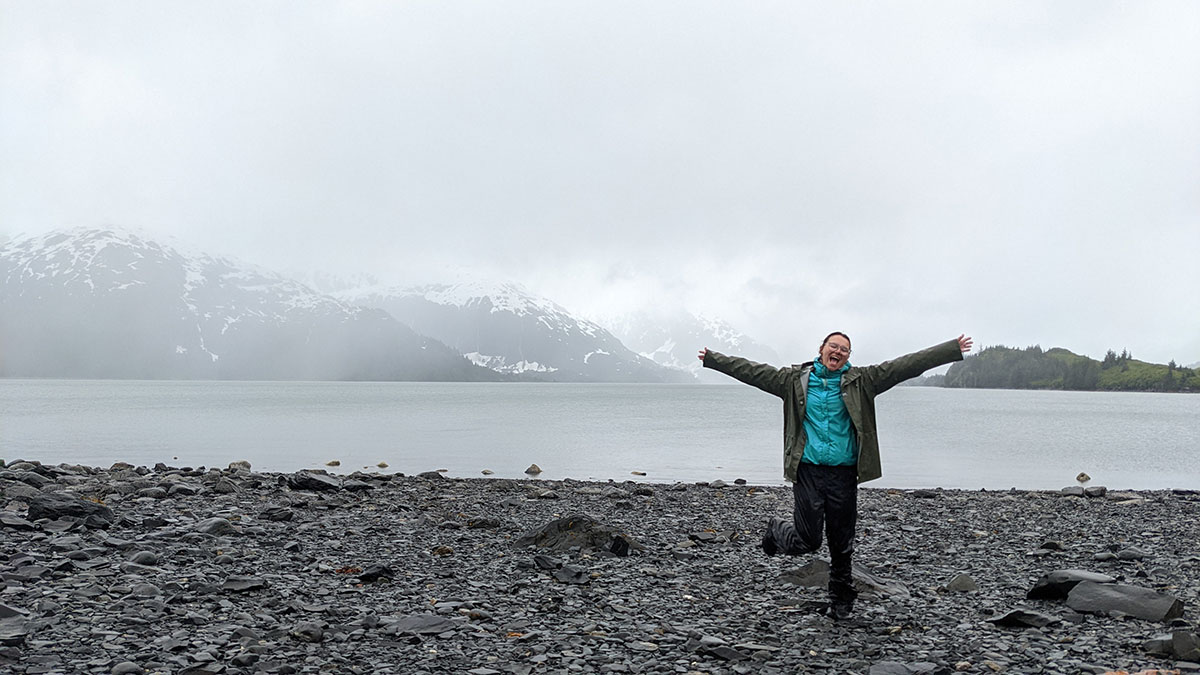
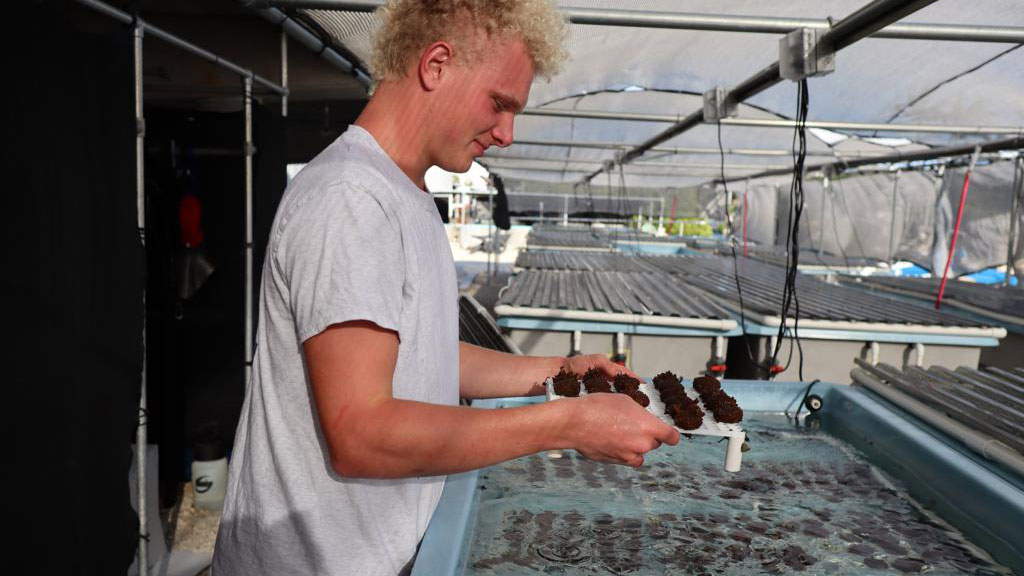
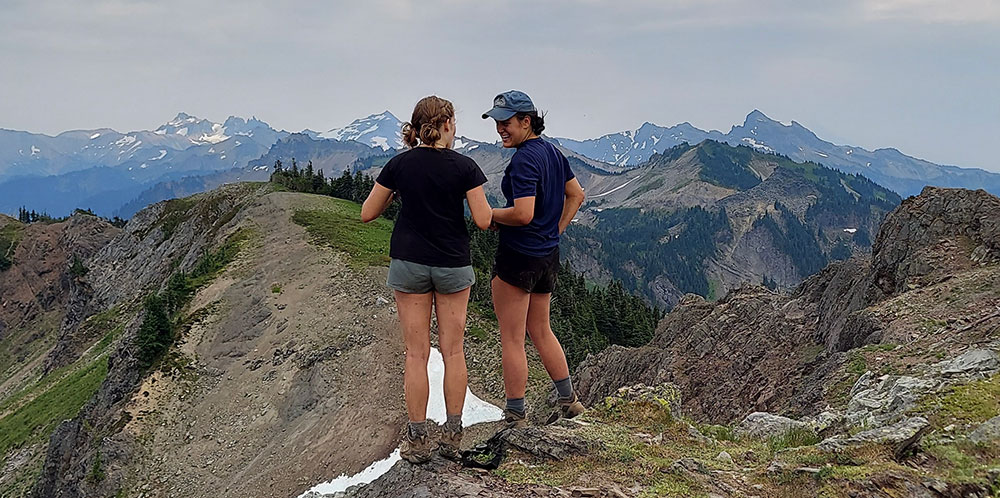
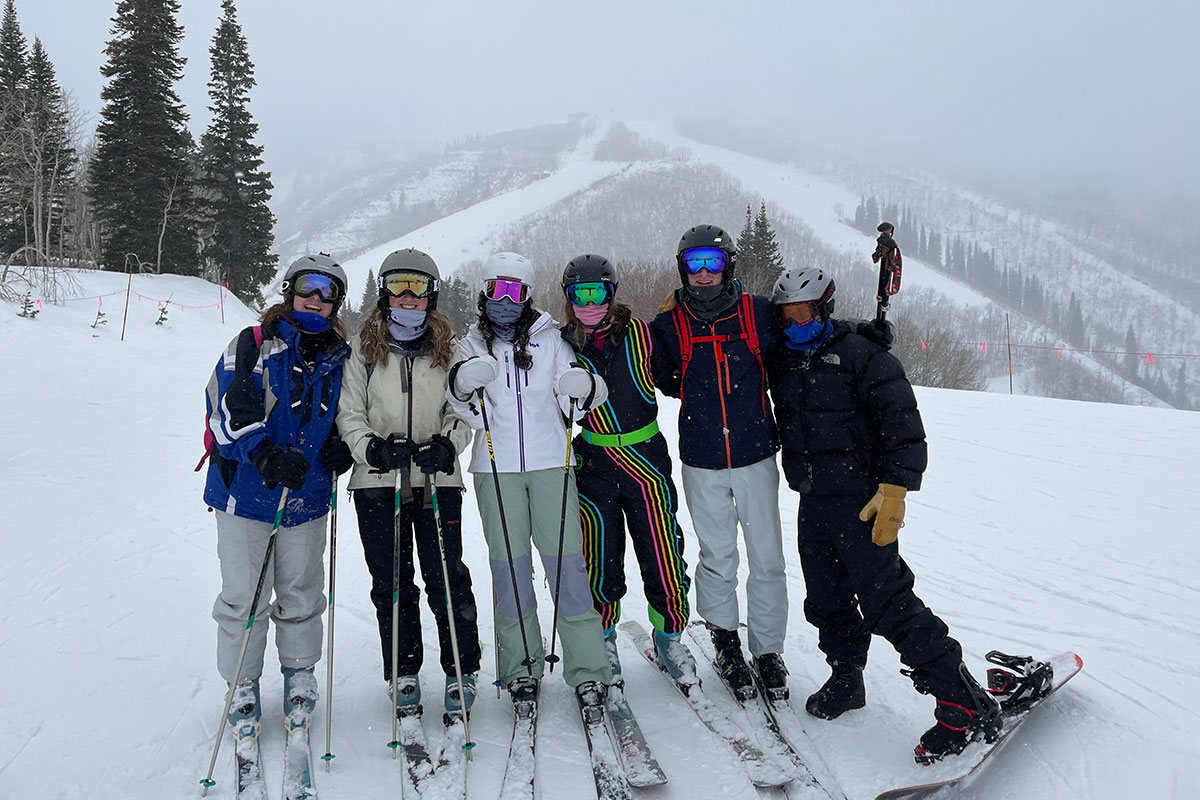
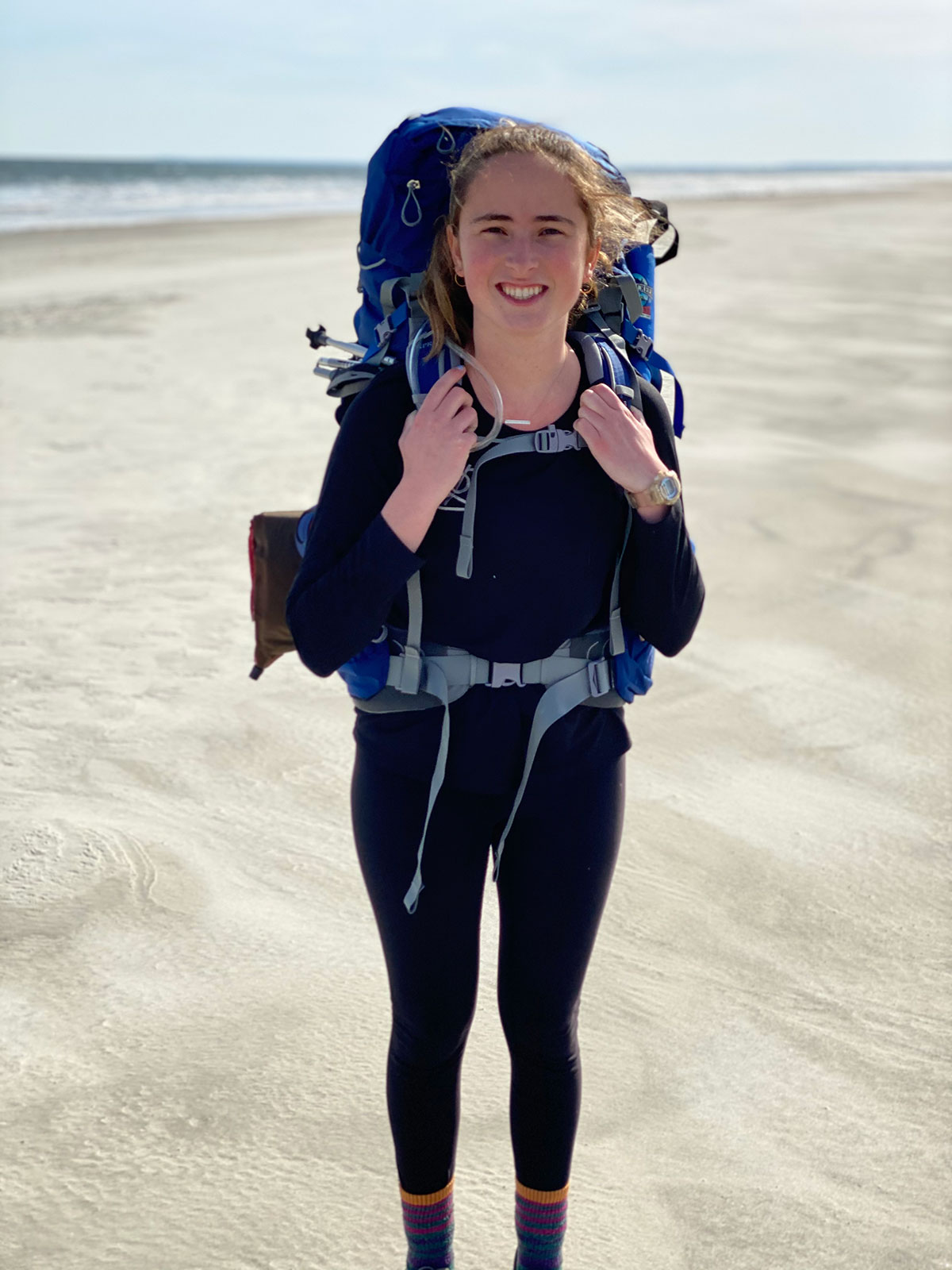
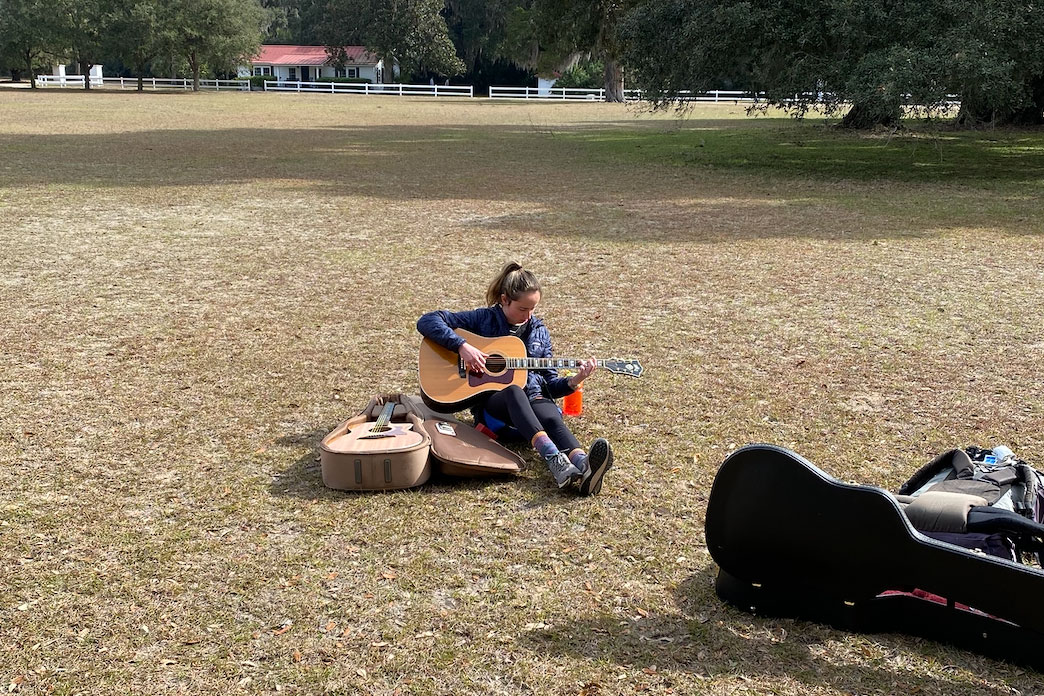
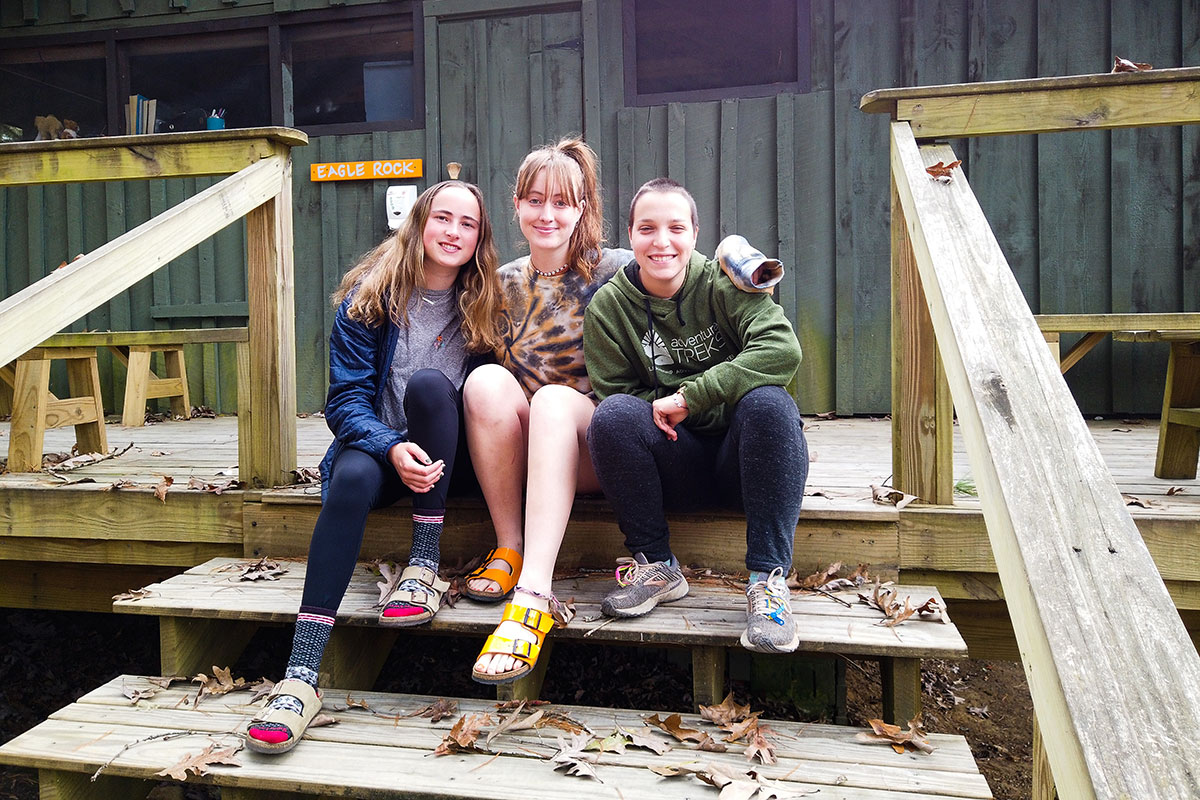
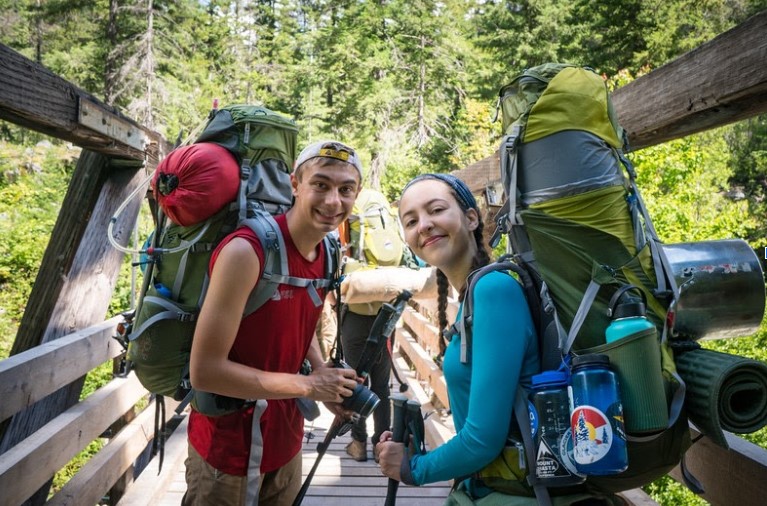 Hello all! My name is Brandon Schoenfeld, and I am a four-year Adventure Treks alum (and currently working at Camp Pinnacle for my first summer as a counselor!). In 2019, I took my last trip, Leadership Summit, with some amazing friends and fantastic instructors. In recent months, many of us found ourselves missing our beloved AT community and were simultaneously concerned for the many students who unfortunately could not return to our second home with no choice or say in the matter due to COVID.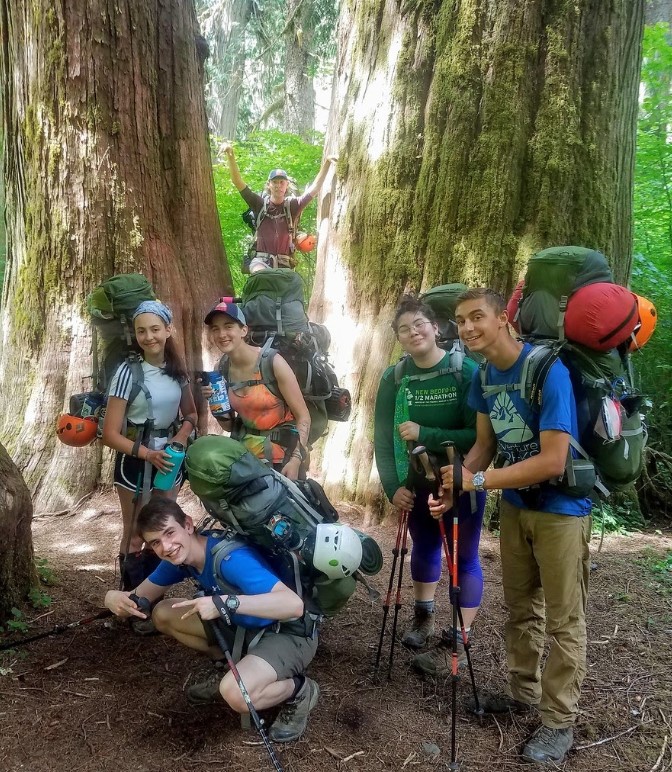
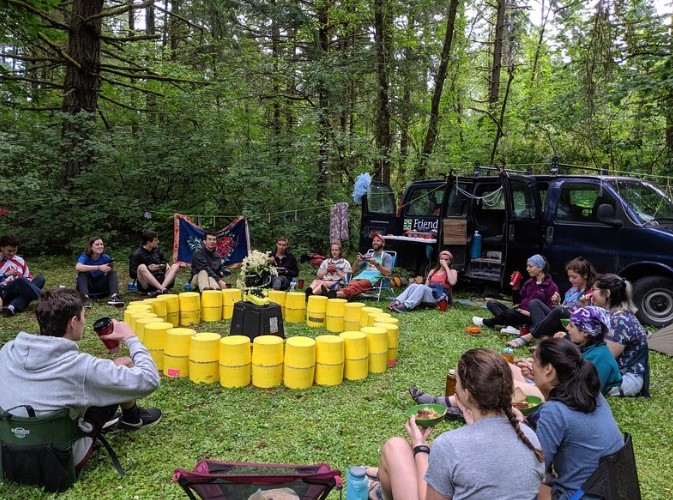
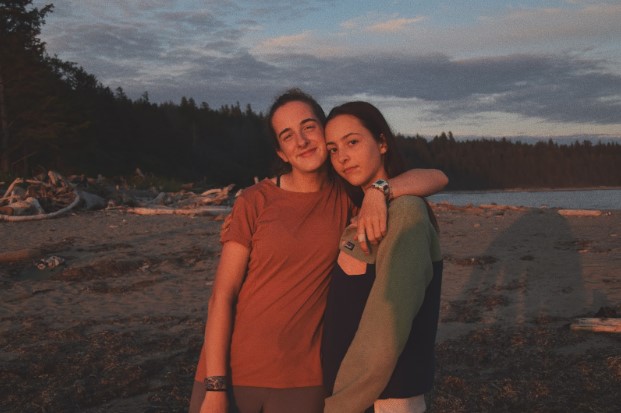 Magdalena Arias (5 trips, 2015–2019; Williams College)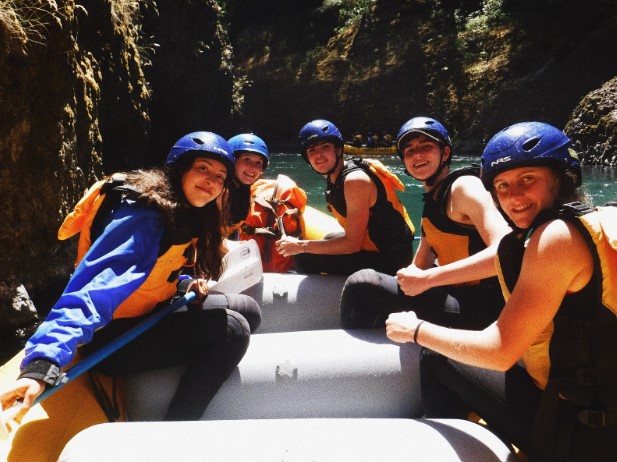
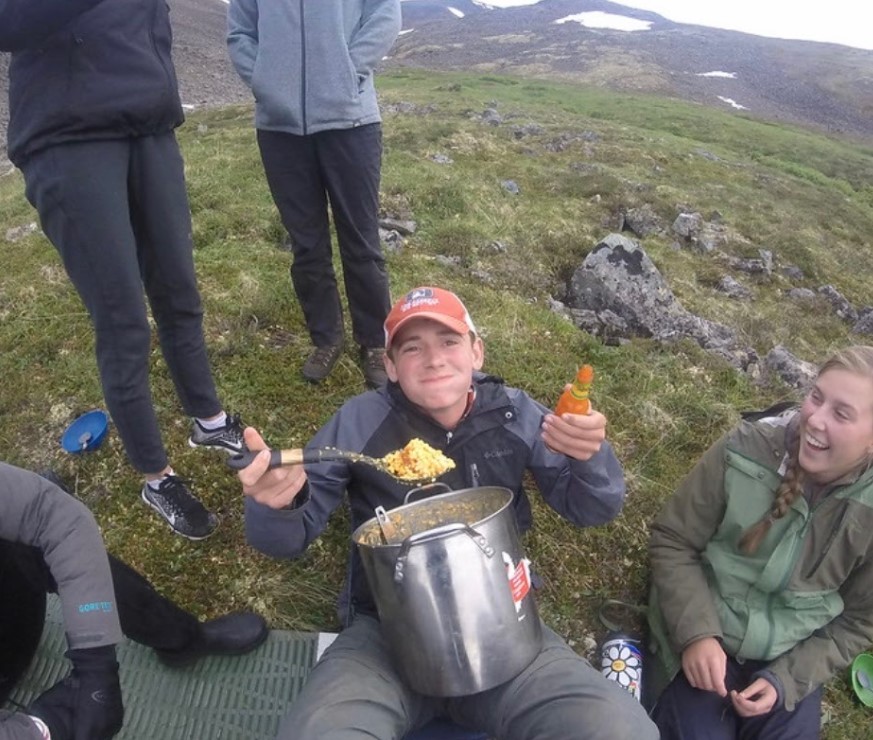
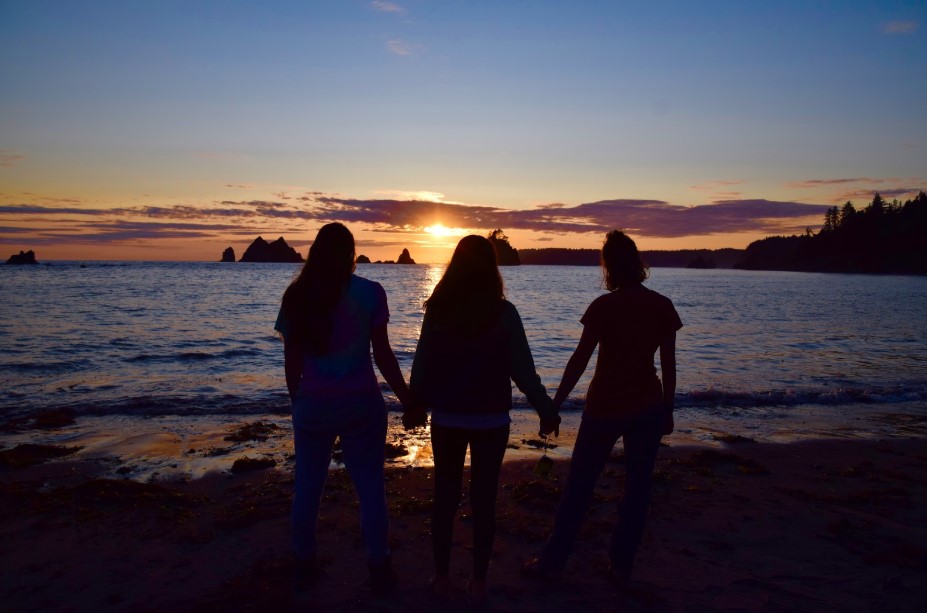 experienced such amazing adventures as a part of the forever open and uplifting Adventure Treks community.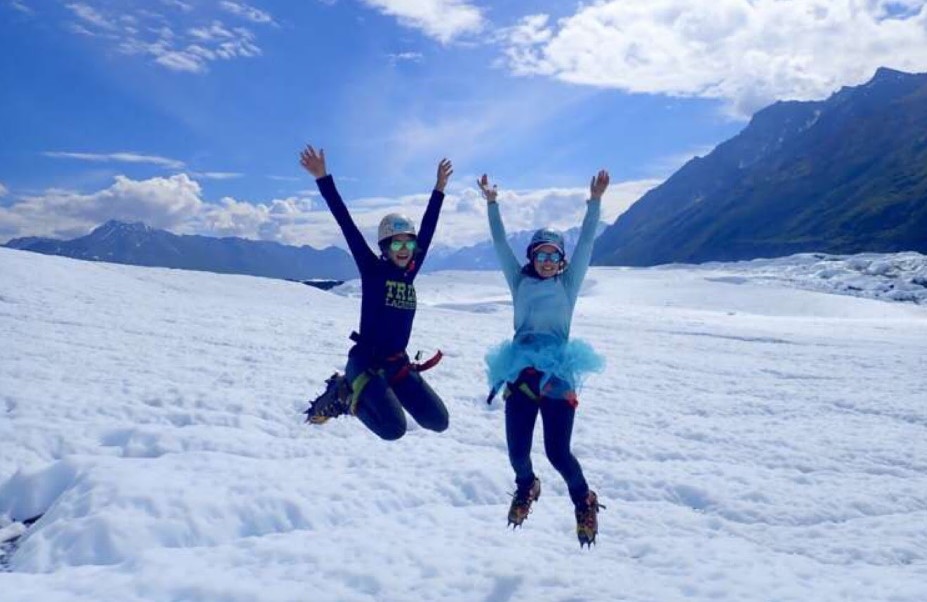
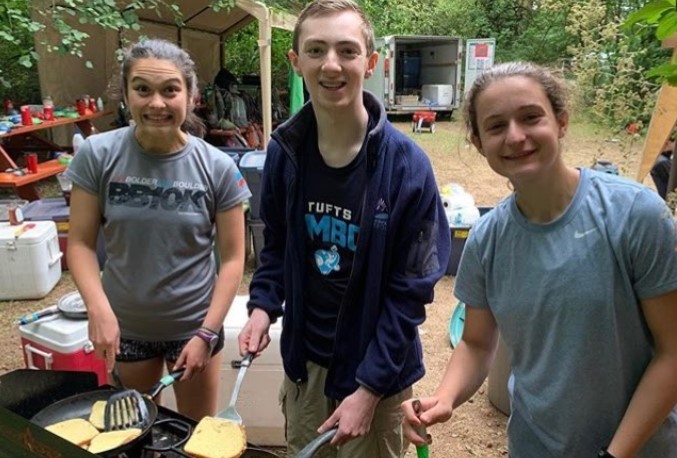
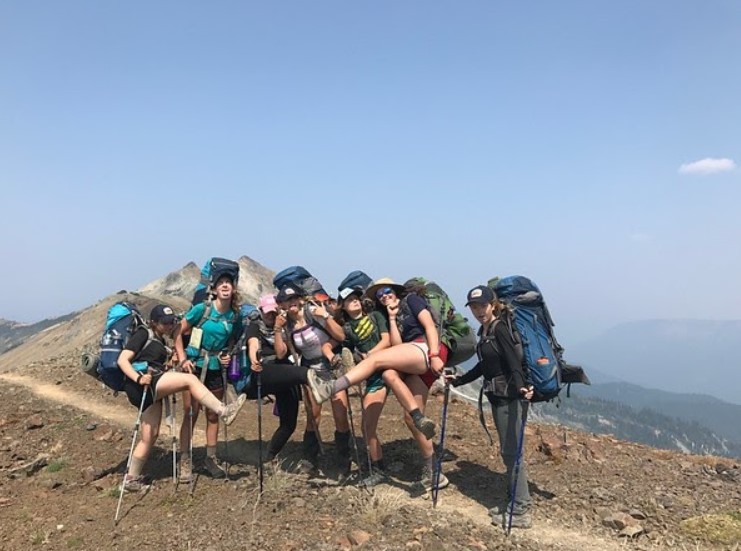 AT is a place where I have fun with my best friends in a beautiful wilderness setting. Before AT, I was not outdoorsy and had never slept in a tent before. Now, I dream of hiking the Long Trail, planning more backpacks with friends, and enjoying my college’s outdoor program. AT is a great place to meet a ton of new friends without the distraction of technology. Whenever I think about my time at Adventure Treks, I smile, remembering all of the great memories I have experienced. Visiting friends I met at AT is incredibly special, and we fondly recount memories from past trips and make new ones.
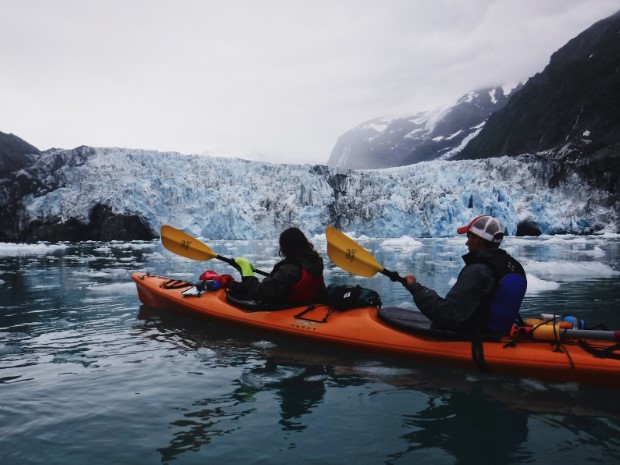 The outdoors contains many challenges, but they are also a source of balance and calm for me. Shinrin-yoku, the Japanese phrase for forest bathing, is the process of walking in the outdoors, a process that improves one’s health and mood. Being in nature is my time away from technology and social media, and a way to gain a better understanding of how life works. Through my time outdoors, I have learned about animal and plant life. For example, I have learned to avoid cow parsnip in the sun. (A person can develop second-degree burns if the juices of an Alaskan cow parsnip plant touches uncovered skin that is later exposed to the sun.) When I am outside, I feel calm, yet eager for discovery. I become renewed and can see the world in its many contrasts.
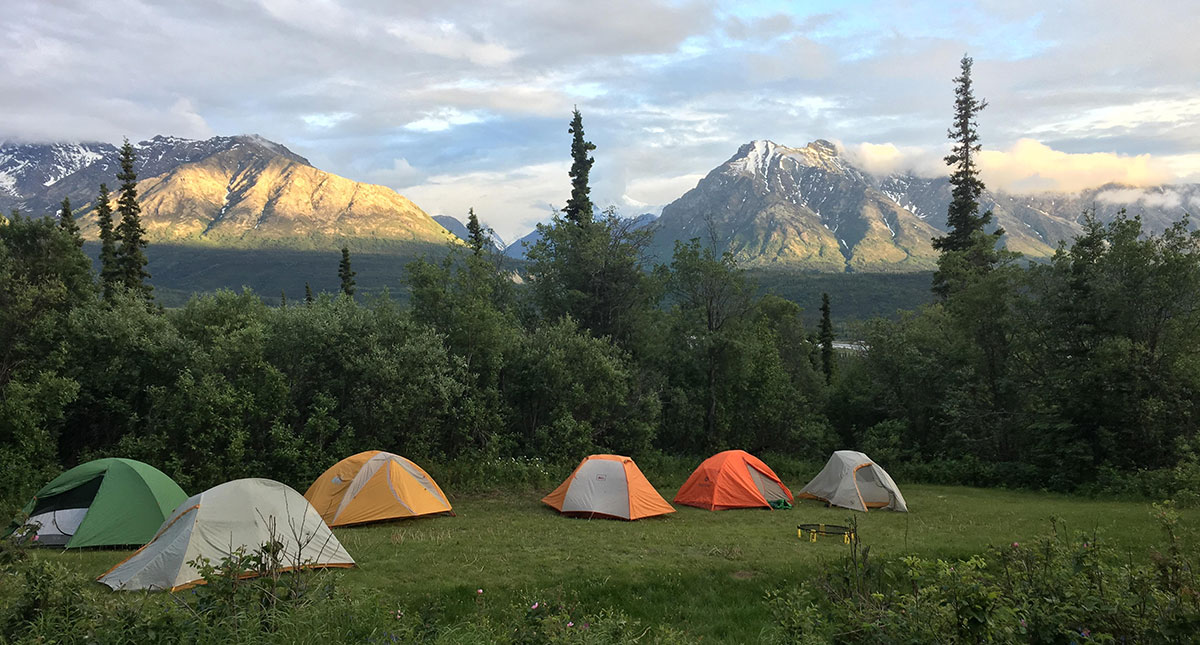 Making the decision to embark on an Adventure Treks trip for the first time can be a little unnerving and scary; after all, many of our new students have never done an outdoor trip before! We applaud our students’ choices to step outside of their comfort zone to do something completely new, including meeting new people from all over the country and world; trying outdoor activities like mountain biking, mountaineering, rock climbing, and backpacking; and living in a close community for two to four weeks at a time.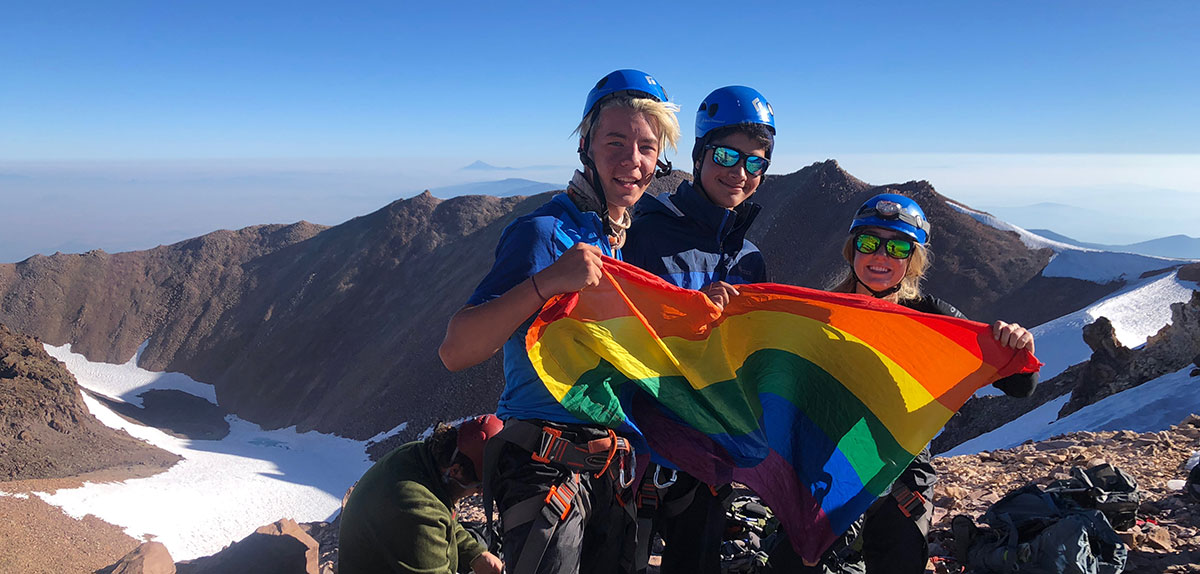
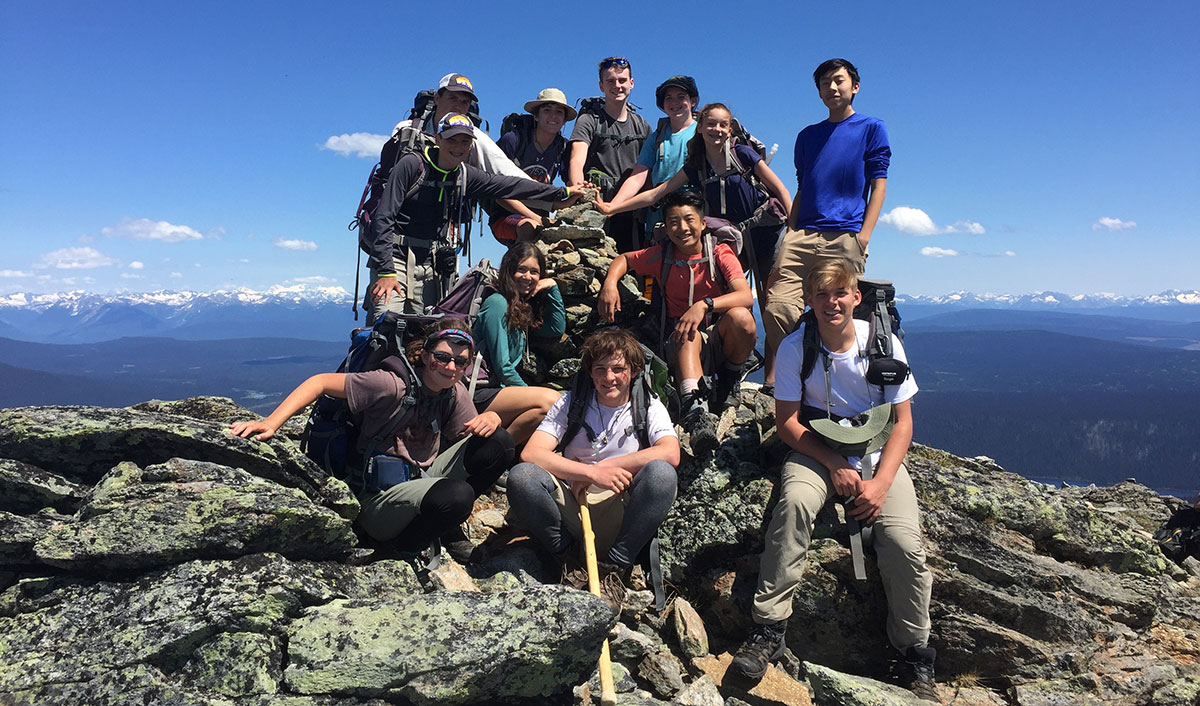
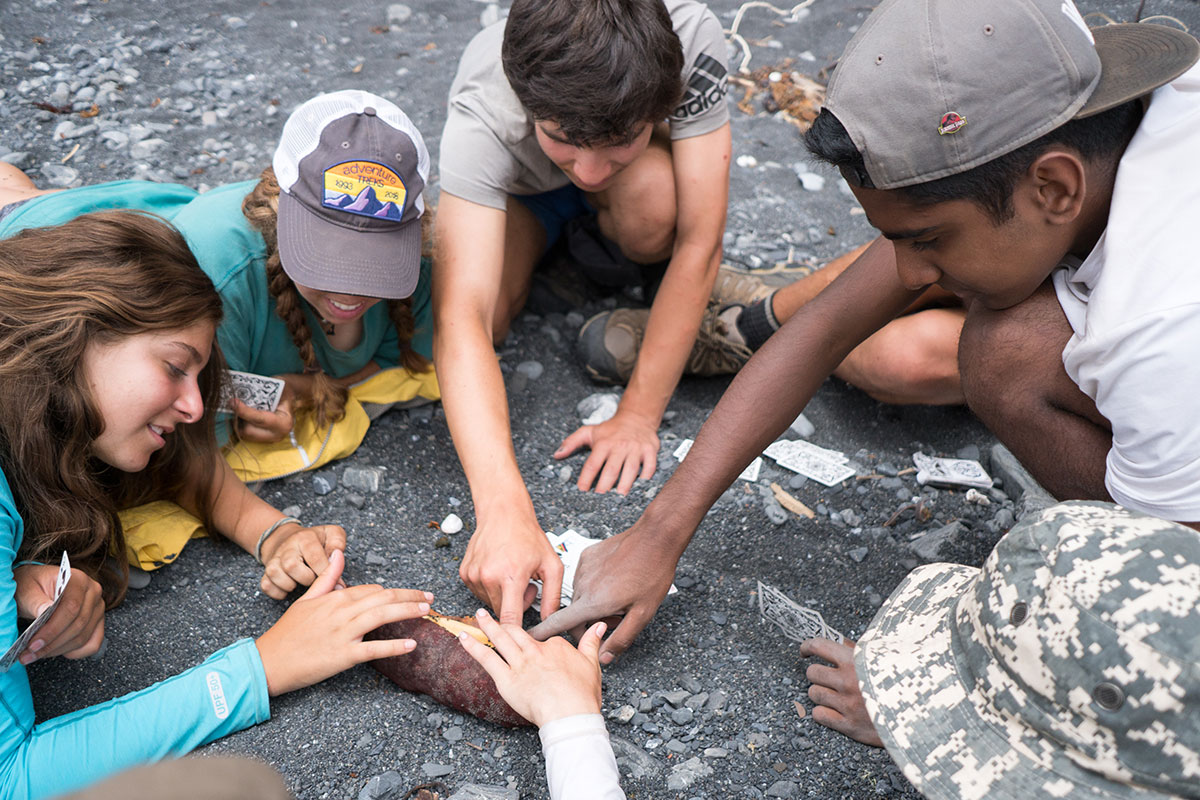
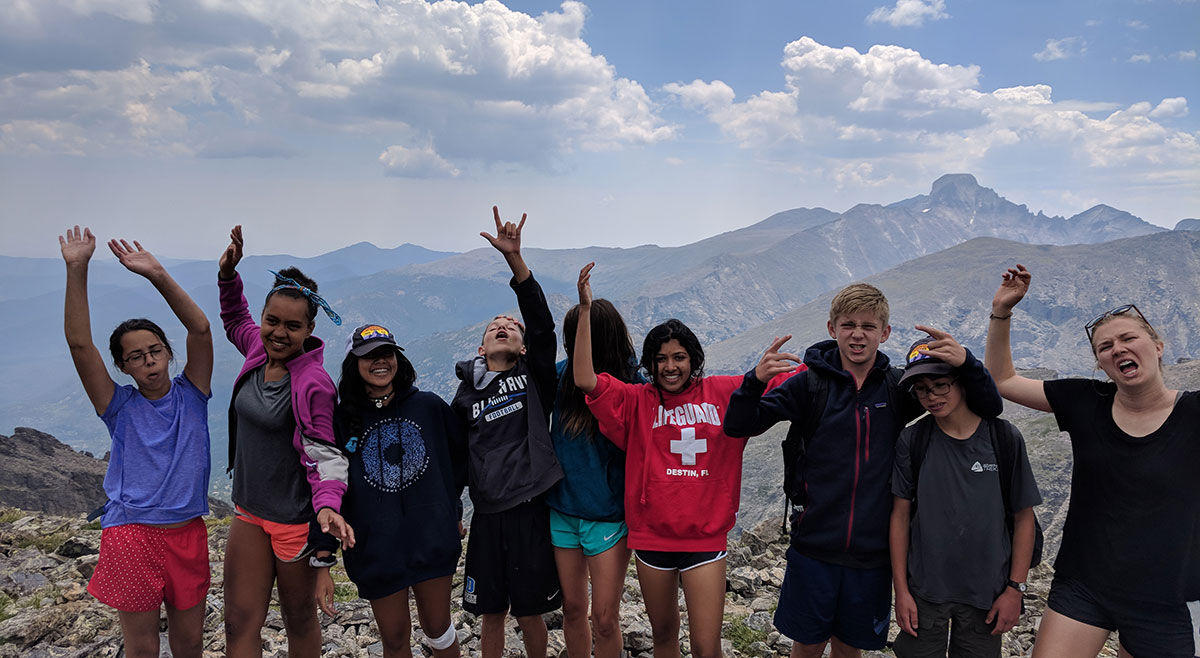
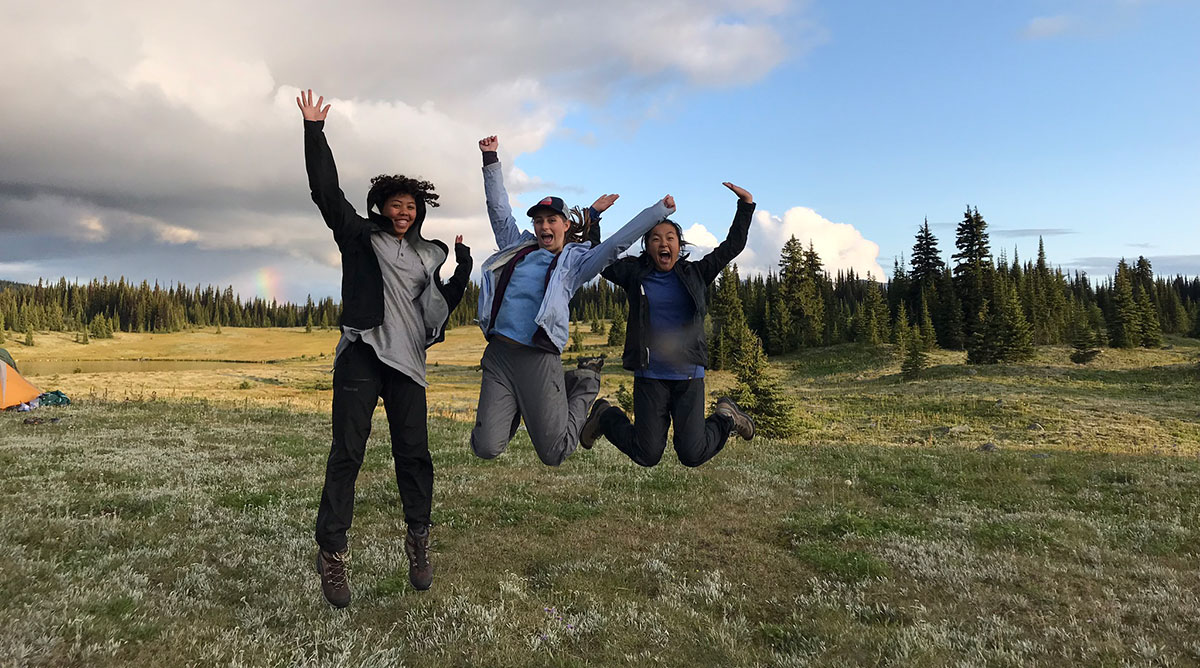 Making the decision to embark on an Adventure Treks trip for the first time can be a little unnerving and scary; after all, many of our new students have never done an outdoor trip before! We applaud our students’ choices to step outside of their comfort zone to do something completely new, including meeting new people from all over the country and world; trying outdoor activities like mountain biking, mountaineering, rock climbing, and backpacking; and living in a close community for two to four weeks at a time.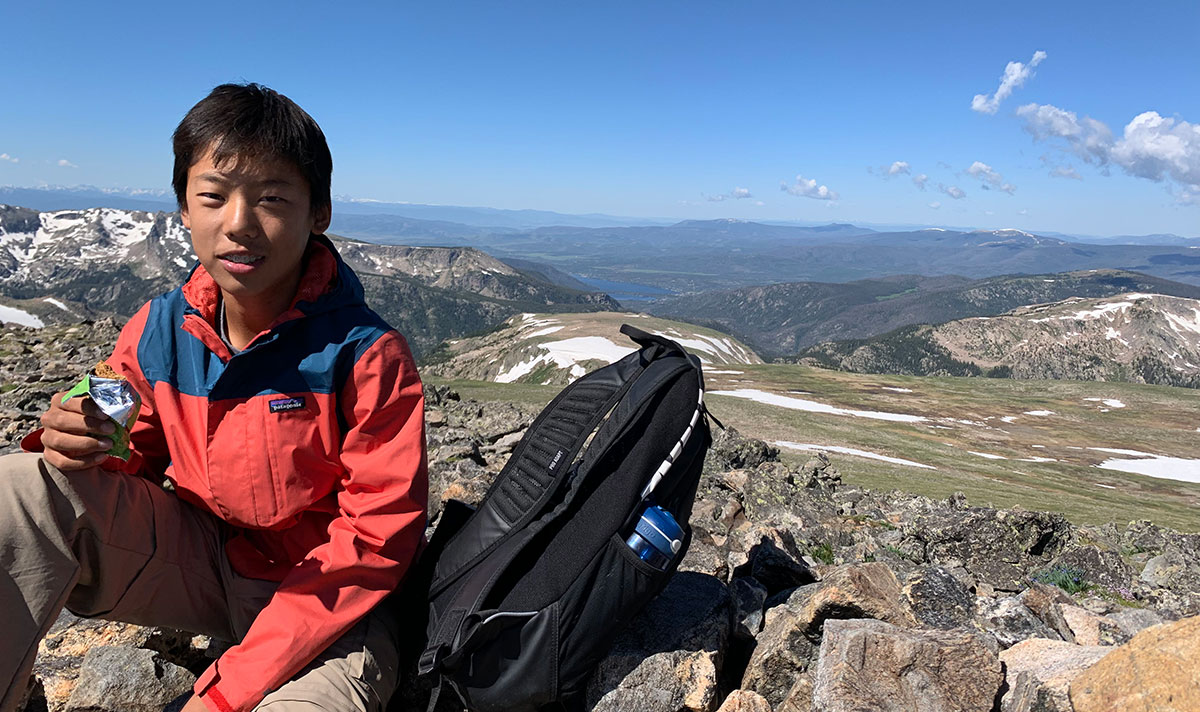
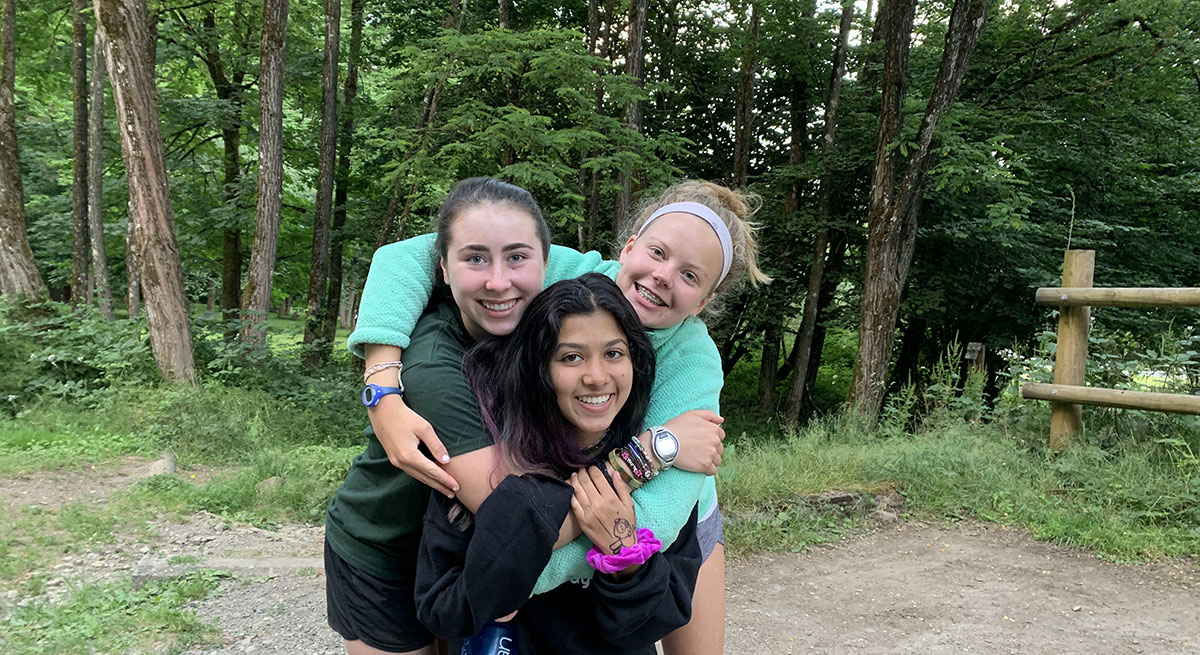
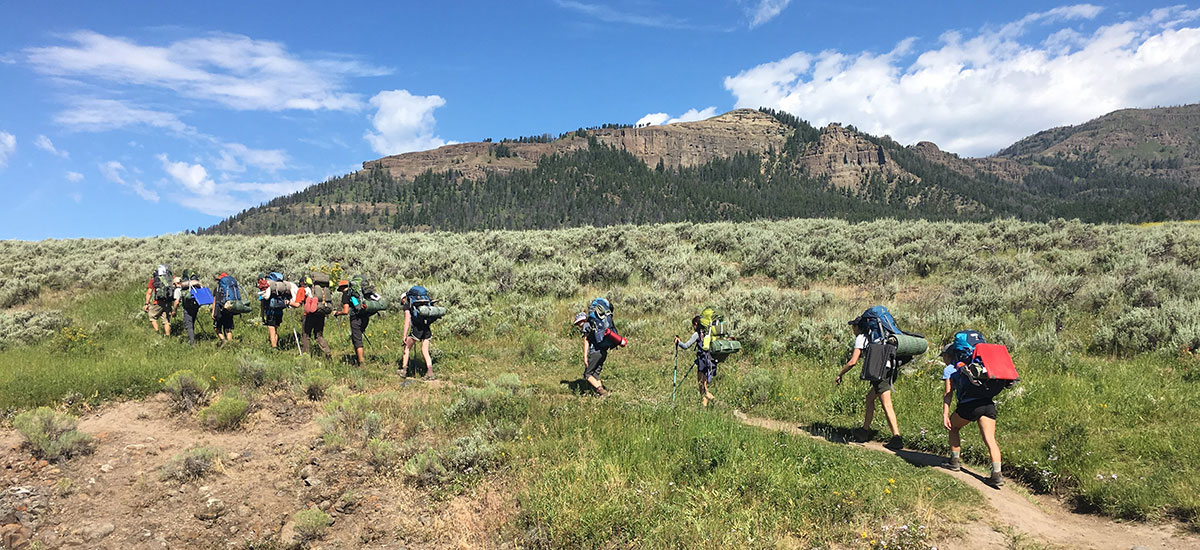
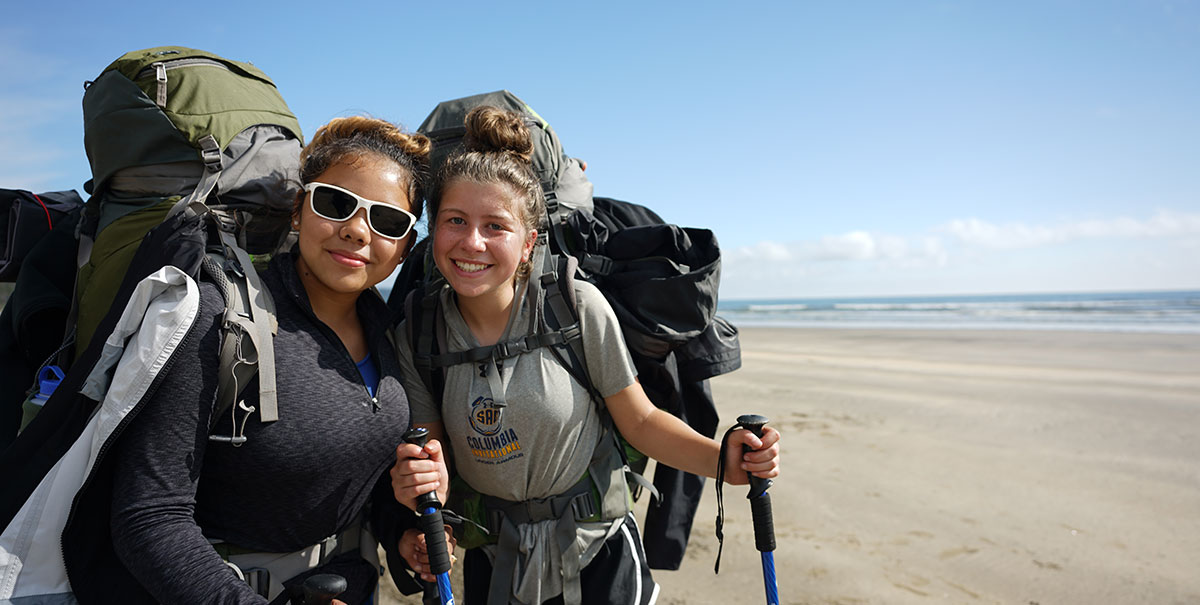
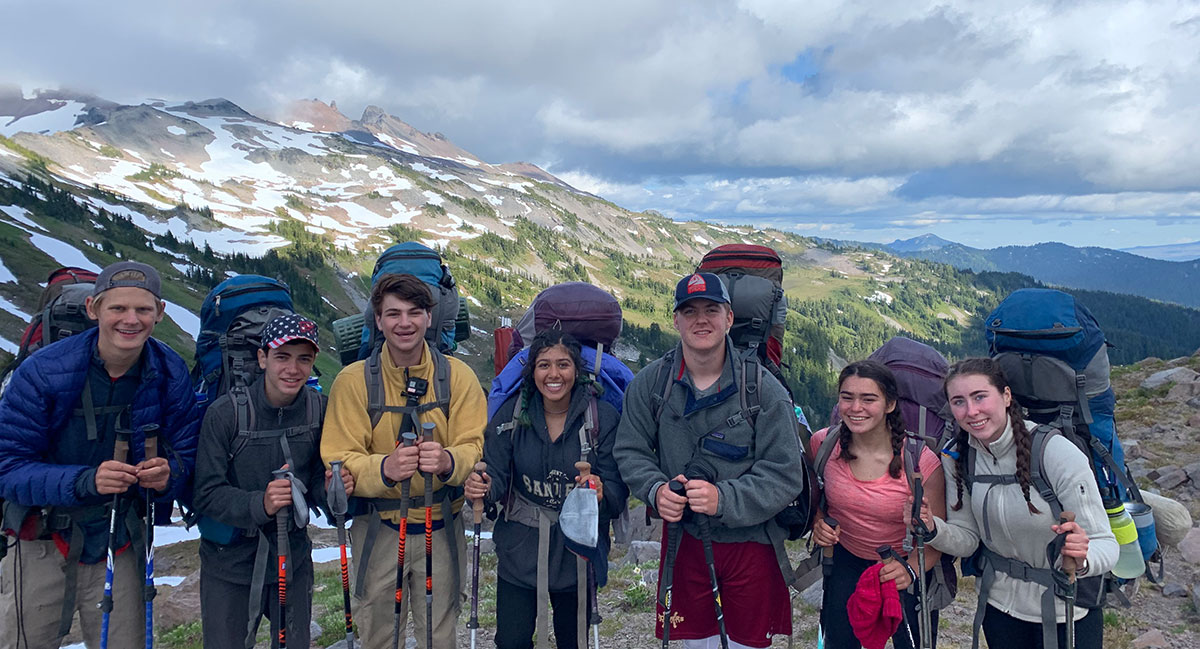 Making the decision to embark on an Adventure Treks trip for the first time can be a little unnerving and scary; after all, many of our new students have never done an outdoor trip before! We applaud our students’ choices to step outside of their comfort zone to do something completely new, including meeting new people from all over the country and world; trying outdoor activities like mountain biking, mountaineering, rock climbing, and backpacking; and living in a close community for two to four weeks at a time.