
You did it! You took the first leap by signing your child up for Adventure Treks 2025. What an AWESOME adventure we’re all going to have this summer.
As a first-time family, it can be a little nerve-wracking sending your teenager on a 13- to 30-day trip with a new group of peers and instructors. So we asked a few returning families for advice and tips for our new families to help ease any nerves and get everyone as excited and prepared as possible. Here’s what they said!
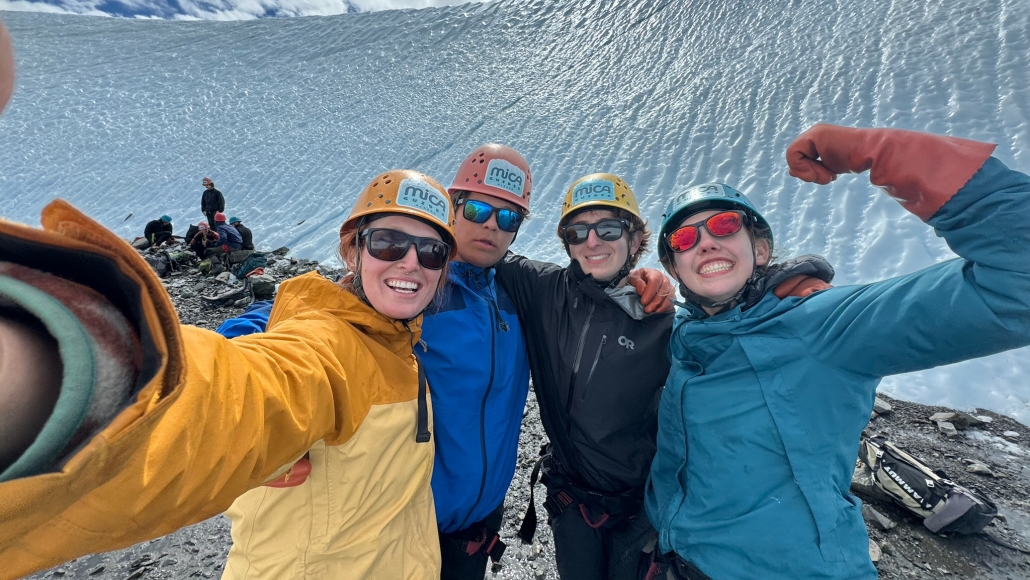
What advice do you have for parents or students who might be a little nervous about attending AT for the first time?
“Taking advantage of the opportunity to go outside of your comfort zone, to experience the thrill of the unknown, and to explore new parts of the continent is seldom afforded to today’s youth. Being a little nervous is perfectly OK and normal! Just know that AT prioritizes safety and has super-experienced staff. And they have always focused on matching up participants with lots of other first-timers so that every kid is similarly inclined to make new friendships.” – Jeff Berger from Cabin John, MD (10 trips between 3 daughters)
 “Try to relax. This trip is a dream! Call an AT family to help you relax.” – Brittany Schwartzwald from Atlanta, GA (3 trips between 2 kids)
“If you have a child who is nervous, I won’t say don’t worry (because we parents always do) but know that the instructors are AMAZING and will have your kid playing cards in the airport with other kids in five minutes. My son called to tell me he had arrived and was “under adult supervision” (as he put it jokingly) but had no time to talk to me because he already had new friends to hang out with. We are on our second trip with AT because they do such a great job. Trust their experience!” – Sarah Tueting from Naperville, IL (2 trips)
“I was so nervous about my two boys embarking on their first adventure with Adventure Treks last year. My husband had done the research, and I had talked with AT parents and the supportive directors Amanda and Dave, but still, at my core, I was just questioning if we were doing the right thing. 18 days with essentially no communication… what if they hated it, what if they were lonely, what if they didn’t get along with everyone… the worry and concern that I had didn’t stop. My husband was adamant that this would be a great adventure and would be a critical part of their adolescent development.
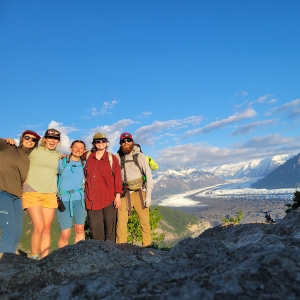 WOW, was he correct! The boys (age 12 and 15) had an amazing trip. They had so much fun with the group and the instructors that they literally got off the plane and asked to go back!!! I honestly couldn’t believe how much they gained from the experience. They both got out of their comfort zone and did something that they hadn’t done before. I believe that this built some confidence and some resilience within them that they will lean upon in tough times. From beginning to end, the staff at AT has been great. They are so professional and supportive of the kids and the families. They truly believe in giving our kids real experiences, without electronics, without preconceived ideas, and without judgment. From all walks of life, the kids and instructors work together to create a truly magical and meaningful trip, and I am just so incredibly grateful that we found AT and that our boys are blessed to experience another trip with them this summer.” – Amy Morosoff from San Clemente, CA (2 trips between 2 boys)
“Adventure Treks goes above and beyond to create a supportive and welcoming environment for students of all backgrounds and experience levels. From our very first experience—two weeks in Rocky Mountain National Park three years ago—my son came home already counting down the days to his next trip. If your child enjoys being outdoors, is reasonably active, and is open to being part of a team, they’ll do great. The instructors are incredible at helping everyone feel comfortable, included, and challenged in the best ways.” – Jodi Eppler from Conifer, CO (4 trips)
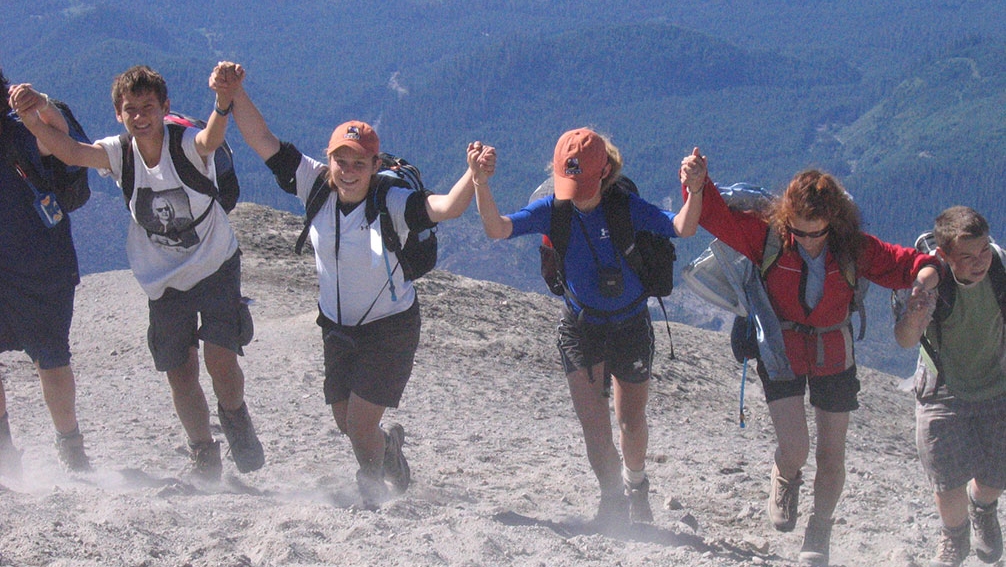
What lessons have you learned about packing for AT?
“You’ll never have everything you want, but you’ll have everything you need. Bring flair for special occasions! Hiking poles can be helpful.” – Jeff
“Start early. And thrift / resale/ “buy nothing” groups are your friends. You absolutely want merino wool and good waterproof things. Break in your hiking boots.” – Brittany
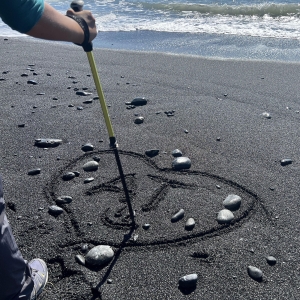 “Follow the packing list exactly!!!! It is perfect—my son was well prepared with what is on the list, and we followed it to the letter. We bought a lot of REI branded gear (it doesn’t have to be super pricey Patagonia), and it was great. He particularly loved the pants where the bottoms zip off into shorts. The only thing he said he would add is a camping pillow, which is a luxury, not a necessity. AT has this down to a science, and if you follow it, your child will be totally set!”
“We’ve followed the packing list each year and found it to be spot-on. With a teenage boy, I can confirm there are always a few things that come back untouched—usually extra socks and underwear! The most important things to get right are quality rain gear and solid mosquito protection. Also, duffel bags are definitely the way to go—no need for suitcases. And prepare yourself emotionally for a few lost items along the way… we’re currently down two cameras over three summers and countless pants with new holes in the knees, etc.” – Jodi
Any advice for opening day and flying to AT?
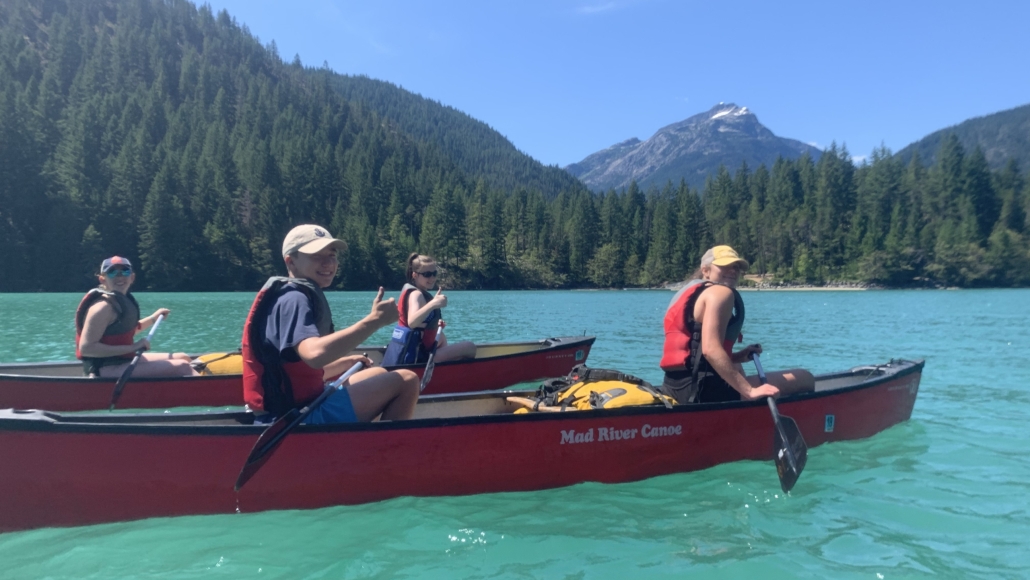
“Your AT adventure actually begins when your parents drop you off at the airport to navigate layovers and terminals. Practice leading your family through the airport, if possible, on a family vacation. Don’t be afraid to ask for help from a member of the airline staff and give yourself plenty of time. Pro tip: ask AT administrators to see if anyone from your area is on your trip and try to coordinate flights with a future friend.” – Jeff
“It’s a little stressful because everyone is feeling all their feelings. I recommend sending your most stoic adult for drop-off (not me). The most feeling parent (me) went and picked my kid up, and I loved that because I got the full download on the plane.” – Brittany
“My son prefers to arrive on the early side of the arrival window and depart in the middle of the departure window—he likes settling in early and having a little breathing room on the way home. If your child is flying, you can rest easy knowing AT staff are true pros at making travel days smooth and stress-free. On opening day, goodbyes tend to be quick by design, which actually helps the kids shift into ‘adventure mode’ and start bonding right away.” – Jodi
 Any tips for how parents should spend their time while kids are away at AT?
 Any tips for how parents should spend their time while kids are away at AT?
“My wife spends her time looking at pictures from AT on the website, but I don’t recommend [only doing] that…” – Jeff
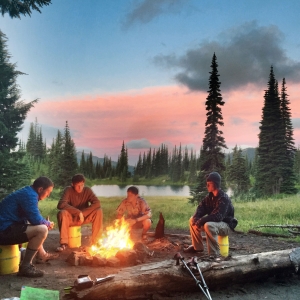
“Go take your own adventure!” – Brittany
“Know that no news is good news while they are away… it means your child is having a blast and doing awesome.” – Sarah
“Our son has been going to sleepaway camp since he was in first grade. So sending him off to try a new adventure with new people is secondhand for us. And we find ourselves enjoying camp prep. He looks forward to the break to travel and try new things with new people… to escape the stress and anxiety of middle school. We spend the time recharging as parents and giving our other son some undivided attention.” – Katie Porwick from Normal, IL (2 trips)
“This is probably the hardest part—for us, anyway! Even after three trips, we still anxiously wait for photo and blog updates just to catch a glimpse of our son. It’s totally normal if your child’s group doesn’t post as many pictures as others; every group is different. And try not to read too much into the photos—if your kid is standing alone or not smiling in one shot, it doesn’t mean they’re having a tough time (though I know that’s easier said than done!).” – Jodi
Any other words of wisdom?
“Make sure your kid is fit! Prep and do some practice hikes with your kid.” – Brittany
 “Our son made some great friends—he is going to visit one of them in a few weeks! And a group of them decided to take this summer’s trip together. I totally underestimated the power of no names or contact before the trip so that the kids can just meet each other and get to know each other at face value, without the social media definitions that seem to follow us everywhere. It’s fantastic because they can just be who they are and make friends ‘old school’—just by hanging out and talking.” – Sarah
“One thing I would strongly encourage: Help your child be physically prepared before the trip. These adventures are physically demanding, and we’ve heard of trips being cut short or adjusted because a few students weren’t quite ready for the physical challenge. Being in shape makes the experience more enjoyable—not just for your child, but for the whole group.” – Jodi
 Updated 12/20/2024
Every year in December, I begin searching for the “perfect gift” for my kids. There are things that they want or “need,” but many of those things are not what I am excited about giving them.
The marketing aimed toward consumers, especially at this time of year, erases the line between “want” and “need.” We are being told we need this or that and that we will be happier, more beautiful, better people with whatever they are trying to sell. Of course, we know that isn’t true, but I know it’s easy to get caught up in it. On top of that, our kids are feeling social pressure to have the latest and coolest… whatever.
Like other parents, I want to give my kids something special that they really want. We all want to see that look of pure joy and almost disbelief at what they see under the wrapping. But I also know that look is fleeting. It is pure and true at that moment, and even for days or possibly weeks afterward. But soon the anticipation, the novelty, and the excitement of getting something they wanted so badly wears off. And soon it is just another thing they have in a world of too much stuff.
Most of us have limited resources, and we have to choose to buy one thing over another. While we sometimes succumb to the pressures and temptations of advertising, our family is trying to place more emphasis on experiences over things. Over the past decade, an abundance of psychology research (as well as personal reward) has shown this to be a wise strategy.
Experiences help us feel more connected to others, in no small part due to the memories they create; they also lead to greater feelings of gratitude and more emotional reactions—thus cementing the positive relationship-building even more.
Experiences are like three gifts in one:
- First, there is the anticipation of the experience. Thinking about the trip, or the Broadway show, or summer camp is sometimes the best part! Even better, it’s a great family conversation starter around the dinner table.
- Second is the experience itself. How great to finally see the band that we love, or board the plane en route to a long-dreamed-about destination, or put well-loved hiking boots to use on a trail.
- Lastly, the experience gives memories to relive for years to come. Applauding through two encores, taking your first subway trip, or swimming near a waterfall are all stories to be told and retold. And sharing these memories can help forge family unity. Even if things don’t go as planned (a rainy week at the beach, a missed flight connection, or getting lost in the woods), it’s still a fun story and thus a cherished memory.
 The idea that experiential purchases are more satisfying than material purchases has long been the domain of Cornell psychology professor Thomas Gilovich. In the journal Psychological Science (August 2014), Gilovich looked specifically at anticipation as a driver of that happiness. He discovered that the enjoyment his subjects derived from anticipating experiences was greater than for purchasing material goods. This supplemented his previous research, which found that people also receive more retrospective enjoyment and satisfaction from experiences than consumer goods.
Experiences fit perfectly into happiness research. Anticipating future experiences, as well as recalling those memories, makes us happy, according to Cornell researcher Amit Kumar. An experience can make a bigger impression because it’s usually something new and different from the daily routine. This activates the neurons of the brain to a heightened state, making the memories more likely to stick.
A big takeaway when purchasing experiences is to remember that because anticipation is such a big part of the enjoyment of the experience, it makes sense to purchase far in advance. The internet age provides endless opportunities for last-minute planning (why book the beach vacation until we know the weather forecast?) but by buying at the last minute, you are squandering a portion of what adds the intrinsic value to the experience.
Taking experiences a step farther, Gilovich says “societal well-being can be advanced by providing infrastructure that affords experiences, such as parks, trails, and beaches, as much as it does material consumption.” Perhaps it’s a case for more summer camps and fewer shopping malls!
As parents, it can be hard to imagine sending your child away for two to four weeks in the summer. Not having direct, continuous communication with your kids is rare these days, and often it’s parents who are more nervous about going to camp than their kids! (Here’s a great article about how parents can alleviate their own anxiety about their kids going to camp.)
But don’t forget: The many benefits of summer camp and outdoor adventures should far outweigh any parental hesitation. Below, we outline why tech-free summer programs are a necessary investment in your child’s future.
Friendships and social connections
In Jonathan Haidt’s recent book The Anxious Generation, he points out that kids’ time spent playing with friends (in real life, not online) has plummeted since the rise of smartphones. Summer camp has phenomenal benefits for children’s social development:
- It helps combat anxiety and loneliness caused by lack of in-person connection.
- It introduces them to a whole new group of people they probably otherwise never would have met.
- It provides the opportunity to immerse oneself into a brand-new community, which teaches kids how to get along with peers from different backgrounds and varied hobbies, interests, personalities, and belief systems.
- It shows kids how to find commonalities among new friends to create tight bonds and that our world is much bigger than they originally thought.
- It also gives kids the chance to be themselves—not someone they’re pigeon-holed into being at school, or a persona they think they should adopt based on social media’s standards.
Yes, kids can—and should!—do hard things
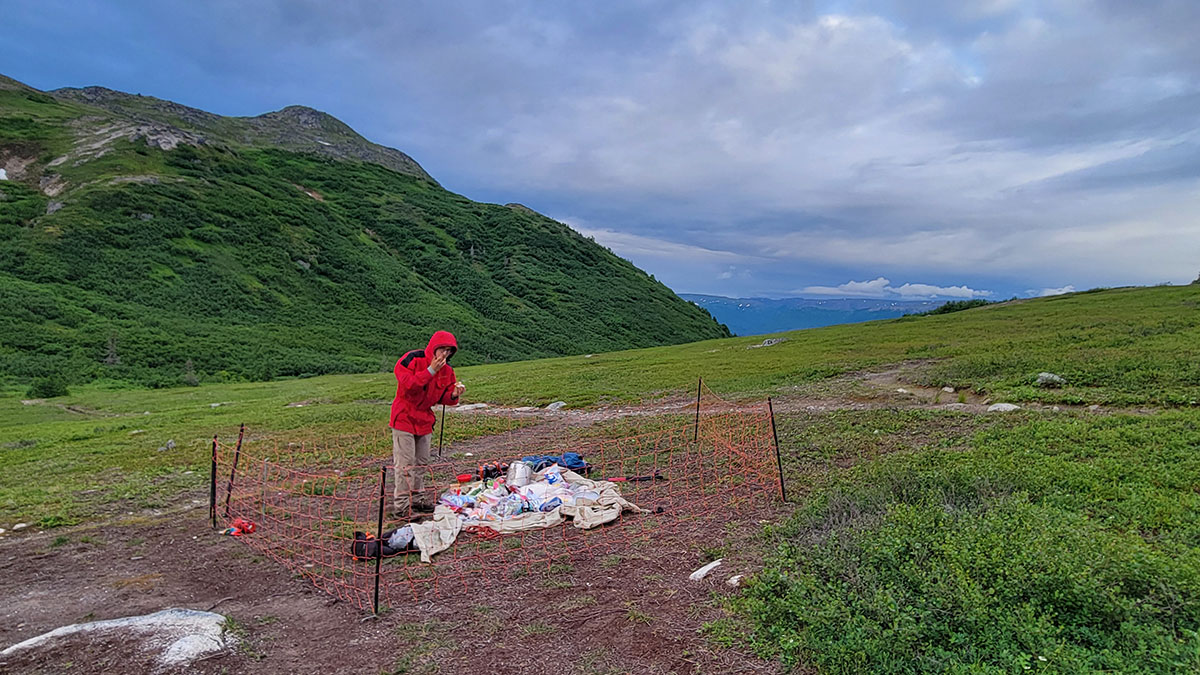
All too often, children are told they cannot do something, as parents think it is too hard. Even not giving your child the chance to do something (because you’re not sure if they can handle it) sends the message that you don’t believe in their abilities or strengths.
Camps operate with the kids in mind and help them find their inner strength. Adventure Treks has 33 years of experience working with kids in the outdoors. We know our students can climb Mt. St. Helens and conquer 10 miles in a day with 4,500 feet of elevation gain. We know they can hike in the woods for five days, with everything they need on in their backpack. We know they can learn to manage negative feelings in a constructive way and receive feedback on how to grow. We know they can navigate an airport by themselves. We know they can have fun outside in bad weather. In fact, we know that not only can do they do it, but they’ll thrive with the opportunity!
Challenges are important for adolescents because it allows them to push the boundaries of what they thought was possible. Facing challenges helps them:
- Build confidence in themselves.
- Develop problem-solving skills.
- Adopt a more positive and growth-oriented mindset because they might not actually succeed the first time. And that’s OK! They should be given the opportunity to fail (at AT, it’s in a safe, supportive environment)—and the chance to pick themselves back up and try again.
- Grow a stronger sense of resilience and work ethic, and the attitude that “I can do anything if I put the work in.”
Letting kids face challenges and do hard things at camp translates seamlessly to life at home. On the first day of school, they’ll stand a little taller, less intimidated by new faces because they learned at camp that they can indeed make friends with anyone. They’ll try to run a little faster at track because they believe in themselves, or be inspired to join the science club because they found a new passion at camp, or better prioritize their homework because they learned time management skills during the summer.
Don’t sell your kids short. Give them some credit and let them do hard things. It’s not only good for them—it’s crucial to their development into healthy, competent young adults.
Tech-free
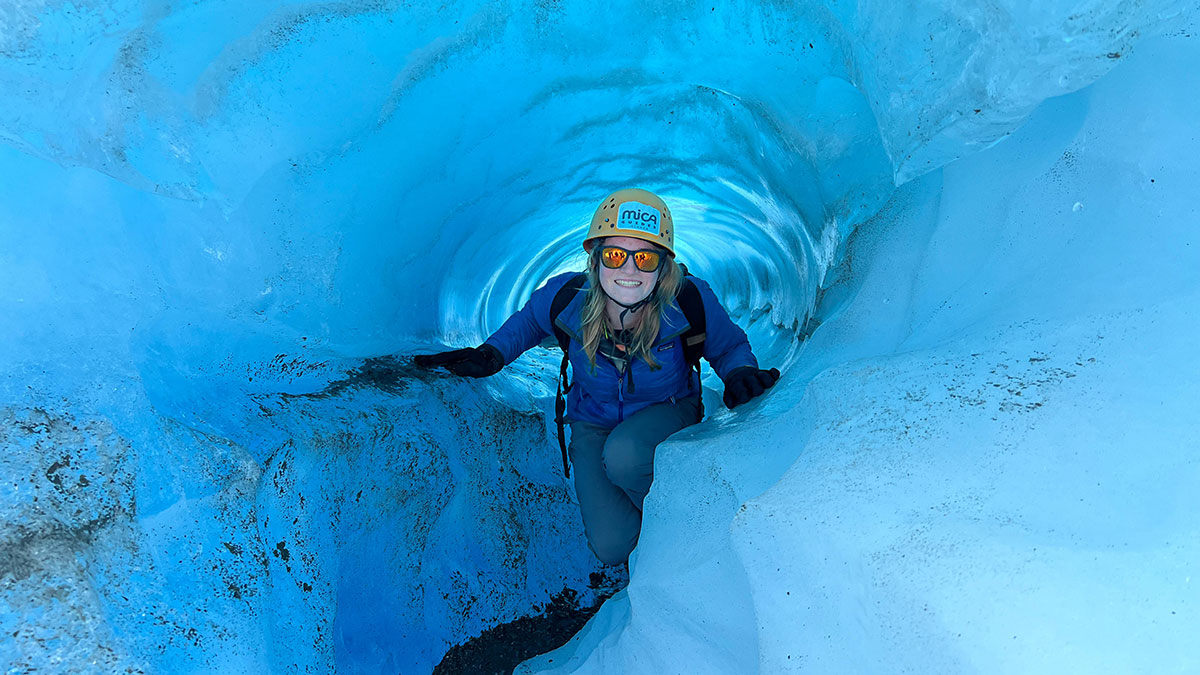
I’ll reference Anxious Generation again (we’ll be posting a longer blog on this book soon), which dives into the decline of a play-based childhood and the rapid rise of the phone-based childhood. It’s no secret that kids spend too much time immersed in social media or video games. Parents oftne lament the difficulty of prying their children’s eyes away from screens. But there is hope!
Adventure Treks (like many camps) is completely tech-free—students hand over phones immediately upon arrival. They soon learn how rewarding and refreshing it is to not be bombarded with everything the digital world throws at them. They don’t worry about how many likes they got an TikTok because they’re feeling liked and appreciated in person! It is probably one of the most important resets to their brains that we can give them.
Leadership and responsibility
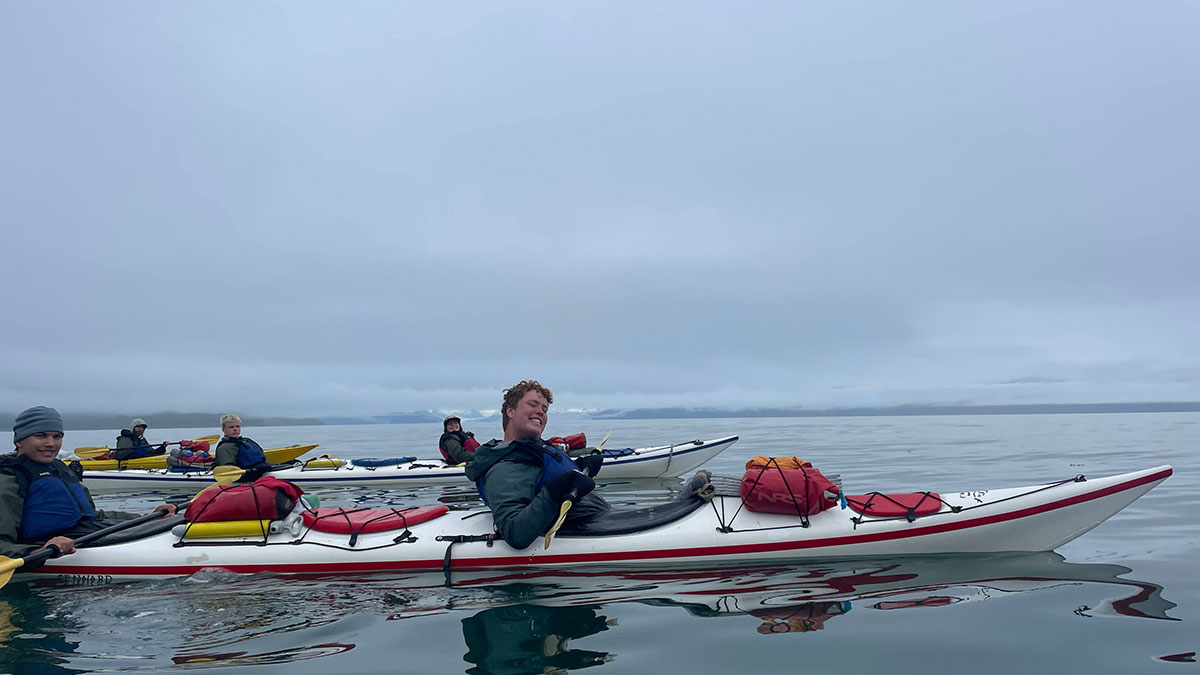
Adventure Treks allows teenagers to step up and lead their peers with guidance and support from our instructors. Back to Anxious Generation: As we continue to give our kids more freedoms as they mature, so too should their responsibilities increase. Trusting teenagers and charging them with productive tasks gives them a greater sense of purpose and helps them feel useful and valued. It also keeps them grounded and more deeply connected to the people around them. At Adventure Treks, teens have endless opportunitities to take on leadership roles, like:
- Taking responsibility for themselves at the airport, for example, when they’re flying to Adventure Treks (often traveling solo for the first time).
- Becoming leader of the day for their backpacking groups, helping plan the day and navigate on trail.
- Cooking meals for each other, ensuring that everyone gets enough food to eat.
- Taking part in food shops and learning how to navigate a grocery store, manage a budget, and buy food for a large group.
Harvard agrees: In an ongoing 75-year study, researchers found that kids who do chores are more successful as adults because they adopted a solid work ethic early on. At Adventure Treks, students will take on different tasks around camp to make sure our trip runs smoothly; they’ll help wash dishes, set up and take down camp, organize gear, and so on. They learn how valuable pitching in is, and they see it as not just work—but as a way to connect with those around you, and as a way to care more deeply about the community you’re in.
Our instructors guide our students into these roles and then take a step back, giving students a real voice. Staff will provide feedback if and when needed, and debrief how that student’s leadership role went. What a great “low consequence” way to learn to lead!
Positive social environment
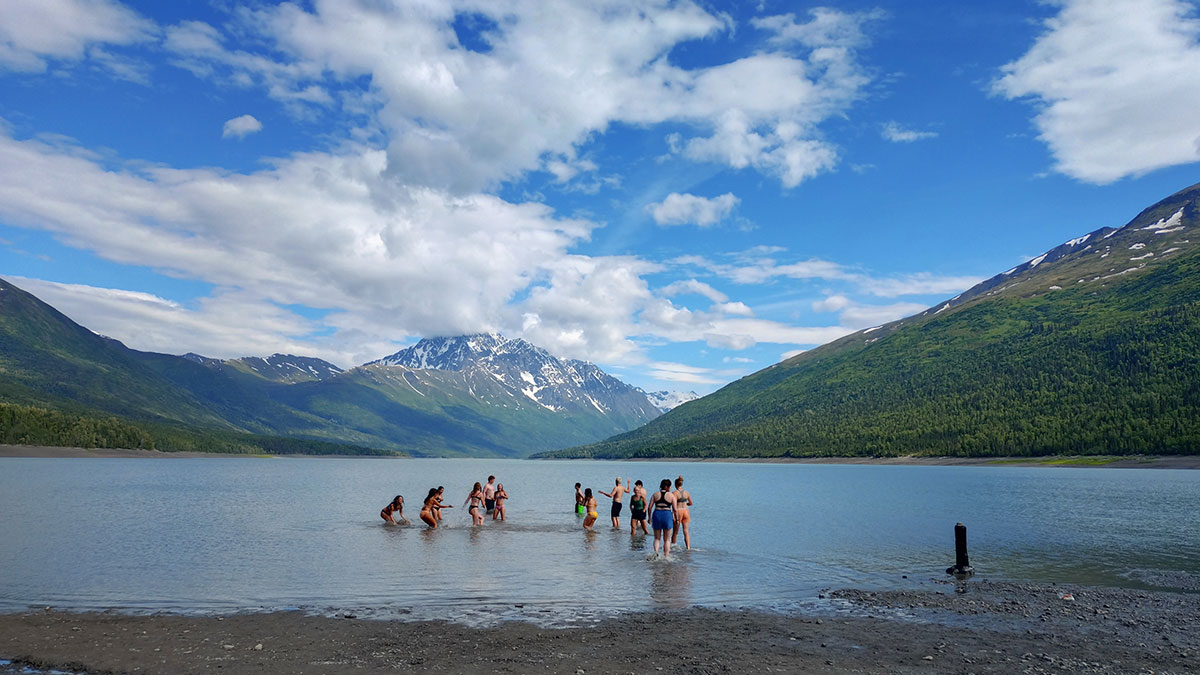
As teens go through middle and high school, the pressures of drugs, alcohol, and the “party side” of being a teenager increase. Summer camps show students that they can have even more fun and make greater friendships without those kinds of pressures. Our traditions, like plus / delta during evening meeting, shows students the value of publicly recognizing others for their hard work and acts of kindness and service, which in turn encourages everyone to be their best self. Our instructors act as role models, helping espouse great values that every family can appreciate, like kindness, selflessless, respect, and wholesome silliness.
Personal challenges
Your child will at some point struggle in life—it’s important to learn at a young age that this is not a bad thing, but rather something that makes us stronger and better. At camp, a personal challenge might look like homesickness, or learning how to have interpersonal conflict, or pushing yourself forward on an uphill trail. If we see our students engaged in too challenging a struggle, we’ll step in and provide support and guidance—they won’t be alone. By facing personal challenges at camp, they’ll learn strategies to help them face anything head-on—and they’ll be well-equipped to leave home after high school and live on their own.
Being able to lead a group, make genuine social connections, do hard things, be a crucial member of a thriving community—these are all important in the workplace and life! When you send your child to camp, you’re not only setting them up for a life-changing summer, you’re also providing them with the tools to succeed later in life.
[button url=”https://www.adventuretreks.com/enroll/” target=”_blank”] Commit to the investment now and enroll for the summer [/button]
Updated March 2023
Imagine you are on top of a snow-covered mountain pass in the Goat Rocks Wilderness in Washington. (If you haven’t been to the Goat Rocks, picture soaring, jagged peaks contrasted with vibrant meadows of wildflowers, alpine lakes, and never-ending vistas of surrounding mountains like the 14,411-foot Rainier and 12,280-foot Adams.) You feel a mix of giddiness, friendship, fear, and maybe slight nausea. Looking back across the pass, you see a snaking line of footprints covering the snow leading to where you now stand. You’re tired and sweaty, but the world feels right. That crossing was stressful, but you worked together with your group to get yourself and your pack across a steep snow field, and it may have been one of the most challenging things you have ever done.
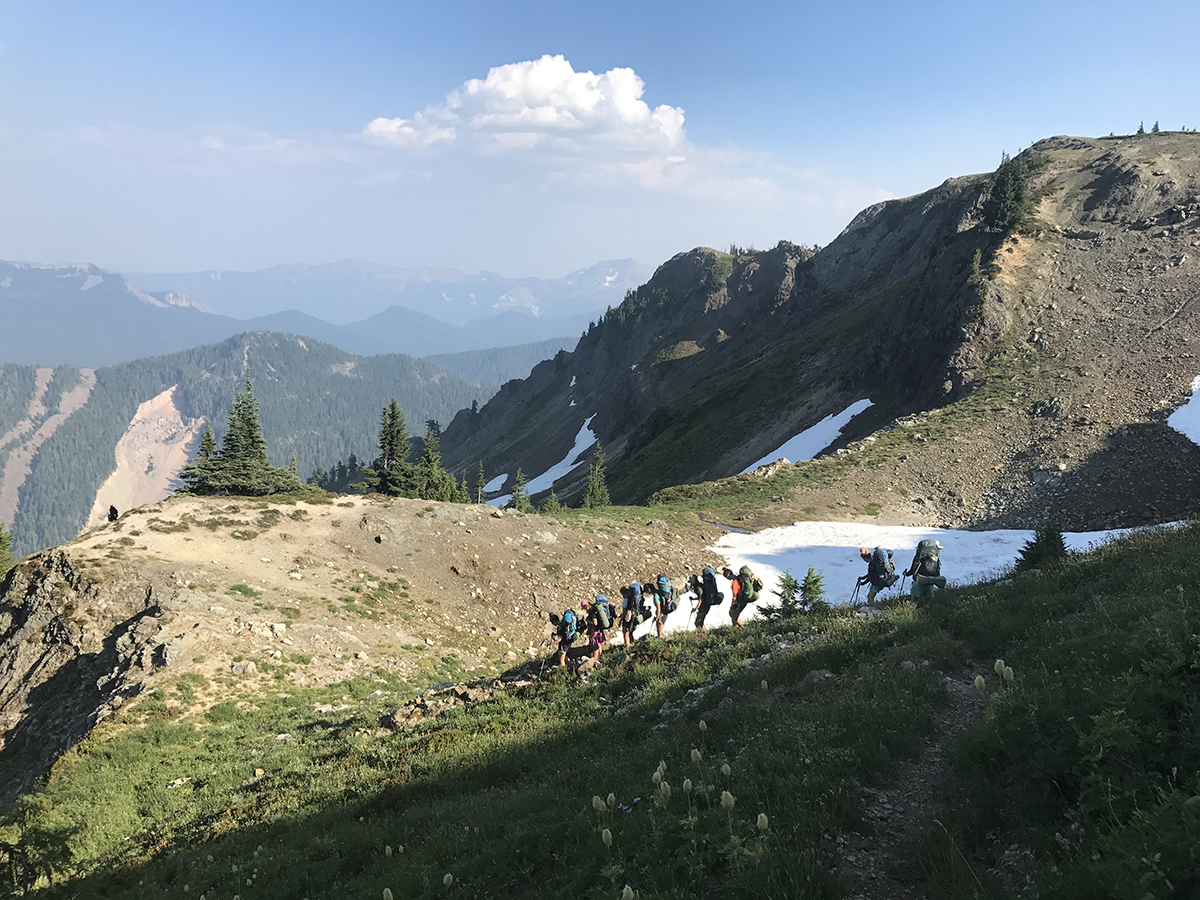
Backpacking through the wondrous Goat Rocks
Moments after gazing at your surroundings in reverence, you’re laughing uncontrollably because you and your friends are pretending to be penguins sliding around on a tiny rise in the snow. You’re enveloped in euphoria, and it hits you how much you care about the people around you—and how beautiful, powerful, and quiet the landscape around you is.
Congratulations—you just had a brief moment as a student on an Adventure Treks backpack. This activity is, hands-down, the best activity we do during the summer.
That scene is one of many wonderful moments I have experienced while backpacking as an Adventure Treks instructor. I was 28 years old at the time of that particular memory, and I was acting every bit of 7 at the top of that hill. Everything felt so fun. We had done it. We had covered challenging terrain, and we were steps away from having solid ground back under our feet. It was a real turning point for our group, and I felt an unbreakable bond with those students for the rest of the trip. There is something about backpacking that brings people together. It’s hard to put my finger on exactly why, but I think I can boil it down to three things: shared challenge, lack of electronic distractions, and what I am going to call “shared humanity.”
Shared challenge
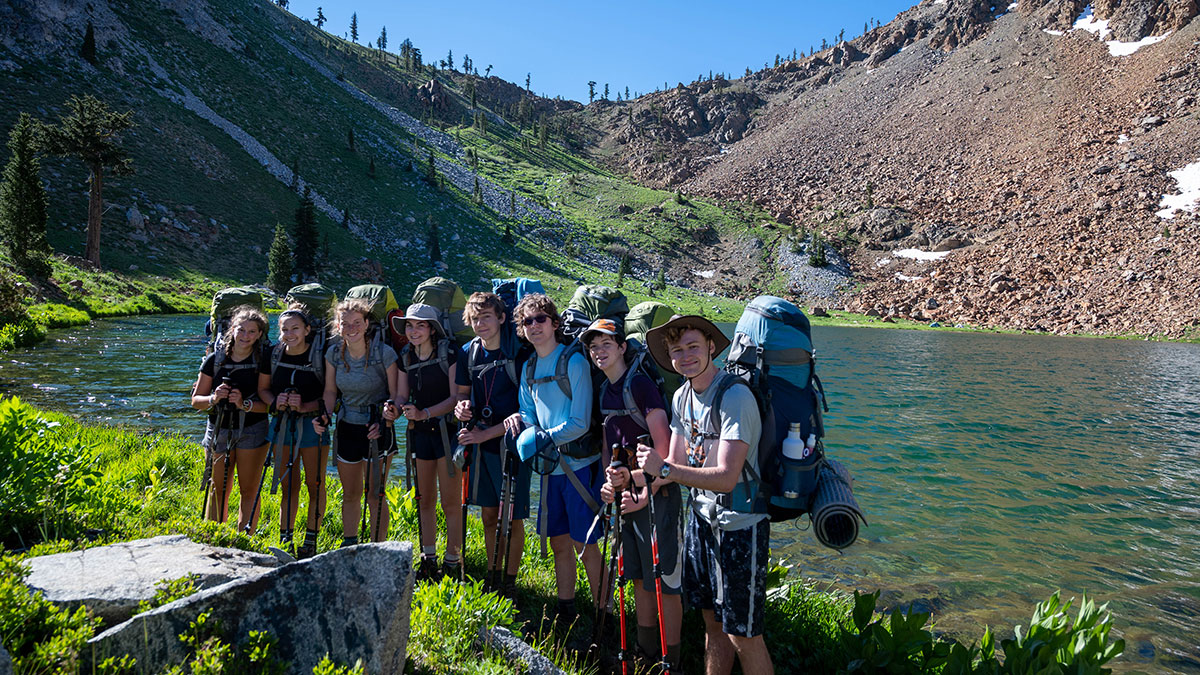
Backpacking by nature is not always easy. In fact, backpacking sometimes can be the perfect recipe for a serving of humble pie. Take a few parts weather (rain, cold, or heat), mix in a cup of insects (the dreaded mosquito), separate the river crossings from the elevation gain, and don’t forget that special dash of getting slightly lost at the end. Bake that for five days, and you have yourself some shared challenge. Taken at face value, this does not sound like tons of fun. However, there is magic in overcoming challenge, and even more so when you do it with your friends. It creates opportunities for group members to take on many roles they may not normally fall into. You may get to step up and lead, or maybe you’re the person that cracks a joke at just the right time to lighten the mood. Maybe you get to experience the feeling of being genuinely supported by your friends. At the end of it all, you did it. In a world of instant gratification, backpacking always delivers. There are few feelings like coming out of the woods after a trip. You smell bad, and you’re tired, but you feel like you’re part of something. Sharing that challenge with your team builds a bond that is hard to break.
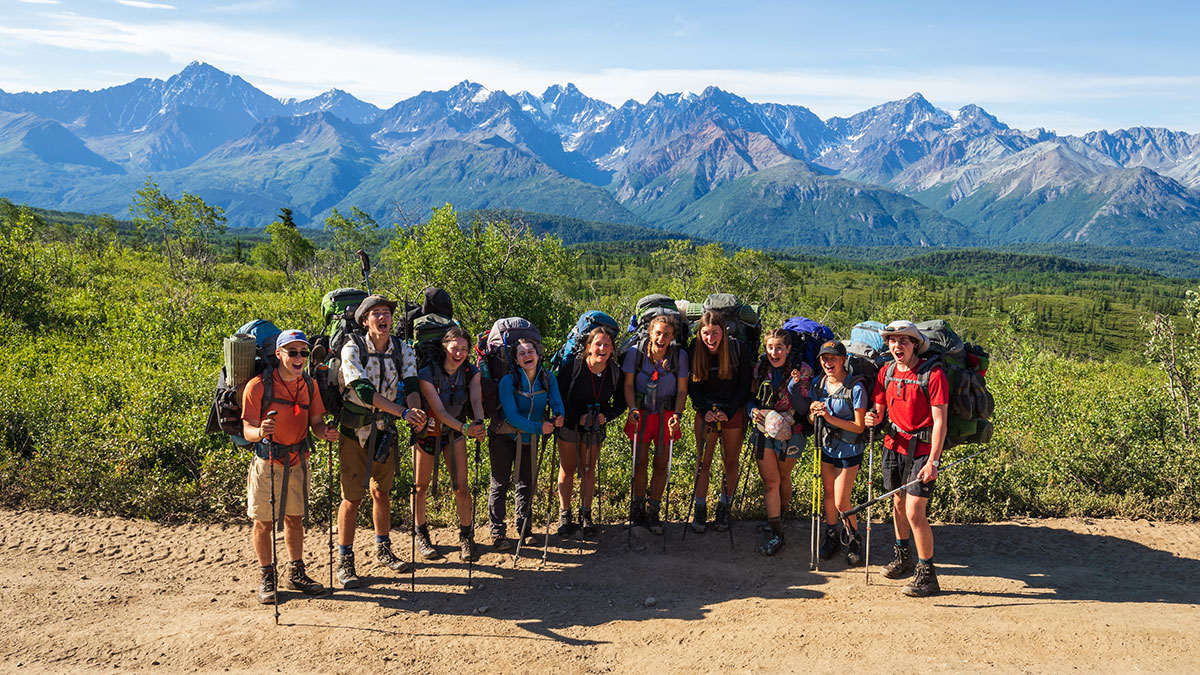
Things are simple while backpacking. You only need to focus on a few questions: Where am I going? Do we have food? Where is the water? Other than that, you just take it all in and talk with your group. There are no bright lights, loud noises, ringers, vibrations, email alerts, television premiers, or sometimes even books to read. This lack of distractions allows you to focus on what is around you. At Adventure Treks, that equates to nine other people and nature. I’ll admit that I love the views, and the feeling of being alone in the woods, but what really makes backpacking fun at AT is the creativity. When you have that much time on your hands, all kinds of wonderful things can happen. I’ve played countless games, searched for wildlife, written group poems, taught constellations, had long, deep conversations, made nature art, and I even once spent an afternoon acting out a beloved book series (for several hours… it was Harry Potter). I’ve watched one-person plays, and I’ve created a different persona that I kept for days. You have time to talk about everything while on trail. What food do you love, tell me about your family, do you have pets, what would you do with a million dollars, if you could freeze time for four hours how would you spend it, if you could ride any creature to battle, what would it be?
Lack of electronic distractions
I often leave the woods knowing the people around me on a deep level, and it only took four or five days. I’ve had students tell me they are closer with their AT friends that they have known for 21 days than friends at home they’ve know for six years. With no distractions, you focus on what is important: your friends and creating memories of laughter and fun.
Shared humanity
The final piece of magic that comes with backpacking is what I’m calling “shared humanity.” What does that mean? I believe being on a backpack at Adventure Treks breaks down barriers that separate people into groups. Do you go to private or public school? Do you love sports? Are you really into video games? What state are you from, or even what country are you from? Sometimes questions like this can make us gravitate toward different people or groups. Living in the woods out of your pack has a way of making all of that go away. Those differences just don’t matter. Again, the simplicity reminds us all of the things that we share, not the things that make us different.
Backpacking reminds me that we are all the same. We all get hungry, we all get sore, we all love snuggling into a sleeping bag when it’s cold. These things subtly break down differences between us and help the group come together. At the end of the day we are all people, and once you have one thing in common, you can find more. Once you find more, you find a friend. We are all human, and that shared fact brings the group together in a powerful way.
Our trips are filled with amazing activities. I will admit that mountain biking, climbing Mt. Shasta, or rock climbing sound more appealing and exciting on paper than backpacking. But time and time again, I most look forward to going into the backcountry with students every year. I would argue that the first backpack of an Adventure Treks trip is the very best part of the summer. I get to watch a group of strangers become a group of friends who will overcome challenges, create their own fun, and realize that their differences don’t really matter. Watching that process is truly one of the most rewarding pieces of being an AT instructor, and the only thing that tops it is being a part of that process and a member of the group. Some of my closest friends in the world have been forged while backpacking, and that is why I believe backpacking is the best activity we run at Adventure Treks.
Every year in the Adventure Treks office, we field more than a few phone calls regarding how and what to pack for our trips. We know that sending your child off is already a stressful process, so we want to help make the packing process as anxiety-free as possible. We reached out to some of our long-time Adventure Treks families to ask what they wished they’d known when packing for their students’ very first trip; below is some advice that we hope will save you a bit of time and money. (Advice has been slightly edited for clarity.)
[line]
“Less is more; pack as lightly as possible. Students don’t necessarily “change” their clothes as often as one would think. Second, it is pointless to bring new clothing on this trip. I would pack old T-shirts; a lot of it gets thrown out upon return. Also, warm, comfy clothing at night to sleep in is a must, as it gets chilly at night and early in the morning. (Think sweatpants and a fleece jacket.)” – Rosanne, parent from Mamaroneck, NY (seven trips among three children)
[line]
“Don’t get too creative with your packing. AT gives you guidelines on what to bring, and they are right. Each time you pack for a backpack, they will tell you exactly what to bring (e.g., pack your puffy jacket, two pairs of pants, etc.). If you bring exactly what is on the packing list, you will have the tools you need for the hike. Also, be creative with your ‘flair!’ But for the main things, follow the advice of Adventure Treks.” – Kevin, student from McLean, VA (three trips)
[line]
“Last year, we wish we’d had a bigger duffel. It would have made packing for the trip and packing to come home easier. My son wishes he’d had some extra gallon-sized Ziploc bags while on the trip to help keep things organized and dry in his day pack. He also said it’s a must to have polarized sunglasses that curve around your face to avoid sunburn and snow blindness while summiting mountains. One last thing my son recommends: Don’t forget the flair! It makes things really fun! He’s planning to bring a journal this year to write down some of his most important experiences that he doesn’t want to forget.” – Allison, parent from Chapel Hill, NC (two trips)
[line]
“The first year, we wish we’d had a waterproof bottom in our duffel. Somehow, my son’s duffel was put down in a very wet spot and everything got wet—took a few days to dry out. The second year, we were prepared! Other than that, the packing lists are perfect. We follow them to a T.” – Kim, parent from Tampa, FL (three trips)
[line]
“My biggest tip would be to pack neatly and save space by folding your clothes, putting them into labeled Ziploc bags, and squeezing all of the air out of them. This helps with finding certain items, fitting more, and separating clean clothes from dirty ones.” – Jennifer, parent from Atlanta, GA (three trips)
[line]
“Last year, our girls wish they’d had see-through bags for clothes—this year, we will try Ziploc bags rather than stuff sacks. We also recommend good (not crappy) sunglasses with a leash.” – Lisa, parent from Santa Cruz, CA (four trips between two children)
[line]
“I wish I’d known how few clothes I needed to send as my son just wore the same ones over and over. Also, the foldable [Crazy Creek] camp chair is very important when sitting around the campfire.” – Joanne, parent from New York, NY (two trips)
[line]
“Force your kids to be a part of the packing process so they remember what’s in their pack and duffel!” – Megan, parent from Alpharetta, GA (two trips)
[line]
Between my two kids, I’ve assisted in packing for a whopping 10 (and counting!) trips. Here are some additional tips I’ve picked up over the years.
Never skimp on boots.
We go to our local outfitter and scan the store for the boot-fitting specialist. They ask lots of questions, like “Where are you going?” and “How long will you be hiking?” They’ll also measure your foot and how your ankle aligns as you stand and walk. Many stores have a simulated incline board to test the fit. Be picky and take your time—boots are an important purchase.
After buying boots, it’s time to break them in. Hike in the woods, walk the dog around the neighborhood, do laps up and down the stairs, or even wear them to school. Have your child wear a backpack with some textbooks to simulate carrying a larger backpack. The longer and more often your child wears them, the better. Dealing with blisters and hot spots is downright painful. Though instructors are well-equipped to care for your child, blisters are avoidable, and a small amount of planning makes the difference between a good trip and a phenomenal trip.
When it rains, it pours.
Though everything on the packing list is important, rain gear is another item to hold in high regard. Both the rain jacket and rain pants should be waterproof, not water-resistant—there’s a big difference there. (A poncho does not count as a rain jacket.) Both items need to be loose enough to fit a few layers, like a fleece jacket or baselayer, underneath. Many brands use proprietary waterproofing materials; a few include Gore-Tex (available in many brands), Patagonia’s H2No fabric, Columbia’s Omni-Tech, Marmot’s NanoPro, Mountain Hardware’s Dry.Q, etc. This might seem obvious, but also make sure the rain jacket has a hood (you’d be surprised—students have shown up in jackets without hooded jackets!).
What about all of that other stuff?
While the rain gear and boots should be quality items, that doesn’t mean everything else should break the bank.
- You can find baselayers, headlamps, fleece jackets, and more at Target or other big-box stores for great prices.
- Because camping pack towels are expensive, I usually find yoga towels at Marshall’s or TJ Maxx, and they work just as well.
- Don’t want to buy stuff sacks? No problem—head to the grocery store and grab a box of gallon-sized Ziploc bags (as noted above, some students prefer these because they’re see-through). Label each bag with a Sharpie, and organize accordingly: socks in one, shirts in another, pants in a third, etc. Pack a few extra Ziplocs to separate clean and dirty for the flight home.
- Root around in your closet for that pair of ski gloves or fleece mittens that you use once a year.
- Bandanas go a long way. My son loves the Buff brand; they’re stretchy, durable, washable, and good for both hot and cold, rainy and dry weather.
- For more technical items like trekking poles, check online outlet stores like Sierra Trading Post, REI Garage, the Backcountry.com sale section, and the Campsaver.com outlet section. Last-season models are just as good as current-season models, and they’re often half the price. My daughter was dead-set against having trekking poles on her first trip, but I packed them anyway (against her will), and she ended up using and liking them (whew).
- Should you pack a camera or GoPro? The answer is yes! Check out our blog on what kind of camera to bring here.
What exactly is flair?
This is where students get to be creative in their packing; flair is a great opportunity for students to express their personalities. First-timers are a little hesitant, but when they see what instructors and other students have brought, they’ll be glad to have packed the tackiest item they own. Go through old Halloween costumes or check out the local thrift shop. Sparkly sequin tops and bottoms, onesies, colorful wigs, oversized glasses, tutus—you name it, and someone will have the silliest version of that.
Pay attention to details
You’ll notice on the packing list that we ask for both cotton and non-cotton socks, shirts, and pants. Cotton is acceptable for frontcountry use (like hanging out at camp), but not for most backcountry or active sections of the trip (like whitewater rafting, backpacking, etc.). This is where synthetic or merino wool materials are key: They are quick to dry and keep you warm even when wet. My son’s middle school director always said, “There is no such thing as a wet or cold child; just an unprepared one.” Fore more about the difference between cotton and non-cotton items, check out this blog.
If you still feel overwhelmed by the packing list, please give us a call at the office anytime. We are always happy to answer questions or help you find the right item that you need!
Parents rejoice when they learn about the Adventure Treks no-electronics policy. But the next question they ask is, “how can my child take photos at Adventure Treks without a phone?” We know they’ve become outdated due to amazing advances in smartphone cameras, but remember GoPros and point-and-shoot cameras? That’s what your child should bring to AT!
While our instructors do take photos throughout each adventure, we encourage any and all students to bring a camera to document their trips in their own unique way. (Plus, they’ll be able to submit their favorite photos that they took to our annual student photo and video contest for the chance to win an awesome Adventure Treks prize!) We have had a few students bring digital SLR models in the past, but unless you’re comfortable putting all your trust in your teenager to handle an expensive piece of equipment, we think a simple, inexpensive point-and-shoot camera or GoPro is the perfect way to go.
Because we spend most of our time in the wilderness, you’ll want to purchase a camera that can withstand a bit of abuse. Considering that your child’s camera may get dropped into sand, dirt, or even water; that it will get stuffed into and pulled back out of a pack every day; and that it will be exposed to a wide temperature range means you’ll want a shock-proof, drop-proof, and possibly even waterproof model. An alternative option for activities like kayaking or canoeing would be a waterproof case that houses the actual camera. Make sure you pack extra, pre-charged batteries, as we aren’t able to recharge batteries throughout the trip.
Below are a few cameras that our instructors have used on Adventure Treks trips throughout recent years.
Olympus Tough TG-5

A pricier option, this model gets great reviews online and is as tough as its name suggests. It is water-resistant to 50 feet, shock-resistant to seven feet, dustproof, and still works in extremely cold temperatures (think below zero). It’s small and light, takes beautiful Ultra HD 4K video, has GPS enabled, should capture great action images, and allows for quality up-close photos (like of the beautiful sea stars we see on the Olympic Peninsula!). This camera should last a long, long time.
FujiFilm Finepix Xp120
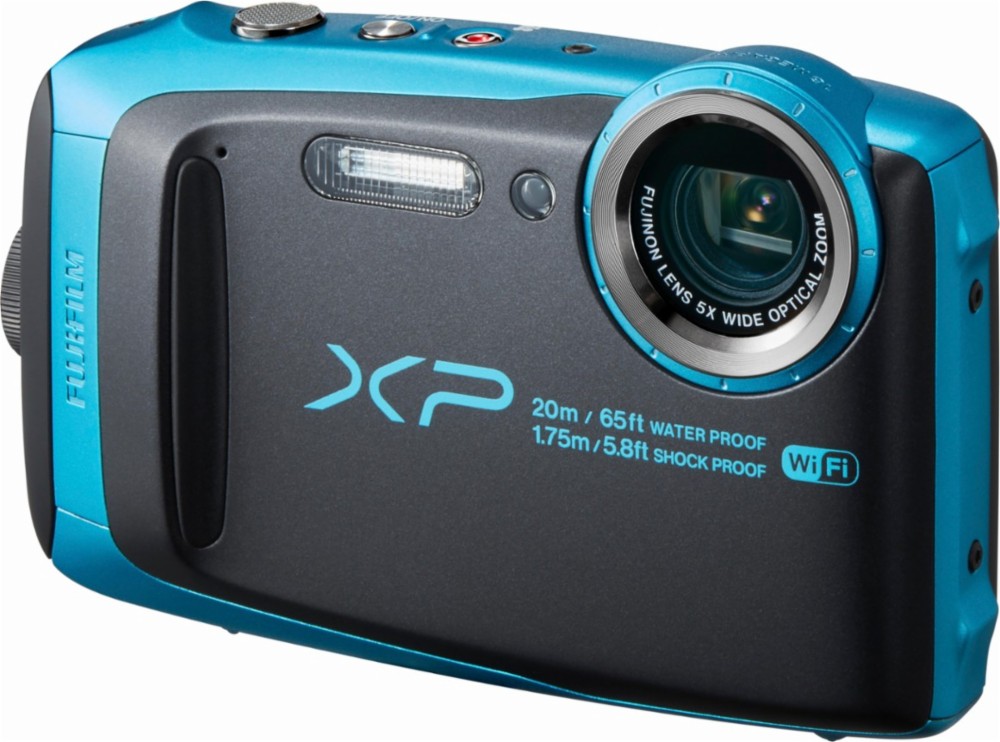
A more budget-friendly option, the Fujifilm FinePix XP120 is a camera that you’ll find in several instructors’ pockets. It’s waterproof to 65 feet, shock-proof to almost six feet, freeze-proof to -10 degrees F (thankfully we have never experienced temperatures anywhere near that cold at Adventure Treks!), and dust- and sand-proof. Its Full HD 1080p video option captures the action during any activity and has great image stabilization so stills won’t be blurry. Plus, it won’t break the bank.
GoPro Hero
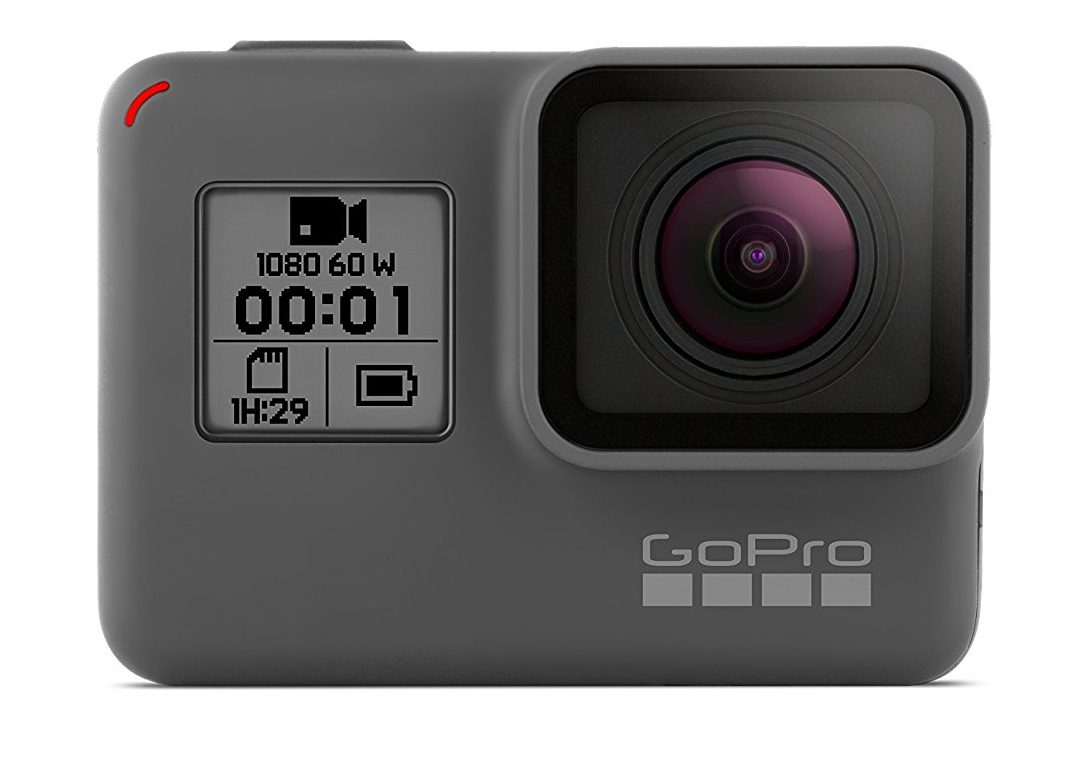
Everyone is familiar with a simple point-and-shoot, but not everyone knows about the GoPro option. A GoPro (there are other brands similar to GoPro, but for the sake of simplicity, we’ll stick with this particular brand) is a small, mountable (aka hands-free) camera that combines the best of the point-and-shoot and camcorder worlds and packs all those features into an easy-to-use, portable, compact, and virtually indestructible housing. It was created to capture action sports: Surfing, biking, rock climbing, running, etc. GoPros have wider lenses than many other simple cameras, allowing users to capture more of what’s happening around them. You can get additional housing to make it completely waterproof, and it’s just as tough as many of the point-and-shoots we recommend. While its original purpose was to capture beautiful video, it also provides the option to take great stills as well.
*GoPros can be on the pricey side; this website offers suggestions for less expensive alternatives.
Panasonic Lumix DMC-TS30K

I love the Panasonic Lumix line—I have one of these models in my personal photography arsenal. On this particular model, various scene modes allow you to take photos no matter the time of day or where you are (at sunrise, in low light in a forest, etc.), and you can add special effects like shooting in black and white. It’s kind of like the Instagram version of cameras, which should appeal to most, if not all, teenagers. It also has a quality video mode, including time-lapse capability. Another durable camera, it’s freeze-proof to 14 degrees F, shock-proof to almost five feet, and waterproof to 26 feet. This is a great wallet-friendly option.
If your child chooses not to bring a camera—don’t fret. The photos that our instructors take are always available as free downloads after the summer. And if you have any additional questions about what kind of camera is best, don’t hesitate to give us a call at 828-698-0399!
PS—Don’t forget to check out our blog on how to take great photos in the outdoors!