When it comes to buying outdoor gear for Adventure Treks (or even for a personal trip), there’s nothing more daunting than trying to decipher every obscure label, material, fabric, and technology that comes with buying even the simplest outdoor item these days.
But Adventure Treks is here to help! This spring, we’re launching our Gear Series: Tips for Buying Outdoor Gear. We’ll discuss some of the materials, technologies, labels, and other features commonly found on outdoor equipment, and attempt to clarify their meaning, use, and how they’re helpful on an AT trip.
Waterproof rain gear
Waterproof rain gear is an essential item on any outdoors packing list; no matter the weather, it’s an indispensable piece of your personal gear kit. With that said, it can be confusing to know if you’re purchasing the right item. “The list says rain coat; this one looks good, but it says it’s a hard shell, not a rain jacket. Will that work? Oh, it’s GoreTex; do I need GoreTex? Wait, what is GoreTex?”
To make your shopping easier, we’ve included some helpful terminology below with advice on choosing the right rain jacket and rain pants.
(Note that while we mostly talk about rain jackets, the following applies almost identically to rain pants.)
Rain gear glossary
Waterproof: An item that’s truly waterproof means it’s made from PVC vinyl or fabric that’s treated with a rubberized coating, creating an impermeable layer that water can’t get through. While these products are indeed waterproof, they’re heavy, bulky, and don’t” breathe” for hiking or other activities (the classic yellow fisherman’s coat comes to mind).
Because we’re so active in the outdoors at Adventure Treks, we need something that’s both waterproof and breathable (backpacking in a rubber coat would cause a swampy, sweaty mess).
Bottom line: Don’t buy this kind of jacket or pants for an AT trip.
Waterproof-breathable: The magic phrase! This describes technology built into a garment that prevents water from seeping through the fabric on the outside, while allowing water vapor from your body (i.e., sweat) to escape. Essentially, the “pores” in waterproof-breathable materials are small enough to keep water out, while still allowing vapor to escape. This means you can hike in this kind of jacket and not worry about sweating or getting that clammy feeling—while being protected from the elements.
Many companies have proprietary waterproof-breathable technologies such as Polartec’s Power Shield, Marmot’s PreCip, Patagonia’s H2No, or The North Face’s DryVent— but they’re all just different names for the same thing.
Bottom line: A waterproof-breathable jacket and pants are a MUST for any Adventure Treks trip—or if you live in a humid, rainy climate where you’ll spend a lot of time moving around outside.
Hard shell vs. soft shell: Hard shell simply refers to a waterproof-breathable fabric that has no insulation (like a heavier ski jacket). It doesn’t keep you warm and dry, just dry. We like to layer fleece jackets or comfortable baselayers under a rain jacket to keep warm.
A soft shell is a pliable fabric made from woven synthetic fibers that is, well, soft and feels more like a sweatshirt than a rain jacket. While not waterproof, these fabrics are often treated with DWR (see below) to provide some protection. While they provide some insulation and protection from the wind, they’re not acceptable substitutes for rain protection.
Bottom line: Your Adventure Treks rain jacket should be a hard shell jacket.
DWR (durable water repellent): This is a treatment applied to a fabric to create a hydrophobic (“water-fearing”) surface. This is what causes water to “bead up” on the surface and roll off instead of soaking in. However, DWR does not mean it is waterproof!
Bottom line: DWR does not equal waterproof-breathable; make sure you purchase waterproof-breathable.
GoreTex: Similar to Kleenex or Velcro, GoreTex is a brand name commonly used as a “catch-all” for waterproof-breathable technology. GoreTex is widely considered to make the most effective waterproof-breathable membrane, and therefore can be commonly found on many different brand-name clothing. GoreTex is durable and reliable; if you plan to spend many hours being active outdoors, then it makes sense to spring for GoreTex.
Denier: This is a term that describes how thick a fabric is, and it often appears in a product description as a number followed by a “D” (e.g. 30D). The lower the number, the thinner and lighter the fabric. 10D is very light (think pantyhose); 300D is very thick (think heavy canvas). Most rain jackets are somewhere in the 30–50D range.
Rain gear styles
2-layer shell: This refers to rain gear that comprises the “face” (outer) fabric and the waterproof-breathable membrane on the inside. These two layers are laminated together or sprayed on as a coating.
2.5-layer shell: This is the similar to the 2-layer; these products are usually more affordable, but they are slightly less durable. Plus, people often report feeling a little clammy or moist on the inside.
3-layer shell: The same first two layers are laminated together (“face” fabric and inner waterproof-breathable membrane), but they have an additional durable layer laminated on the inside of the jacket. This “fabric-membrane-fabric” sandwich creates a highly durable, 3-layer shell that feels like a single piece of fabric. This is often the most expensive option because of the extra material and higher quality fabric; it also has a more advanced look and design.
Suggested rain jackets
2-layer hard shell: Marmot PreCip Jacket (men’s and women’s)
2.5-layer hard shell: Outdoor Research Apollo Jacket (men’s and women’s)
2-layer hard shell with GoreTex (my personal favorite and in my opinion the absolute best jacket for the money): Marmot Minimalist Jacket (men’s and women’s)
3-layer hard shell without GoreTex: Patagonia Torrentshell (men’s and women’s)
Other recommended brands: REI Co-op, Columbia, Mountain Hardwear, The North Face
Our rain gear takeaways
So, we just threw a lot of technical terms out there. What does it all come down to? For an AT trip, pick a waterproof-breathable hard shell that keeps you warm and dry. Rain jackets must have a hood and should fit comfortably over fleece and baselayers. Just like the jacket, the rain pants need to be a waterproof-breathable shell that fit over your hiking, fleece, or baselayer bottoms. You might consider full side-zippers to get in and out of them more easily.
Making the decision to embark on an Adventure Treks trip for the first time can be a little unnerving and scary; after all, many of our new students have never done an outdoor trip before! We applaud our students’ choices to step outside of their comfort zone to do something completely new, including meeting new people from all over the country and world; trying outdoor activities like mountain biking, mountaineering, rock climbing, and backpacking; and living in a close community for two to four weeks at a time.
We recently asked our returning students and parents and alumni for their best advice for new students coming to Adventure Treks for the first time. As usual, they delivered with heartfelt, thoughtful comments! Below is part 3 of our advice series.
Any advice for packing and organizing the duffel bag?
“Use Ziploc bags or stuff sacks to organize different types of clothing and activities; this is really helpful when doing laundry and packing for different activities.” – Alex F., student from Winnetka, IL (2 trips)
“Keep your pants, shirts, underwear, socks, and jackets all in separate stuff sacks, and pack extra Ziploc bags for wet items. On the trip, put all your clothes in a trash bag in case it rains and the tarp doesn’t get put up in time. If you can get most of your clothes washed on laundry day, it’ll keep them from getting gross and gives you more options. Pack leggings for hanging around camp and make sure to pack a pair of sweatpants or pajama pants that you can keep in the bottom of your sleeping bag with a long-sleeved T-shirt. It makes sleeping more comfortable and clean because you aren’t sleeping in the clothes you wore that day. And make sure your flashlight works, or bring two. Mine died the first night of our first backpack, but luckily I had a tent light to use.” – Serena G., student from Erie, CO (1 trip)
“Just pack what is on the list. AT makes it easy! My kids did not use everything each year, but they never complained that they were missing something. My kids lost things in the bottom of their duffel bags, but found them again before the end of the trip. We had shoes that didn’t make it back home, but… oh well, that is part of it! Just don’t send anything you are super attached to. Kids have a way of misplacing things…” – Laura Cattabriga, parent from Miami Beach, FL (4 trips)
“Stick to the packing list. Our first year, I made our daughter take extra stuff, which she never used, and I still had to wash it all on her return. The stuff sacks are a really good idea; they help keep thing semi-organized in the duffel. Some things will get lost, but don’t worry about it; they sort themselves out and nothing is intentionally lost. These days, she packs her own bag.” – Anne and Roland Hooley, parent from Pinecrest, FL (3 trips)
“The first trip I went on, I made the mistake of not organizing my duffel, and by the end, my clothes looked like a giant salad in my bag. I couldn’t find clean clothes, and the lack of organization made it hard to get ready each day. If you organize all of your clothes into labeled Ziploc bags and bring a laundry bag, you can avoid chaos in your duffel. This will help you get ready quickly and efficiently, and even help the group out as a whole when we are trying to leave a campsite in a rush!” – Megan S., student from Franklin Lakes, NJ (4 trips)
“Try not to overpack, and pack everything very tightly into your duffel. Bring a laundry bag and synthetic clothing. And if you can, bring a waterproof duffel. Also, make sure your duffel isn’t too big, because you will be passing them around in a fireline fashion every night.” – McCallum K., student from Durham, NC (2 trips)
“Packing for an AT trip can be overwhelming, but they provide great packing lists. Don’t take anything they don’t list. And, as we have found in the past, our kids returned without even wearing some of the clothes they packed! (Remember, they don’t shower that often.) The gear doesn’t need to be the high price variety; look for deals. Plan ahead, and don’t wait until the last minute to order/find the items on the list. Most important, get good hiking boots early and BREAK THEM IN! A good quality duffel bag works great, and then we used a couple small, hard-sided containers (made for camping) inside the duffel to keep the small items that might be prone to damage in good order and to keep them organized!” – Michelle and Wade Eichhorn, parents from Ely, IA (6 trips)
“If you aren’t sure you need something (and it’s not on the packing list), it’s probably not worth the space. You’ll regret every extra item whenever you have to search through your duffel. Flair is the exception—bring as much you want!” – Erin H., student from Hendersonville, NC (3 trips)
“Organize things into Ziploc bags and label them. Once you have all your bags done, put the ones you are least likely to use on the bottom, along with any non-clothing bulky items, and the things you are going to use the earliest at the top. The list given to you is everything that you will need; overpacking just makes it harder to repack your duffel everyday. Before bringing something not on the list, think to yourself whether you are really going to use it. Don’t worry too much about anything because as long as you follow the packing list and AT’s recommendations on how to prepare, you will be well-prepared.” – Mackenna M., student from Durham, NC (2 trips)
“When you’re packing, make sure you bring things that will be comfortable to wear in the environment you’re going to, like athletic shirts and shorts… breathable clothes in general are a good idea. As for organizing, sort your clothes into categories based on articles of clothing, socks, underwear, T-shirts, etc., and put them each in a separate stuff sack. The only issue then is making sure all the sacks fit in your duffel!” – Gibson D., student from Madison, WI (4 trips)
“To pack for the first trip, I made sure I read every single instruction on what to buy and how to pack. When they give you quantities, they know exactly what is needed. And it’s exactly what fits in the duffel bag they travel with. Right quality socks and boots are of utmost importance. First year, we had her go to school with her boots to make sure they were broken into beforehand, and she was so excited she actually did it a few times.” – Hildegard Vasquez, parent from Panama (10 trips)
“Organization within the duffel is as important as the clothes inside; a duffel can become a black hole, so packing clean socks, underwear, shirts, and shorts in separate stuff sacks helped our daughter manage and balance clean and previously worn clothing. Also, a “dirty clothes” bag to take clothes out of circulation within the bag was helpful.” – Kyle Graham, parent from Erie, CO (1 trip)
“Parents need to know how smelly everything is when they come home. It may be because I have a son, but I would warn every parent to open the duffel bag outside!!! It never ceases to amaze me how bad it smells. I always send him with lots of plastic bags (big garbage bags and smaller Ziplocs) but there is always something damp with a bad odor. We laugh each time he comes home over the stink, but I have yet to come up with a packing strategy to avoid it. If someone else has one, please help me!” – Marni Eisner, parent from Winston-Salem, NC (4 trips)
“Make sure you have a Ziploc with a clean outfit for the last day because you’ll definitely want it.” – Lexi S., student from Mooresville, NC (3 trips)
“Use the list that AT provides, and definitely have all the required items. It’s helpful to pack the duffel yourself so that you’ll know where everything is! It’s not fun having to search for your lantern when dinner is waiting.” –Krithi D., student from Berkeley, CA (3 trips)
Any last-minute general advice for AT?
“Adventure Treks is the best experience I think I’ve ever had. You learn so much and do so many things in such a short period of time. Yes, some things are hard, but it is well worth it.” – Alex F.
“Don’t let any potential drama get in the way of the connections you make with people. And try not to cause drama because it takes away from the entire AT experience.” – Serena G.
“Make the best of your summer! Take advantage of every new opportunity, and always be ready to try new things!” – Claire T., student from Nashville, TN (5 trips)
“My best advice—set them free! It is an amazing experience. Our kids had lots of fun and still talk often about their adventures.” – Laura Cattabriga
“The first trip was quite daunting for us; we were new to the country and the whole camp experience, and our daughter didn’t know anyone else going. But she settled and made friends quickly. For us as parents, we couldn’t wait for that first contact. The return was hard as she didn’t settle at home for a couple of weeks, and she couldn’t stop talking about it. But it gave her a fresh outlook on life, which was refreshing. It was huge in learning to dealing with others and working things out and compromising. It has certainly given her an appetite for this type of trip: The activities are great, fun, challenging, and team-building. The food worked really well; our daughter has dietary restrictions, and we have not had any issues about it.
Great friends have been made through AT over the past two years, even when she had to leave early last year due to severe allergic reactions to something. (The staff kept us informed every step of the way with the allergic reaction and doctors’ visits; at the end of the day they could not compromise her or the rest of the group. We were very impressed with the handling of the situation.) She has managed to maintain the friendships and sees one of them at least once a year outside of camp. This has been one of the best experiences, and she has gained so much from the trips that just wouldn’t be possible otherwise. She has planned the next few summers in terms of trips with the aim of making it to Alaska. Also, we now work on the principle that no news is good news!” – Anne and Roland Hooley
“Don’t be nervous at all! I know it sounds scary to live with a group on unfamiliar faces for a few weeks, but everyone is so friendly, and it’s so much fun. Coming to AT each summer has taught me life skills that I would have never learned back at home. I have improved my social skills, and meeting new people is no longer a stressor for me. I’m also less nervous about my college interviews because I’ve learned how to talk to new people and introduce myself! But overall, words cannot describe how amazing AT is, and how much it has impacted my life. I couldn’t have asked for a better way to spend my last few summers. I am so sad that this upcoming summer will be my last trip, but I hope to be an instructor one day to watch kids grow from all the valuable lessons taught at AT.” – Megan S.
“My best advice to new Adventure Treks families: Enjoy the process and the trip. The world is a small place these days. The chance for our kids to go out on a trip by themselves, for them to meet kids from all around our nation and the world, in a safe and supportive atmosphere, is one of the best gifts we could have given them. They are more prepared to make the big step into college and the ‘real world’ because they were put into situations that challenged them, met people with different backgrounds, and were able to partner with them to achieve goals. In the great outdoors! Without phones!!!!! And they survived, and flourished! AT is one of the best decisions we’ve made as parents.” – Michelle and Wade Eichhorn
“Final advice: Keep an open mind. You’ll meet lots of different people and you’ll want to try to get along with all of them. The same goes for the challenges you face: Stay optimistic, because the happier you are, the easier everything gets.” – Gibson D.
“Just go have fun and be yourself! You’ll be with the same people for the next few weeks, so there’s no point in being someone else. And keep a positive attitude! It really brings the group down to be negative when things get stressful. And take lots of pictures and videos!” – Audi E., student from Ely, IA (5 trips)
“When you come to AT without a friend, don’t look at it like no one here knows you. Look at it like it’s a chance to see how many friends you can make.” – Sky W., student from Willard, UT (2 trips)
“All three of our daughters have caught the AT bug. As parents, our summers are spent with the certainty that the kids are having an amazing time. We check photos and blogs we receive on a constant basis and feel so happy when we find them on a picture that shows them smiling and connecting with nature. My husband and I also love to spend time with each other and travel a bit when our house will be an empty nest. When they come back full of memories, stories, and friendships, we know their summer has been a success. Just beware, you will drop one kid off at the airport and pick up a better one at the end of each trip.” – Hildegard Vasquez
“1: Be a yes person. Say yes to anything that comes your way (unless it breaks the rules). 2: Cherish the amazing memories you’re about to make, good and bad. 3: Stay in the moment. 4: Don’t freak out when you meet your fellow students. 5: Try your absolute hardest to keep in touch with the friends you’re about to meet. 6: Write your college admissions essay about your experience (it will only help you get in). Get ready for the trip of a lifetime!” – Ian M., student from New York, NY (3 trips)
“First, fully embrace who you are and don’t hold back. Push yourself—physically, mentally, emotionally—to do things and connect with people far beyond what you thought you were capable of. There is truly something special about the AT community and environment that fully embraces you, so fully embrace yourself. And second, go through the whole experience with an open mind, an open heart, a thirst for adventure, and a drive to always be putting yourself out there, helping out, trying something new, and making the best memories out of every moment.” – Kate W., student from Erdenheim, PA (3 trips)
“Just be yourself! Don’t be afraid to try something new… if you don’t like it, you don’t like it. That is totally fine! Plus, everyone at AT will be there every step of the way experiencing the same stuff. You’re not alone!” – Remi M., student from Columbus, GA (2 trips)
“Remember, there are a lot of other people that will be in the exact same situation as you! If you’re nervous about a specific activity, like mountain biking or backpacking, I completely understand. Mountain biking is terrifying to me! The instructors are there to help you get through the activities, and I learned you don’t always have to be the best at everything. I hope you guys have an amazing trip with really good instructors and activities!” – Krithi D.
https://d52gwxhjtzjcm.cloudfront.net/2025/01/BC1-18-IMG_3887-1200.jpg7061200AT Staffhttps://d52gwxhjtzjcm.cloudfront.net/2025/02/AT-logo-white-NEW.pngAT Staff2020-06-11 17:37:102025-12-28 16:39:40Adventure Treks’ Alum: ‘Our Advice for New AT Students’ – Part 3
Making the decision to embark on an Adventure Treks trip for the first time can be a little unnerving and scary; after all, many of our new students have never done an outdoor trip before! We applaud our students’ choices to step outside of their comfort zone to do something completely new, including meeting new people from all over the country and world; trying outdoor activities like mountain biking, mountaineering, rock climbing, and backpacking; and living in a close community for two to four weeks at a time.
We recently asked our returning students and parents and alumni for their best advice for new students coming to Adventure Treks for the first time. As usual, they delivered with heartfelt, thoughtful comments! Below is part 2 of our advice series.
Any advice for new students coming without a friend or someone they know?
“Although it’s awesome to come to AT with a friend, I think one of the best parts and definitely one of the most life-changing aspects of the whole AT experience is going by yourself. There is something really amazing about a bunch of strangers from all over the country and the world ending up in the same place, and over the course of a few weeks genuinely becoming a family. It may seem a little scary at first, but trust me, whether it’s the second you meet your new best friends or a few hours in, you’ll begin to feel a sense of compassion, support, and community like no other. Everyone genuinely wants to get to know you for you, and it’s crazy how close you bond with people over the insanely amazing experiences you’ll share together. By the end of the trip, even though you once walked into the experience as strangers, you’ll walk away with best friends who you couldn’t imagine living life without.” – Kate W., student from Erdenheim, PA (3 trips)
“I didn’t come with anyone last year. Immediately, all of the kids open up and even on the first day we were having fun. By the end, everyone is so close it is amazing to think that three weeks ago you just met these people.” – Alex F., student from Winnetka, IL (2 trips)
“If you are coming without a friend, it’s OK! Some people come together, but they are typically returning and probably had no idea they would be on the same trip. Put yourself out there, and don’t be afraid to be yourself.” – Serena G., student from Erie, CO (1 trip)
“I came to my first AT trip without a friend, and I left with 20 best friends. Coming without a friend is honestly a better decision than coming with a friend. It can be nerve-wracking, but I promise it’s worth it to have a fresh start with new people. I love having a separation between home friends and camp friends.” – Claire T., student from Nashville, TN (5 trips)
“It’s ok to go without a friend! Once you arrive and meet the group, everyone is so welcoming and wants to talk to you. I think it’s better to go without someone from home, so you are more open to the idea of making new friends at camp. And everyone is nervous on opening day; just be yourself when you meet the group! I always remember that after the first day hike, all the nerves go away.” – Megan S., student from Franklin Lakes, NJ (4 trips)
“If you are coming without a friend, don’t worry. If it’s your first trip, there’s a good chance that it’s other people’s first trips, too. In my experience, everyone is extremely happy to meet new people, and everyone has a good time.” – Gibson D., student from Madison, WI (4 trips)
“I think it’s actually better to not bring a friend! It gives you a chance to get out of your comfort zone and socialize with people. But no shade if you do bring a friend. Just remember to include everyone and not to hang out with your friend all the time.” – Audi E., student from Ely, IA (5 trips)
“Most people come to Adventure Treks without a friend, but as soon as you arrive, you will make friends! Everyone is really nice, and making friends is not something that you should worry about.” – MacKenna M., student from Durham, NC (2 trips)
“Everyone is so friendly, and most of us are coming without a friend, too! At first, I was nervous about making new friends, but I noticed everyone was so eager to meet and get to know each other. I knew everyone’s name by the next day.” – Natalia M., student from New York, NY (3 trips)
“If you’re coming without a friend, kudos to you for having the guts to do that. I remember the first time I met my fellow students, I freaked out and immediately thought I was going to have a miserable time. It turned out that the people I was so quick to judge ended up being some of my best friends.” – Ian M., student from New York, NY (3 trips)
“I came without a friend my first two years, and it was more fun—because if you come with someone, you’re probably not going to talk to as many people on the first day. I’m shy when meeting new people, but the first day is the best for making friendships. Also, everyone is very nice and open, and it’s really easy to make friends. At the end, you’ll be crying because you don’t want to leave your new family.” – Lexi S., student from Mooresville, NC (3 trips)
“The biggest thing I can tell you about going on a trip without a friend is that it’s going to be totally fine! I’ve done it twice, and I always get that little nervous feeling in my stomach a few days before the trip. But both times, I’ve been so lucky to find lifelong friends from all over the world. And remember, there are a lot of other people that will be in the exact same situation as you!” – Krithi D., student from Berkeley, CA (3 trips)
“Don’t worry if you’re coming without a friend; unless you count AT returners, a lot of people don’t know each other. Even if there are preexisting friendships, everyone will become super close really quickly. It’s like you’ll develop a second family. The people on your trip will become your best friends by the end. It’s just a natural thing that happens with trips like these.” – McCallum K., student from Durham, NC (2 trips)
What about advice for students who are nervous about not showering every day?
“It’s no big deal. Yes, everyone is dirty, but nobody cares. Also, there are always spots to swim.” – Alex F.
“Don’t worry about showering every day; no one else is, either. Pack deodorant if you need, but maybe not on backpacking sections. If you are worried about greasy hair, you can just tie it up. I always wore my hair up for the backpacks.” – Serena G.
“We all are not showering, so don’t worry! It may be out of your comfort zone, but I promise you won’t even notice it. We also swim a lot at Adventure Treks, so I never felt too gross.” – Claire T.
“Not showering every day is honestly not a big deal! At first, I was horrified with the idea of not showering for a week, but we went swimming a few times, so you wash yourself off then. Also, everyone is in the same boat as you, so don’t worry! Just put some deodorant on, and you will be fine. Another tip is to bring baby wipes; each night before I went to bed, I would clean my face and wash any dirt off my body with wipes.” – Megan S.
“You’re not the only one who isn’t showering every day, so everyone else is going to smell just as bad as you… therefore, you probably won’t smell anything at all! You’ll get plenty of opportunities to jump in a stream or a lake and get the worst of the dirt and grime off, so you’ll stay quite clean—all things considered.” – Gibson D.
“It’s actually not that bad. Everyone else is in the same place you are. But it is really nice to shower when you do! If you want to save space on backpack sections, bring only two outfits and wear those for a couple days each. (Obviously, change your underwear.)” – Audi E.
“You will shower about once a week, but every day is so busy and fun that you do not even notice that you haven’t showered.” – MacKenna M.
“I found it very helpful to pack face wipes and sanitizing wipes in my toiletries bag and also in my backpack for easy access.” – Natalia M.
“Everyone goes without showering, so everyone feels gross and no one is going to judge you. And when you’re doing all these fun things, you don’t really care that much. If you have long hair, you can have someone Dutch braid your hair!” – Lexi S.
“Not showering everyday might seem difficult for some, but I swear, when everyone else is doing it, you won’t notice a thing. And it’ll make those few showers feel like heaven.” – Krithi D.
“You definitely get used to it. Don’t worry about smelling bad, because everyone else will, too. After a little while, you won’t mind being dirty that much.” – McCallum K.
“The beauty of AT is that everyone else isn’t showering every day, either, so although it may seem weird at first, it actually feels kind of normal not to shower all the time. You’ll definitely learn to appreciate how good a hot shower feels after a couple days of backpacking, but there are lots of lakes and other opportunities to swim. You may just find that in the middle of the backpack, where you are covered in dirt from a long day of adventure, that you have the biggest smile on your face—and the last thing you think about is a shower.” – Kate W.
https://d52gwxhjtzjcm.cloudfront.net/2025/01/BC2-IMG_0435-1200.jpg6681200AT Staffhttps://d52gwxhjtzjcm.cloudfront.net/2025/02/AT-logo-white-NEW.pngAT Staff2020-06-05 17:45:152025-12-28 16:39:40Adventure Treks’ Alum: ‘Our Advice for New AT Students’ – Part 2
Making the decision to embark on an Adventure Treks trip for the first time can be a little unnerving and scary; after all, many of our new students have never done an outdoor trip before! We applaud our students’ choices to step outside of their comfort zone to do something completely new, including meeting new people from all over the country and world; trying outdoor activities like mountain biking, mountaineering, rock climbing, and backpacking; and living in a close community for two to four weeks at a time.
We recently asked our returning students and parents and alumni for their best advice for new students coming to Adventure Treks for the first time. As usual, they delivered with heartfelt, thoughtful comments! Below is part 1 of our advice series.
Any general advice for students (or their parents!) who might be a little nervous about attending AT for the first time?
“Going to Adventure Treks [in 2019 for the first time], I had many of these same worries. Don’t make any assumptions on what an activity or people will be like. For example, last summer I was not excited for the rafting trip because my family rafted once and it wasn’t very fun. At AT, though, the rafting was one of my favorite activities, and I wished that I didn’t dread it the whole trip because it totally was not what I expected.” – Alex F., student from Winnetka, IL (2 trips)
“The first day can be kinda awkward, especially when you don’t really know anyone. But don’t be afraid to put yourself out there to make a new friend—it’s totally worth it!” – Serena G., student from Erie, CO (1 trip)
“Like all first-timers, our granddaughter was apprehensive about what to expect the first time. But rest assured, the Adventure Treks team—in the office and on the ground with the kids—really know how to assure that each and every teen has a wonderful experience. Your children (and grandchildren) will come back to you so much more grown-up, self-assured, and independent—and the growth each year is a wonder to see. The most difficult part of the trip is the first few days when they return; it is an adjustment coming back to reality and, of course, they miss their friends. Our granddaughter most of all loves the lasting friendships she has made, the instructors being a close second to her peers; she also finds the beauty in the wilderness, the challenges that come up, and working together as a team so fulfilling. And, she barely misses her cell phone! Her grandfather, mother, and I can’t say enough good things about this program and can’t wait to hear all about her California Challenge this year!” – Susan Norwalk, grandparent from Norwalk, CT (3 trips)
“It is perfectly normal to be nervous! The first day at AT may seem overwhelming, but remember that everyone is nervous. Everyone there is looking to make friends, so reach out—and before you know it, you will have met some of your best friends!” – Claire T., student from Nashville, TN (5 trips)
“The first thing I would say to any new AT parent is that your kids are stronger and more resilient than you realize. This is the moment for them to try new things, test new skills, and have their own adventures. They need to do this without us always looking over their shoulders. We need to love them enough to let them make their own mistakes and have their own success. It is also really important for teens to see life beyond the bubble they usually live in, beyond their comfort zone. The experience reminds them that there are many ways to live, and they are strong and capable of adapting and flourishing! Finally, AT allows kids to join a new community with no preconceived notions about who they are or who they are not. They have the chance to meet and bond with kids and instructors in a neutral setting that allows for real friendships to evolve. AT is a great reminder that life is about more than stuff. It is about who you are and not what you have.” – Laura Cattabriga, parent from Miami Beach, FL (4 trips)
“I have met some of my best friends at AT, and I still talk to people that I met on my first trip three years ago. Also, I have had many reunions with some of my best friends, and I FaceTime the ones that live far away. I can’t imagine my life without some of my friends from AT. And each summer I get to reunite with my friends with previous trips. Running up to your best friends and hugging them after not seeing each other for a year is an amazing feeling. I can’t wait to see some of my friends in Alaska this summer!” – Megan S., student from Franklin Lakes, NJ (4 trips)
“First off, it’s normal to be a bit nervous for first-time adventures—we certainly were. But rest assured, the AT staff have the travel stuff VERY well organized. From the moment your child gets on the plane, they are tracking flights; they give great directions regarding flight times, travel tips, and how and when the instructors will meet your child. They make sure your child checks in with you via phone when they are all together so that you can rest assured they aren’t wandering the airports. When our daughter went on her first trip with AT, I traveled with her to the Denver airport. As soon as we got off the plane, we met up with one of her instructors and then she was on her way. I was able to fly back knowing that she was in good hands, and confident that she was beginning a trip of a lifetime. In this day and age, one of the greatest gifts we can give our kids is to provide safe, guided challenges—getting to know strangers in the wilderness is just one of those challenges! As our daughter leaves for college this fall, I have no worries about how she will do in a setting with new people she doesn’t know.” – Michelle and Wade Eichhorn, parents from Ely, IA (6 trips)
“My general advice if you’re feeling nervous is that it’s way easier to integrate into Adventure Treks than you think; you have no need to be worried because everyone else might be worried, too.” – Gibson D., student from Madison, WI (4 trips)
“You might be a bit nervous about people not liking you and the activities being hard or boring, but you should keep in mind that everyone else is giving you a chance—so you should give them a chance, too. The activities are not meant to be easy… they are meant to help you grow, and once you’re done with them, you will be so glad you did an AT trip.” – Sky W., student from Willard, UT (2 trips)
“Just jump in! I remember that at my first year of being at Adventure Treks, I was nervous and didn’t say much for the first few days. But I think if you walk in being yourself, you’ll have nothing to worry about! Just go have fun and be yourself. You’ll be with the same people for the next few weeks, so there’s no point in being someone else. And keep a positive mindset! It really brings the group down to be negative when things get stressful. Take lots of pictures and videos!” – Audi E., student from Ely, IA (5 trips)
“We found AT via an internet search. Our oldest daughter wanted to have an outdoor summer experience, and we were scared she would go on any trip and call us a day later to ask to be brought home. I wrote to AT just because I liked their website (truly). They called me the next day and explained the whole program. I was relieved to know that my daughter did not need to be a star athlete and that trips were gender-balanced so that she would not be the only girl on the trip. In terms of safety, to be honest, explanations were so clear that I never doubted she would be safe in their care. As the trip approached, all she had was great anticipation for what has become a way of life for her. She went on five AT trips throughout high school and has made lifelong friendships. I remember one summer where I told her that maybe as college applications were approaching, she should try a college prep summer camp. She just looked at me and said, ‘How many girls do you know have climbed Mt. Shasta?'”– Hildegard Vasquez, parent from Panama (10 trips)
“Even though our daughter grew up around Adventure Treks [as I am a former AT instructor], she was very nervous about attending her first adventure. But she found all of the online videos, blogs, and other information very helpful to ease concerns. She was also very concerned about navigating an airport on her own for the first time—we found studying online airport layouts and signs for concourses, gates and baggage claim was helpful.” – Kyle Graham, parent from Erie, CO (1 trip)
“I was lucky enough to have my older sister to give me tons of advice for my first trip, and I’ve been so lucky to find lifelong friends from all over the world! Remember, there are a lot of other people in the exact same situation as you. If you’re nervous about a specific activity, like mountain biking or backpacking, I completely understand. Mountain biking is terrifying to me! The instructors are there to help you get through the activities, and I learned you don’t always have to be the best at everything.” – Krithi D., student from Berkeley, CA (3 years)
“If it’s your first time attending AT, don’t get too nervous that it stresses you out. Once you get there, you’ll realize how amazing it is. Try to enjoy every single thing. Even it’s just a van ride or staying up late in your tent, those are honestly some of my favorite memories. Also, try to talk to every single person, and soon your trip will have inside jokes and everyone will be really close.” – Lexi S., student from Mooresville, NC (3 trips)
“James started at Adventure Treks when he was 13; he was born and raised in the same small town, in the same house, with the same people. He had never done anything outside of the family, his circle of friends, or his sports teams. When I was 13, I went with a group of about 14 kids my age (that I did not know prior) on a road trip from Virginia to Canada and back. We camped, backpacked, and whitewater rafted at many stops along the way. It had a huge impact on me that I have never forgotten, and I wanted my son to have the same experience. I researched outdoor programs on the internet and found Adventure Treks. Comparing AT to the other programs, I liked their philosophy best. The reviews almost seemed too good to be true. It was not an easy decision, and it was a monetary sacrifice. But I pushed forward and got my wish. Putting him on the plane by himself led me to wonder if I had any idea what I had done. He arrived safely, so I got over the first hurdle. The next day we received a picture of James in his new AT group. It was a little painful to see him standing apart from the group, so stiffly, hiding behind his bucket hat and sunglasses.
The next few weeks were long and lonely. However, my fears subsided each time I heard his voice on the phone. He was having such a good time that I don’t think he missed us a bit. It felt bittersweet. But when we picked him up from the airport, I knew we had made one of the best decisions for his life. He got off the airplane happy and confident… ready to take on anything. Over the next few months, conversations opened up about his adventure, the people he met, the insight he shared from his journey, and what he wanted from himself and us.
James has gone every year to Adventure Treks since then. And each year was a bigger step. The first year was to the Smokey Mountains in NC, a two-hour plane trip away. The next year was to British Columbia, his first time out of the country (he was excited to get a passport). The year after that was to the Pacific Northwest (first time having to switch planes by himself).And last year, at 16, he flew to Alaska. He switched planes three times with 3- to 5-hour layovers. I kept calling him each time he landed to make sure he made the next plane, but he said, ‘Mom, I got this. This isn’t the first time I’ve flown.’ Leadership Summit will be his last trip before heading off to college. He wants to major in mechanical engineering and design and produce outdoor gear and equipment. He found his passion!
It is humbling to realize that there was something my child needed that I could not do myself. He had reached an age that a parent can not follow. All I could do was provide him with a positive experience that provided growth and opportunity. I had to TRUST: trust that we had given him enough to make the trip alone, trust our son to grow in a positive direction without our suggestions and nudges, and trust AT to do what they do best: guide young minds into becoming the best version of themselves.” – Diane Parana, parent from Berlin, MD (5 trips)
“First of all, I know flying alone can be scary; on my first trip, I had to fly alone, and that was the main thing I was nervous about. But when you get to the airport, your parents can walk you all the way up to the gate, and when you get off the plane, one of your instructors will be there to pick you up. Also, be yourself 100 percent because you will have so much more fun. I know it can be scary putting yourself out there, but it is so worth it. I would encourage new students to step out of their comfort zone and try something new. Your summer with AT will be the best summer you’ve ever had, and you will want to keep coming back every year, so have fun and live it up!” – Zoey G., student from Apex, NC (4 trips)
“New parents should know that their children couldn’t be in better hands. Because I know you do everything as if it were your own children traveling on these adventures, I can rest easy knowing that Tyler is safe, secure, and active. I have watched Tyler grow with you over the years, first at Camp Pinnacle and now through three different trips with Adventure Treks.” – Marni Eisner, parent from Winston-Salem, NC (4 trips)
“Don’t worry too much about anything, because as long as you follow the packing list and AT’s recommendations on how to prepare, you will be well prepared. Once you arrive at AT, all the things that you were worrying about will seem nonexistent because you will be having so much fun and making lots of new friends.” – MacKenna M., student from Durham, NC (2 trips)
“On my first trip, I was super nervous and worried that I was not as experienced as other students going, as I live in a city and had never been backpacking—let alone camping before. However, I quickly realized everyone was so kind and helpful, and I wasn’t alone! I learned many new things and made friends instantly. By the second day of backpacking for the first time, I felt like a pro and had the time of my life!” – Natalia M., student from New York, NY (3 trips)
“I remember the first time I went on an Adventure Treks trip. The night before, I was researching everything I could find about planes because it was the first time I was going on a flight by myself. It is OK to be nervous and even more OK to do whatever you need to do to calm those nerves.” – Ian M., student from New York, NY (3 trips)
“I would say even though new students are nervous, a lot of other people are, too—even people who have been before—so just be yourself, and you will make friends really fast.” – Sophie H., student from Pinecrest, FL (3 trips)
“My daughter had never been a real ‘outdoorsy’ kid, having lived in the city her whole life. She’s active and likes a challenge and to be with other teens, but that first summer I was worried that she would not enjoy being outdoors and so disconnected from the city. We figured she’d give it a shot for one summer anyway because she had aged out of overnight camp, and I wanted her to have one full-on outdoor experience while she could.
When she called home after the first week of her California trip and told me they were sleeping outside without tents, I started profusely apologizing. She stopped me and started telling me how much fun it was, how she was enjoying the group a lot, and that it was a great trip. She never said it was easy, but she’s always valued the experience and has returned twice now. I could never have imagined that my iPhone-connected, Shake Shack–loving, nail polish–wearing teen could be so deeply engaged in the AT outdoor life.” – Julie Kay, parent from Brooklyn, NY (3 trips)
“It’s OK to be nervous! Going to a place where you don’t know anyone or the place can be scary. But all the students and instructors are very nice and welcoming. After that first long car ride to the first campsite, all your nerves will leave and you’ll be ready to have the best summer yet!” – Remi M., student from Columbus, GA (2 trips)
“You won’t understand how amazing the experience of an Adventure Treks trip is until you’ve lived it. But the second you say goodbye, you’ll understand that you’ve had an experience that has changed you in so many incredible ways. Whether it’s the best friends you’ve made, the confidence you’ve gained in yourself, or the newfound passion for adventure, you’ll leave changed in some way. So although it may be a bit nerve-wracking leading up to your first day, focus on all of the amazing people you’re going to meet, activities you’re going to do, and memories you’re going to make. Focus on all the ways you’re going to surprise yourself, all the songs you’re going to sing in the van, and all the laughs you’re going to share over the littlest things. Trust that it’s going to be the best summer of your life, and go into it ready to live every moment in the present.” – Kate W., student from Erdenheim, PA (4 trips)
Stay tuned for our next installment of advice, to be published on Monday, May 18!
https://d52gwxhjtzjcm.cloudfront.net/2025/01/CC3-19-Brian-30-1200.jpg6431200AT Staffhttps://d52gwxhjtzjcm.cloudfront.net/2025/02/AT-logo-white-NEW.pngAT Staff2020-05-11 16:58:472025-12-28 16:40:57Adventure Treks’ Alum: ‘Our Advice for New AT Students’ – Part 1
Every year in the Adventure Treks office, we field more than a few phone calls regarding how and what to pack for our trips. We know that sending your child off is already a stressful process, so we want to help make the packing process as anxiety-free as possible. We reached out to some of our long-time Adventure Treks families to ask what they wished they’d known when packing for their students’ very first trip; below is some advice that we hope will save you a bit of time and money. (Advice has been slightly edited for clarity.)
[line]
“Less is more; pack as lightly as possible. Students don’t necessarily “change” their clothes as often as one would think. Second, it is pointless to bring new clothing on this trip. I would pack old T-shirts; a lot of it gets thrown out upon return. Also, warm, comfy clothing at night to sleep in is a must, as it gets chilly at night and early in the morning. (Think sweatpants and a fleece jacket.)” – Rosanne, parent from Mamaroneck, NY (seven trips among three children)
[line]
“Don’t get too creative with your packing. AT gives you guidelines on what to bring, and they are right. Each time you pack for a backpack, they will tell you exactly what to bring (e.g., pack your puffy jacket, two pairs of pants, etc.). If you bring exactly what is on the packing list, you will have the tools you need for the hike. Also, be creative with your ‘flair!’ But for the main things, follow the advice of Adventure Treks.” – Kevin, student from McLean, VA (three trips)
[line]
“Last year, we wish we’d had a bigger duffel. It would have made packing for the trip and packing to come home easier. My son wishes he’d had some extra gallon-sized Ziploc bags while on the trip to help keep things organized and dry in his day pack. He also said it’s a must to have polarized sunglasses that curve around your face to avoid sunburn and snow blindness while summiting mountains. One last thing my son recommends: Don’t forget the flair! It makes things really fun! He’s planning to bring a journal this year to write down some of his most important experiences that he doesn’t want to forget.” – Allison, parent from Chapel Hill, NC (two trips)
[line]
“The first year, we wish we’d had a waterproof bottom in our duffel. Somehow, my son’s duffel was put down in a very wet spot and everything got wet—took a few days to dry out. The second year, we were prepared! Other than that, the packing lists are perfect. We follow them to a T.” – Kim, parent from Tampa, FL (three trips)
[line]
“My biggest tip would be to pack neatly and save space by folding your clothes, putting them into labeled Ziploc bags, and squeezing all of the air out of them. This helps with finding certain items, fitting more, and separating clean clothes from dirty ones.” – Jennifer, parent from Atlanta, GA (three trips)
[line]
“Last year, our girls wish they’d had see-through bags for clothes—this year, we will try Ziploc bags rather than stuff sacks. We also recommend good (not crappy) sunglasses with a leash.” – Lisa, parent from Santa Cruz, CA (four trips between two children)
[line]
“I wish I’d known how few clothes I needed to send as my son just wore the same ones over and over. Also, the foldable [Crazy Creek] camp chair is very important when sitting around the campfire.” – Joanne, parent from New York, NY (two trips)
[line]
“Force your kids to be a part of the packing process so they remember what’s in their pack and duffel!” – Megan, parent from Alpharetta, GA (two trips)
[line]
Between my two kids, I’ve assisted in packing for a whopping 10 (and counting!) trips. Here are some additional tips I’ve picked up over the years.
Never skimp on boots.
We go to our local outfitter and scan the store for the boot-fitting specialist. They ask lots of questions, like “Where are you going?” and “How long will you be hiking?” They’ll also measure your foot and how your ankle aligns as you stand and walk. Many stores have a simulated incline board to test the fit. Be picky and take your time—boots are an important purchase.
After buying boots, it’s time to break them in. Hike in the woods, walk the dog around the neighborhood, do laps up and down the stairs, or even wear them to school. Have your child wear a backpack with some textbooks to simulate carrying a larger backpack. The longer and more often your child wears them, the better. Dealing with blisters and hot spots is downright painful. Though instructors are well-equipped to care for your child, blisters are avoidable, and a small amount of planning makes the difference between a good trip and a phenomenal trip.
When it rains, it pours.
Though everything on the packing list is important, rain gear is another item to hold in high regard. Both the rain jacket and rain pants should be waterproof, not water-resistant—there’s a big difference there.(A poncho does not count as a rain jacket.) Both items need to be loose enough to fit a few layers, like a fleece jacket or baselayer, underneath. Many brands use proprietary waterproofing materials; a few include Gore-Tex (available in many brands), Patagonia’s H2No fabric, Columbia’s Omni-Tech, Marmot’s NanoPro, Mountain Hardware’s Dry.Q, etc. This might seem obvious, but also make sure the rain jacket has a hood (you’d be surprised—students have shown up in jackets without hooded jackets!).
What about all of that other stuff?
While the rain gear and boots should be quality items, that doesn’t mean everything else should break the bank.
You can find baselayers, headlamps, fleece jackets, and more at Target or other big-box stores for great prices.
Because camping pack towels are expensive, I usually find yoga towels at Marshall’s or TJ Maxx, and they work just as well.
Don’t want to buy stuff sacks? No problem—head to the grocery store and grab a box of gallon-sized Ziploc bags (as noted above, some students prefer these because they’re see-through). Label each bag with a Sharpie, and organize accordingly: socks in one, shirts in another, pants in a third, etc. Pack a few extra Ziplocs to separate clean and dirty for the flight home.
Root around in your closet for that pair of ski gloves or fleece mittens that you use once a year.
Bandanas go a long way. My son loves the Buff brand; they’re stretchy, durable, washable, and good for both hot and cold, rainy and dry weather.
For more technical items like trekking poles, check online outlet stores like Sierra Trading Post, REI Garage, the Backcountry.com sale section, and the Campsaver.com outlet section. Last-season models are just as good as current-season models, and they’re often half the price. My daughter was dead-set against having trekking poles on her first trip, but I packed them anyway (against her will), and she ended up using and liking them (whew).
Should you pack a camera or GoPro? The answer is yes! Check out our blog on what kind of camera to bring here.
What exactly is flair?
This is where students get to be creative in their packing; flair is a great opportunity for students to express their personalities. First-timers are a little hesitant, but when they see what instructors and other students have brought, they’ll be glad to have packed the tackiest item they own. Go through old Halloween costumes or check out the local thrift shop. Sparkly sequin tops and bottoms, onesies, colorful wigs, oversized glasses, tutus—you name it, and someone will have the silliest version of that.
Pay attention to details
You’ll notice on the packing list that we ask for both cotton and non-cotton socks, shirts, and pants. Cotton is acceptable for frontcountry use (like hanging out at camp), but not for most backcountry or active sections of the trip (like whitewater rafting, backpacking, etc.). This is where synthetic or merino wool materials are key: They are quick to dry and keep you warm even when wet. My son’s middle school director always said, “There is no such thing as a wet or cold child; just an unprepared one.” Fore more about the difference between cotton and non-cotton items, check out this blog.
If you still feel overwhelmed by the packing list, please give us a call at the office anytime. We are always happy to answer questions or help you find the right item that you need!
Parents rejoice when they learn about the Adventure Treks no-electronics policy. But the next question they ask is, “how can my child take photos at Adventure Treks without a phone?” We know they’ve become outdated due to amazing advances in smartphone cameras, but remember GoPros and point-and-shoot cameras? That’s what your child should bring to AT!
While our instructors do take photos throughout each adventure, we encourage any and all students to bring a camera to document their trips in their own unique way. (Plus, they’ll be able to submit their favorite photos that they took to our annual student photo and video contest for the chance to win an awesome Adventure Treks prize!) We have had a few students bring digital SLR models in the past, but unless you’re comfortable putting all your trust in your teenager to handle an expensive piece of equipment, we think a simple, inexpensive point-and-shoot camera or GoPro is the perfect way to go.
Because we spend most of our time in the wilderness, you’ll want to purchase a camera that can withstand a bit of abuse. Considering that your child’s camera may get dropped into sand, dirt, or even water; that it will get stuffed into and pulled back out of a pack every day; and that it will be exposed to a wide temperature range means you’ll want a shock-proof, drop-proof, and possibly even waterproof model. An alternative option for activities like kayaking or canoeing would be a waterproof case that houses the actual camera. Make sure you pack extra, pre-charged batteries, as we aren’t able to recharge batteries throughout the trip.
Below are a few cameras that our instructors have used on Adventure Treks trips throughout recent years.
Olympus Tough TG-5
A pricier option, this model gets great reviews online and is as tough as its name suggests. It is water-resistant to 50 feet, shock-resistant to seven feet, dustproof, and still works in extremely cold temperatures (think below zero). It’s small and light, takes beautiful Ultra HD 4K video, has GPS enabled, should capture great action images, and allows for quality up-close photos (like of the beautiful sea stars we see on the Olympic Peninsula!). This camera should last a long, long time.
FujiFilm Finepix Xp120
A more budget-friendly option, the Fujifilm FinePix XP120 is a camera that you’ll find in several instructors’ pockets. It’s waterproof to 65 feet, shock-proof to almost six feet, freeze-proof to -10 degrees F (thankfully we have never experienced temperatures anywhere near that cold at Adventure Treks!), and dust- and sand-proof. Its Full HD 1080p video option captures the action during any activity and has great image stabilization so stills won’t be blurry. Plus, it won’t break the bank.
GoPro Hero
Everyone is familiar with a simple point-and-shoot, but not everyone knows about the GoPro option. A GoPro (there are other brands similar to GoPro, but for the sake of simplicity, we’ll stick with this particular brand) is a small, mountable (aka hands-free) camera that combines the best of the point-and-shoot and camcorder worlds and packs all those features into an easy-to-use, portable, compact, and virtually indestructible housing. It was created to capture action sports: Surfing, biking, rock climbing, running, etc. GoPros have wider lenses than many other simple cameras, allowing users to capture more of what’s happening around them. You can get additional housing to make it completely waterproof, and it’s just as tough as many of the point-and-shoots we recommend. While its original purpose was to capture beautiful video, it also provides the option to take great stills as well.
*GoPros can be on the pricey side; this website offers suggestions for less expensive alternatives.
Panasonic Lumix DMC-TS30K
I love the Panasonic Lumix line—I have one of these models in my personal photography arsenal. On this particular model, various scene modes allow you to take photos no matter the time of day or where you are (at sunrise, in low light in a forest, etc.), and you can add special effects like shooting in black and white. It’s kind of like the Instagram version of cameras, which should appeal to most, if not all, teenagers. It also has a quality video mode, including time-lapse capability. Another durable camera, it’s freeze-proof to 14 degrees F, shock-proof to almost five feet, and waterproof to 26 feet. This is a great wallet-friendly option.
If your child chooses not to bring a camera—don’t fret. The photos that our instructors take are always available as free downloads after the summer. And if you have any additional questions about what kind of camera is best, don’t hesitate to give us a call at 828-698-0399!
PS—Don’t forget to check out our blog on how to take great photos in the outdoors!
https://d52gwxhjtzjcm.cloudfront.net/2025/01/camera-blog-featured-image.jpg8431200AT Staffhttps://d52gwxhjtzjcm.cloudfront.net/2025/02/AT-logo-white-NEW.pngAT Staff2018-04-25 14:00:452025-12-28 16:41:08What Kind of Camera Should Your Child Bring to Adventure Treks?
Summer officially begins at Adventure Treks in just four months, and the first students of 2017 will be landing at their arrival airports a few short weeks later. In order to make planning your student’s transportation a little easier, here are a few lessons we’ve learned over the years.
*These suggestions are based merely on our experiences on flying more than 1,500 students in the last several years.
Choosing airlines and unaccompanied minors
Simply put, some airlines, like Southwest and Alaska Airlines, are easier to navigate when booking tickets for teenagers under 18. For example, students 12 and older can fly alone on Southwest and Alaska, meaning you do not need to purchase the extra unaccompanied minor (UM) service (which can cost upwards of $150 each way) which will assign an airline attendant to accompany your child during the flight. (However, you do still have the option for your child to fly as a UM with either airline.)
Delta has great customer service when dealing with UMs and travel complications. They do require UM service for students 14 and younger, and it usually costs about $150 each way, but on a rough travel day (e.g., with delays due to weather, etc.), we’ve found that they are the most helpful in helping students get from point A to point B. If flights are delayed and connections will be missed, they’ve often already re-booked a student on the next best flight before we’ve reached a human on their customer service phone number (but that also happens relatively quickly, too).
Now onto our least favorite: Last year, United quietly changed its UM policy mid-winter, upping its age requirement from 15 to 16, and restricting those under 16 to nonstop flights only. We had several families who had to pay for new plane tickets last-minute due to this policy change, costing thousands of dollars. We encourage families to look at other airlines first, and only choose United if necessary or if your student is older than 16.
Choosing early flights and connections
It may sound nerve-wracking, but remember—it’s OK to book flights with connections! In fact, most of our students will fly with at least one connection during their journey to or from Adventure Treks. However, look closely at connection times before purchasing a ticket. We highly recommend at least an hour between flights, as it is our experience that anything less can result in travel complications. Last summer, the students who most often missed their second flight leg were those with connection times of about 30 minutes.
For our east coast students, please book the first flight of the day. We know it will mean an early morning for you and your child, but it offers much more breathing room in case of delays, missed connections, bad weather, cancelled flights, etc.
Adventure Treks is there to help!
Flying to and from Adventure Treks sometimes causes more stress for parents than students! Adventure Treks is with you every step of the way.
We have the confirmation code of every student’s flight so that we can quickly and easily confirm and/or note any changes in flight details.
We check flights three to four days before opening and closing days, again the day before, and again the morning of.
We are in the office by 7 a.m. on airport days, even if it’s a weekend, for support.
On opening days, our instructors and regional directors arrive at the airport early. We (both the office staff and instructors/directors) track all flights—from before the first student takes off at his or her home airport to when the last student lands at his or her destination airport.
We pay close attention to weather all over the U.S., and we try to get ahead of any potential complications as much as possible. It is not uncommon for one of us to call a parent with information regarding a flight delay, possible missed connection, etc., and a plan B (or C!) before the parent is aware of that change.
Someone from our office is always on call (24 hours a day, 7 days a week) during the summer. If a student experiences a significant travel delay, we’re available to help, even if it’s 3 a.m. We also ask for our students’ cell phone numbers so we can be in direct contact with them while they are traveling. Please stress to your child the importance of turning their cell phones on when they land at every airport, and to answer any calls or text messages from strange phone numbers, as it is likely a staff member. Also, it’s a good idea to plug our office phone number (828-698-0399) into your child’s phone.
A few tips for your child
It’s a good idea to sit down with your child and look over a map of the airport your child will be flying into; this gives your child a head-start on navigating the terminal. If your child feels lost at any point inside the airport, tell him/her to look for a mom with kids—she will always stop and help your child! Here’s more helpful information on airport days, and we suggest watching this video for both you and your child:
https://www.youtube.com/watch?v=xmSJvhe0u4U
Read all the paperwork
Before booking airline tickets, read your student’s Travel Information document, which you’ll find in the “forms and documents” section of your CampInTouch account. You’ll find all the details you’ll need to book your student’s tickets, along with other valuable travel information, including a description of how the unaccompanied minor program works. A note to new families: feel free to browse tickets, but please don’t purchase anything until your student has been officially accepted.
We treat all of our students as if they are our own kids. If you have any questions or concerns, or just need to chat through the process, please give us a call at 828-698-0399. We’re always here to help and make the travel process as smooth as possible.
My kids Sarah and Thomas spent six summers each flying to Adventure Treks. It can be nerve-racking to drop your child off at the airport, but one thing I have learned is 1) they can do it and 2) it makes them (and you!) feel great to know they can handle themselves. Here are a few tips that might help you stay relaxed until you receive the “Hi mom/dad, I am with Adventure Treks!” phone call.
First, be prepared. If you’ll be flying as a family on any trips before Adventure Treks, let your child take the lead, figuring out the flight monitors and finding the gate. This boosts confidence in navigating terminals while still having the support of parents nearby. You can also print out and go over the layout of the airport your student will be arriving in; this is especially helpful if there’s a layover, and if the connecting airport has trains running to and from terminals, like Atlanta or Denver.
It’s crucial to keep your child’s cell phone and charger easily accessible and in the carry-on bag. Remind them that not only will you be available should they need to call you, but they can always call the Adventure Treks office as well (and kids do call us on airport day!). Also, we highly recommend providing spending money for food or a book in case of delays or cancellations.
Second, rehearse asking for help with your child. I make my kids practice saying, “Excuse me, I am flying by myself,” at the beginning of any conversation with airline staff. As a parent, when you hear those words, it changes the way you listen and engage with teenagers. I also tell my kids to look for another mom traveling with her children when they need help and have trouble finding airline staff. Moms always stop and take the time to help your child get to where he or she needs to be.
Third, request a gate pass when you drop your student off at security. (This is different from purchasing the extra unaccompanied minor service, and is free.) A gate pass allows you to walk to the gate with your child and watch the plane depart. Getting a gate pass depends entirely on the security staff working that morning, but I’ve never been denied the privilege, and we’ve flown multiple airlines. Remember, you will go through security as well, so keep it simple: I bring just my car keys, ID, and a credit card.
Here’s the million-dollar question: What do you do when a flight is delayed or canceled? First, take a breath! It will be OK.
One year, my daughter’s itinerary to Anchorage, AK, was Asheville > Charlotte > Chicago > Anchorage. After arriving in Charlotte, Sarah found out her next leg to Chicago was canceled (the first time that has happened to us in a total of 30+ Adventure Treks flight segments). She stood in multiple lines and talked to several airline staff, but the information she received from staff and what I found online back in Asheville was conflicting. Sarah and I were in constant contact, and she did a great job at finding the right airport staff to clarify what was happening with her flight. Still, she really got the run around for a while, and we both started to get a bit unraveled—it was nearing midnight, and the airport was virtually shutting down. Being that my daughter had just turned 16, she could not get a voucher for a hotel.
I did learn that many airports have an unaccompanied minor lounge. Even if you have not paid the UM fee, your child can still access the lounge and sleep, watch movies, and eat until their rescheduled flight boards.
I called our marketing director, Amanda, who was our on-call Adventure Treks emergency after-hours contact that evening (even though I do this very job myself). It helped just to hear her calming voice and be reassured that she was also trying to sort things out, just as I was doing for my daughter. Rest assured, you and your child will always be able to speak with our staff, at any time, on airport arrival and departure days.
After a long evening, Sarah boarded her new flight and made her connection to Anchorage. The airlines had lost her luggage, but she had her carry-on backpack to get her by, and our director, Dave (aka Dmac, as students call him), was standing by to greet her as she landed. He figured out her luggage dilemma and quickly connected her with the rest of the group.
Once she was on the ground in Alaska, and we had a chance to talk, it was clear that she felt pretty good about figuring it all out. Yes, she was tired, and yes, it was inconvenient—to say the least—but she did it by herself, and she never felt unsafe. In hindsight, I’m glad she had this experience. It was an opportunity to learn resilience and think on her feet. (And it added a little excitement to an already-extremely-high point in her life!) As a parent, I was so appreciative of Amanda and Dmac that day; although they would say they were just doing their job, it was how they did it.
The best thing we can do as parents is prepare our kids and remind them that they can figure out these logistics and overcome any hurdles that come their way. And not only can they do it, but they are better for it. Chances are that everything will go just as planned. Direct, early-morning flights are recommended. Should a flight get delayed or cancelled, no matter what time your child arrives, we will be there to greet him or her—even if it is 3 a.m.! So take a deep breath and know your child can do it—and you can too!
https://d52gwxhjtzjcm.cloudfront.net/2025/01/Joan-Sara-Thomas-300x218-Ix2W7T.jpg218300AT Staffhttps://d52gwxhjtzjcm.cloudfront.net/2025/02/AT-logo-white-NEW.pngAT Staff2016-03-28 13:00:342025-12-28 16:41:30Getting Through Airport Day (From a Mom’s Perspective)
Sunday marked the official start of spring. Flowers are blooming, leaf buds are opening, and temperatures are warming. With that, millions of travelers are beginning to think about their summer plans, including Adventure Treks families looking to book cost-effective plane tickets for their child’s trip! But what day of the week is the best day to buy? And how far in advance will you find the best price?
A report published in December 2015 suggests that while some days of the week are better than others (with Friday being the worst), there is really no one best day to purchase cheaper plane tickets, and travelers should grab a good deal when they see one. The report also suggests that for travel within North America, the best time to buy is roughly 57 days in advance.
Timing is everything
Years ago, most airline executives would spend Mondays analyzing the number of seats sold over the weekend. They would then create advertising campaigns based on those numbers, and consumers could always count on seeing the lowest airfare prices of the week published in Tuesday’s papers. As Internet ticket-buying sites emerged, this practice continued, and low airfare prices would sometimes spill over into early Wednesday morning. Now, it seems, those days are long gone.
The report, “Preparing for Takeoff: Air travel outlook for 2016,” is a joint effort by Expedia and Airlines Reporting Corp. (ARC) to look at global airline data annually and to forecast the year ahead. Online giant Expedia and ARC (which processes tickets bought through traditional travel agencies) analyzed more than 10 billion passenger flights from October 2014 to October 2015.
While Tuesday remains a relatively decent day to purchase lower-cost tickets (and is still usually the best weekday), you’re more likely to find the best prices on Saturday and Sunday. But shy away from Fridays, as this is when business travelers are booking last-minute tickets and fares are typically most expensive. Sarah Waffle Gavin, who writes for Expedia’s travel blog Viewfinder™, summarized the report in her December 10, 2015 blog “Air Travel Trends for 2016”:
“Of course there are mitigating factors. Most analyses show low air ticket prices on weekend days because that’s when many leisure travelers purchase tickets (and leisure tickets are much cheaper than business tickets). What’s more, airlines change their fares multiple times a day. With all of this in mind, Expedia and ARC advise that travelers who find a fare that looks like a great deal to purchase it, regardless of the day of the week.”
Be an early bird
The report also suggests that booking early is often the biggest factor in scoring low-cost tickets. “The sweet spot is about two months before departure. The study found the lowest-priced economy tickets for a flight within North America were sold, on average, 57 days before departure,” said Scott McCartney in his review of the report in The Middle Seat column, published in the Wall Street Journal on December 11, 2015, “The Worst Day to Buy a Plane Ticket.”
Waffle Gavin further points out that “the research indicates that air ticket prices purchased around this point yield a 10 percent savings versus the average fare.”
In McCartney’s column, he cites Patrick Surry, chief data scientist at Hopper (the only travel app to make Apple’s Best Apps of 2015 list), as seeing “benefits in buying even earlier than 57 days on domestic trips. On many flights tracked by Hopper, the cheapest prices for domestic U.S. trips are about 80 days before departure.”
Regardless of whether tickets are booked two or three months out, the experts tend to agree that this time period often produces the cheapest options, because airlines typically begin their price-cutting measures during this time.
Parting tips
With the first 2016 Adventure Treks opening day roughly only 3 months away, now’s the time to begin the search. These days, sales are short-lived and often restrictive. While looking for the best deal possible, be wary of sales that seem too good to be true; they usually are. Rick Seaney writes a tips and advice blog for tracking site FareCompare. In his January 18, 2016, blog “Cheapest Days to Fly and Best Time to Buy Airline Tickets,” he offers these tips: compare prices and set airfare alerts. And expand the search. “Bigger airports (particularly hubs) often have cheaper airfares. Compare prices from your hometown airport as well a larger airport and you may find a longer drive is worth it,” he said.
https://d52gwxhjtzjcm.cloudfront.net/2025/02/AT-logo-white-NEW.png00AT Staffhttps://d52gwxhjtzjcm.cloudfront.net/2025/02/AT-logo-white-NEW.pngAT Staff2016-03-24 13:16:512025-12-28 16:41:30The Best Time to Buy Airline Tickets
We may request cookies to be set on your device. We use cookies to let us know when you visit our websites, how you interact with us, to enrich your user experience, and to customize your relationship with our website.
Click on the different category headings to find out more. You can also change some of your preferences. Note that blocking some types of cookies may impact your experience on our websites and the services we are able to offer.
Essential Website Cookies
These cookies are strictly necessary to provide you with services available through our website and to use some of its features.
Because these cookies are strictly necessary to deliver the website, refusing them will have impact how our site functions. You always can block or delete cookies by changing your browser settings and force blocking all cookies on this website. But this will always prompt you to accept/refuse cookies when revisiting our site.
We fully respect if you want to refuse cookies but to avoid asking you again and again kindly allow us to store a cookie for that. You are free to opt out any time or opt in for other cookies to get a better experience. If you refuse cookies we will remove all set cookies in our domain.
We provide you with a list of stored cookies on your computer in our domain so you can check what we stored. Due to security reasons we are not able to show or modify cookies from other domains. You can check these in your browser security settings.
Other external services
We also use different external services like Google Webfonts, Google Maps, and external Video providers. Since these providers may collect personal data like your IP address we allow you to block them here. Please be aware that this might heavily reduce the functionality and appearance of our site. Changes will take effect once you reload the page.
Google Webfont Settings:
Google Map Settings:
Google reCaptcha Settings:
Vimeo and Youtube video embeds:
Privacy Policy
You can read about our cookies and privacy settings in detail on our Privacy Policy Page.

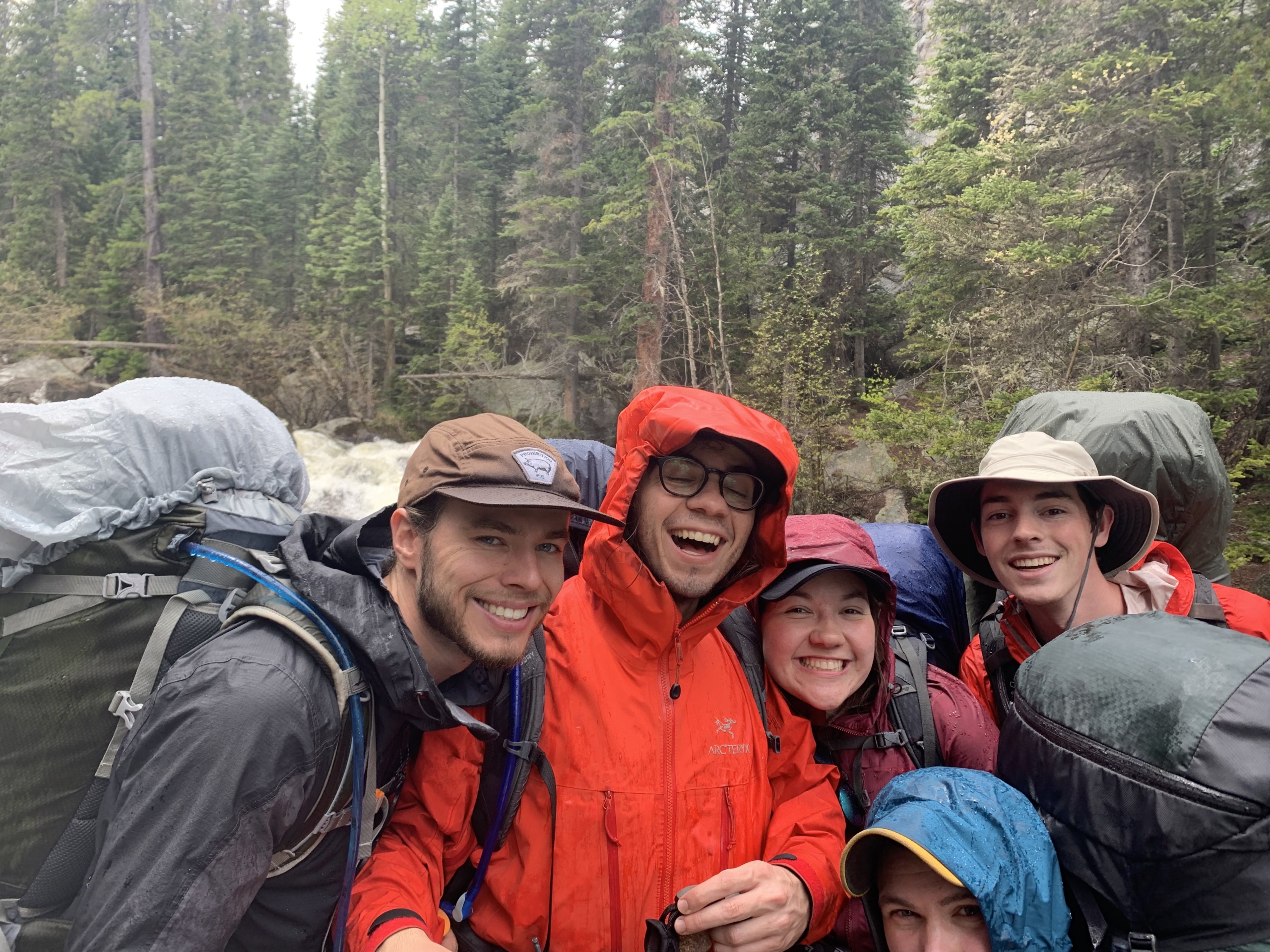

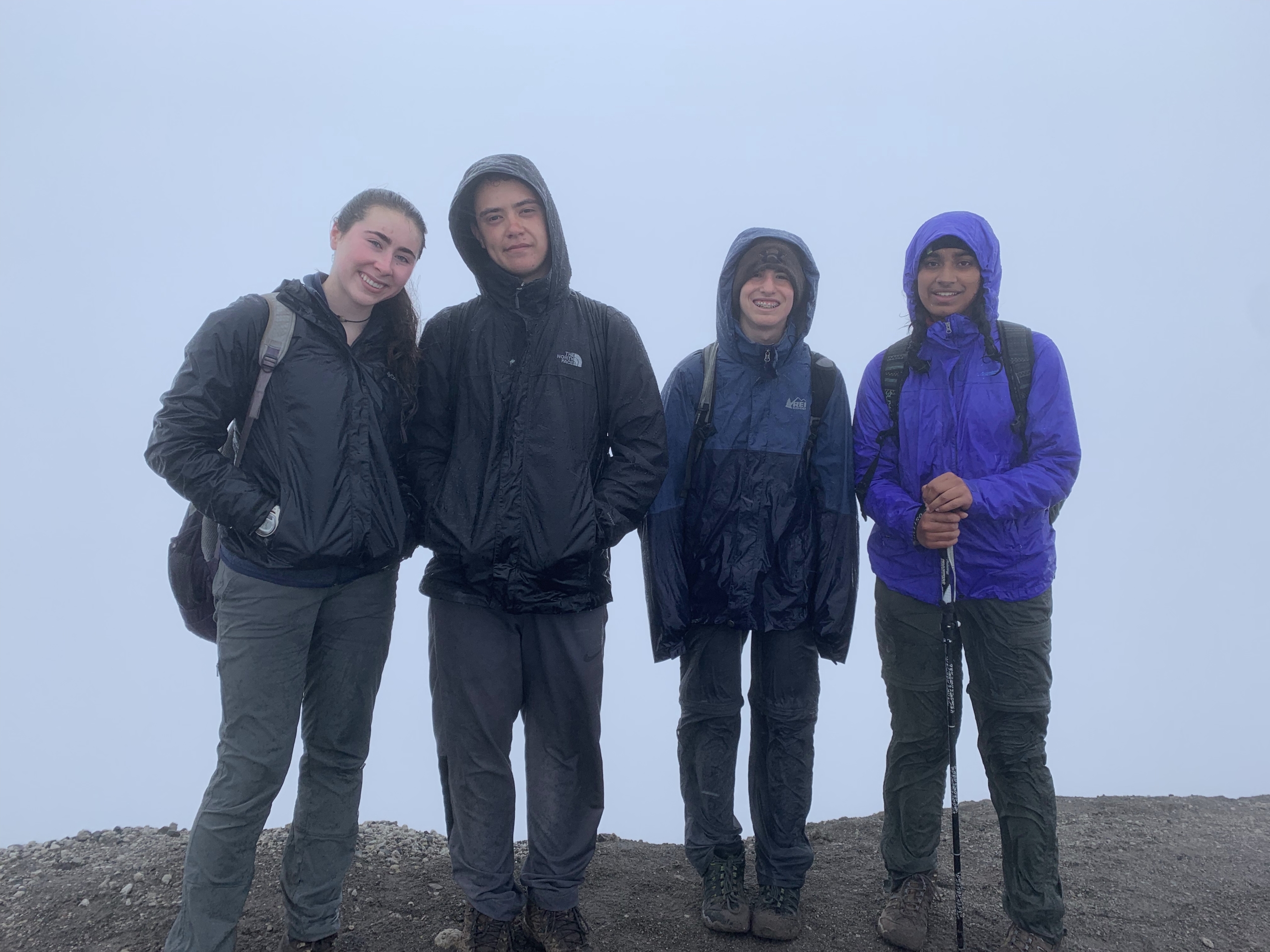

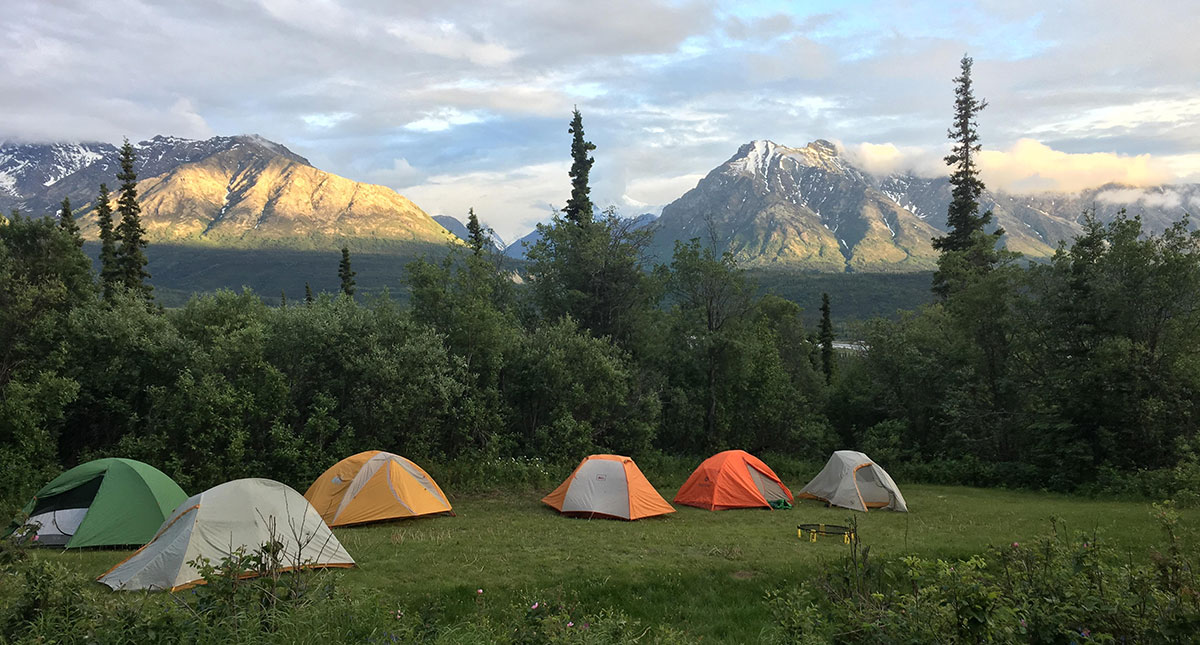 Making the decision to embark on an Adventure Treks trip for the first time can be a little unnerving and scary; after all, many of our new students have never done an outdoor trip before! We applaud our students’ choices to step outside of their comfort zone to do something completely new, including meeting new people from all over the country and world; trying outdoor activities like mountain biking, mountaineering, rock climbing, and backpacking; and living in a close community for two to four weeks at a time.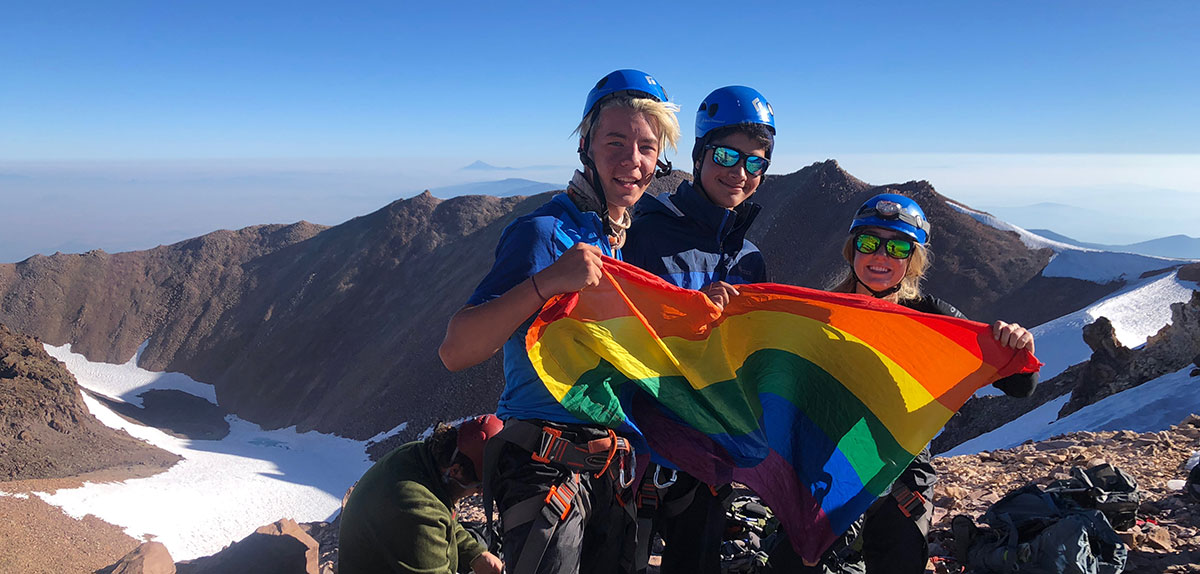
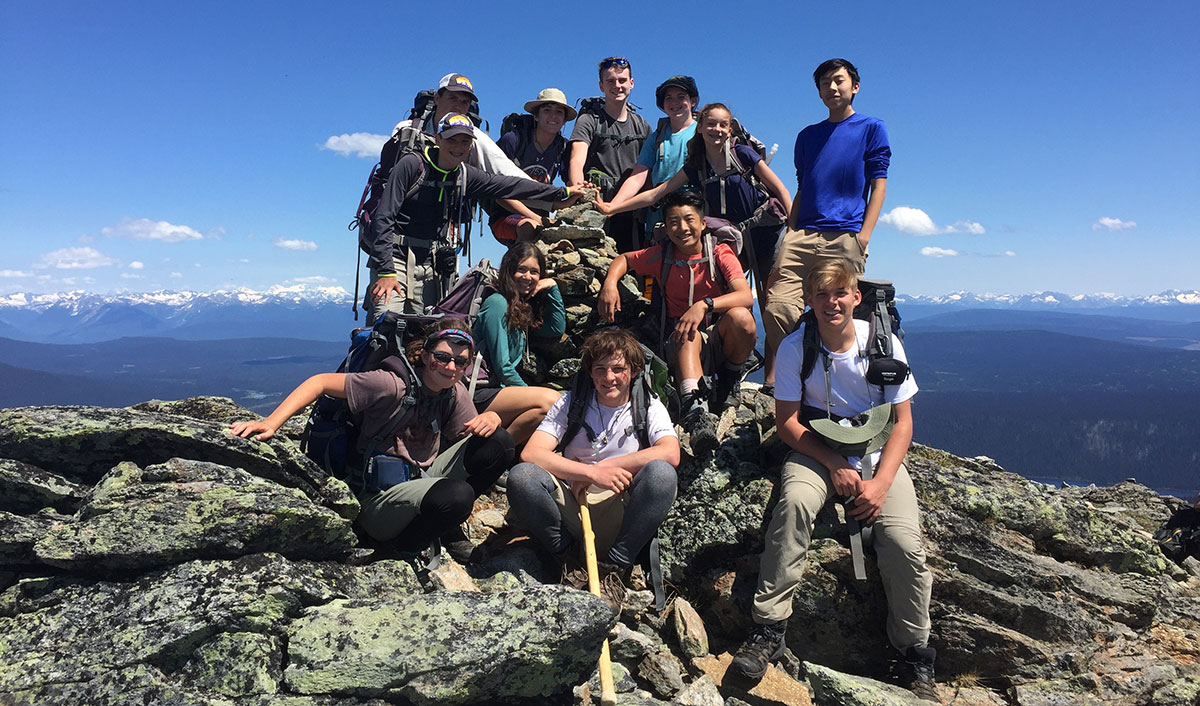
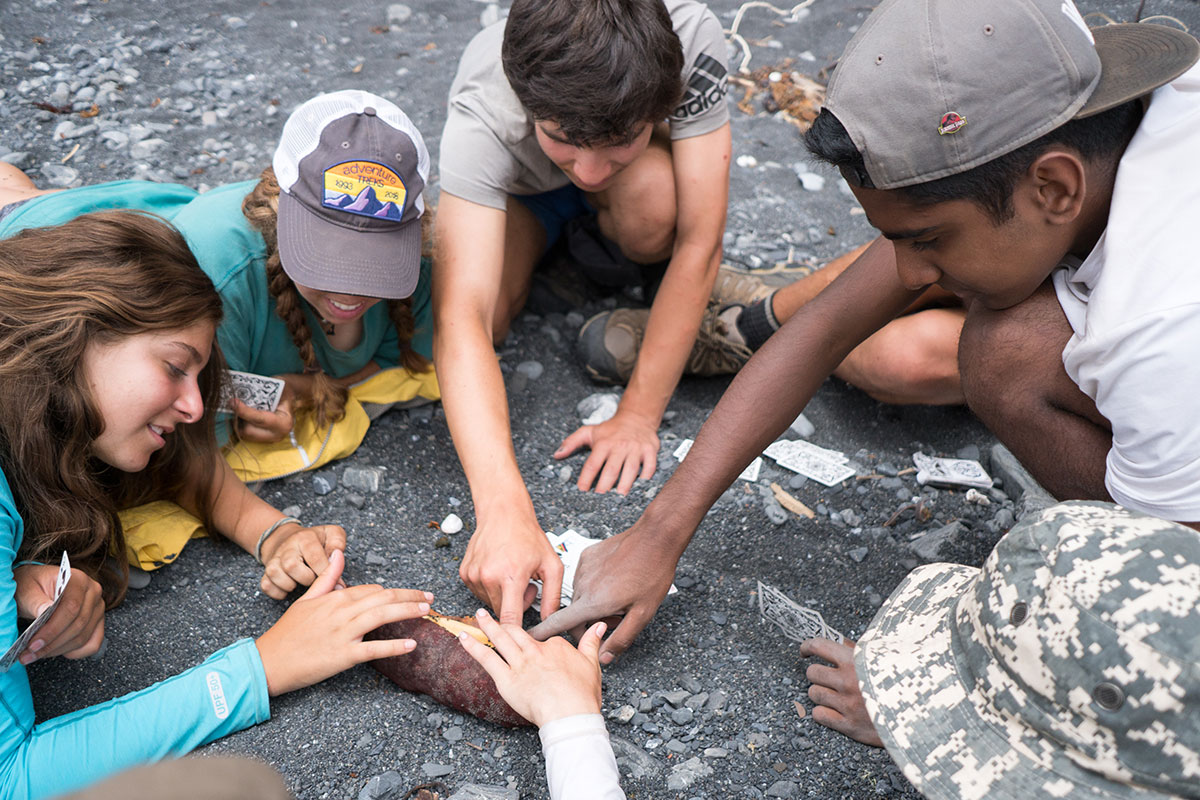
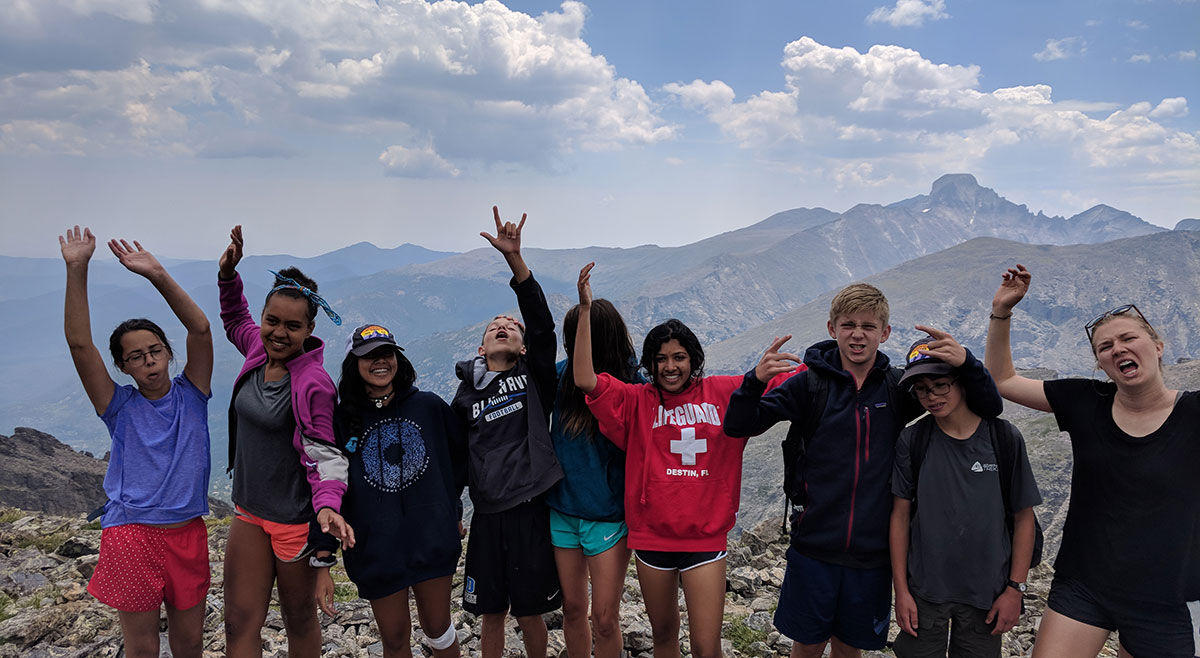
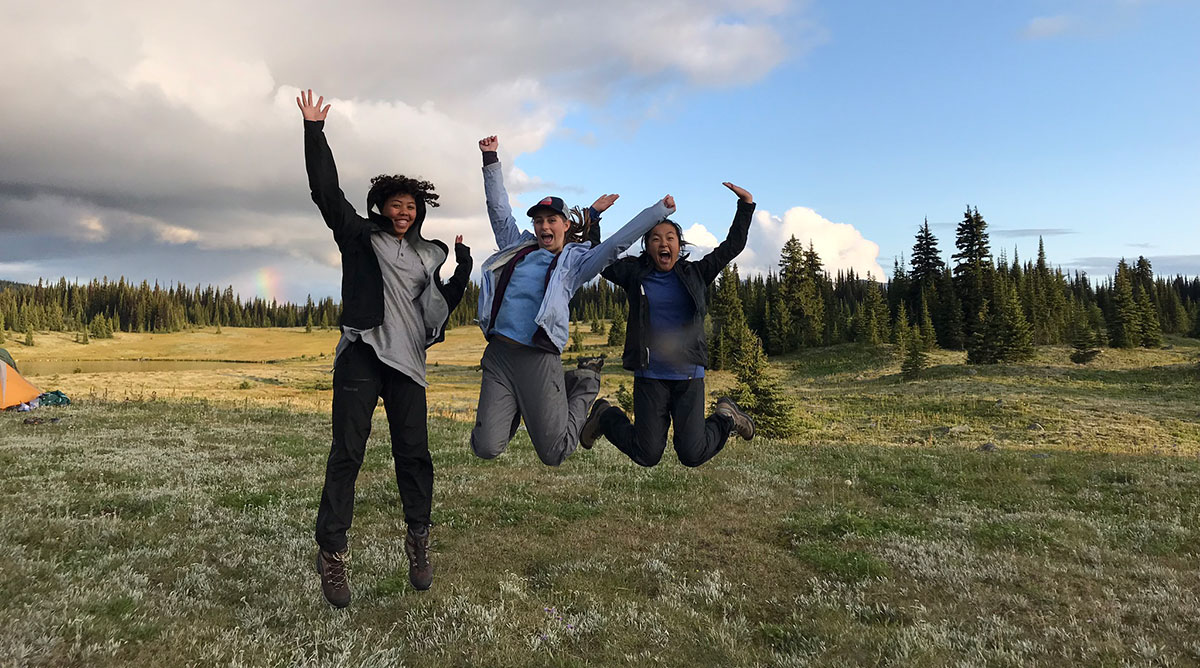 Making the decision to embark on an Adventure Treks trip for the first time can be a little unnerving and scary; after all, many of our new students have never done an outdoor trip before! We applaud our students’ choices to step outside of their comfort zone to do something completely new, including meeting new people from all over the country and world; trying outdoor activities like mountain biking, mountaineering, rock climbing, and backpacking; and living in a close community for two to four weeks at a time.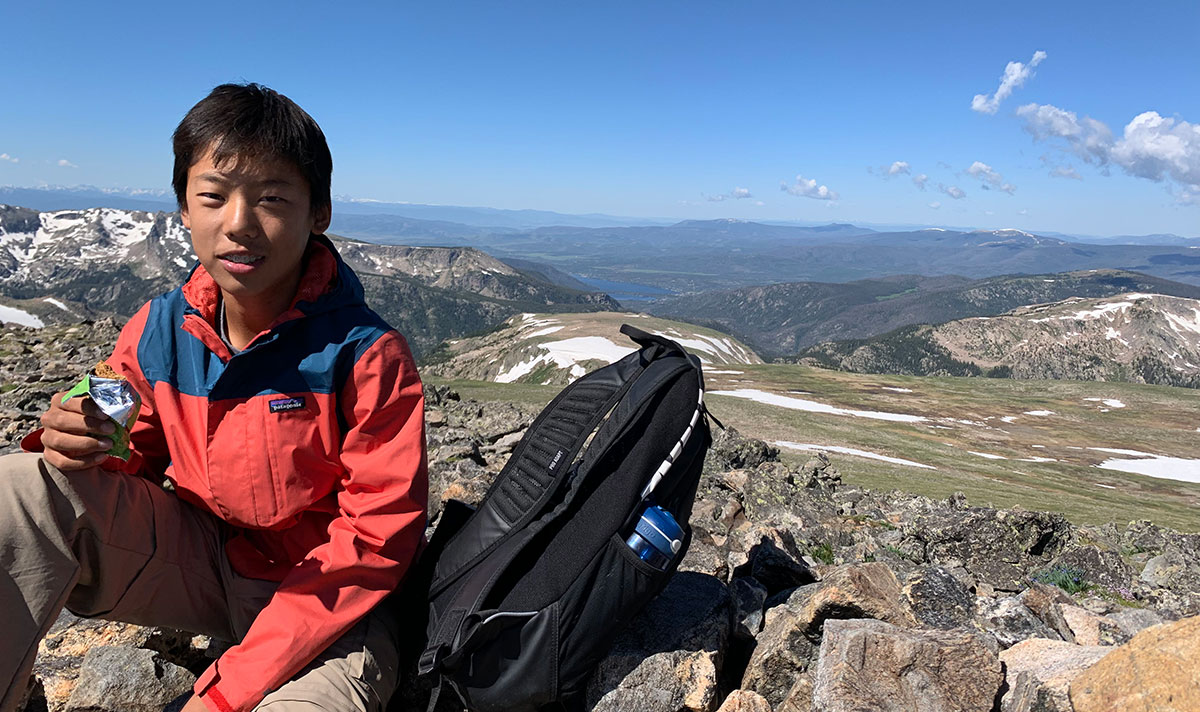
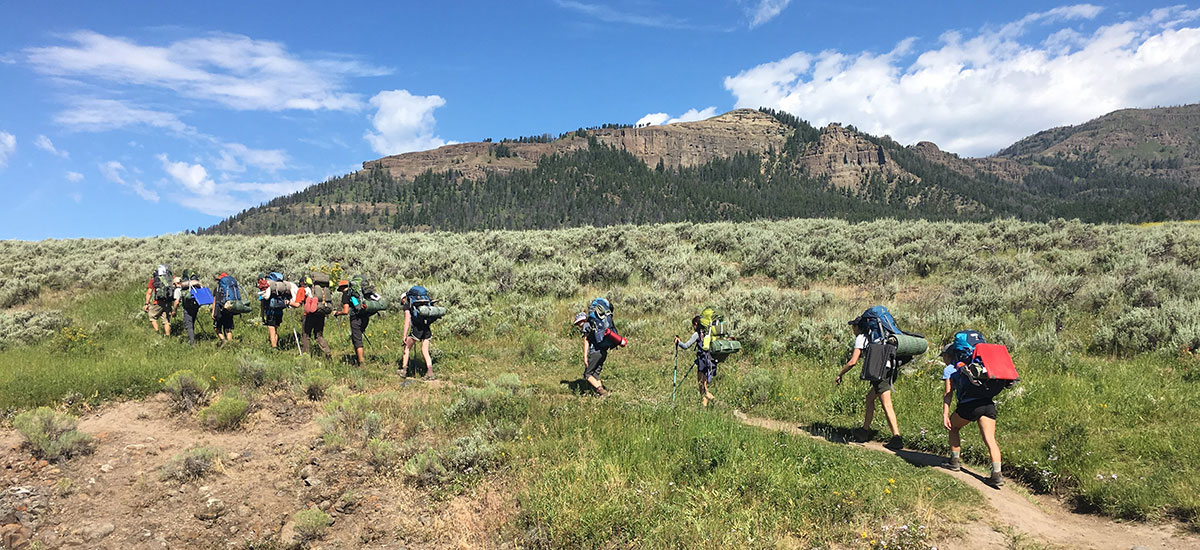
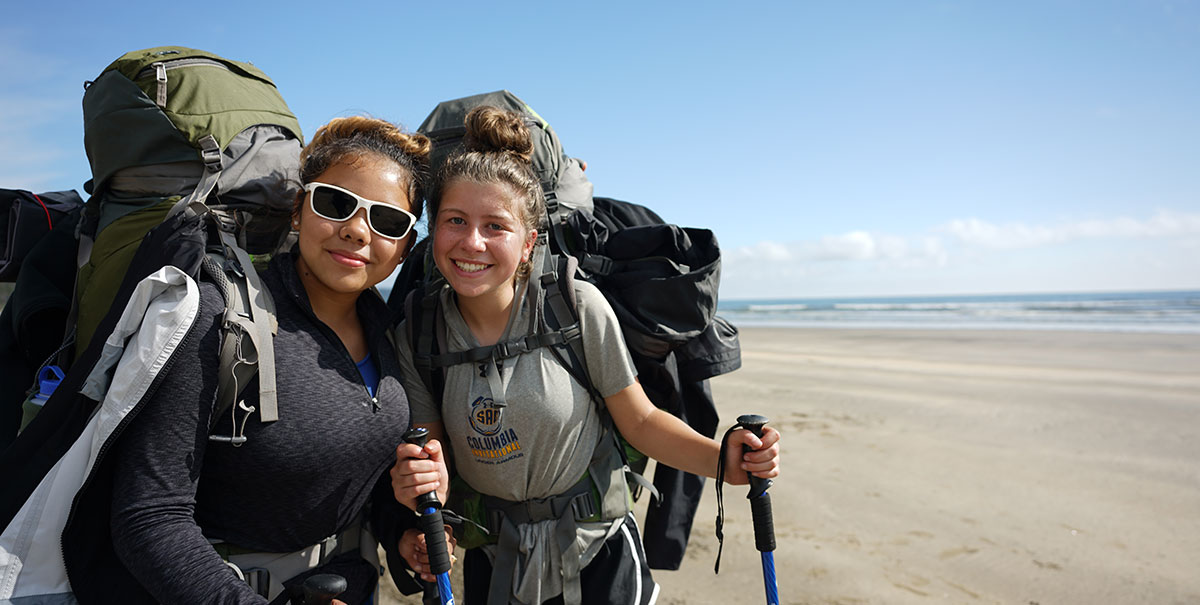
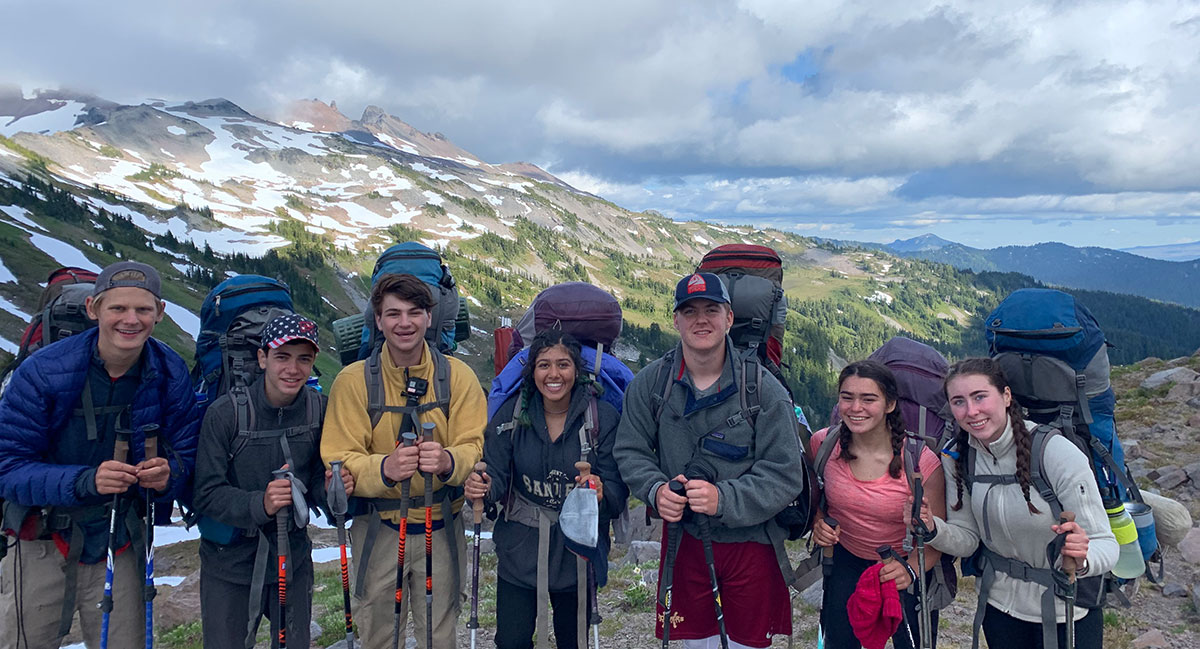 Making the decision to embark on an Adventure Treks trip for the first time can be a little unnerving and scary; after all, many of our new students have never done an outdoor trip before! We applaud our students’ choices to step outside of their comfort zone to do something completely new, including meeting new people from all over the country and world; trying outdoor activities like mountain biking, mountaineering, rock climbing, and backpacking; and living in a close community for two to four weeks at a time.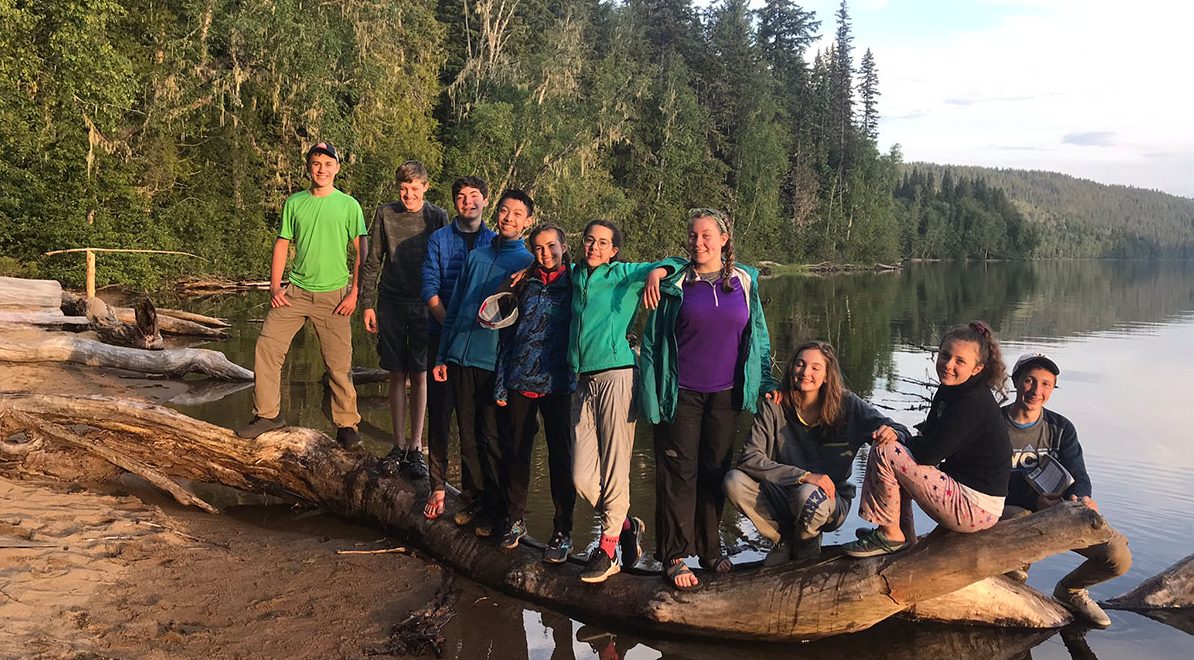
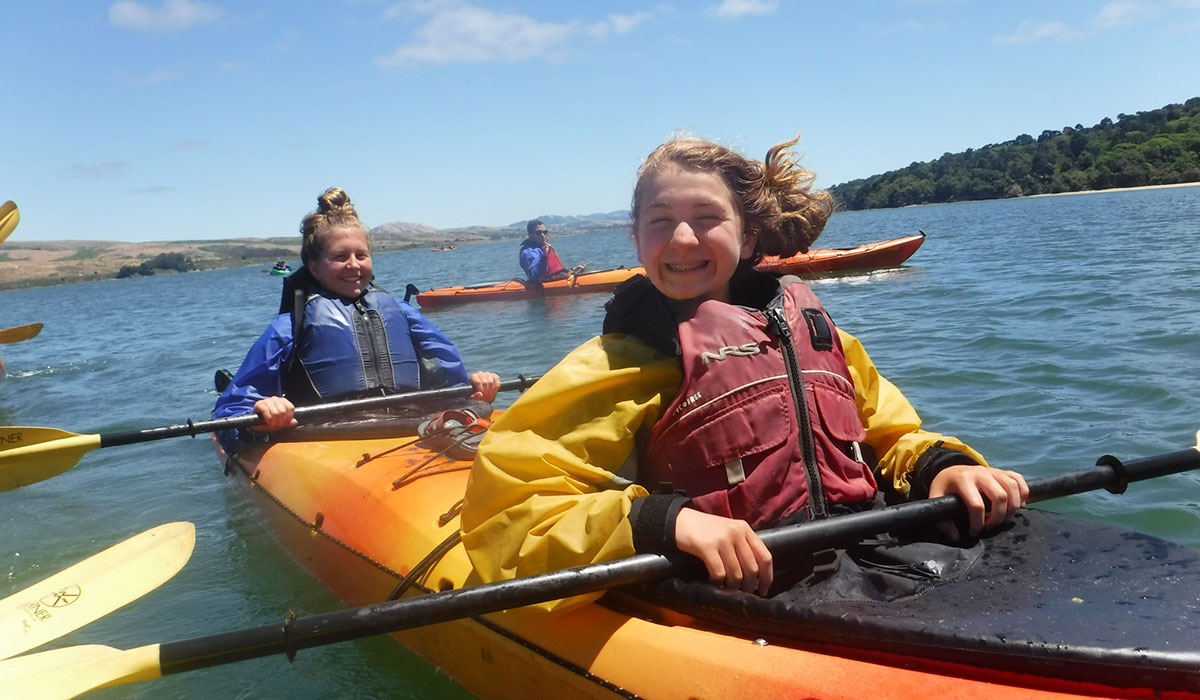
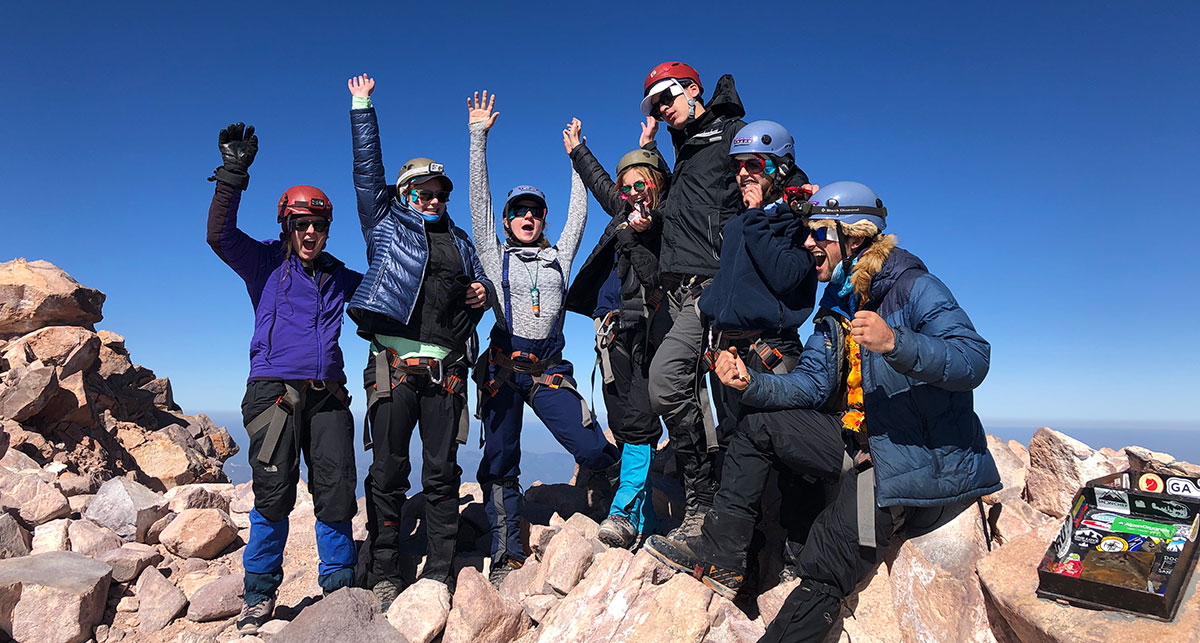
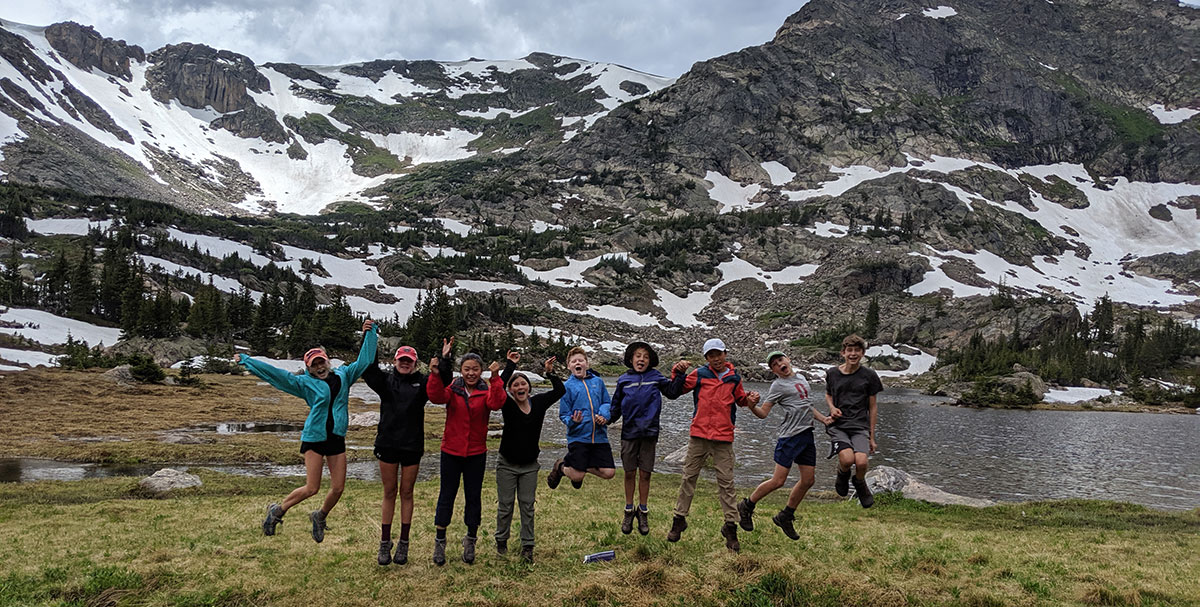
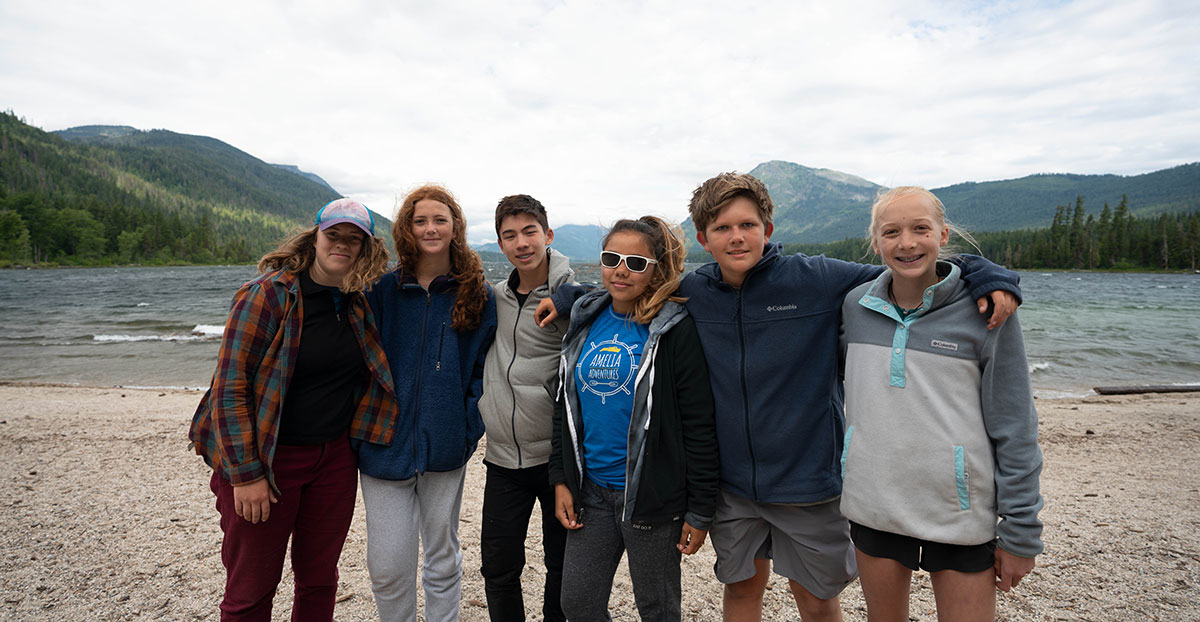
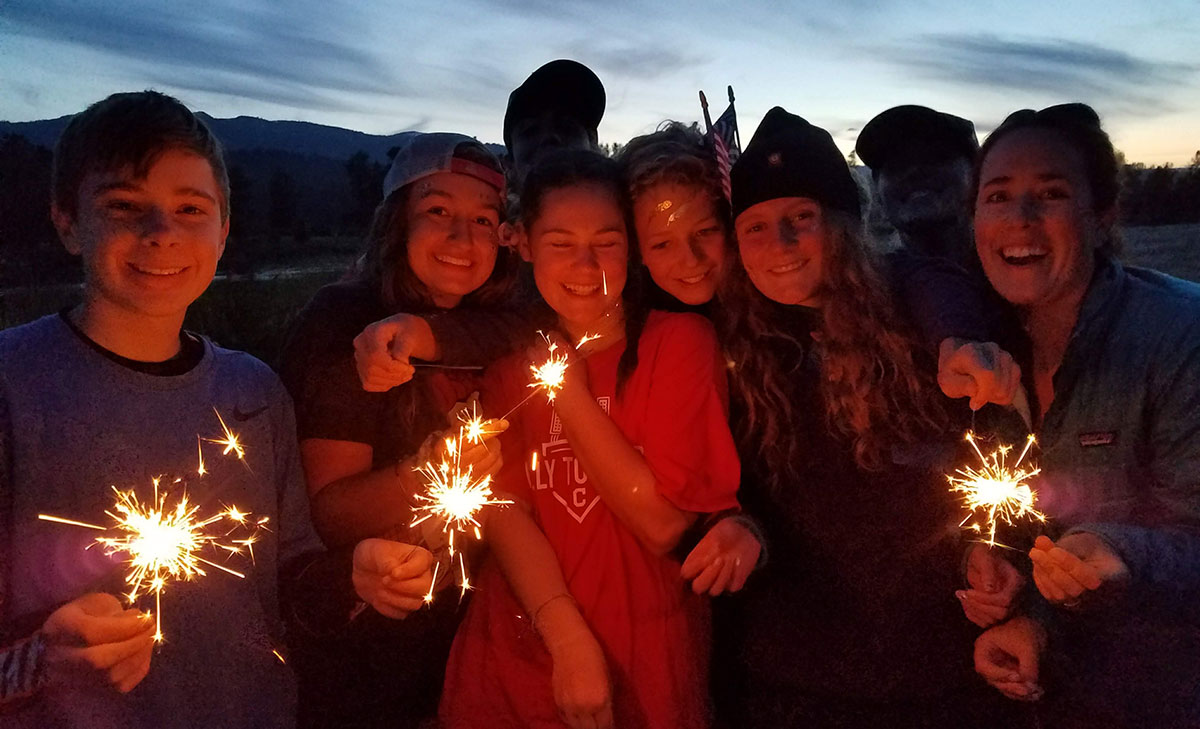

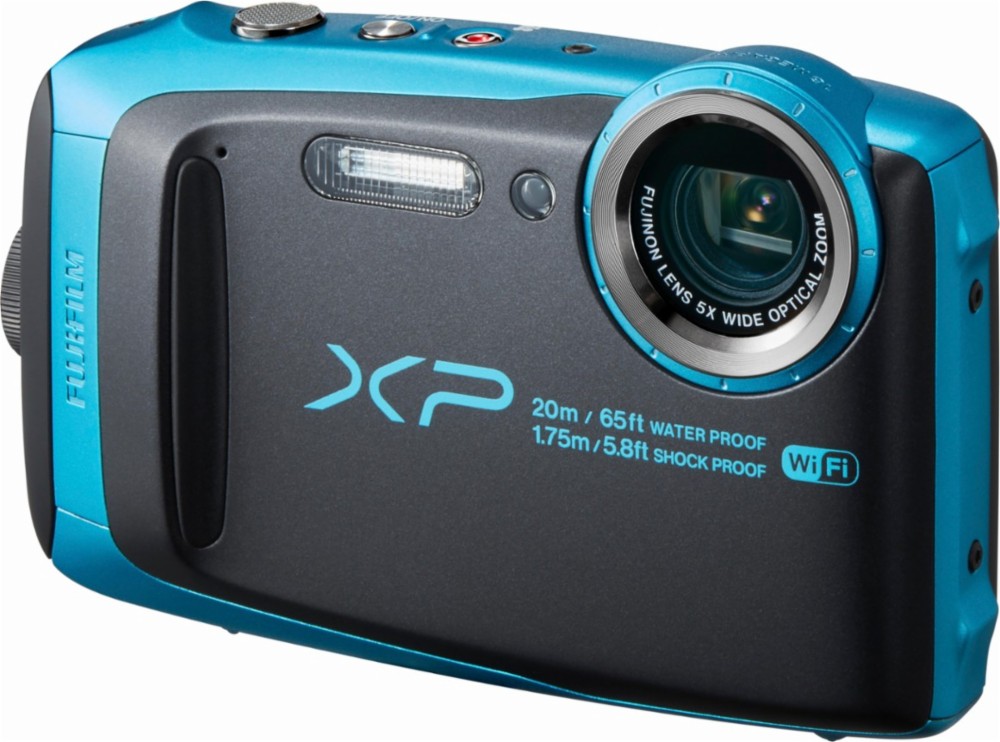
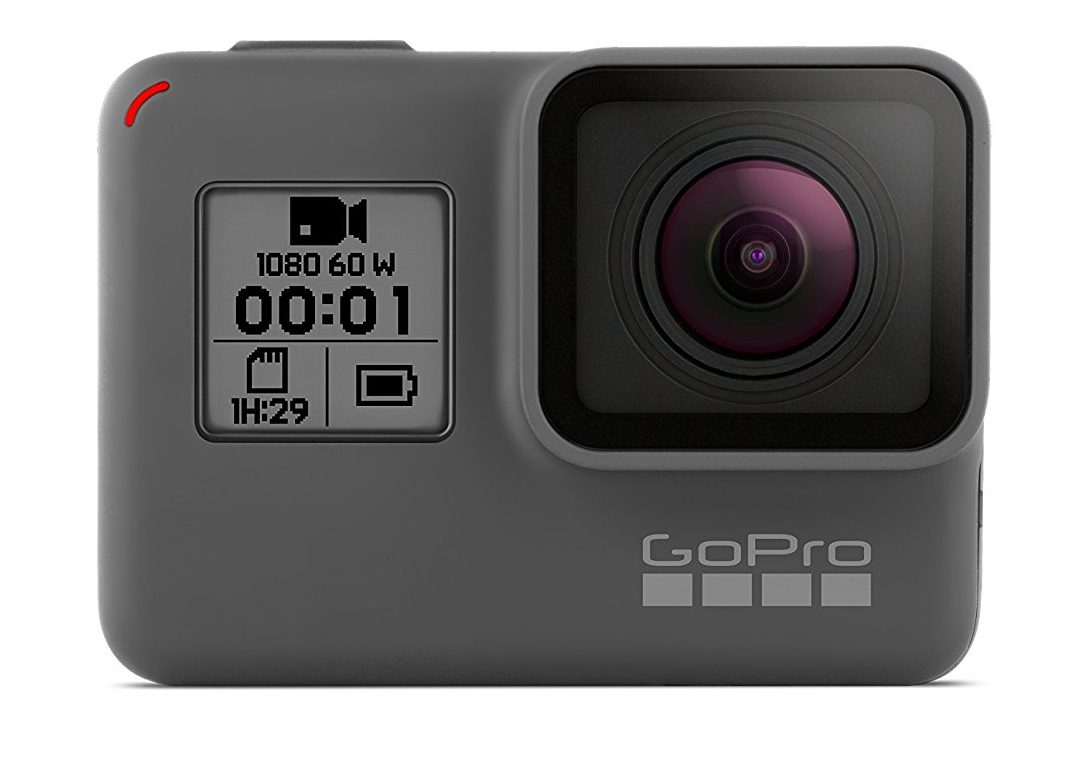

 Summer officially begins at Adventure Treks in just four months, and the first students of 2017 will be landing at their arrival airports a few short weeks later. In order to make planning your student’s transportation a little easier, here are a few lessons we’ve learned over the years.