 It’s a tough time for everyone worldwide. As we face continued self-quarantine and social distancing, many are feeling the effects of having to disconnect from their friends, family, and greater community, finding themselves wrapped up in news cycles, social media, and Netflix instead.
With the new downtime we’ve found, it’s a great time to self-reflect, pick up a new hobby, work out with YouTube videos, finish that book on your nightstand, FaceTime longtime friends… These activities can provide a renewed perspective, a “fresh breath” feeling, and a little relief as we remember to take care of ourselves.
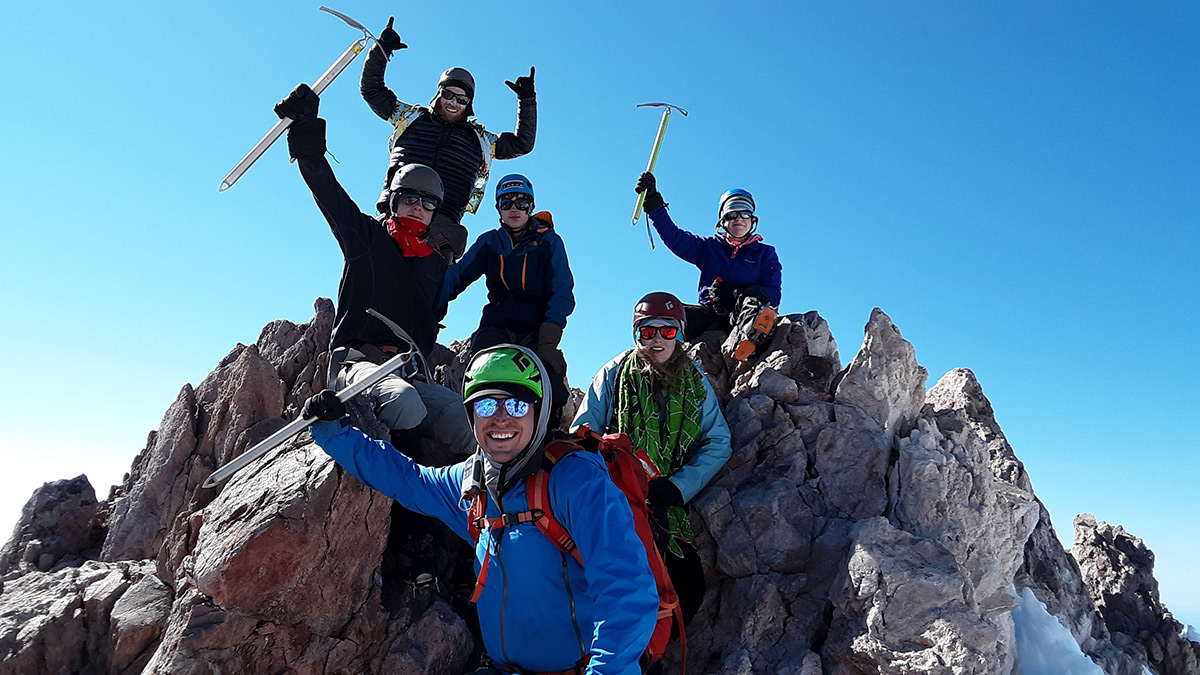
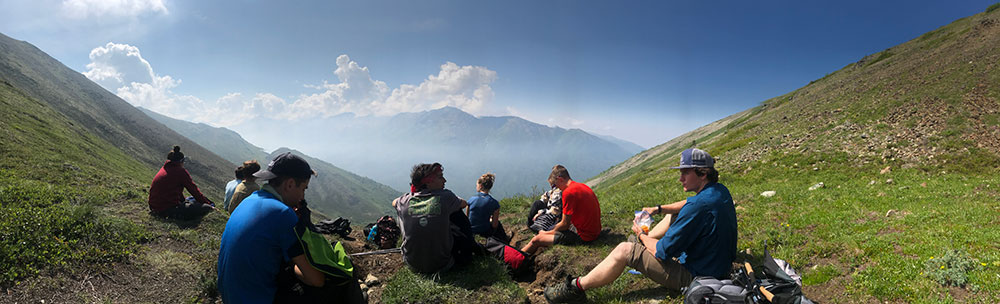
Though we can’t catch up in person, we’ve kept in close contact with our instructors and trip leaders; recently, I asked how they’re staying positive in our current situation. I found a common theme woven through their answers: They’ve been looking back through photos of their Adventure Treks summers to provoke fond (and hilarious) memories and a reminder of the importance of community. As they filter through old photos, we asked them why they’ve continued working as outdoor educators:
“After almost a decade (since beginning as a student) with Adventure Treks, it is without a doubt one of the most influential and profound experiences in my life. As a teenager, the shared laughs, incredible communities, and gorgeous trails, rivers, and mountains held an important place in my heart, which led me to become an AT instructor so that I could provide those same formative experiences I received to the next generation of students.” Teddy Zerivitz, former student (five summers) and instructor (three seasons)
“The best part about being an outdoor leader? There’s not just one thing! Early morning sunrises, laughs around a campfire, the character-building of a long hike, getting to know each other playing the Skittles game… Maybe the best part is creating lifelong memories and friendships that only form in the wilderness. Yep, that’s the best part of being an outdoor leader.” Thor Knutson, instructor (two seasons)
“I love being part of a community with passionate outdoor educators who want to push themselves but also have fun. This job has provided me with memorable moments that I will cherish for the rest of my life.” Ryan Jackson, instructor (two seasons)
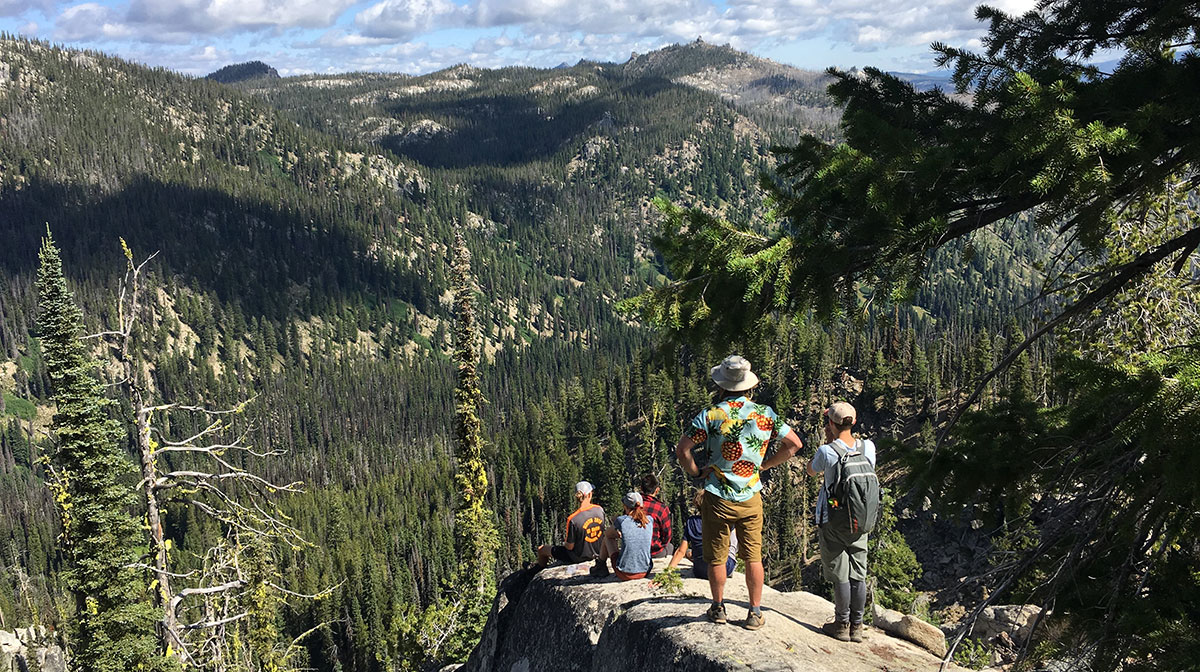
“My favorite part of working with Adventure Treks is playing pirate waiter (how did it not win the Instagram contest?!). I love the space the AT culture creates for meaningful challenge and dialogue for both instructors and students. The challenge for instructors, beyond teaching backcountry skills, is to model an evolving set of values that is constantly debated and questioned by a group of developing minds. The instructors deeply respect students and work together to foster an ongoing exchange of ideas about everything, from fear to pop culture. Also, it’s ridiculously fun! Backpacking trips with people you trust and care to learn more about are the best!” Jess Myer, instructor (three seasons)
“The most rewarding part of each summer is seeing the students grow as competent outdoors women and men, and build their leadership skills and emotional intelligence. I’ve had amazing groups, and I feel lucky to be someone students could confide in and trust as a role model.” Caroline Tucker, instructor (two seasons)
“I love being a part of so much growth—in the students, in my fellow peers, and in myself. That… and all the candy I get to eat guilt-free while at Adventure Treks.” Sarah Malyn, instructor (seven seasons)
“Being an instructor for Adventure Treks means you get to work in wilderness areas most people would struggle to visit recreationally while teaching stoked students alongside incredible co-staff. That’s pretty hard to beat.” Hannah Davich, former student (four summers) and instructor (two seasons)
“What I like best about working with AT is my role in building the special communities and experiences. Students come from all over, often not knowing anyone else on the trip. But by the end, they have formed a bond that rivals that of their closest friends from home. They will also have a new set of profound experiences that many will say changed their life.” Anthony Molinaro, instructor (five seasons)
Interested in becoming an Adventure Treks instructor and changing teenagers’ lives? Find out more about working with us here.

 During my childhood, I often watched my dad, uncles, grandfathers, and male cousins head off for weekend camping trips and annual deer camps. They spent their days outside or in a rustic cabin, building fires, cooking meals over a fire, using outhouses, and “roughin’ it.” My brother taught me the knots and outdoor skills he learned as a Boy Scout. I watched movies like Jeremiah Johnson, Old Yeller, My Side of the Mountain, Far From Home, Cast Away, and Alone in the Wilderness—movies featuring men and young boys who freely explored the land around them, possessing the skills to survive in remote wilderness areas.
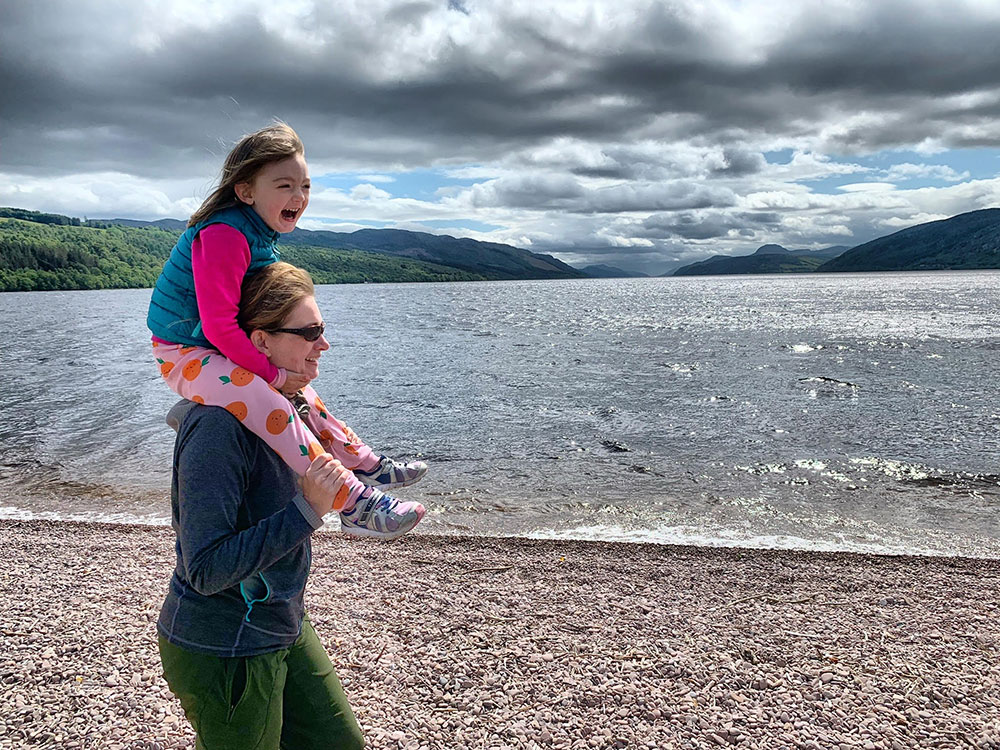 AT: What is the end goal for this trip?
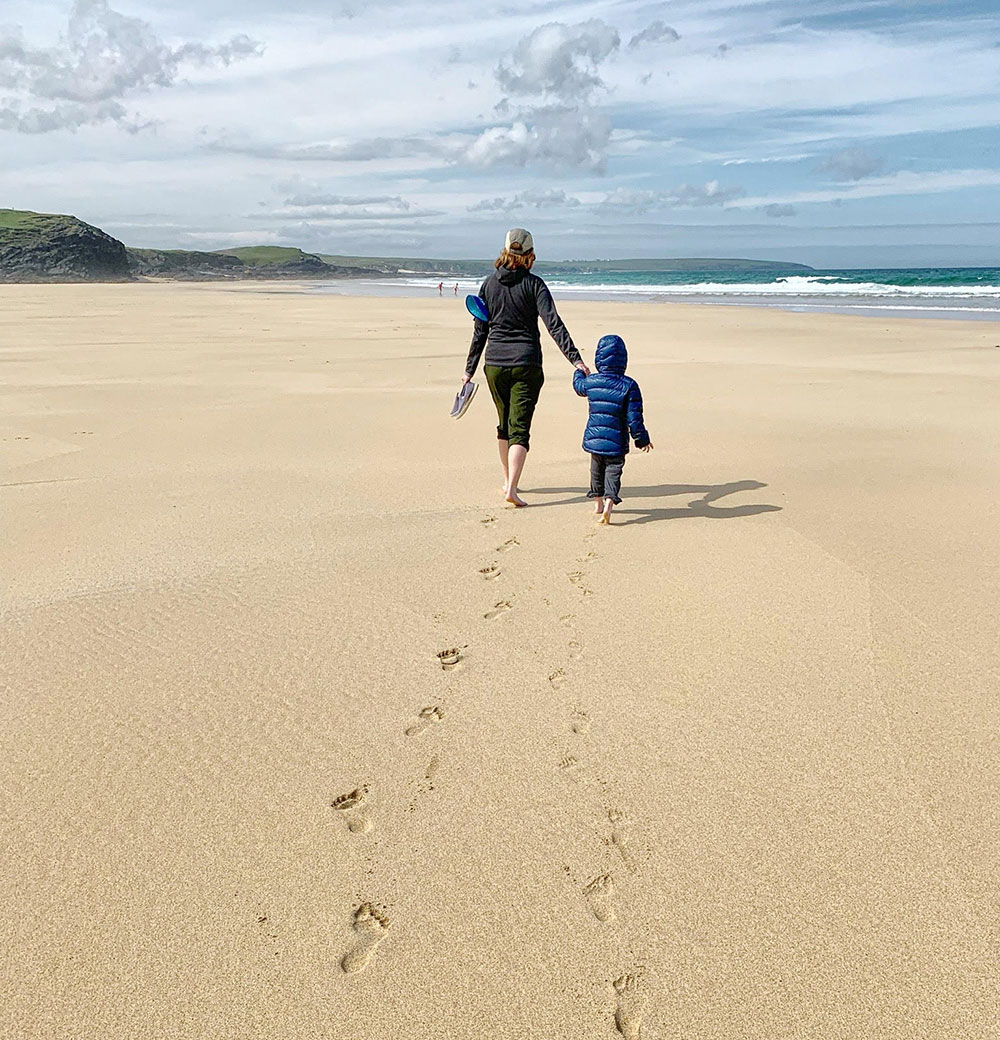 AT: What countries have you been to so far, and where do you plan to go this spring?
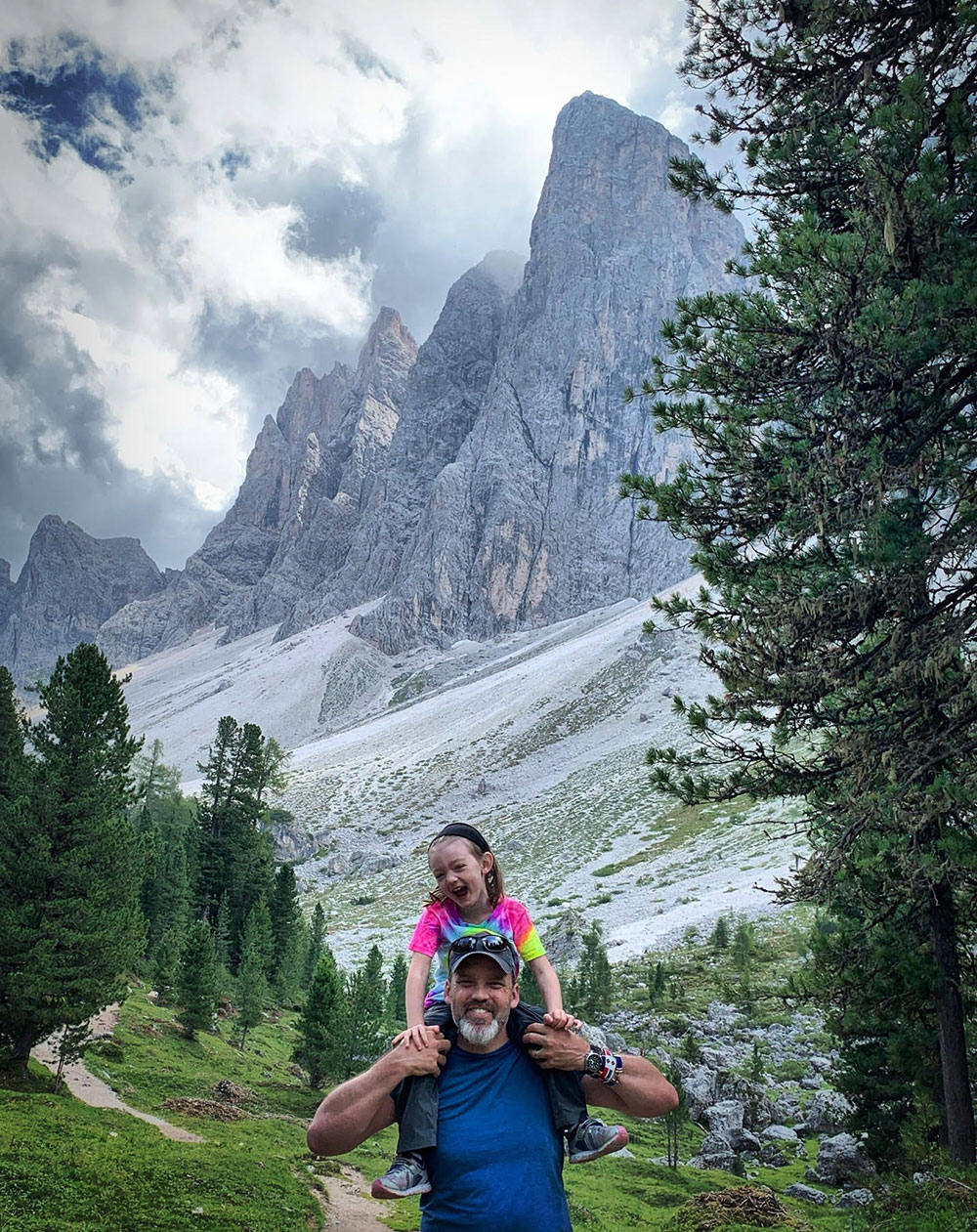 AT: You’ve been Instagramming the trip. Tell us about the public engagement through both of your accounts.
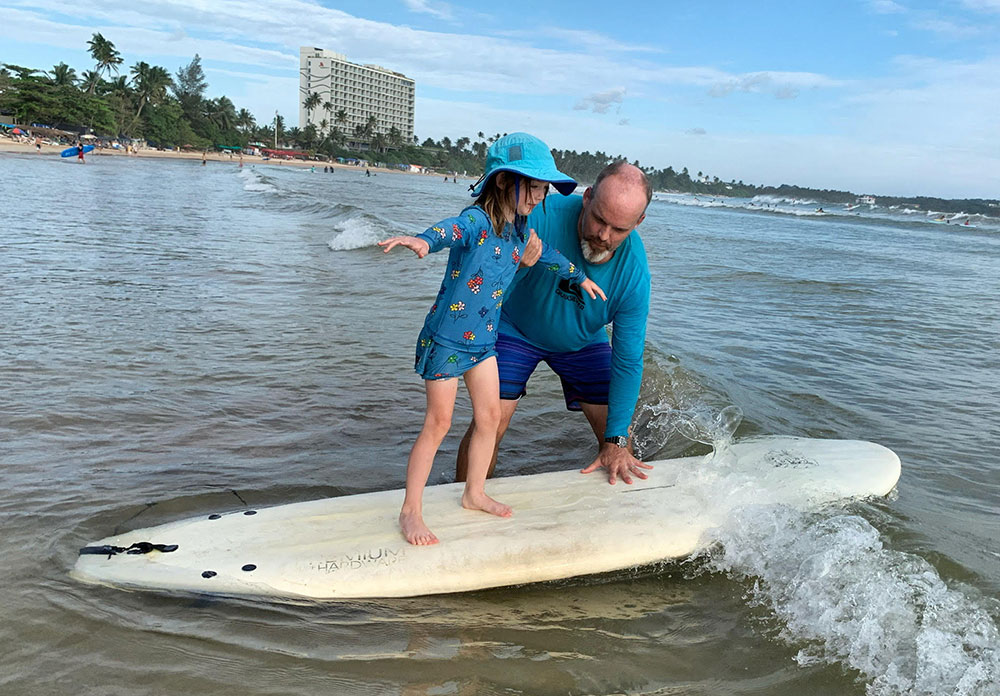 AT: What advice do you have for others interested in a long trip?
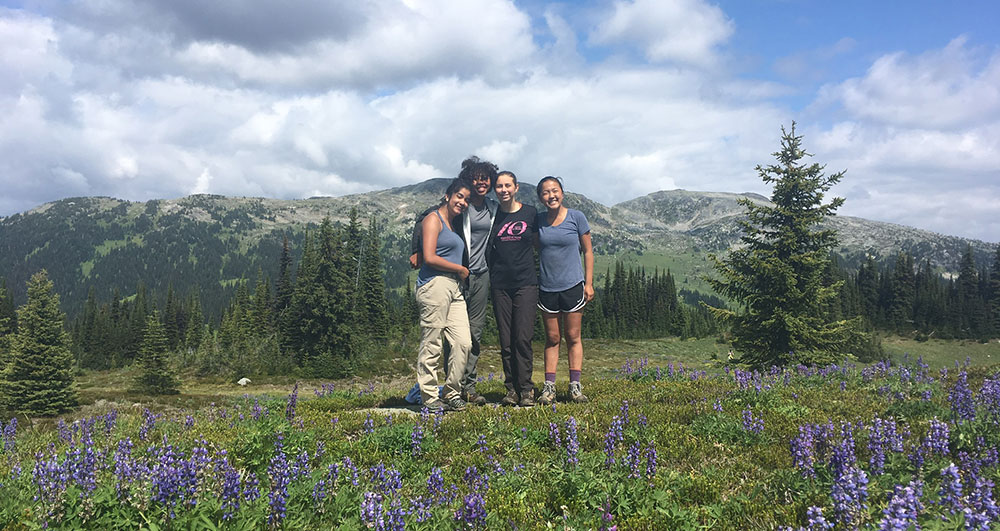 We often hear students say after arriving home from Adventure Treks, “Everyone is so nice at AT… why can’t it be like that in the real world?!” Of course, we’re thrilled to hear the feedback, because it means we’re doing our jobs in providing the close, inclusive communities we promise to everyone. The culture of kindness is a key part of our program design, and the cornerstone of the community we’ve been building for 27 years.
 A 2015 study by Damon Jones, a senior research associate at the
 These are the elements of our character, our virtues—the relationships we maintain, our kindness, humility, gratitude, sacrifice, concern for others, morality, integrity, responsibility, and resilience.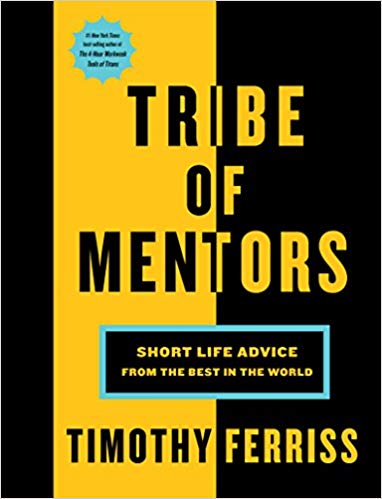
 How to Win Friends and Influence People in the Digital Age by Dale Carnegie (Dmac’s pick)
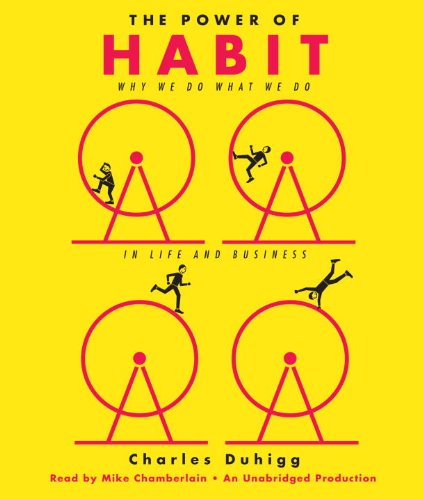 The Power of Habit: Why We Do What We Do in Life and Business by Charles Duhigg (Stacey’s pick)
 Three new podcasts (Stacey’s picks)
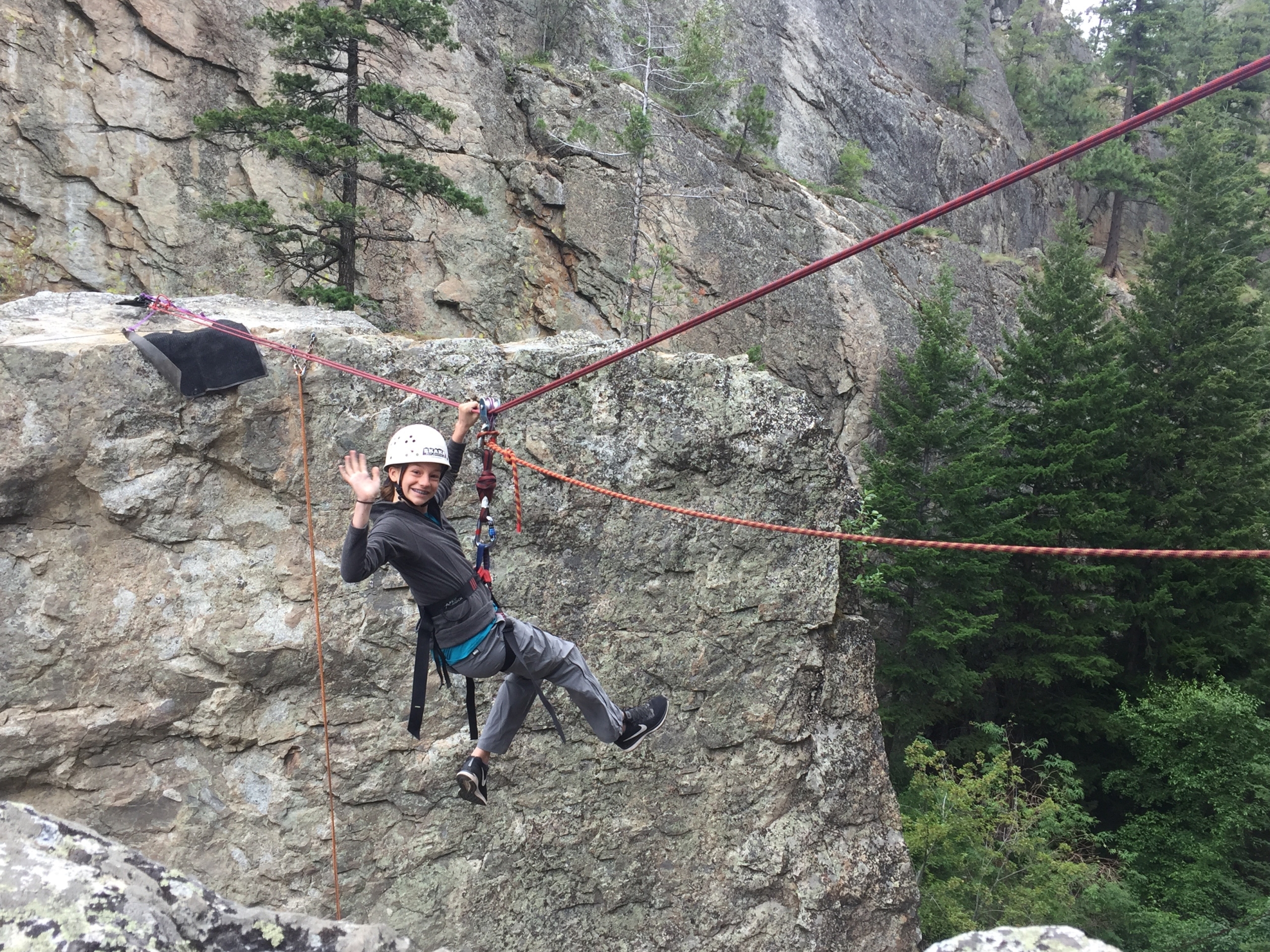 The sun rises above the snow-capped mountains in brilliant hues of pink, orange, and purple. You get off your horse to take in the breathtaking scenery, hear the roar of a river below, and see the outline of a herd of elk in the distance. The birds begin to chirp louder as the sun rises higher. A golden eagle flies overhead. You take a deep breath, feeling accomplished for making it so far in this rugged terrain.
 Dock’s prediction around virtual reality becoming our biggest competition seems to be coming true as
 Since the mid-aughts, when the first nature-based program in the U.S. began, “the movement has exploded,” said Betty Sun, the health-program manager at the